If you’re planning a trip to Japan in 2026, there’s one small but important detail to be aware of: the Japan accommodation tax (also known as city tax or hotel tax).
Whether you’re traveling to Kyoto for the cherry blossom season or you want to sample the finest cuisine Tokyo has to offer, this tax applies to nearly all travelers, both domestic and international, staying in many cities in Japan, with a few exemptions. Currently applied in select cities across Japan, the accommodation tax is set to expand to additional locations in the coming years.
But what exactly is the Japan accommodation tax, and why do you need to pay it? Although it can be confusing for first-time visitors to Japan, you’ll know all you need once you finish our guide on what it is, where you’ll pay, and how much you should budget.
Japan’s accommodation tax is a local charge, typically ¥100–¥500 per person per night, usually paid at check-in and often in cash. Kyoto’s rates rose in March 2026 and reach ¥10,000 for luxury stays, and Tokyo moves to a 3% rate in April 2027. The amount depends on your room price and the city.
- What is the Japan accommodation tax?
- How much is the Japan accommodation tax?
- Where Do I Need to Pay Accommodation Tax in Japan?
- New Areas Introduced in 2026
- How much is the Accommodation Tax in Kyoto?
- How much is the Accommodation Tax in Tokyo?
- Accommodation Tax in Japan: Tips for Travelers
- Is the Accommodation Tax the Same as Japan’s Departure Tax?
- Accommodation Tax FAQ
What is the Japan Accommodation Tax?
The Japan accommodation tax is a local tax charged when staying at hotels, ryokans, machiya, and other registered accommodations in specific cities throughout Japan.
Not every city in Japan currently requires guests to pay this tax, but it is becoming more common across the country. Additional cities introduced it during 2026, and more are expected to follow. But why was it created in the first place? The tax was created to support local tourism infrastructure and communities throughout Japan. All travelers (both domestic and international visitors) contribute to vital maintenance work that continues to keep Japan a special destination for everyone. Tax revenue funds maintenance of historic areas, public transportation improvements, and enhanced visitor facilities and services.
How much is the Japan Accommodation Tax?
There is no nationwide flat fee for the accommodation tax. The tax amount varies by city and depends on the room rate per person per night. Keep reading below for more information:
Here is a quick comparison of some of the most popular destinations. Rates are per person, per night, based on the room charge before consumption tax and exclude meals.
| City | Room price per person, per night | Tax per person, per night |
| Osaka Prefecture | Under ¥5,000 / ¥5,000–¥14,999 / ¥15,000–¥19,999 / ¥20,000+ | Free / ¥200 / ¥400 / ¥500 |
| Kanazawa | Under ¥5,000 / ¥5,000–¥19,999 / ¥20,000+ | Free / ¥200 / ¥500 |
| Takayama (since October 2025) | Under ¥10,000 / ¥10,000–¥29,999 / ¥30,000+ | ¥100 / ¥200 / ¥300 |
| Fukuoka City | Under ¥20,000 / ¥20,000+ | ¥200 / ¥500 |
| Tokyo (current) | Under ¥10,000 / ¥10,000–¥14,999 / ¥15,000+ | Free / ¥100 / ¥200 |
| Kyoto City | See the Kyoto table below | ¥200 to ¥10,000 |
Children under 12 are exempt in Takayama, and some cities exempt students on school trips, so it is worth asking your accommodation about exemptions. Rates and thresholds can change, so always confirm with your accommodation or the city’s official site.
Where Do I Need to Pay Accommodation Tax in Japan?
Accommodation taxes are required in the following cities and prefectures (in addition to the newer areas listed in the next section):
HOKKAIDO Area
- Kutchan Town, Abuta District (倶知安町)
- Niseko Town, Abuta District (ニセコ町)
- Akaigawa Village (赤井川村)
TOHOKU Area
- Hirosaki City, Aomori Prefecture (弘前市)
- Miyagi Prefecture (宮城県)
- Sendai City, Miyagi Prefecture (仙台市)
KANTO Area
- Tokyo (東京都)
TOKAI Area
- Tokoname City, Aichi Prefecture (常滑市)
- Atami City, Shizuoka Prefecture (熱海市)
- Gero City, Gifu Prefecture (下呂市)
- Takayama City, Gifu Prefecture (高山市)
HOKURIKU Area
- Kanazawa City, Ishikawa Prefecture (金沢市)
KINKI Area
- Osaka Prefecture (大阪府)
- Kyoto City, Kyoto Prefecture (京都市)
SHIKOKU Area
- Matsue City, Shimane Prefecture (松江市)
KYUSHU Area
- Fukuoka Prefecture (福岡県)
- Fukuoka City, Fukuoka Prefecture (福岡市)
- Kitakyushu City, Fukuoka Prefecture (北九州市)
- Nagasaki City, Nagasaki Prefecture (長崎市)
New Areas Introduced in 2026
Starting in 2026 and beyond, more destinations are introducing the accommodation tax. The following cities and prefectures have introduced or are introducing the accommodation tax in 2026:
April 2026:
- Hokkaido Prefecture (北海道)
- Hiroshima Prefecture
- Gifu City, Gifu Prefecture
- Yugawara Town, Kanagawa Prefecture
- Toba City, Mie Prefecture
June 2026:
- Matsumoto City, Nagano Prefecture
- Karuizawa Town, Nagano Prefecture
- Achi Village, Nagano Prefecture
- Hakuba Village, Nagano Prefecture
July 2026:
- Kumamoto City, Kumamoto Prefecture
- Miyazaki City, Miyazaki Prefecture
October 2026:
- Nasu Town, Tochigi Prefecture
- Morioka City, Iwate Prefecture
November 2026:
- Niseko Town, Hokkaido (moves to a 3% rate)
Additional cities may announce accommodation tax plans in the future. Check with your accommodation to confirm current tax requirements.
Kyoto City Accommodation Tax
How much is the Accommodation Tax in Kyoto?
Kyoto City first introduced an accommodation tax system for all overnight stays in October 2018. As one of Japan’s most visited cities, Kyoto implemented a rate adjustment on March 1, 2026, to better support tourism infrastructure and services.
For most travelers staying in budget and mid-range accommodations, the cost remains modest at ¥200 to ¥1,000 per night (for rooms under ¥50,000 per person). Guests staying in luxury accommodations will pay a higher tax of up to ¥10,000 per night based on their room rate.
| Accommodation Price per Night per Person | Rate Until February 2026 | Rate From March 2026 (Current) |
| Under ¥6,000 | ¥200 | ¥200 |
| ¥6,000 to ¥19,999 | ¥200 | ¥400 |
| ¥20,000 to ¥49,999 | ¥500 | ¥1,000 |
| ¥50,000 to ¥99,999 | ¥1,000 | ¥4,000 |
| ¥100,000 and above | ¥1,000 | ¥10,000 |
This accommodation tax directly benefits all visitors to Kyoto by funding improvements to tourist services, maintaining historic sites, the transportation system, and enhancing each visitor’s overall travel experience. The tax ensures Kyoto can continue welcoming travelers while preserving what makes the city special.
For detailed information about tax rates and exemptions, read our complete guide to the Kyoto City accommodation tax.
Tokyo Accommodation Tax
How much is the Accommodation Tax in Tokyo?
Tokyo was the first city in Japan to introduce the accommodation tax. Tokyo’s current rates stay in place until the new system takes effect in April 2027. Current rates for visitors are:
- ¥100 per person per night for room rates between ¥10,000 and ¥14,999
- ¥200 per person per night for room rates of ¥15,000 or more
- No tax for stays under ¥10,000 per person per night
Tokyo plans to adopt a more streamlined model in April 2027. Payments will switch from the current flat fee structure to a percentage-based system at 3% of the room rate. This change will create greater clarity and reduce confusion for both visitors and accommodation providers.ange will create greater clarity and reduce confusion for both visitors and accommodation providers.
The accommodation tax will also expand to include vacation rentals and minshuku (family-run guesthouses), which were previously exempt, ensuring tax consistency across all accommodation types in Tokyo.
These changes are designed to provide several benefits for visitors:
- Reduce congestion at popular tourist spots, offering a better visitor experience
- Enhance environmental beautification throughout Tokyo
- Improve accessibility at accommodations through barrier-free initiatives
- Contribute to better signage, information services, and visitor facilities
- Preserve cultural sites and public spaces that remain popular with travelers
Tokyo has announced these changes for April 2027, but final details could still be adjusted before implementation, so check the Tokyo Metropolitan Government’s announcement before you travel. comment period for feedback from locals, so details could change before implementation.
Accommodation Tax in Japan: Tips for Travelers
Whether visiting Tokyo, Kyoto, Osaka, or any other city with accommodation tax, proper preparation will help ensure a smooth check-in experience. Follow these tips when planning your visit:
- Check the accommodation tax rules in your destination city: Find out whether the city or prefecture you are visiting has implemented an accommodation tax or plans to introduce one during your stay.
- Review your booking confirmation: This will tell you whether your accommodation tax is included in the overall price or will need to be paid separately at check-in.
- Budget for the accommodation tax: Set aside an extra ¥100 to ¥500 per person per night in most cities. Luxury accommodations may have higher rates, and Kyoto’s top tier is now ¥10,000 per person per night.
- Keep spare cash on hand: Many hotels allow you to pay by card, but smaller inns and traditional accommodations often only accept cash payments for accommodation tax.
- Expect to pay on-site: In most places the tax is collected at check-in, even if you prepaid your room through a booking site.
- Plan your itinerary thoughtfully: The longer you stay in one location, the more tax you’ll pay. Schedule your trip to maximize the value of each destination you visit.
Is the Accommodation Tax the Same as Japan’s Departure Tax?
No. The accommodation tax is a local charge you pay to your hotel or inn. Japan’s international tourist tax, often called the departure tax, is a separate national charge paid by everyone leaving the country. It rose from ¥1,000 to ¥3,000 per person on July 1, 2026, and is normally included in your airfare.
Accommodation Tax FAQ
Do children pay accommodation tax in Japan?
It depends on the city. Takayama exempts children under 12, and some cities exempt students on school trips. Ask your accommodation before you book.
Is the accommodation tax included in my booking price?
Not always. Check your booking confirmation. Many properties collect the tax at check-in, even if you prepaid through an online booking site.
Can I pay accommodation tax by credit card?
Many hotels accept cards, but smaller inns and traditional accommodations often take cash only, so keep some yen on hand.
Do vacation rentals charge accommodation tax?
In most places, yes. Tokyo will also begin taxing vacation rentals and minshuku from April 2027.
Is the accommodation tax the same as the departure tax?
No. The accommodation tax is paid to your lodging for each night you stay. The departure tax is a separate ¥3,000 national charge on international travelers leaving Japan.
Recommended Accommodations in Japan for a Memorable Experience
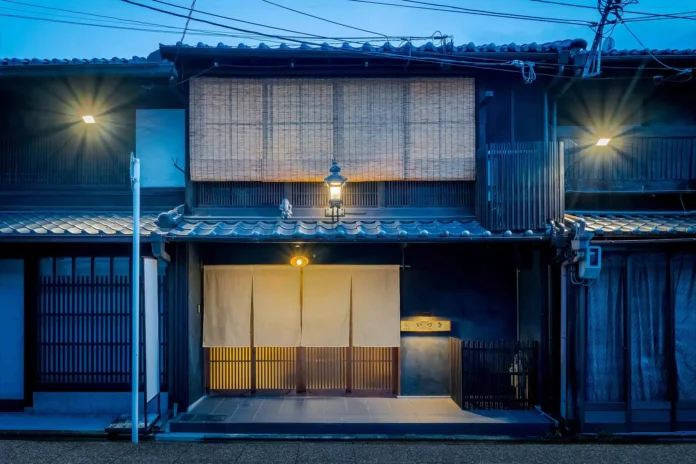
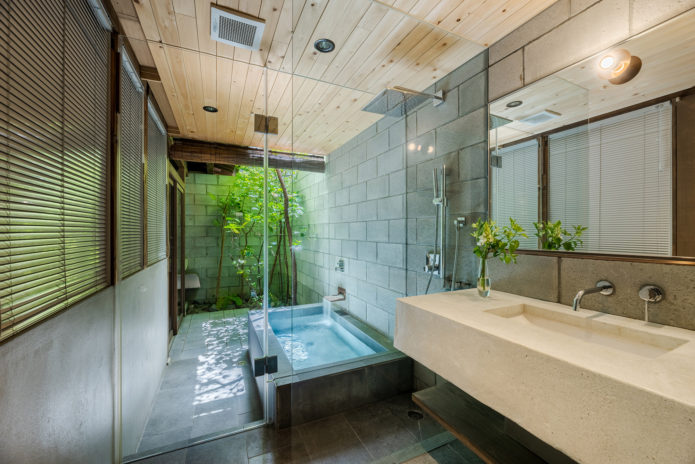
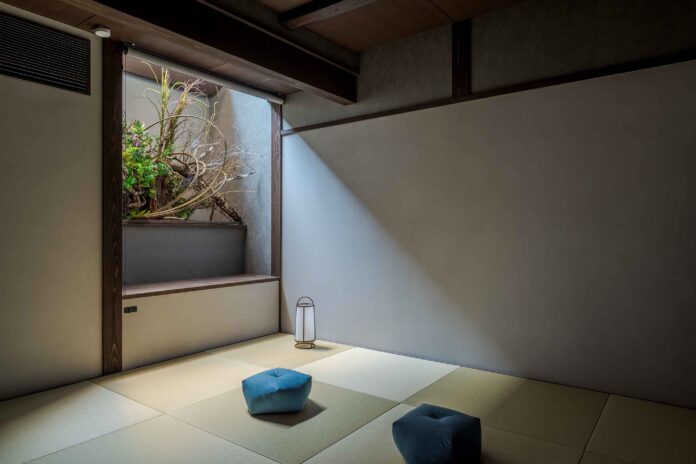
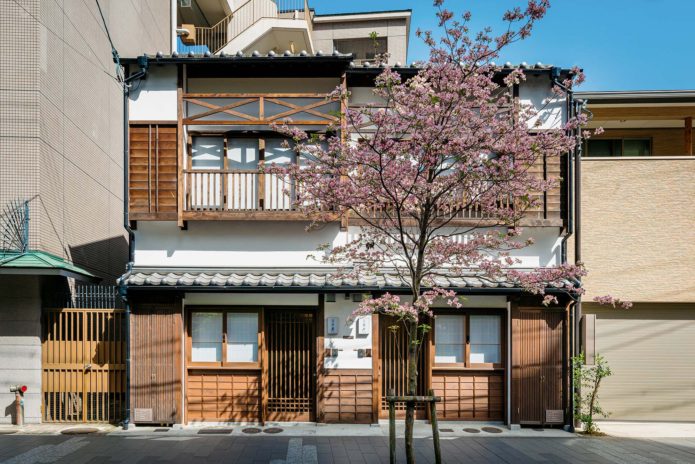
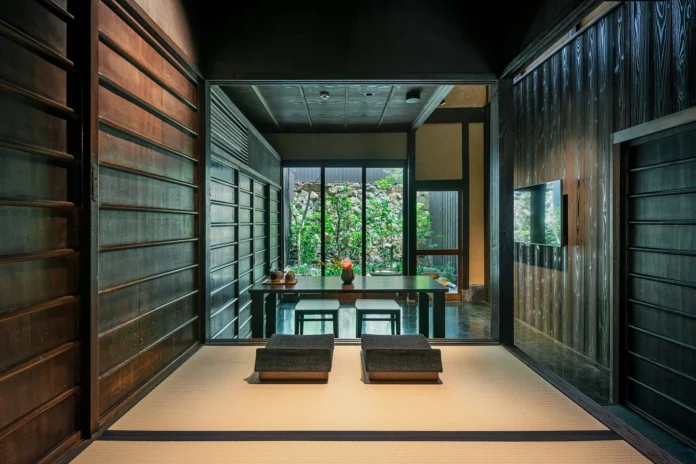
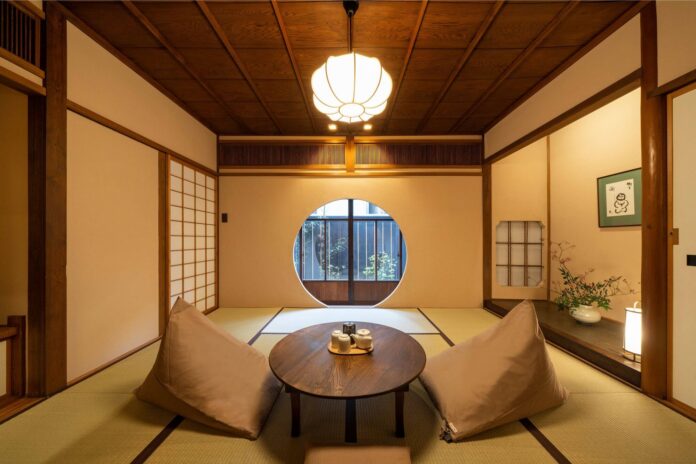
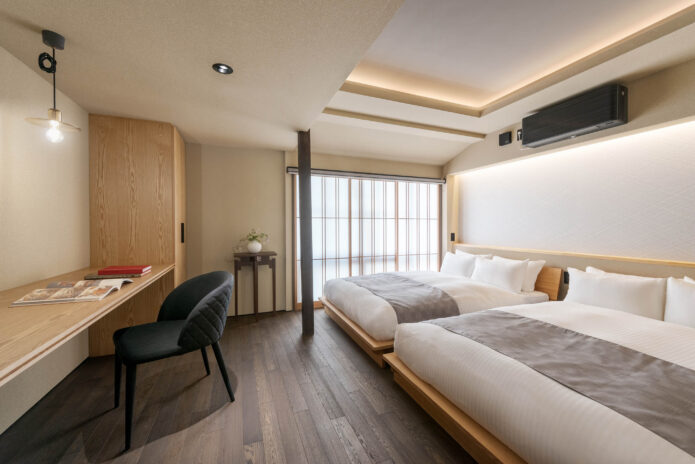
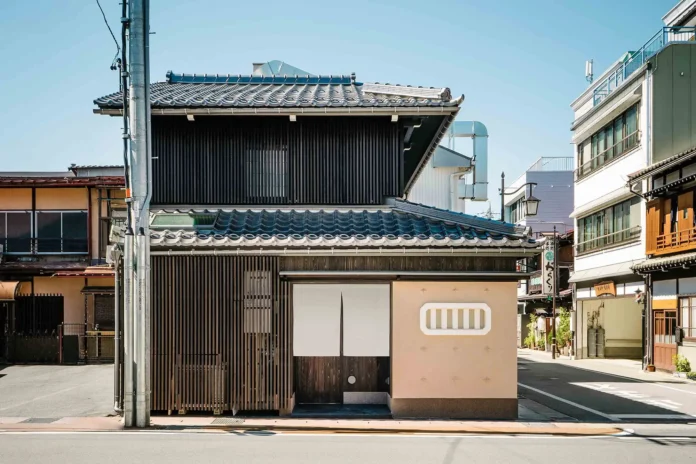
Understanding the accommodation tax rules and updates will help you plan your 2026 visit to Japan. You can factor this daily rate into your budget and make sure you still have enough spending money for your Japanese adventure.
MACHIYA INNS & HOTELS, specializes in traditional Japanese-style accommodations, including restored, private machiya holiday homes and boutique machiya hotels that blend authentic Japanese architecture with modern facilities.
To find out more, take a look at the official MACHIYA INNS & HOTELS website to find the perfect machiya accommodation for your next visit to Japan!
Book a table at locally-loved restaurants to enjoy exquisite kaiseki (course-style) Japanese dinners.
Other articles you may be interested in:
- Local recommendations on where to eat in Tokyo.
- The best way to travel between Tokyo and Kyoto with views of Mount Fuji!
- What to buy in Japan: Recommendations by Locals in Kyoto