Kanazawa is known for its castle town history, samurai culture, and beautiful gardens. At the heart of it all is Kenrokuen Garden, one of Japan’s Three Great Gardens and a must-see for any visitor. In this article, we’ll walk you through the history and highlights of Kenrokuen Garden, plus share a few more Japanese gardens in Kanazawa worth adding to your itinerary.
If you’re planning a trip to Kanazawa, this guide will help you experience the best of the city’s celebrated garden culture.
While many of the gardens we recommend in Kanazawa are strolling gardens, each one offers a distinct experience. The placement of rocks, trees, flowers, moss, and waterways is deeply intentional, designed to evoke different environments or reflect perspectives on life. Each garden is also meant to be experienced across all four seasons, from the bloom of spring and the lush heat of summer to the fiery colors of autumn and the quiet stillness of winter.
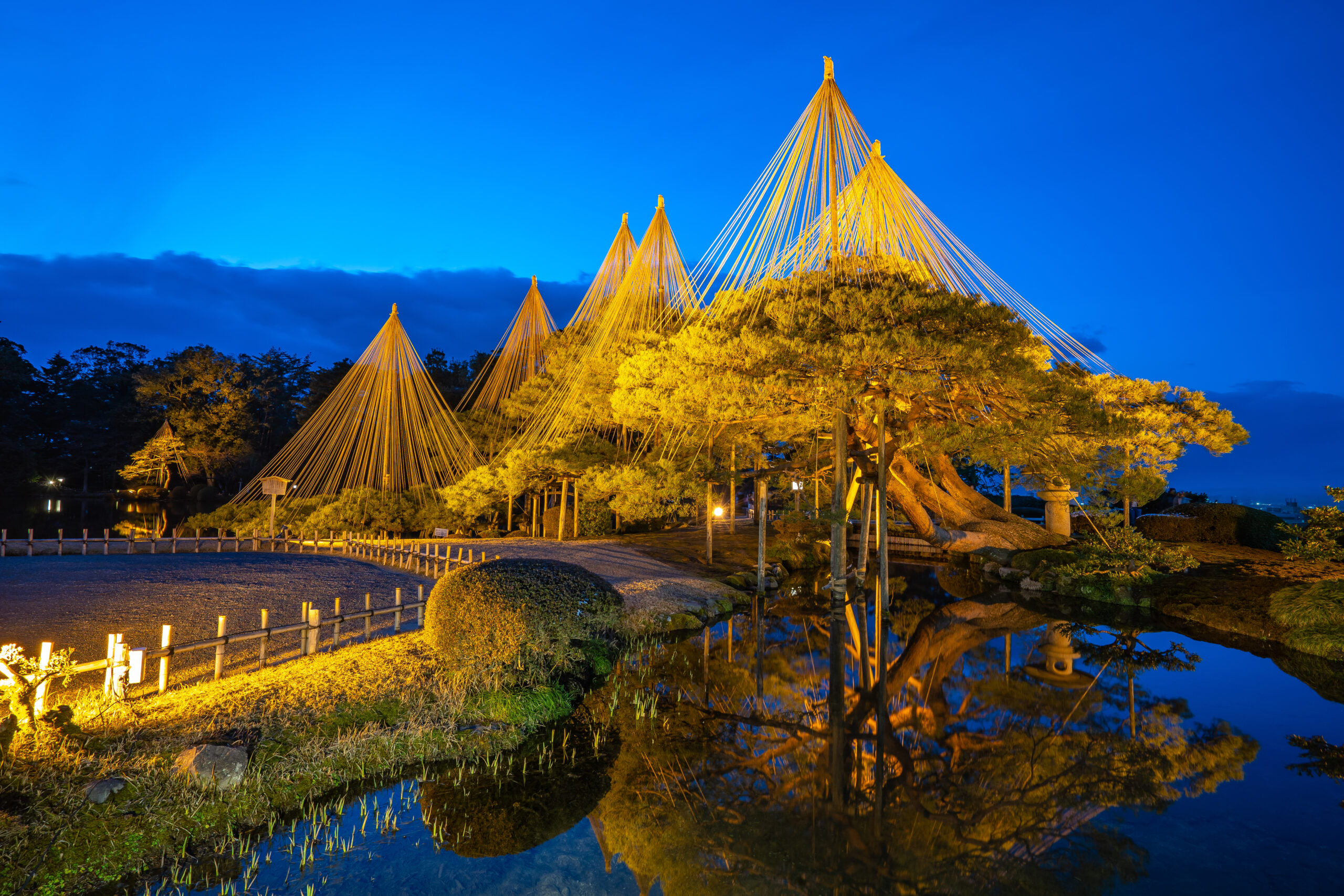
Kenrokuen is the largest garden on this list and one of Japan’s most famous daimyo (feudal lord) gardens. It stretches across 11.4 hectares (about 28 acres) and is best enjoyed at a leisurely pace, allowing you to take in its carefully designed landscapes as they change with the seasons. Key highlights include:
Kenrokuen sits right next to Kanazawa Castle because it was the personal garden of the samurai feudal lords who lived there—the Maeda clan. Can you imagine having all that space entirely to yourself and your personal guests? Kenrokuen was developed over more than a century by the Maeda family, beginning in the 17th century and reaching its near-final form in the 19th century. It was fully opened to the public in 1874.
Today, it’s renowned as one of the most beautiful feudal-era gardens in Japan and offers a peek into the real “lifestyles of the rich and famous” of the Edo period. The garden’s name, Kenrokuen (兼六園), reflects the concept of combining six ideal qualities in one landscape: spaciousness, seclusion, artifice, antiquity, waterways, and panoramic views. The “roku” in Kenrokuen literally means “six,” and the garden was intentionally designed to embody all six of these ideals.
Yes, Kenrokuen offers free early-morning entry before the regular opening time, and the exact hours change by season. Regular admission still applies after opening, so it is best to check the current schedule before you go.
Admission:
Check the official Kenrokuen Garden website for the most up-to-date information.
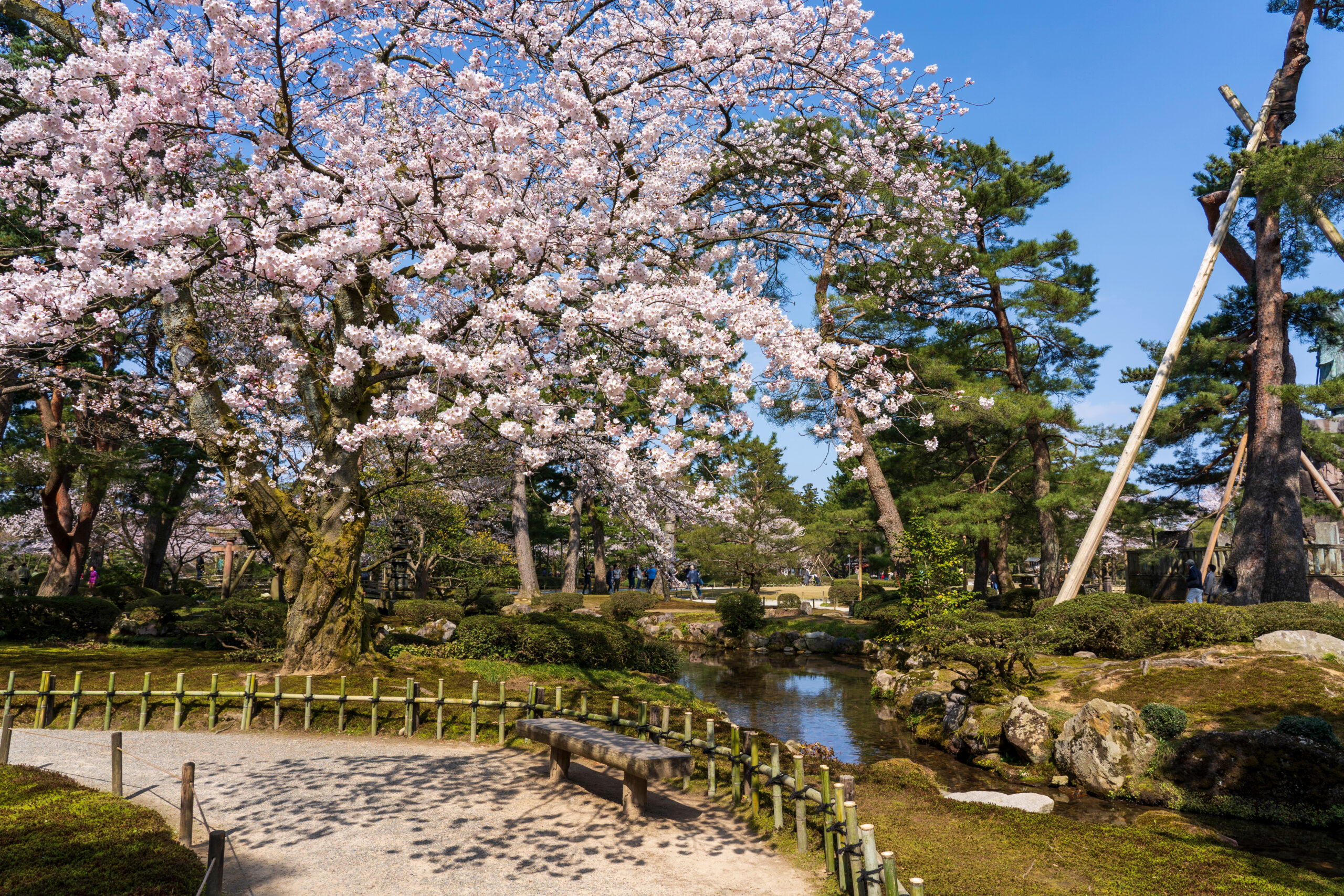
This is one of the best places in Japan to see cherry blossoms, with over 400 trees! You’ll see around 40 varieties of flowers, including the rare kikuzakura or “chrysanthemum cherry blossom” with feathery, pale-pink petals.
Travel Tip: Plan your trip to Japan around the annual “Sakura forecast” to catch the cherry blossoms in full bloom. Although the exact flowering dates fluctuate with the weather, the best time to visit Kanazawa for cherry blossoms is between the end of March and mid-April.
Go early in the morning to catch the cool air and avoid the crowds. There’s also free entry for early birds! We recommend visiting Kyokusui and Gankobashi Bridge, which are near the water and offer some relief from the humid summer air.
Be sure to stop by the Kenrokuen teahouse for Japan’s popular summer treats, “kakigori” (shaved ice, usually with sweet syrup or condensed milk) and chilled “ankoro mochi” (mochi covered in a layer of sweet red bean paste).
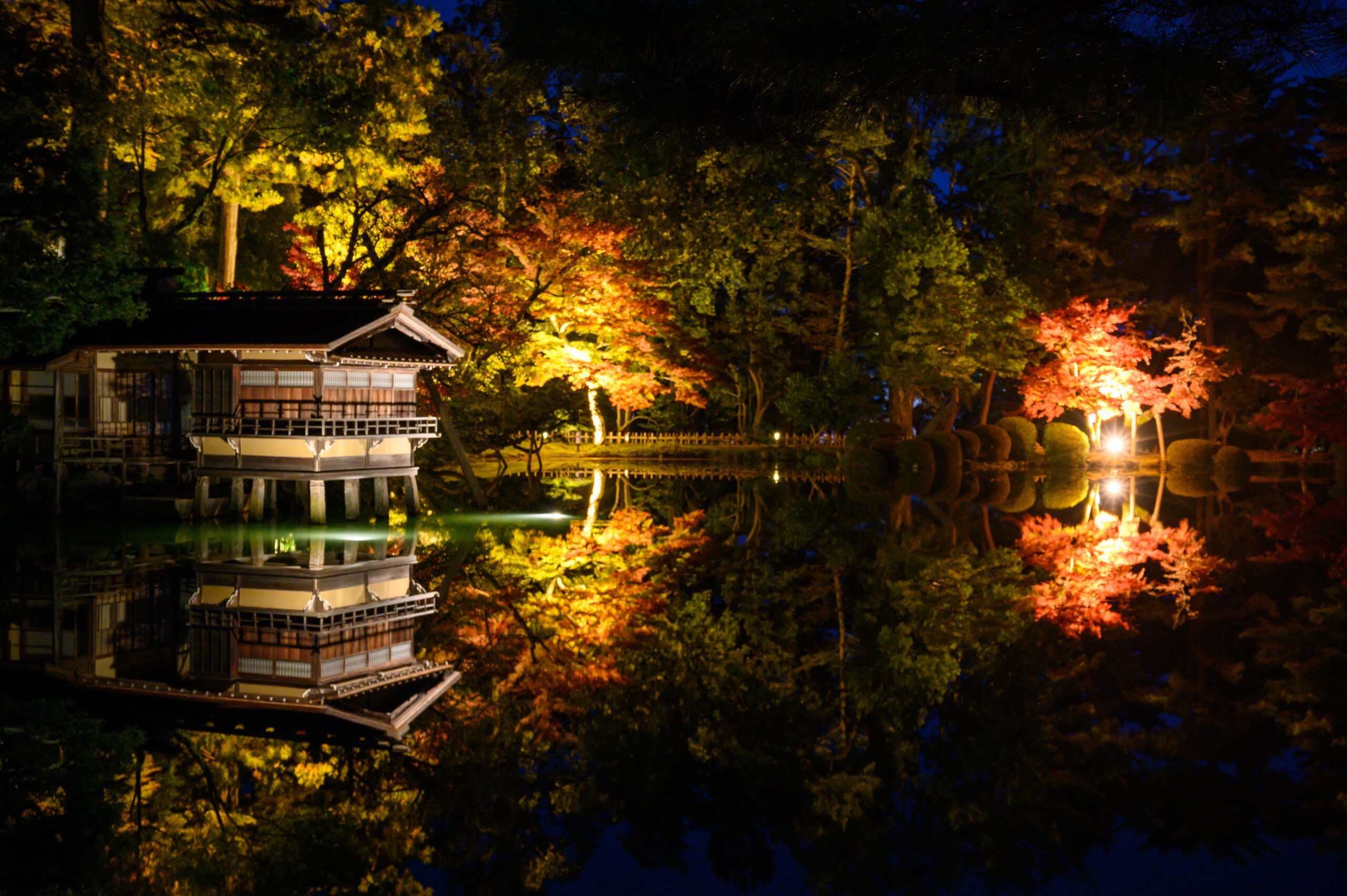
If you visit at night, try to catch the light up events! On June 6th is the “Early Summer Illuminations” event which takes place during Kanzawa’s largest festival, the Kanzawa Hyakumangoku Festival. Entry to Kenrokuen Garden is free of charge at on this particular night, and the colorful lights around the garden reflect on the water in a way that’s truly magical!
Did you know there are cherry blossoms in autumn? Kenrokuen has “October cherry blossoms” that bloom as the weather turns cool, coinciding with the red and gold of Japanese maples throughout the garden park.
October is also when you can catch the autumn “light up” events that emphasize the stunning colors at night!
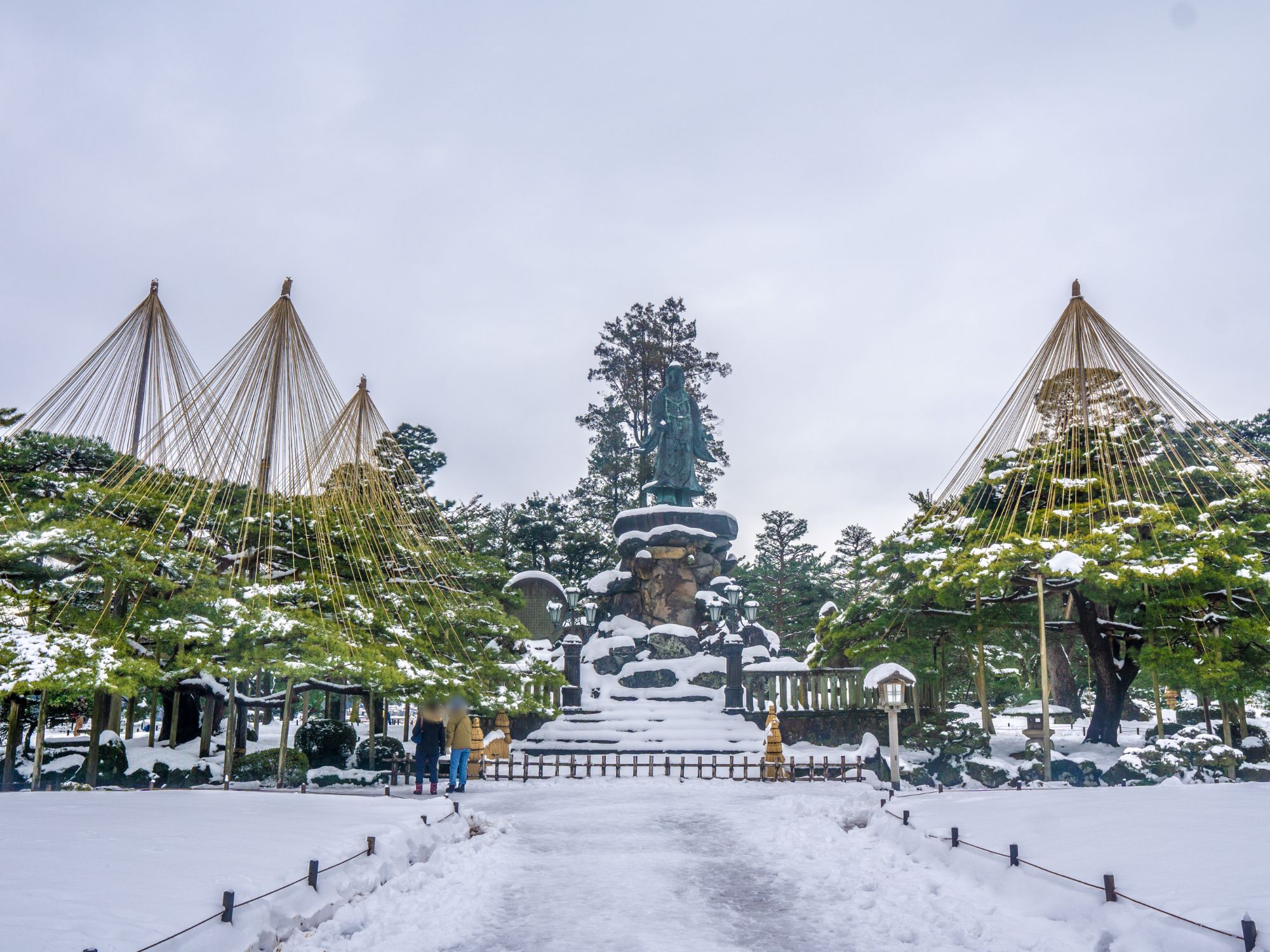
From November until mid-March, Kenrokuen’s massive Karasaki Pine trees are protected from snow damage with yukitsuri: ropes tied to the branches and attached to tall poles to support them under heavy snowfall. The trees are lit up with spotlights at night, making them resemble Christmas trees!
Winter is also an excellent time to bird watch. You’ll find ducks and grebes around Kasumigaike pond, and the bare trees make it easier to see local redstarts and red-flanked bluetails.
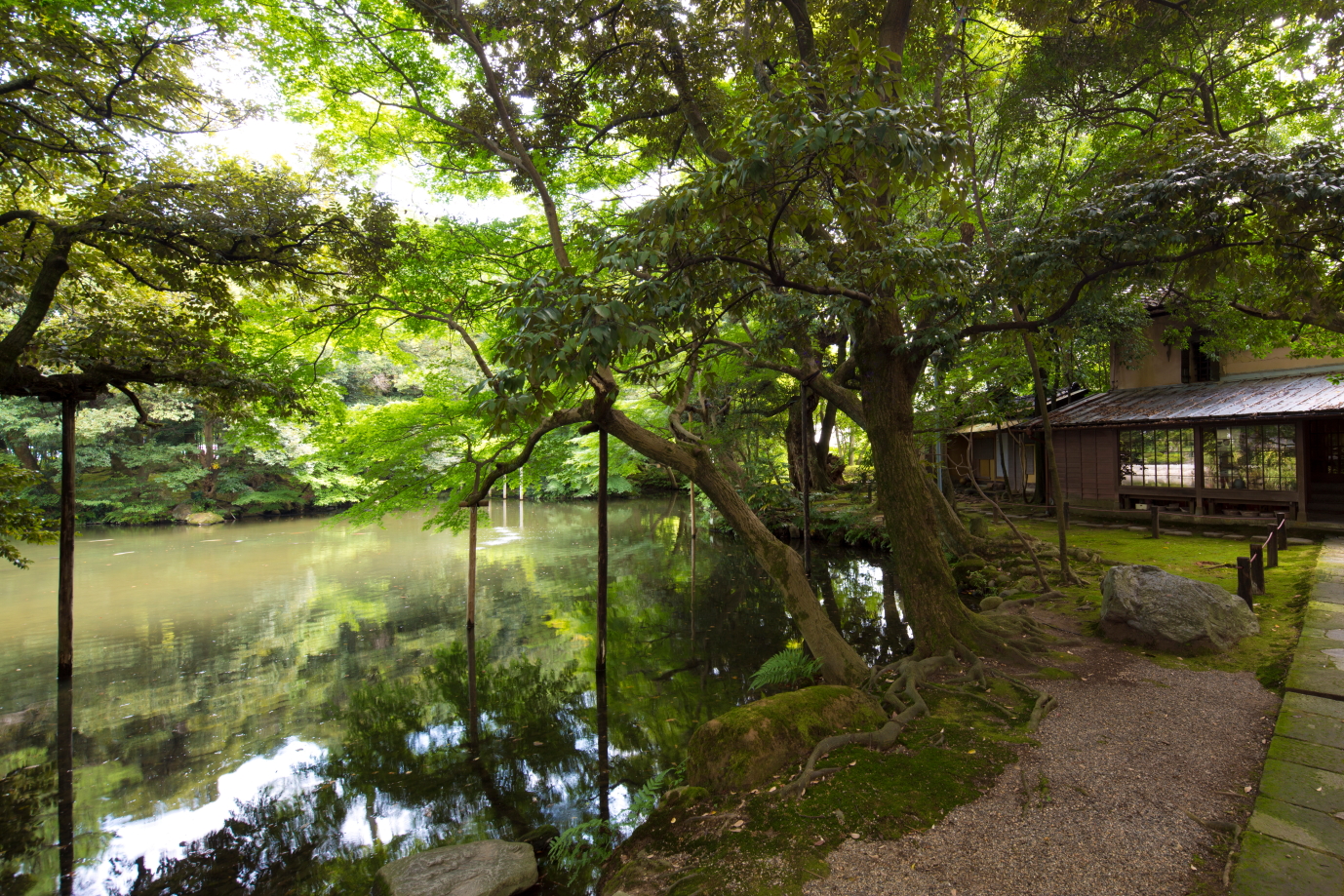
Shofukaku Garden is a strolling garden located next to the Ishikawa Prefectural Museum of Art’s Hirosaka Annex in the Honda Forest. Because of its location, the garden takes advantage of the natural topography of the marshland and forest for a truly immersive experience!
What makes it especially interesting is its age: Shofukaku Garden was established in the early Edo period as the estate of the Honda family, chief retainers of the Kaga clan. It was likely created by Kanamori Kageyoshi, the son of the famous tea master Kanamori Sōwa. The garden has been revised several times over the centuries.
Today it is designated as a Kanazawa City Private Landmark (名勝), and the Shofukaku building and Honda Family Nagamon Gate are National Registered Tangible Cultural Properties. A particularly good time to visit is in summer, when the surrounding trees and large pond offer a cool escape from the heat. Entrance is free.
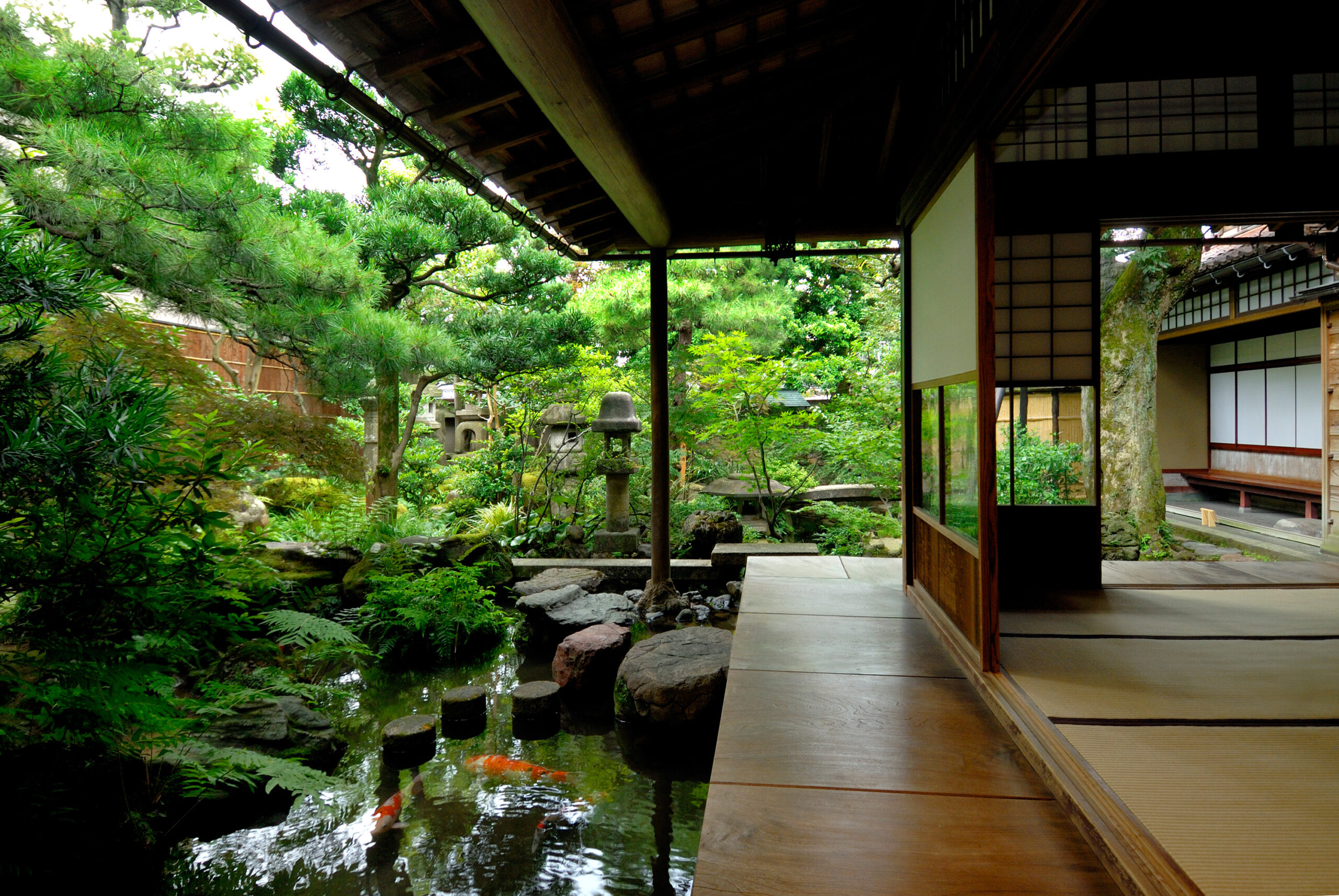
While not a very large strolling garden, the Nomura Samurai House Garden is where you can learn about samurai culture and history while enjoying the traditional wooden architecture of the Nomura family house.
Along with the traditional wooden architecture of the Nomura family home, the garden is also home to a 400-year-old Japanese white peach tree (山桃,yamabotani), which is designated as a preserved tree by Kanazawa City.
The Nomura family lived here from around 1583 to 1871, serving as samurai retainers to the powerful Maeda clan. For 11 generations, they enjoyed considerable wealth, land, and privilege until the feudal land system was abolished.
You can enjoy a cup of matcha tea in the traditional tearoom while admiring the garden, just as the samurai would have hundreds of years ago.
Gyokusen-en is over 400 years old—even older than Kenrokuen!—and was built in the early Edo period. While also a strolling garden, it’s built with various paths circling a central pond and is one of only six Gyokkan-style gardens in Japan. It’s also located just a 5-minute walk from Kenrokuen, so you can visit both on the same day.
As you stroll through the moss and trees, take note of the four central features of a Gyokkan-style garden: two man-made hills, a waterfall, a stone bridge above the waterfall, and a cave above the bridge.
Gyokusen-en Garden is also home to the oldest teahouse in Kanazawa, “Saisetsu-tei.” You can take part in a traditional tea ceremony and make your own bowl of tea! (Reservations are required and can be made by filling out this form here.)
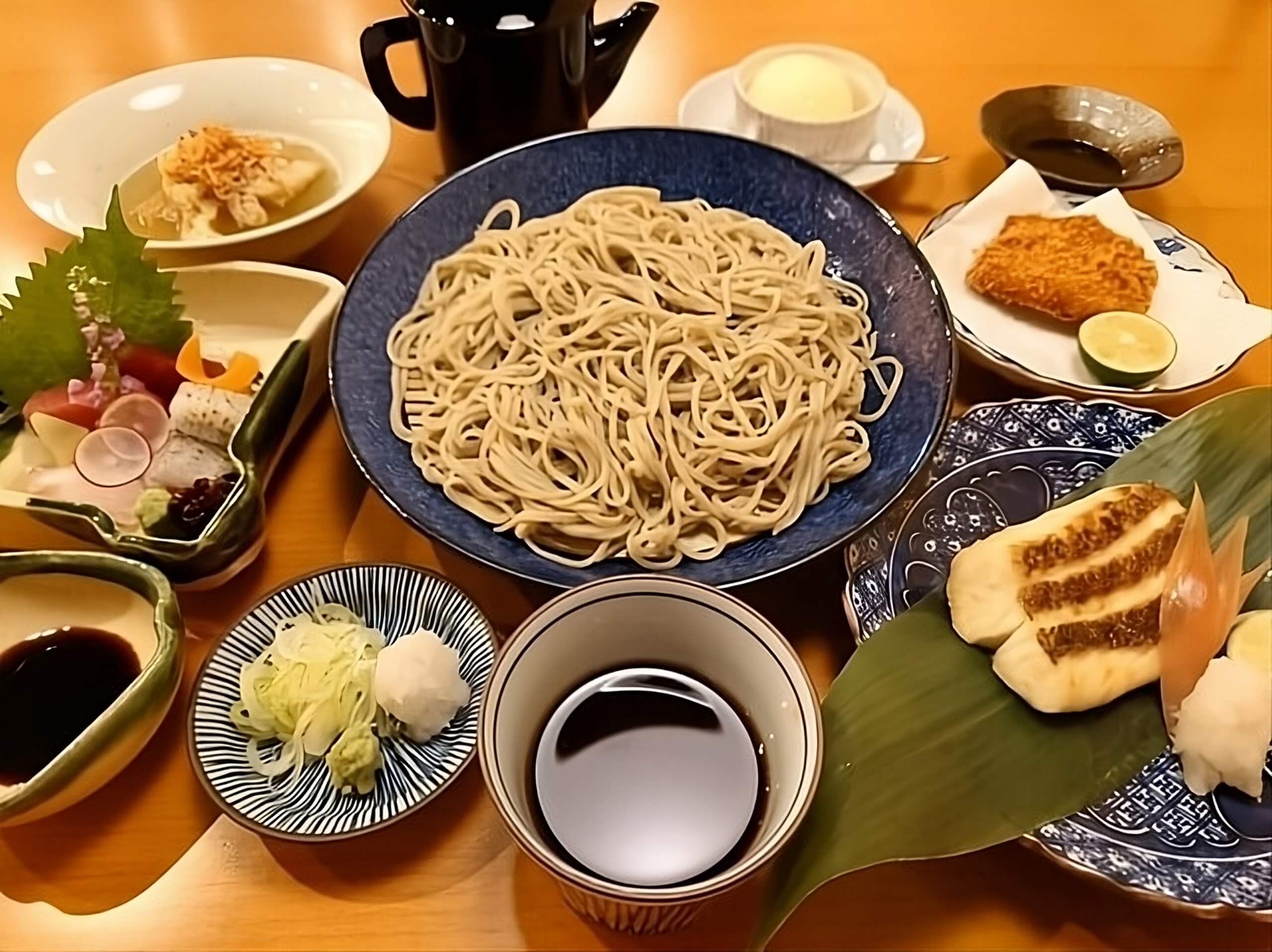
After a visit to Kenrokuen Garden, Kanazawa’s dining scene is well worth exploring. The city has a strong culinary culture built around fresh seafood from the Sea of Japan, regional produce like Kaga vegetables, and high-quality local ingredients.
Whether you’re looking for a traditional kaiseki course, a quiet private dining room, or a teppanyaki grill experience, there are excellent options within reach of the garden. Here are several Kanazawa restaurants to consider for dinner!
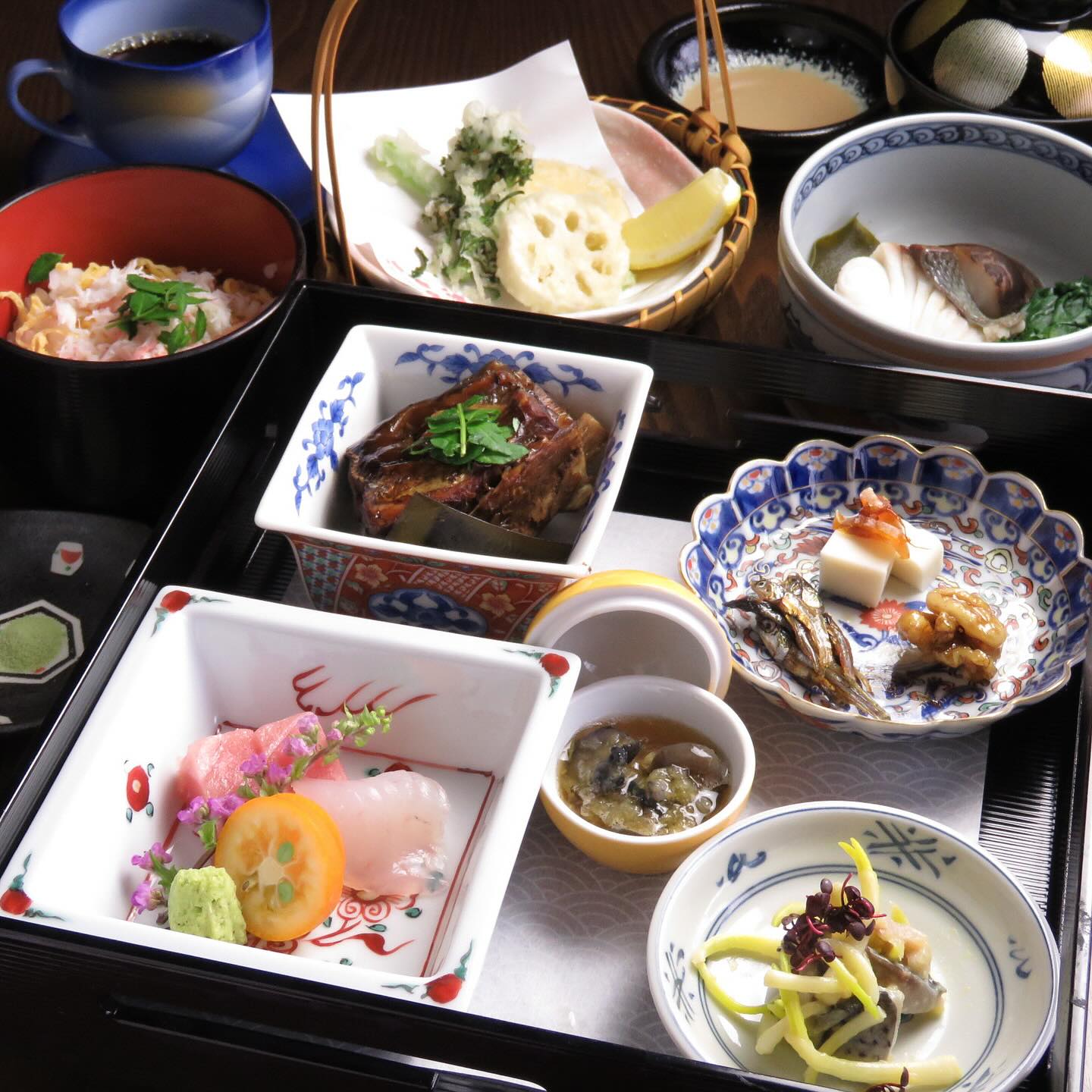
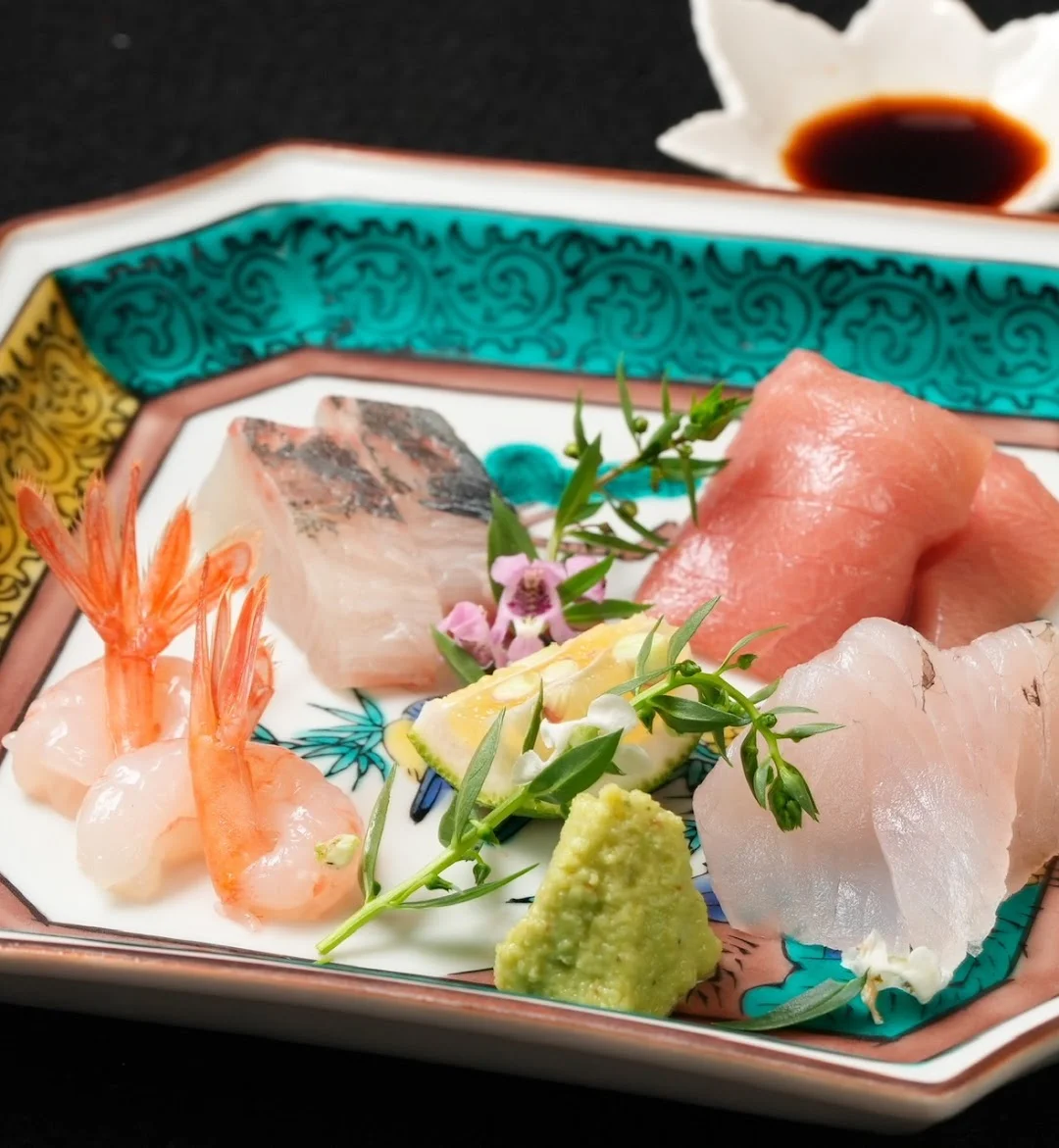
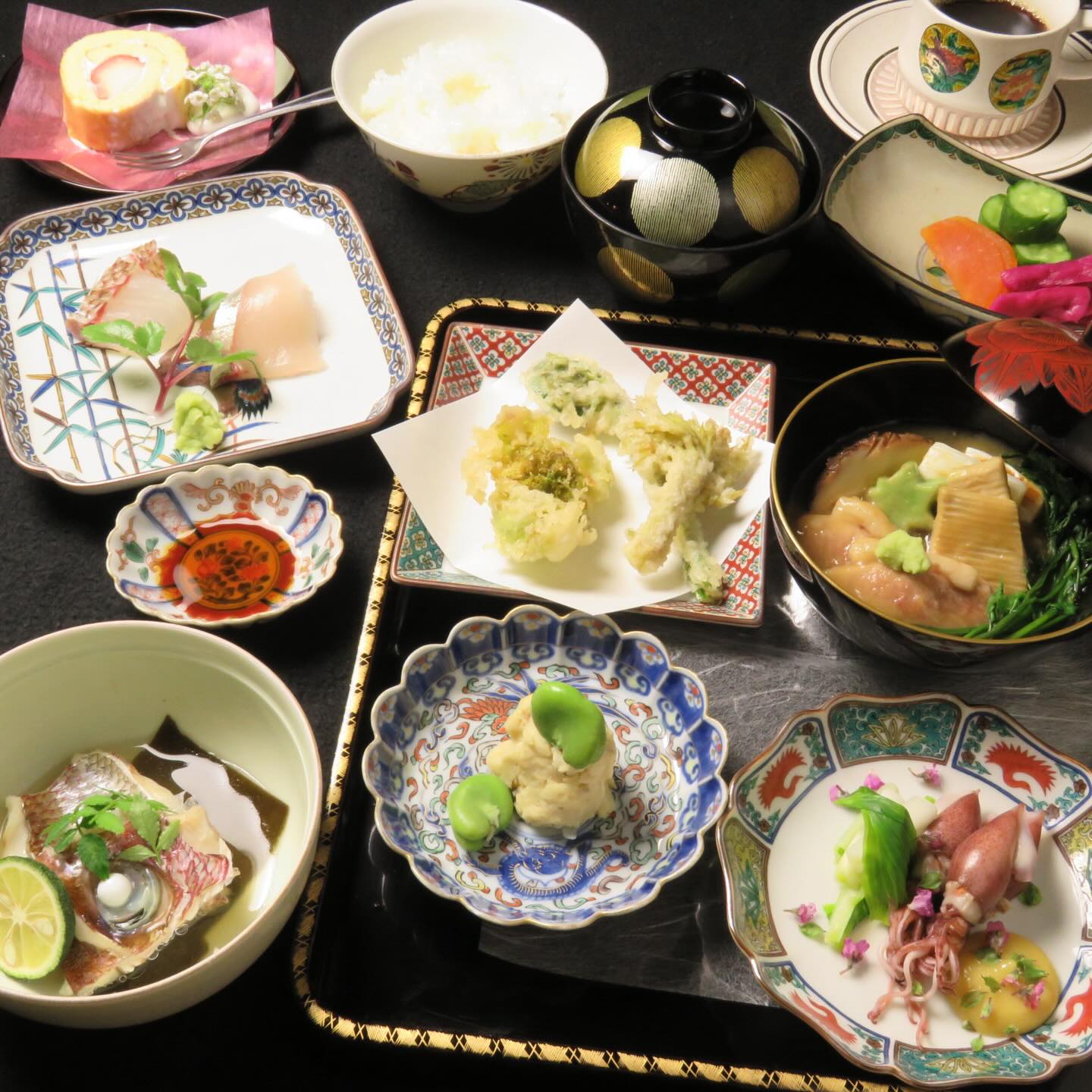
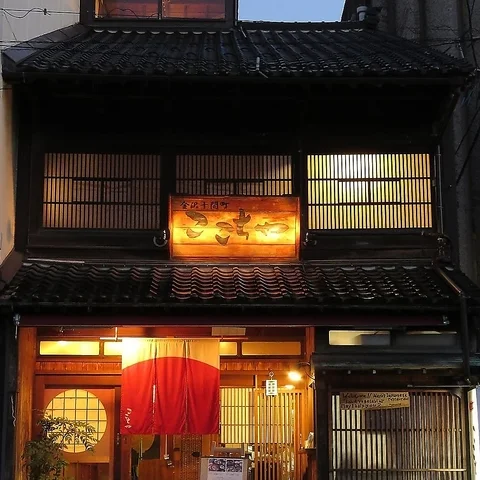
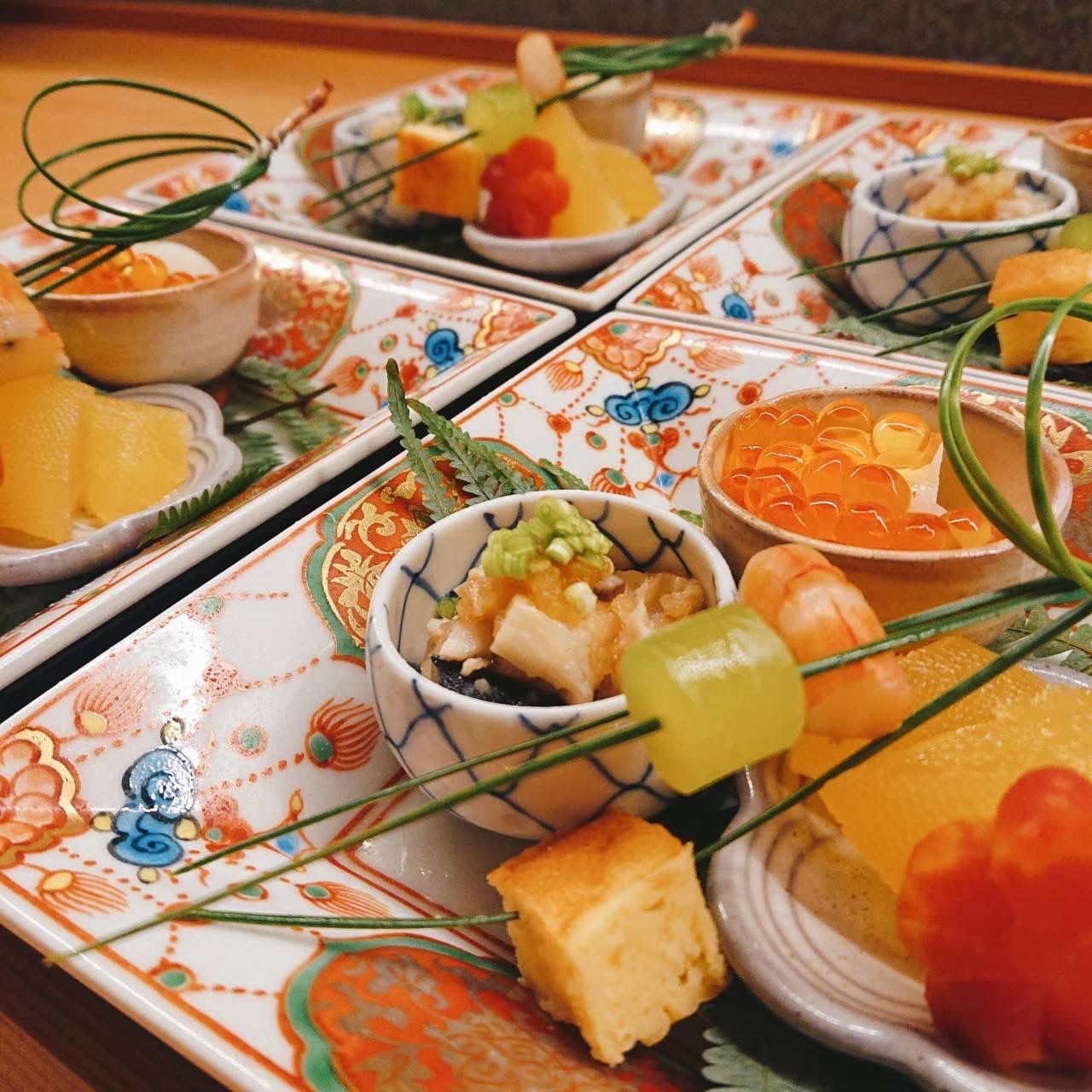
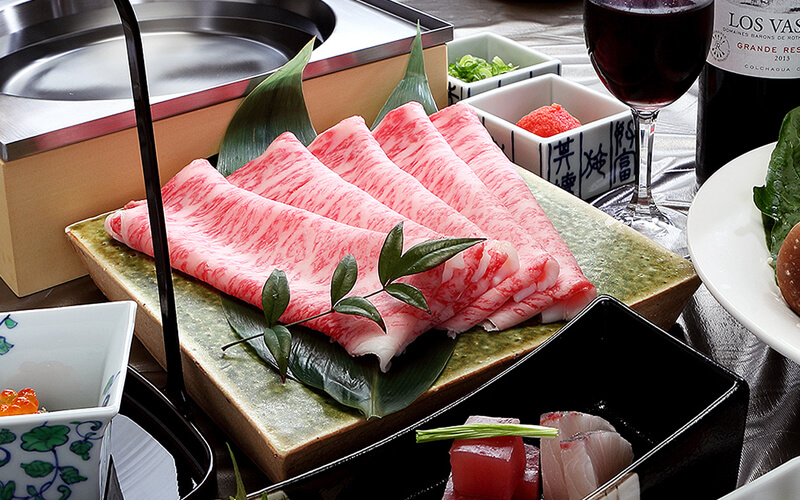
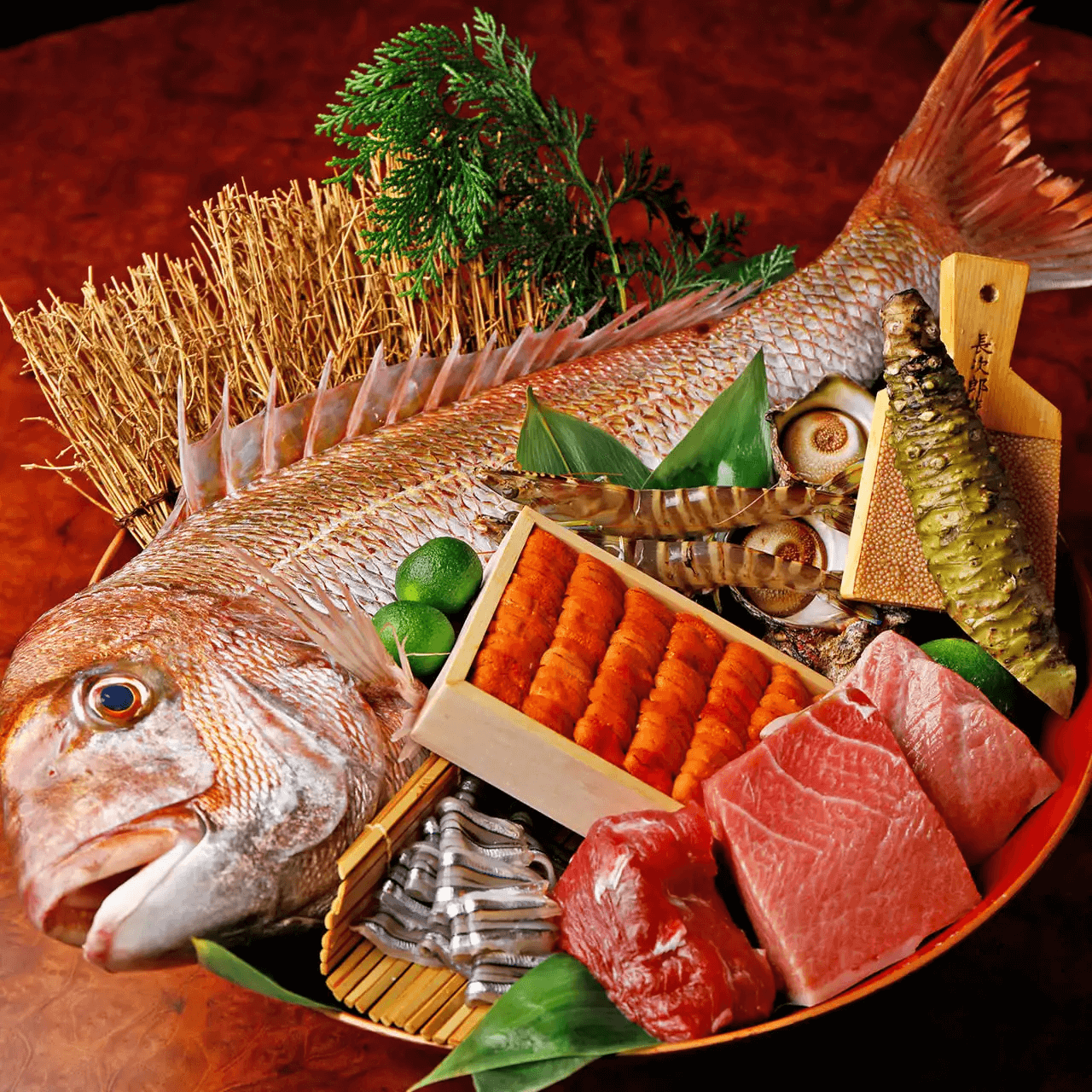
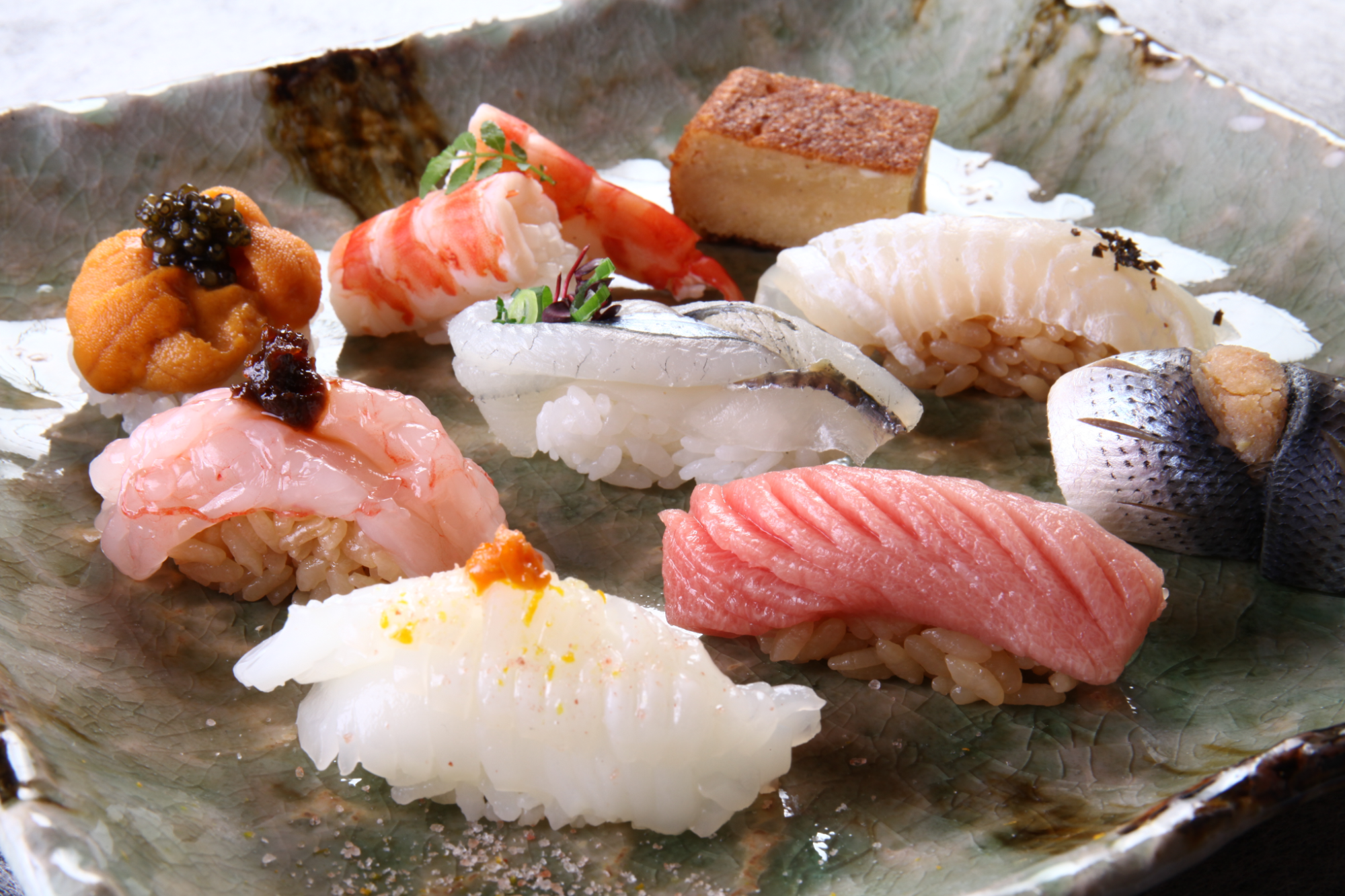
Kokochiya is a refined kaiseki restaurant set in a beautifully restored 1930s machiya townhouse, located right in front of Omicho Market. The restaurant seats guests exclusively in private rooms and takes only 4 reservations per day.
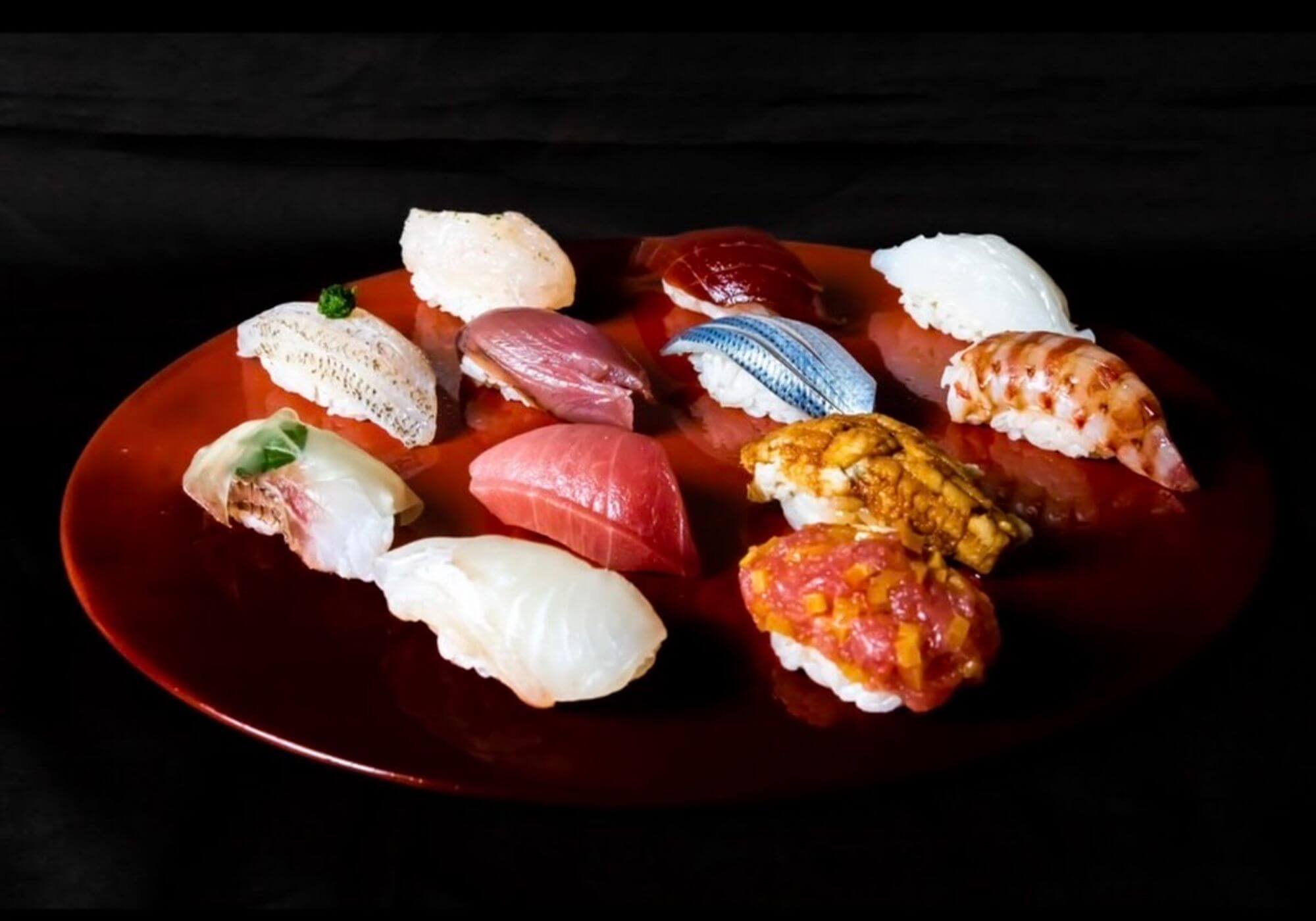
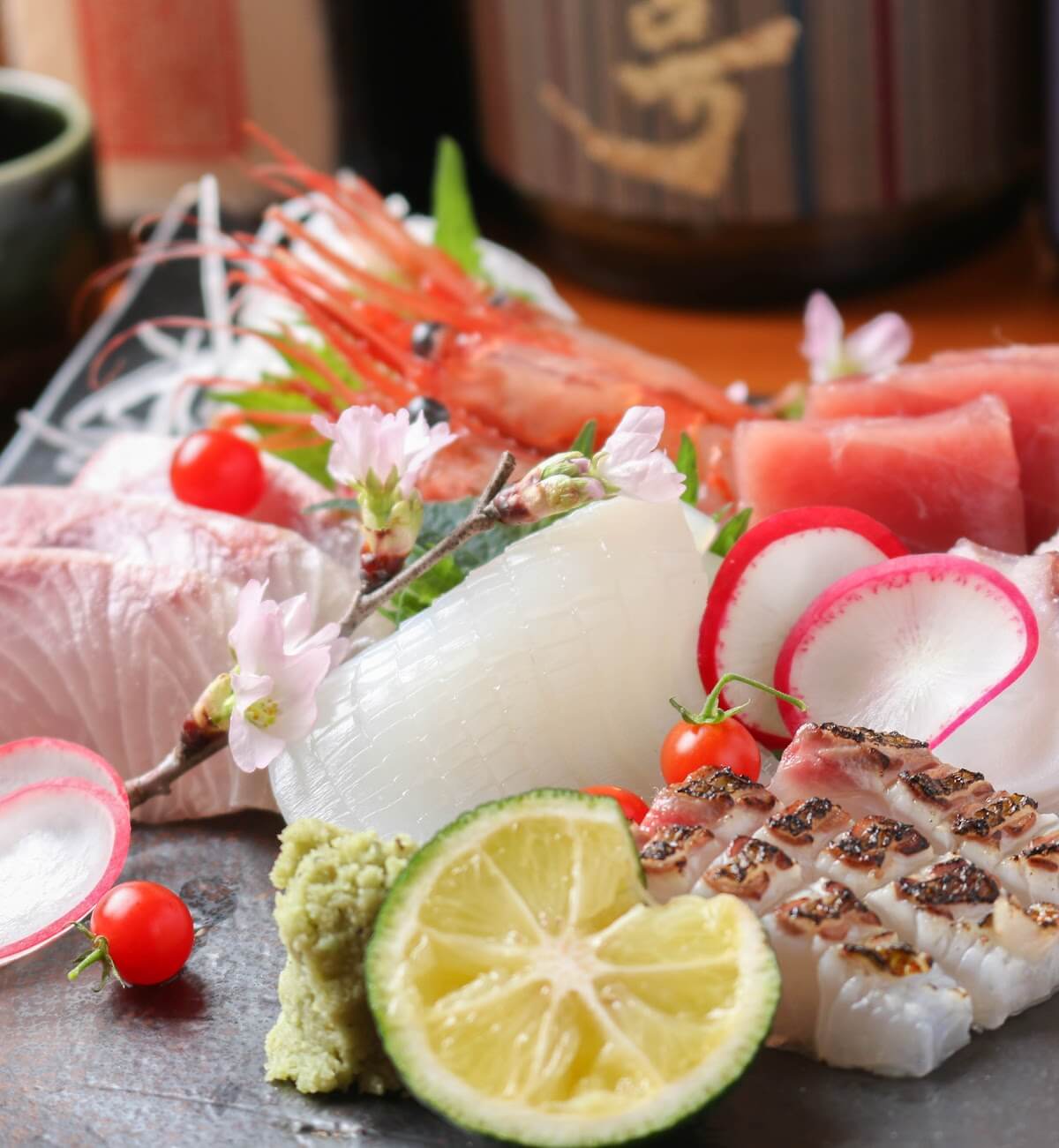
The kitchen sources its ingredients directly from Omicho Market, so the menu shifts with what’s fresh and in season. The 7-course premium kaiseki course (¥11,000 per person) includes assorted sashimi, two seafood dishes, two meat dishes, and nigiri sushi. Families with children are welcome, and à la carte options are available for younger guests. Reservations are required.
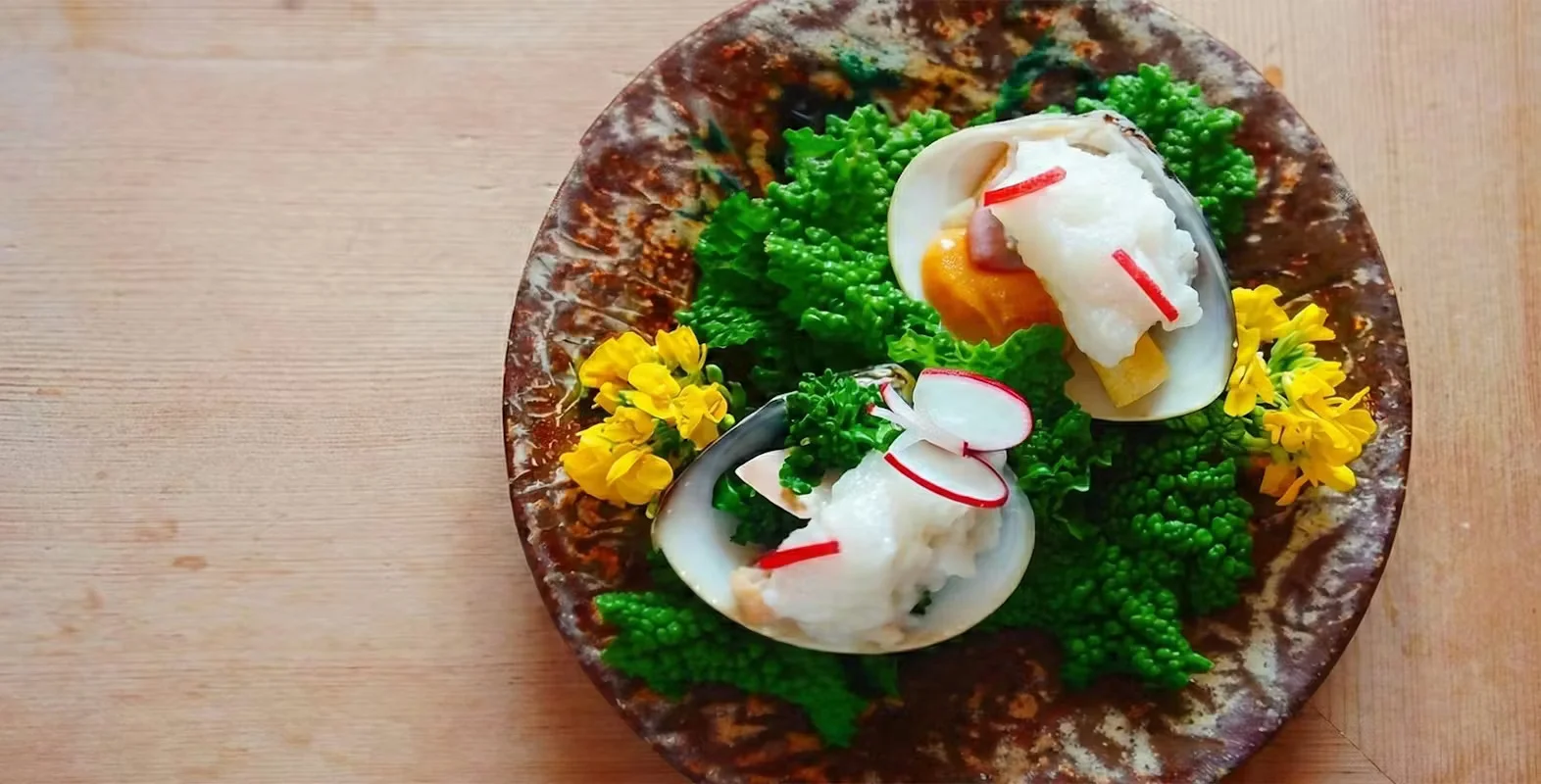
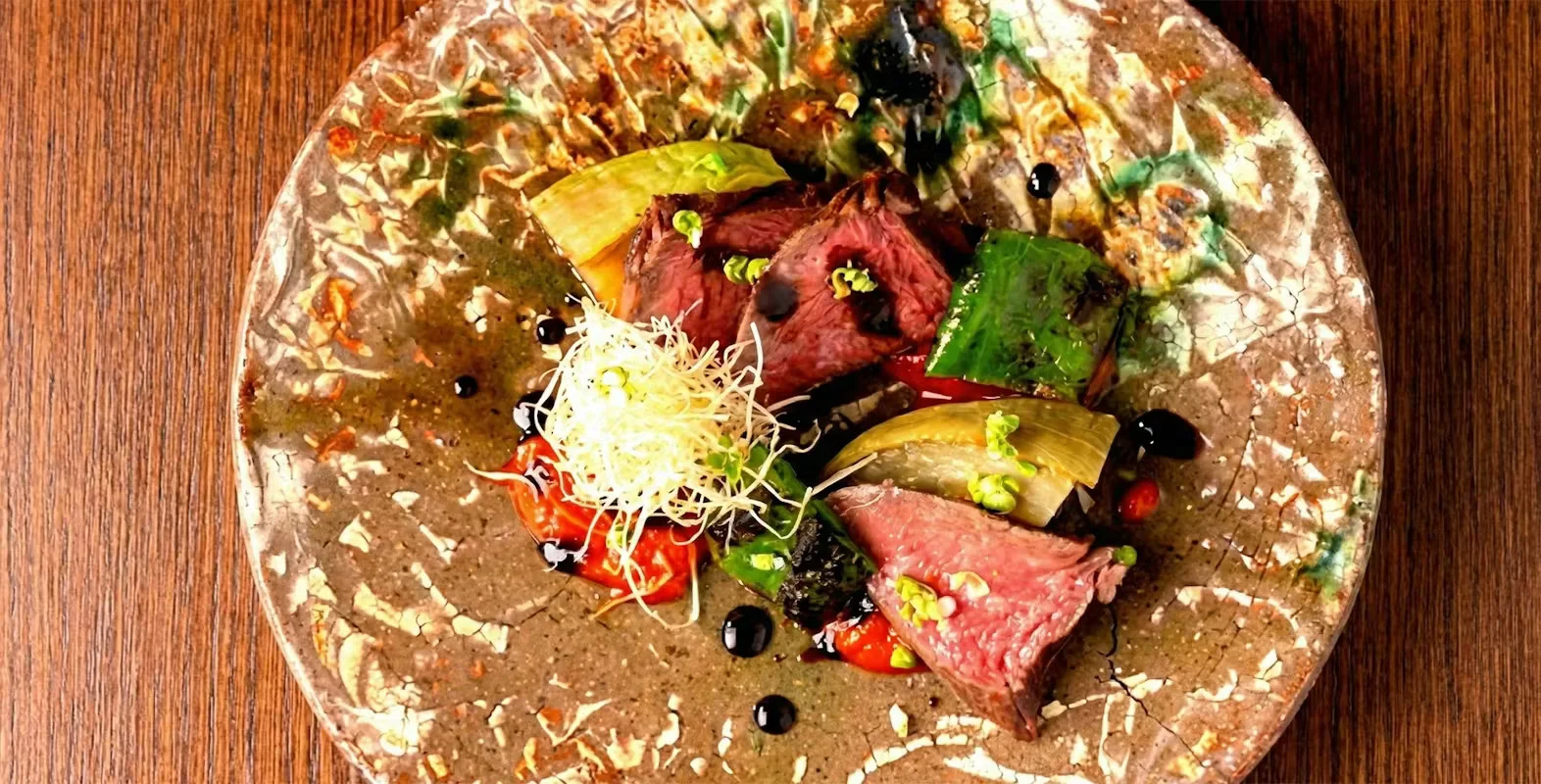
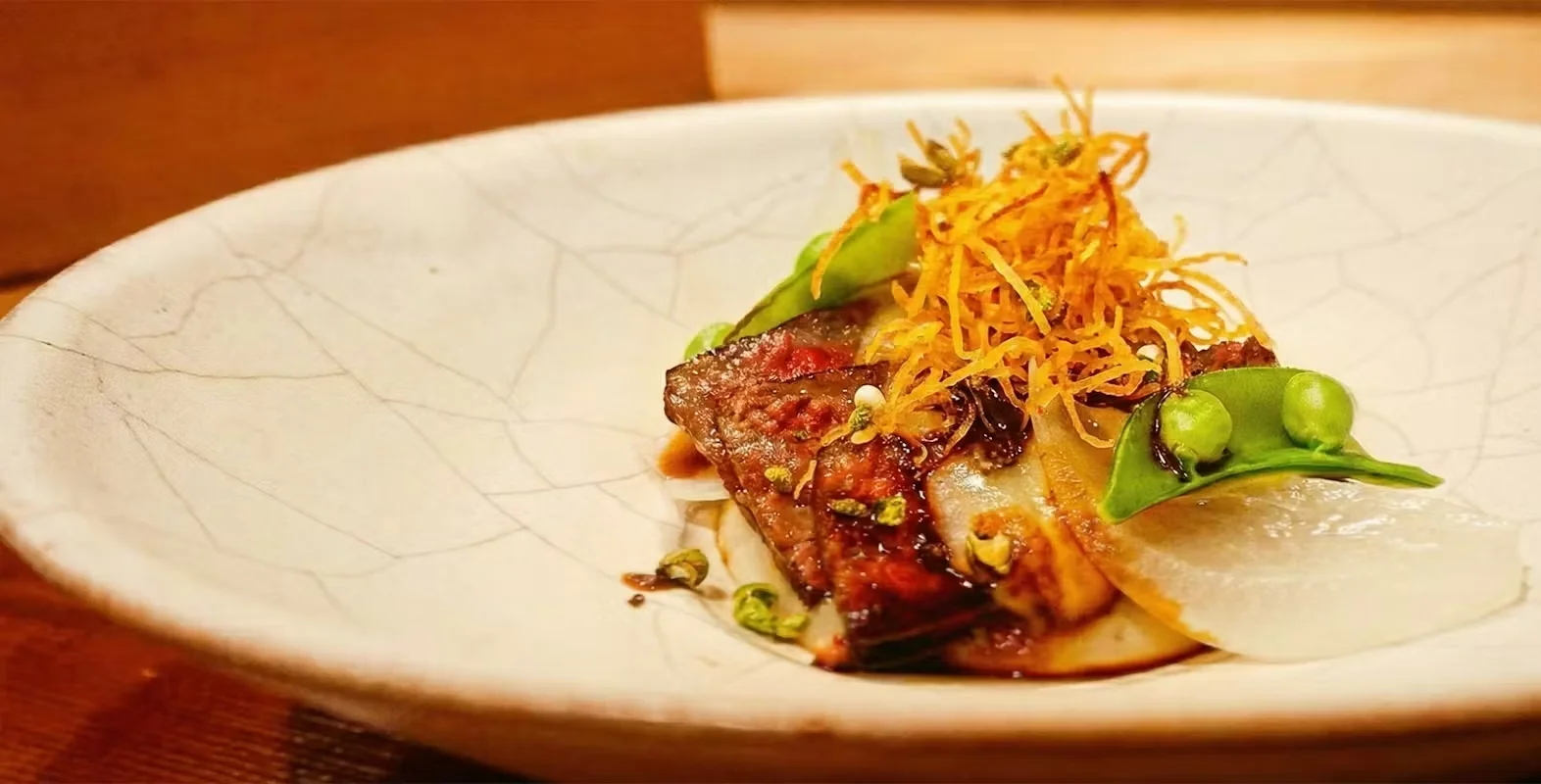
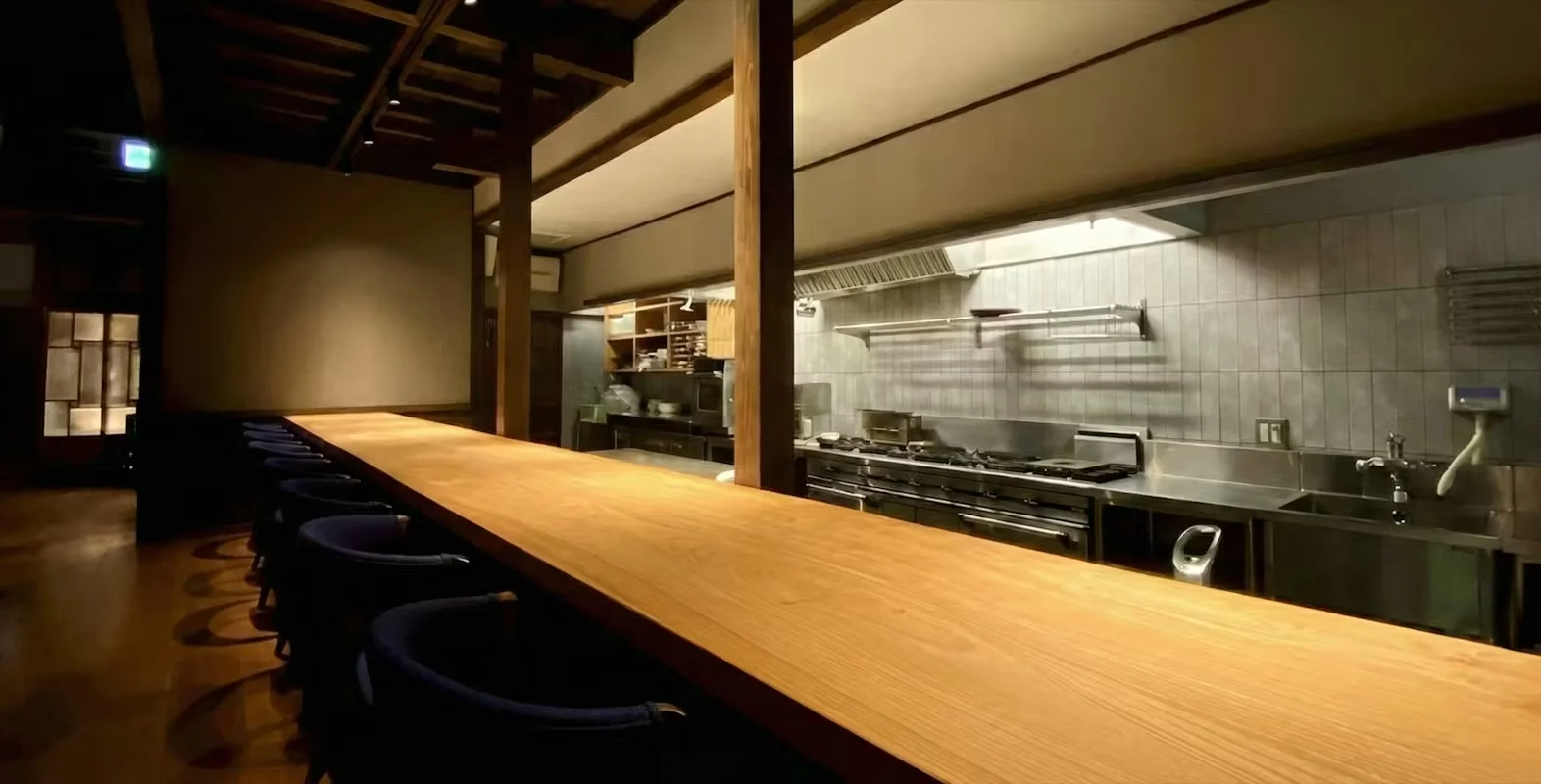
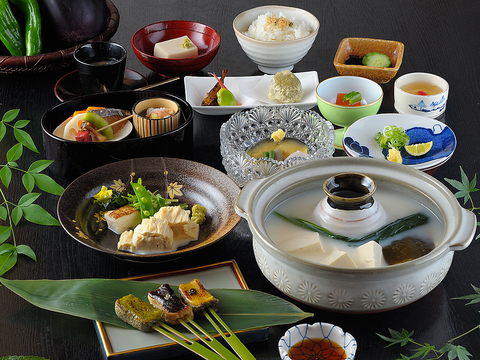
Yashusen opened in 2026 under a chef with over 20 years of experience in Japanese cuisine, who trained primarily in Kyoto before returning to his home prefecture of Ishikawa. The menu follows the concept of shichijuni-ko (the 72 micro-seasons), with each course designed to reflect a specific moment in the season using local Kaga vegetables, wild mountain plants, fresh seafood, and occasionally game.
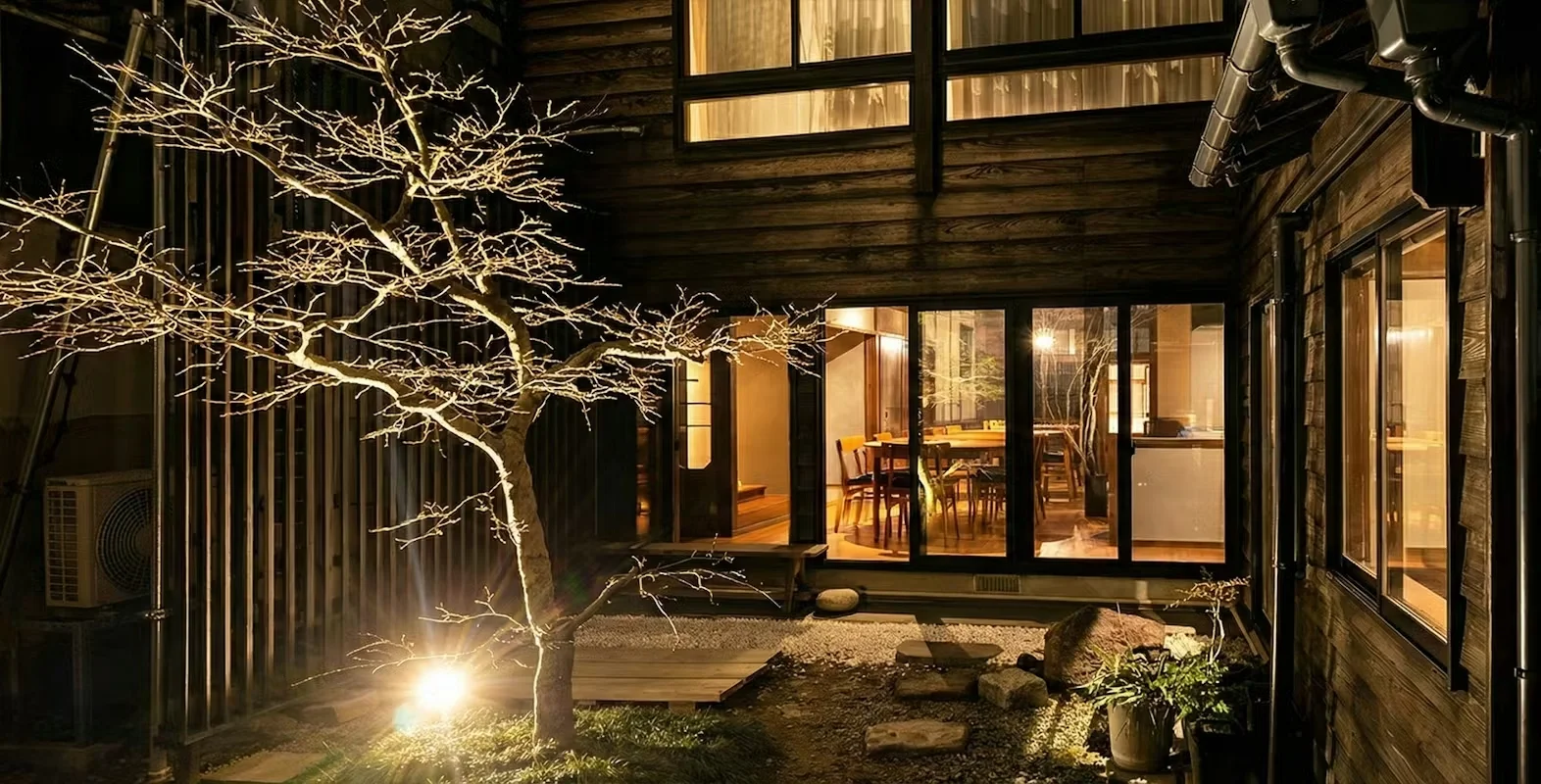
Guests can choose between counter seating with a view of the chef at work or a private room overlooking a garden. The 10-course kaiseki course (¥21,280 per person) includes one drink and finishes with claypot rice and matcha dessert. Note that this restaurant does not accommodate children under 13.
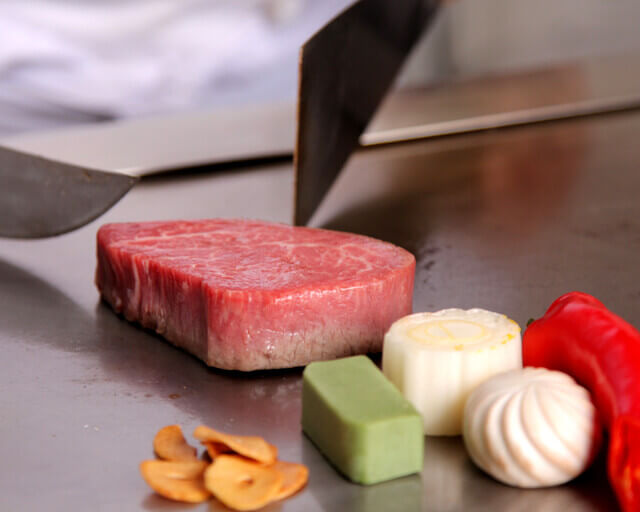
Steak Yu is a teppanyaki restaurant founded in 2018 by a chef trained at one of Kanazawa’s well-known steakhouses. With just eight counter seats, guests can watch each dish being prepared right in front of them.
The specialty is Noto Wagyu beef, a variety from Ishikawa Prefecture known for its fine marbling and difficult to find even within Japan. The 9-course teppanyaki dinner (¥31,500 per person) includes Noto Wagyu tenderloin, Japanese spiny lobster, abalone, and seasonal vegetables, finishing with garlic rice and dessert. Reservations are required. Note that smoking is permitted indoors and guests must be 13 or older.
 ×
×