Winter in Kyoto runs from December through February, and it is one of the quietest and most atmospheric times to visit. Lantern-lit streets in Arashiyama, New Year shrine visits, bean-throwing festivals and the first plum blossoms all fall within these three months.
We’ve gathered our local winter guides into one round-up, so you have all you need to know about winter in Kyoto all in one place for your Japan planning needs.
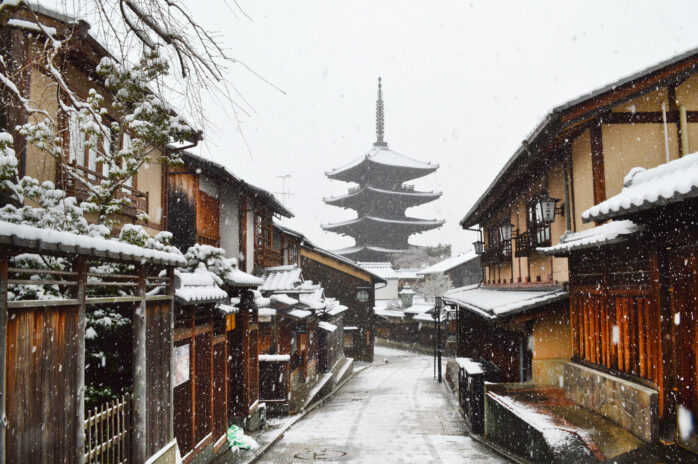
Winter in Kyoto, Month by Month
Kyoto sits among mountains, so it can get cold in the mornings and at night, with averages of around 7℃ in December and 5℃ in January and February. Afternoons feel milder, which makes them the best time to be outdoors if you’re planning on shrine and temple hopping.
| Month | What to expect | Key dates | Full Guide |
| December | The last autumn leaves at Kiyomizu-dera and Kodai-ji early in the month, then lantern-lit Arashiyama, temple night illuminations and the countdown to New Year. | Dec 21 and 25 (final markets), Dec 31 (Okera Mairi) | Kyoto in December |
| January | The coldest month, dry and clear, with Hatsumode and Kyoto’s first festivals of the year. Crowds thin after the first week. | Jan 1–3 (Hatsumode), Jan 8–12 (Toka Ebisu), Jan 11, 2027 (Coming of Age Day) | Kyoto in January |
| February | Still cold at night but milder by day, with Setsubun and the plum blossoms arriving weeks before the cherry blossoms. | Feb 3 (Setsubun), Feb 25 (Baika-sai) | Kyoto in February |
Top Things to Do in Kyoto in Winter
We’ve listed some of our favorite things to do during winter here in Kyoto city:
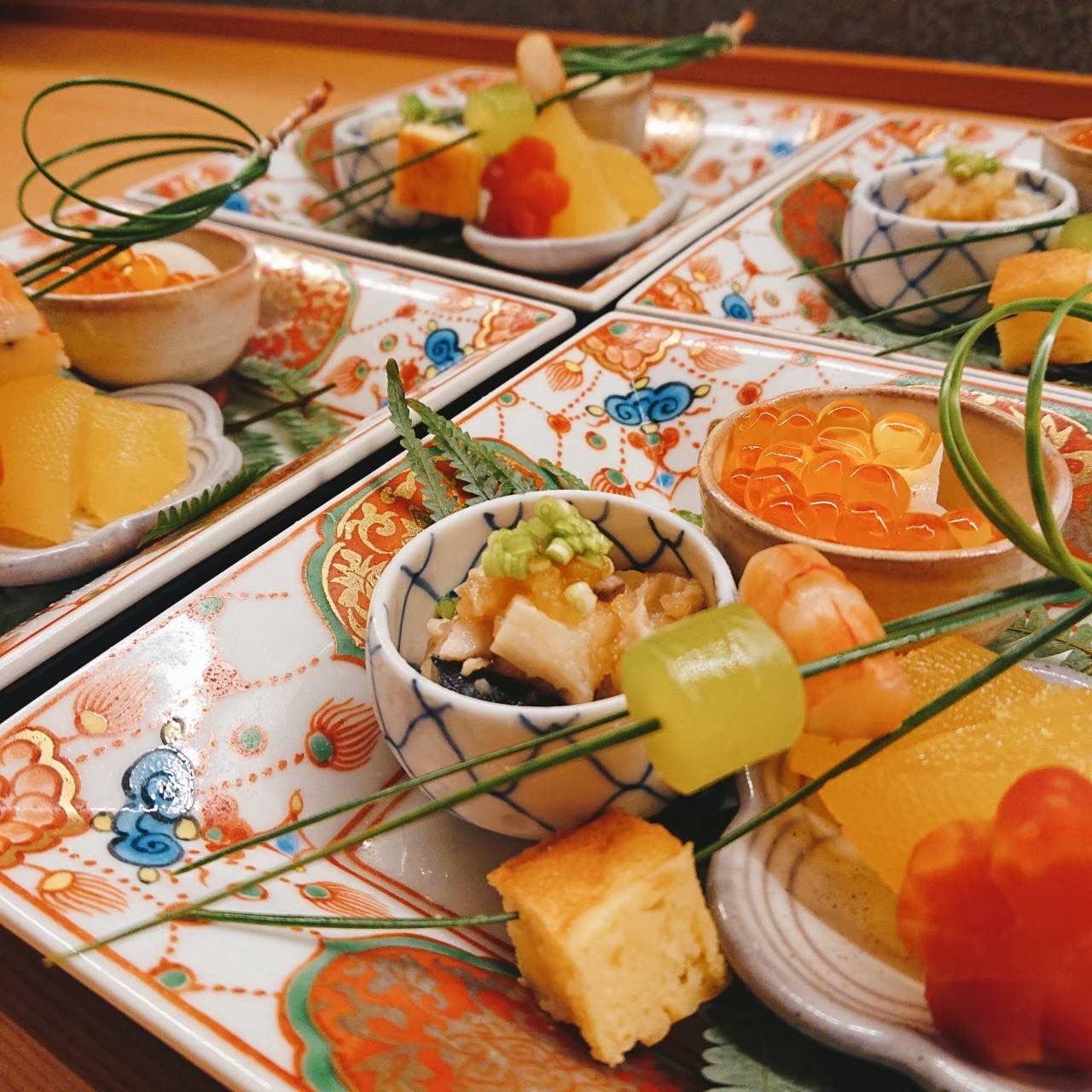
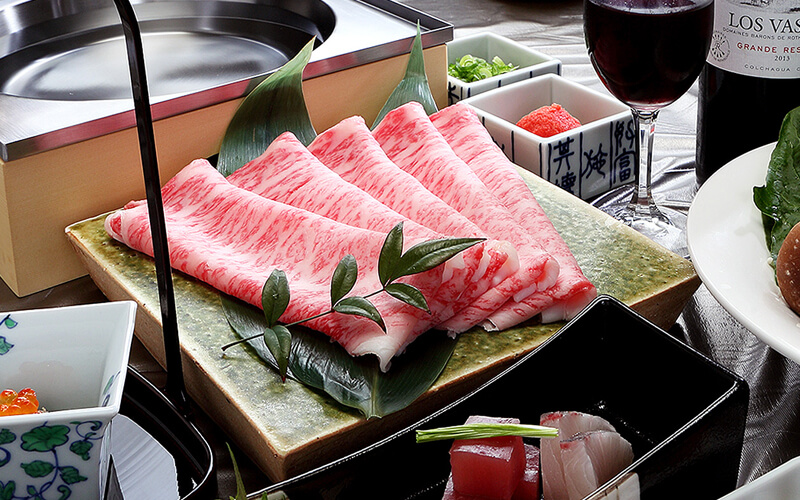
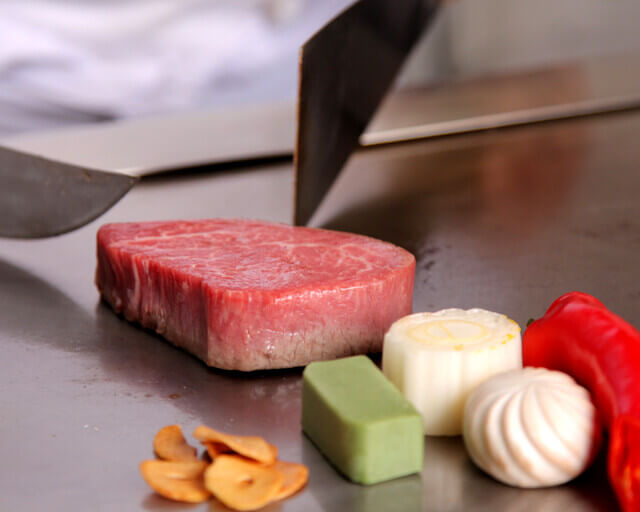
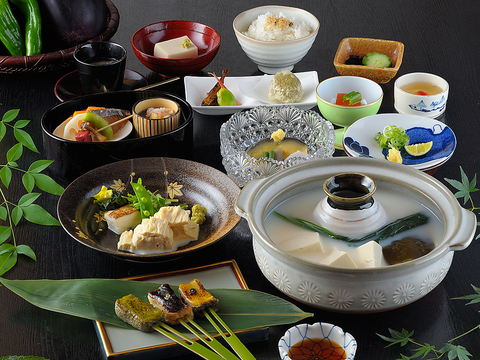
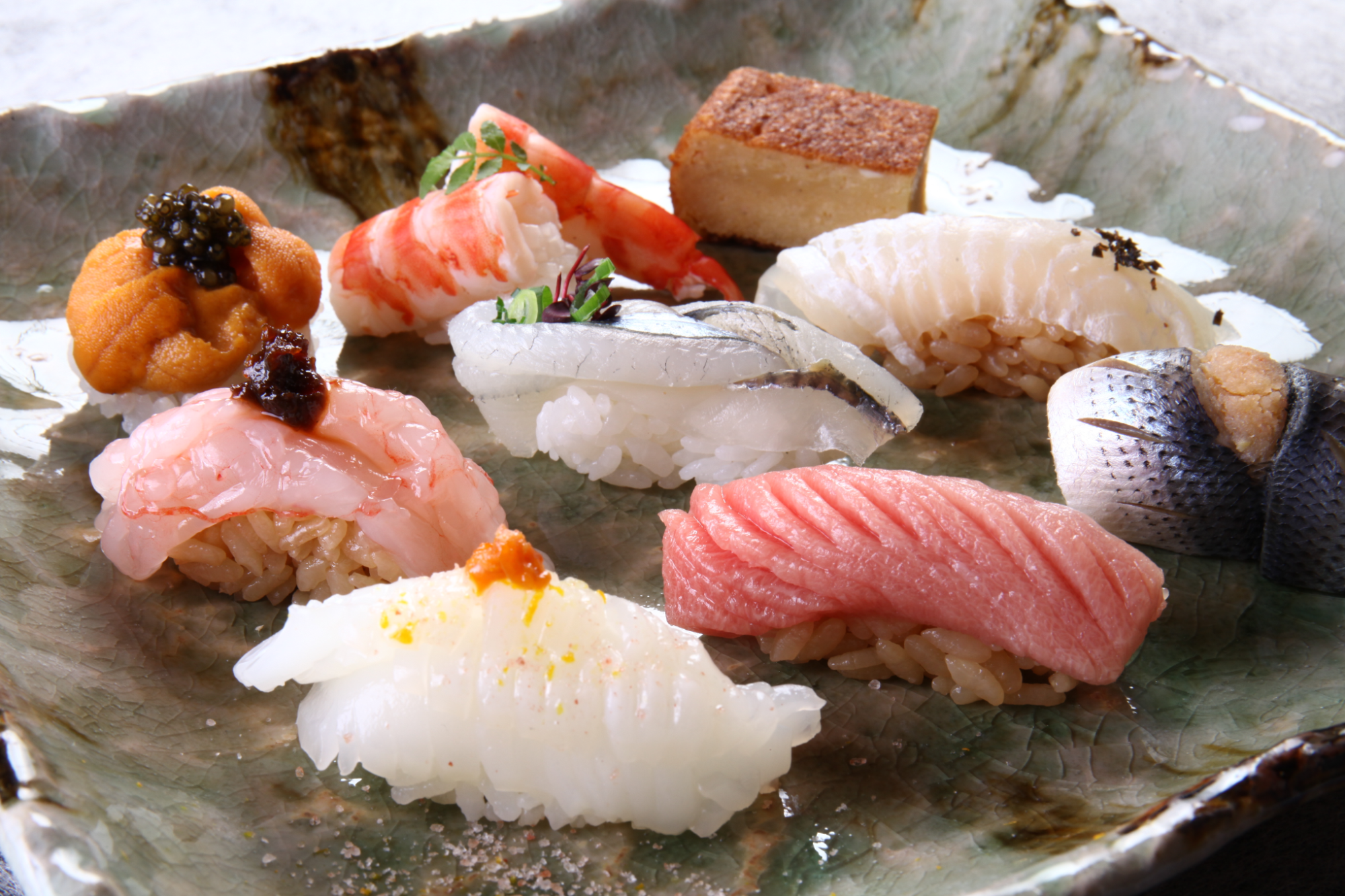
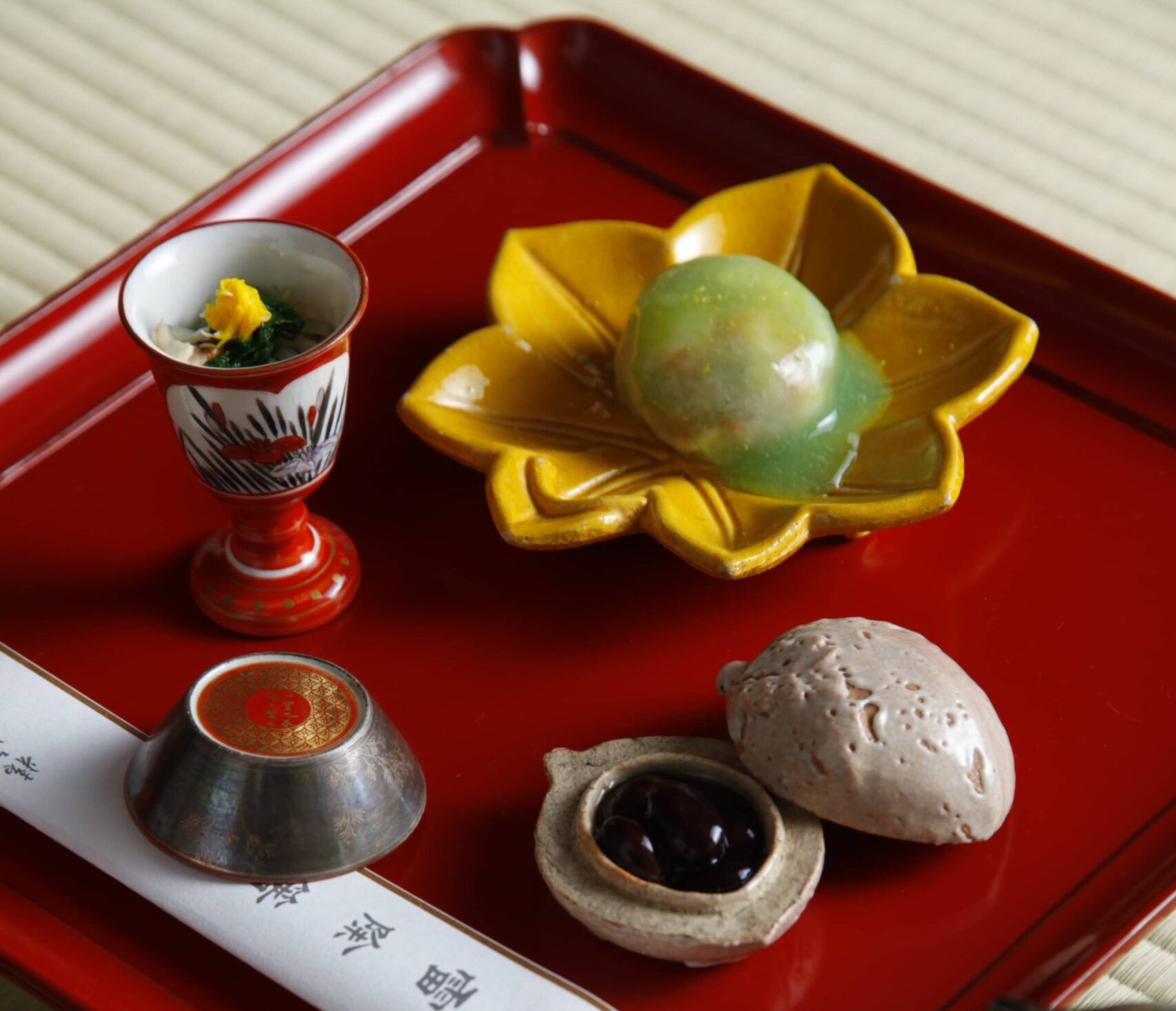
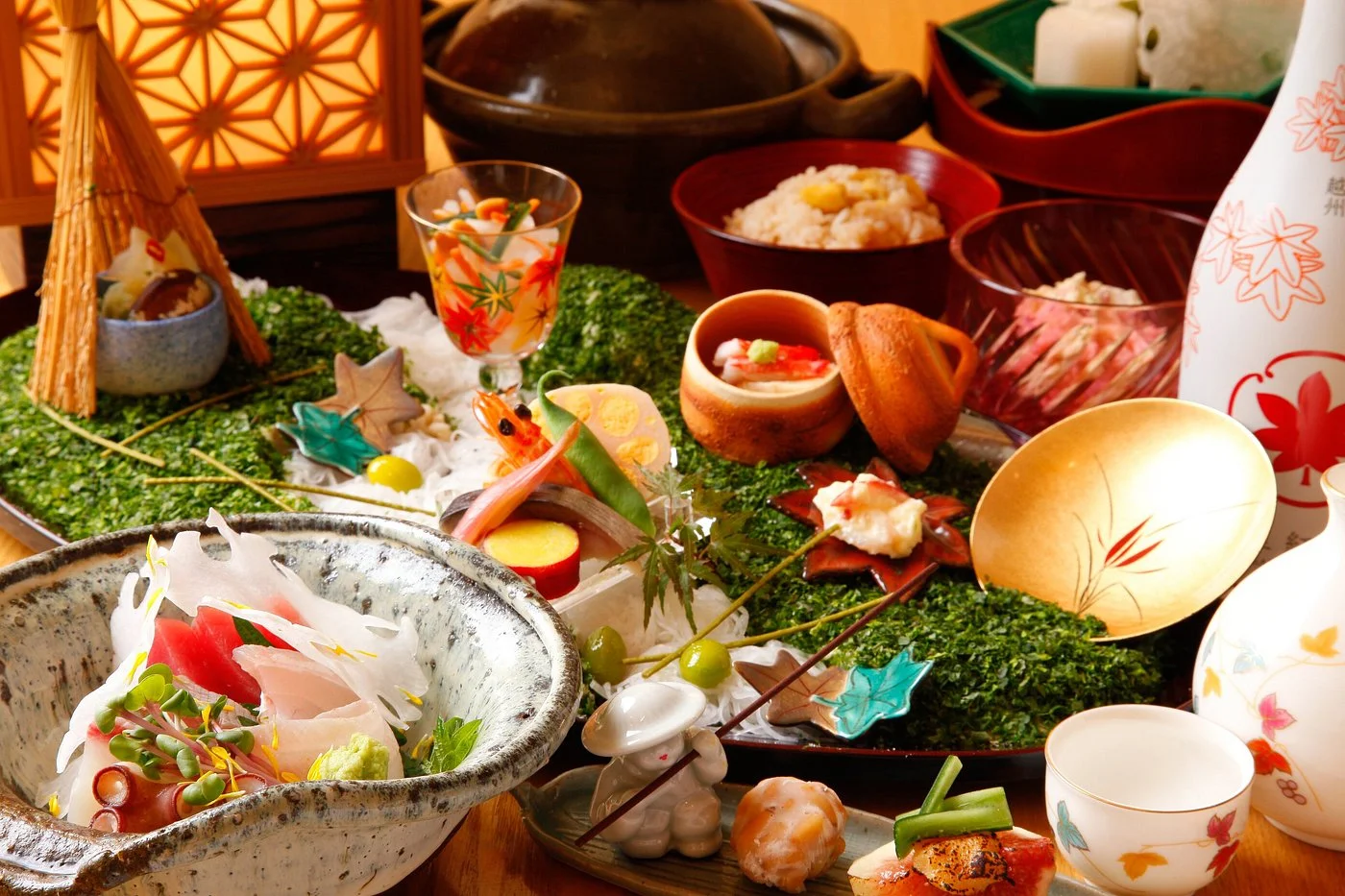
- Warm up with nabe. This hotpot is cooked and eaten right at the table, usually with meat, mushrooms and vegetables. Mochi, oden and sushi are easy to find too.
- Soak at Kurama Onsen. This mountain-village hot spring on the northern edge of the city has open-air baths with views of Mount Kurama. It is tattoo-friendly and has a free shuttle from Kurama Station.
- Duck into a museum. Options include the Kyoto National Museum, Kyoto Railway Museum, Kyoto International Manga Museum, Samurai & Ninja Museum and Kyoto Museum of Crafts and Design.
- Walk the Arashiyama Bamboo Grove. It is magical in winter, and even more so under snow.
- See the plum trees at Kitano Tenmangu. More than 2,000 plum trees fill the grounds of this shrine, which is over 1,000 years old.
- Reflect at Hōsen-in. This temple in Ohara has two gardens and a 700-year-old pine pruned into the shape of Mt. Fuji.
- Visit Kibune Shrine. Its snow-covered lanterns are one of the best-known winter images of Kyoto.
- Pay a visit to Fushimi Inari. Expect crowds around New Year, then stop at the sake breweries in the Fushimi area afterwards.
- Wear a kimono. Shrine and temple visits feel even more special in one, especially around New Year.
Read the full list in Kyoto in Winter: Local Recommendations on Things to Do in Kyoto.
Winter Events Calendar in Kyoto
Kyoto’s winter calendar runs from lantern festivals in December to plum blossom celebrations in late February. Here are the dates worth planning around.
| Date | Event | Where | What to know |
| Early December | Temple night illuminations | Kiyomizu-dera, Kodai-ji | Extended evening hours with the last autumn foliage as a backdrop. |
| December (about 10 days) | Arashiyama Hanatouro | Arashiyama | Thousands of lanterns and ikebana installations; the main route is free. |
| Dec 21 | Shimai Kobo | To-ji Temple | The year’s final Kobo-san market and the biggest of the year. |
| Dec 25 | Shimai Tenjin | Kitano Tenmangu | The year’s final Tenjin market, with a huge range of goods and snacks. |
| Dec 31 | Okera Mairi | Yasaka Shrine | A fire ritual to ward off the previous year’s bad luck. |
| Jan 1–3 | Hatsumode | Shrines citywide | The first shrine visit of the year; crowds peak around midnight and New Year’s Day. |
| Jan 8–12 | Toka Ebisu | Kyoto Ebisu Shrine | Kyoto’s first festival of the year, honoring the god of prosperity. |
| Jan 11, 2027 | Coming of Age Day | Heian Jingu and shrines citywide | Young adults in formal kimono; shrines are busier than usual. |
| Jan 21 and 25 | Hatsu Kobo and Hatsu Tenjin | To-ji, Kitano Tenmangu | The first flea markets of the year, with antiques, kimono and street food. |
| Feb 3 | Setsubun | Yoshida Shrine, Yasaka Shrine, Mibu-dera, Fushimi Inari | Bean-throwing ceremonies to drive away bad luck. |
| Feb 25 | Baika-sai | Kitano Tenmangu | Outdoor tea served by maiko and geiko among the plum blossoms. |
The Kyoto Winter Special Openings program is also worth checking. It opens temples and cultural sites that are normally closed to visitors for a limited time, and the lineup changes each year.
For more detail, see Things to Do in Kyoto: Winter Events in Kyoto.
Hatsumode: Your First Shrine Visit of the Year
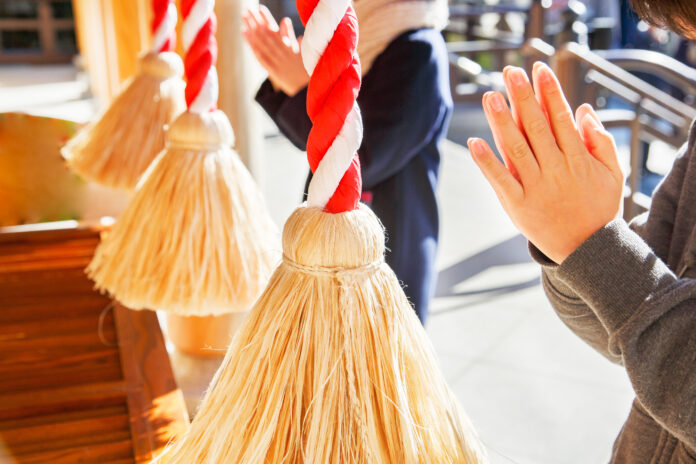
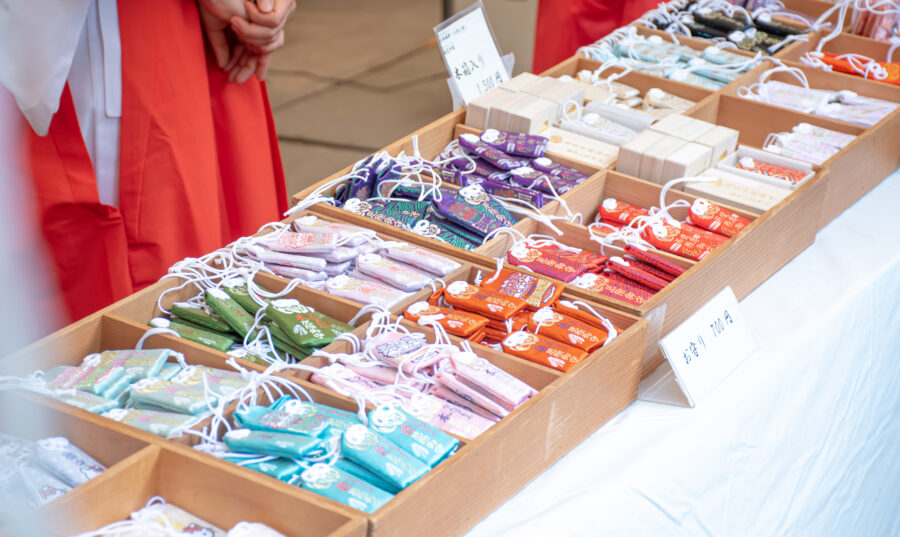
Hatsumode is the first shrine visit of the new year, when people give thanks for the past year and pray for good luck ahead. Many visitors buy lucky charms and omikuji (fortune slips) while they are there.
The best-known shrines, such as Yasaka, Fushimi Inari, Kitano Tenmangu, Shimogamo and Kamigamo, get very busy. For a calmer visit, try one of these quieter options:
- Ōharano Shrine: vermilion buildings in the southwest, with deer motifs on its charms and omikuji.
- Mikami Shrine: Japan’s only hair shrine, with scissor- and comb-shaped charms.
- Kawai Shrine: part of the Shimogamo complex and dedicated to beauty, with hand-mirror-shaped prayer plaques you decorate yourself.
- Kamigamo Shrine: typically peaceful, with a small coffee shop on the grounds that brews with sacred spring water.
- Ōta Shrine: a quiet branch of Kamigamo, with a pleasant stroll along the Myojin River.
A good rule of thumb is to visit the popular sites in the morning and the smaller ones in the afternoon.
Find addresses and maps in New Year in Kyoto: Best Shrines for Hatsumode Off The Beaten Path.
Planning Around Holidays and Crowds
A little preparation makes winter travel in Kyoto much smoother:
- New Year closures. Many small restaurants, shops and some museums close from about December 29 or 30 through January 3. Hotels, department stores and major sights usually stay open, so check hours and book New Year’s Eve dinner early.
- Busy transport. December 28–30 and January 2–4 are among the busiest travel days in Japan. Reserve Shinkansen seats ahead.
- Early booking. Hotels and private machiya fill up well before New Year.
- Midnight crowds. Expect crowds at Yasaka Shrine around midnight on December 31.
- Coming of Age Day (January 11, 2027). Shrines are busier than usual, and this is a personal milestone for those celebrating, not a photo opportunity.
- Setsubun (February 3, 2027). It is not a public holiday, but popular shrines draw big crowds, so arrive early.
- Quieter windows. Early December for the last autumn leaves, the second half of January, and most of February.
Pack layers, a warm coat, a hat and gloves, especially for early-morning shrine visits and evening illuminations.
Planning Your Trip to Visit Kyoto in Winter
A traditional machiya townhouse is a cozy base for a Kyoto winter, with the city on your doorstep and a warm retreat to come home to. MACHIYA RESIDENCE INN KYOTO offers over 60 private machiya holiday homes, and MACHIYA INNS & HOTELS has properties in Kyoto, Kanazawa and Takayama.
Book at least 60 days ahead or stay 3 or more nights to see special rates on our offers page, available exclusively through our official website.