Japan’s shrines and temples attract countless tourists and locals daily. As a first-time visitor, you may assume that a shrine is the same as a temple and vice versa. But there are several differences that set them apart. In short, shrines are Shinto places of worship, while temples are Buddhist.
How do you know when you’re looking at a shrine or a temple? And what rules of etiquette should you follow during your visit?
What is a Japanese Shrine?
Japanese shrines are believed to contain one or multiple kami: deities or spirits living in trees, animals, and other elements of the natural world.
Japanese shrines are important to followers of Shinto (“the way of the kami”), the country’s native religion. People visit shrines to pay respect to kami, connect to their spiritual side, and ask for guidance.
What is a Japanese Temple?
Japanese temples are dedicated to Buddhism, a common religion since it reached Japan in the 6th century. Buddhism has three main branches: Theravada, Mahayana, and Vajrayana. Most Japanese Buddhists follow the Mahayana branch, which includes sects such as Zen Buddhism and Pure Land Buddhism.
Funerals and memorials are common at Japanese temples. Shrines, by contrast, are more often visited for weddings, festivals, and blessings for newborns. Visitors may wish for good luck or try to find peace during difficult periods.
How Can You Tell a Japanese Shrine and Temple Apart?
Japanese shrines and temples have several major differences.
Entrances
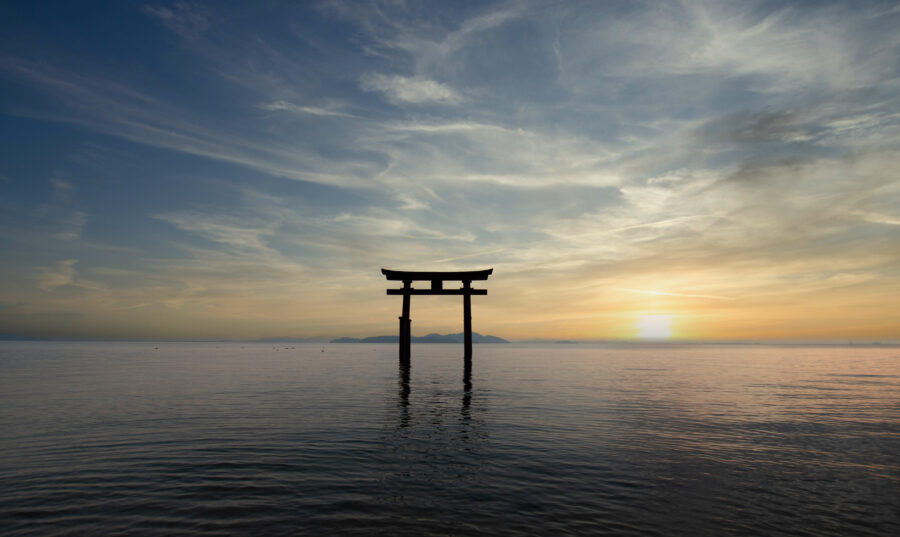
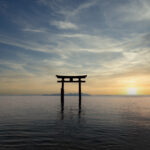
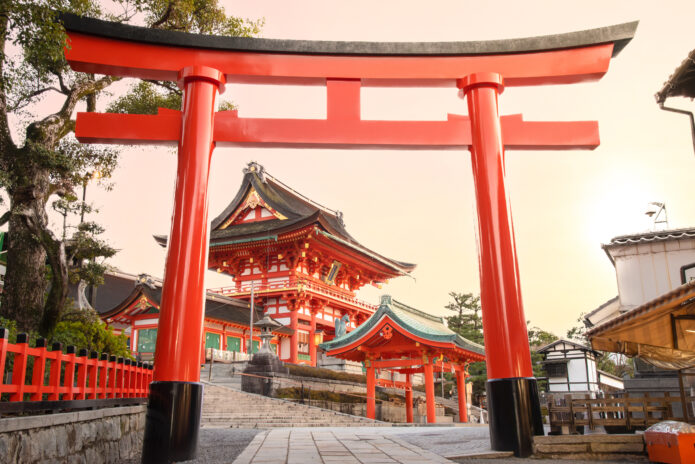
Shrines feature a large torii entrance gate. A torii gate is a traditional Japanese structure with two vertical columns and two horizontal bars across the top. Torii gates are often red and tall, although some are left as unpainted wood or made of stone.
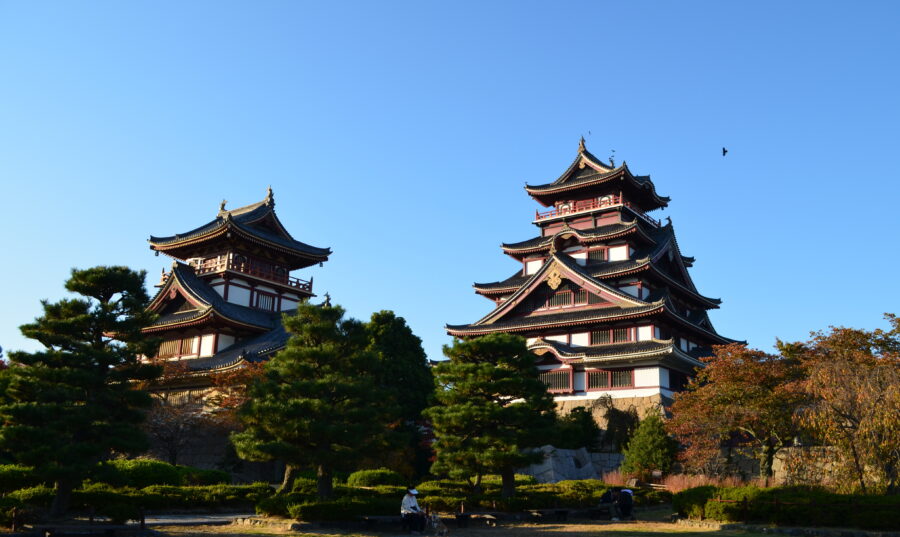
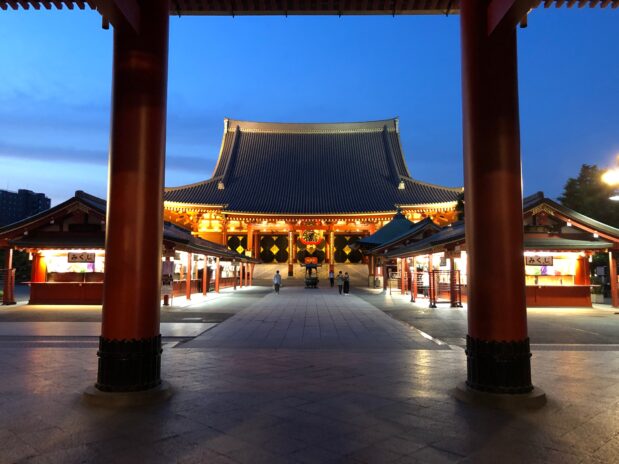
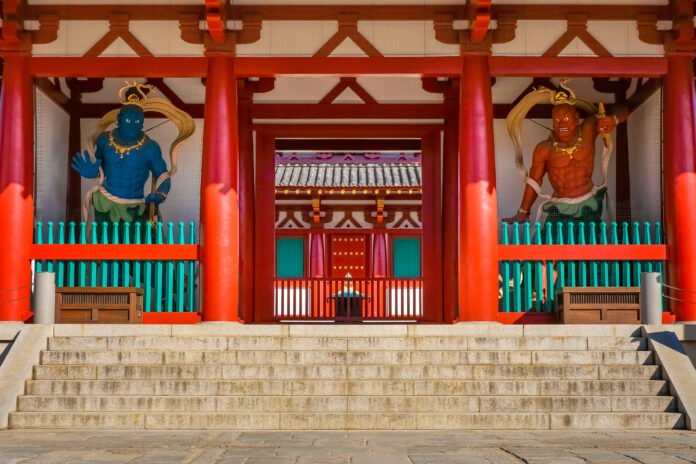
Japanese temples greet visitors with more elaborate entrances made up of multiple structures. One is the Niōmon, a gate watched by two wooden statues. Another is the sanmon, resembling a house with sloping roofs.
Guardians
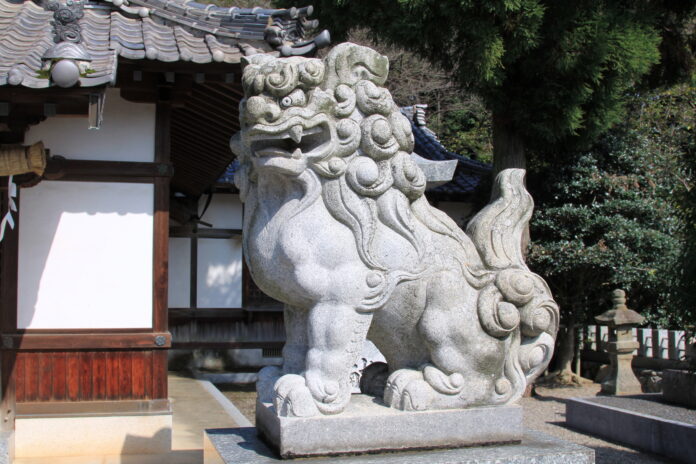
A Japanese shrine is usually guarded by two statues resembling lions, known as komainu (“lion-dogs”). They’re believed to keep evil spirits away from sacred spaces.
A Japanese temple entrance is watched by the Niō (“kind king” or “benevolent king”) at the Niōmon. The Niō are large, powerful warriors placed to protect temples from evil forces.
Halls
Each Japanese shrine has a haiden, a hall designed for worshipping kami and ceremonies. Behind it, the honden (inner sanctuary) enshrines the kami and is usually closed to the public. The haiden contains a donation box for visitors to contribute to the shrine. Shinto followers may pray in the haiden according to a specific ritual (see ‘Japanese Shrine Etiquette’).
Japanese temples have a hondō instead of a haiden. The hondō is the main hall containing statues of Buddha and other important figures. Visitors congregate in the hondō to pray and conduct ceremonies.
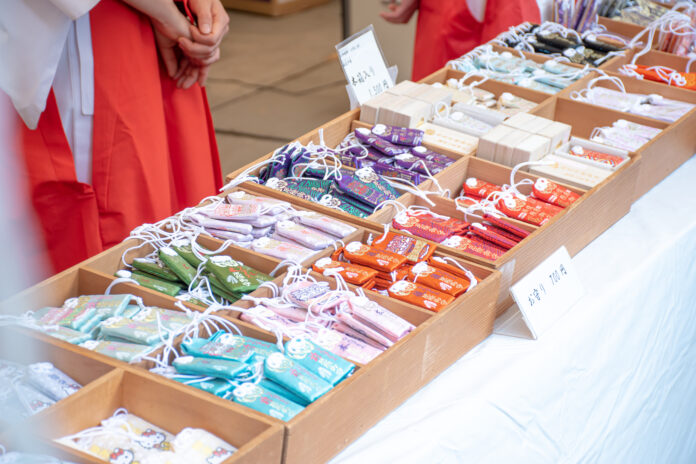
Omamori Charms
Both Japanese shrines and temples tend to sell omamori charms. However, charm styles differ across sites.
Omamori charms sold at shrines contain a small piece of wood or paper, which Shinto priests have blessed.
Omamori charms sold at temples feature a Buddhist mantra or prayer, blessed by monks through ritual and chanting.
Visitors can buy omamori charms for themselves or gift them to loved ones. Another popular keepsake is omikuji, paper fortunes you can draw for a small donation at both shrines and temples.
Incense Burning
You’re likely to see and smell burning incense when you visit a Buddhist temple. As a traditional aspect of Buddhist worship, incense burning shows devotion and aids meditation.
However, incense is rarely burned at a Japanese shrine. Instead, Shinto followers prefer water for ritual purification.
What is Proper Etiquette at Shrines and Temples in Japan?
Like attending a traditional Japanese tea ceremony, visiting shrines and temples requires respect for long-standing rules.
You must follow proper etiquette at all times. If you don’t, you may offend other visitors, including Shinto and Buddhist worshippers.
Japanese Shrine Etiquette
To be respectful at shrines, follow these steps:
- Bow at the torii gate before you step into the shrine.
- Rinse your hands at the temizuya, the purification fountain at the entrance. Follow this cleansing order: left hand, right hand, left hand again. You may rinse your mouth, but it’s not required. Never touch the ladle to your mouth; pour water into your cupped hand instead.
- Walk to the side of the path and leave the center for the shrine’s kami.
- In the main hall, ring the bell (if there is one) and then perform the “ni-rei, ni-hakushu, ichi-rei routine”: bow twice, clap twice, bow once. Clapping is believed to attract the kami’s attention.
- You may wear your shoes in the outer areas of the shrine. But you might need to take them off when you step into the inner buildings.
Japanese Temple Etiquette
Take the following steps to respect Japanese temple etiquette:
- Light an incense stick and fan the smoke toward yourself for symbolic purification. Wave your hand to put the flame out. When the stick stops smoldering, place it upright into the burner.
- Make a small offering in the offering box before you say a prayer. Ring a bell or gong only if a sign invites you to.
- Keep your hands together (the gassho gesture) when praying, but don’t clap.
- Take your shoes off when you step into the main hall.
- Check for signs explaining photography rules before you take a picture. Some temples ban photographs near statues, so respect the rules to avoid offending others.
Planning Your Trip to Visit Japanese Shrine and Temple Sites
A trip to one or more Japanese temples or shrines is a wonderful addition to any vacation. You have tens of thousands of sacred sites to choose from (Japan has roughly 80,000 shrines and 77,000 temples), and each can help you build a stronger appreciation of Japanese culture.
Many visitors also collect goshuin, hand-written calligraphy stamps recorded in a special goshuin book as a souvenir of each visit. Pray first, then ask for your goshuin, since it’s a record of worship rather than a souvenir stamp.

And when you’re finished at any of Japan’s amazing shrines and temples, you can relax in one of MACHIYA INNS & HOTELS’ beautiful accommodations. MACHIYA INNS & HOTELS offers private house rentals and Japanese-style boutique hotels in Kyoto, Kanazawa, and Takayama.
If you’re looking to make a reservation, be sure to check out our offer page for exclusive offers, only available through our official website.