
Writing a prayer or wish on an ema (絵馬) plaque is a traditional practice across Japan. People write ema at shrines to request good health, fortune, and other blessings from the gods.
How can you write your own ema, and what Japanese shrine etiquette do you need to follow? Our local Japanese experts explain it all below.
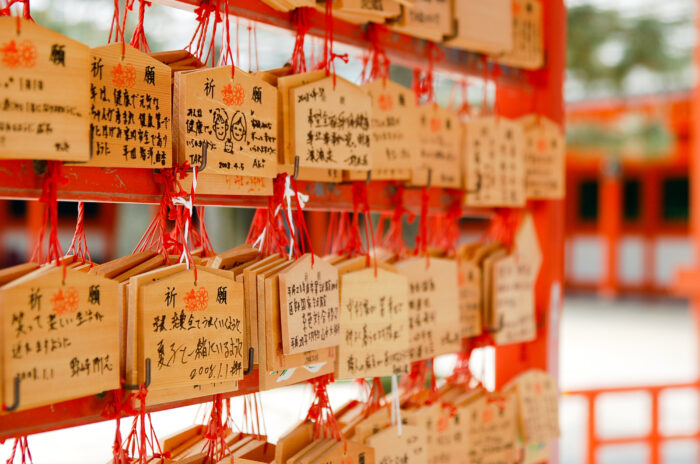
What is an Ema Prayer Plaque?
Ema (絵馬) translates as “picture horse”: “e” (絵)) for “picture” and “ma” (馬) for “horse”.
Horses were considered sacred in ancient Japan, so people offered them to shrines to honor the gods. But painted images gradually became an affordable substitute as centuries passed.
Horse images are still a key part of many ema at Japanese shrines. However, ema plaques often bear designs matching a specific deity or the current year’s zodiac animal instead.
Ema are common at Shinto shrines and various Buddhist temples. Every day, visitors use ema to convey their prayers and wishes to the gods (“kami”).
Visiting an ema shrine is one of the most accessible and meaningful ways for anyone to take part in Japan’s religious culture. Whether you’re a local resident or a tourist, everyone’s welcome to write ema at a shrine.
What Do People Pray for at an Ema Shrine?
Visitors use ema plaques to pray or wish for a wide range of blessings.
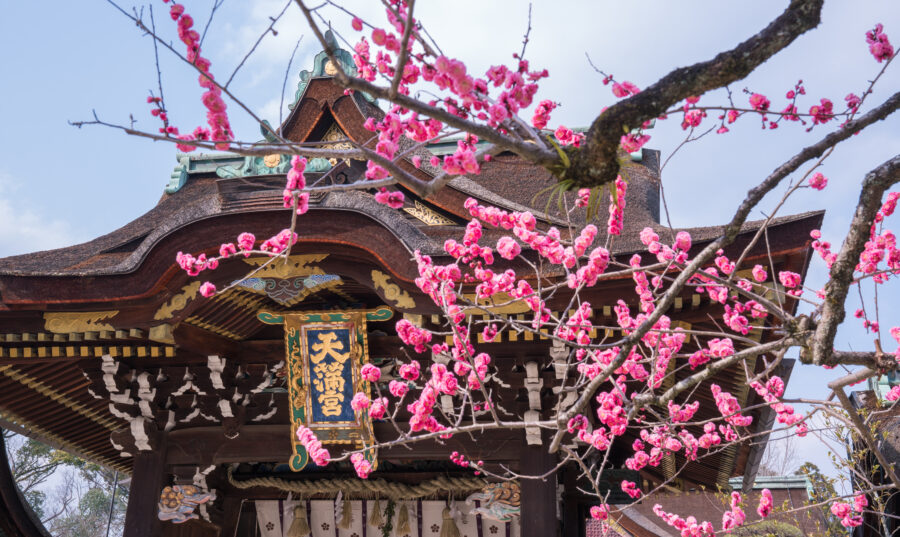
- Academic success: Students often pray before university entrance exams. Japanese shrines related to learning are famous for attracting students in high numbers each year. Kyoto’s Kitano Tenmangu, dedicated to the scholar deity Tenjin, is one example.
- Health and recovery: People visit an ema shrine to pray for their own health or a loved one’s.
- Love and marriage: Writing romantic wishes on an ema plaque is common.
- Business success: People often pray for their business’s performance and profitability.
- Safety and fortune: Visitors may wish for the well-being of their family, for safe travel, and for general good fortune.
You can write anything that matters to you on ema plaques. There are no “wrong” wishes or prayers. Think deeply about what you hope for before you visit your chosen shrine.
Don’t worry about what other visitors may think of your plaque. Visitors don’t hang an ema plaque for public entertainment or attention: they’re personally important and must be treated with respect.
Many plaques are eventually burned by shrine priests in a ceremonial fire. Burning a plaque is said to send the prayer or wish to the gods.
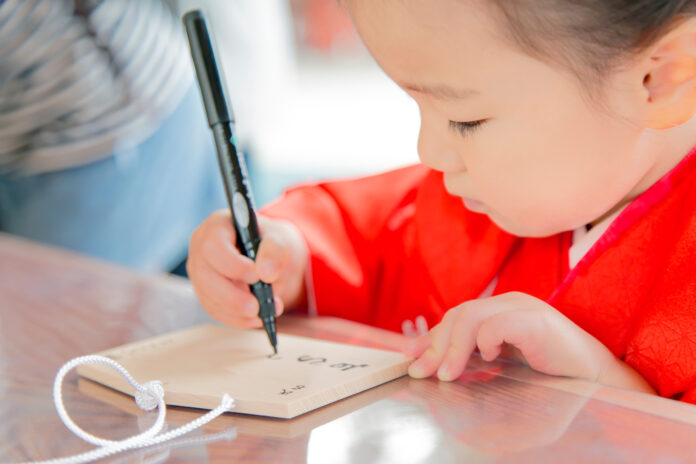
How to Use Ema Plaques
Want to write your own heartfelt message on an ema plaque? It’s easy, affordable, and a key part of the Japanese experience.
- Buy your ema at a local shrine office (“shamusho”) or amulet counter (omamori booth). You may also find a dedicated ema stand near the main hall. Ema plaques typically cost between ¥500 and ¥1,000.
- Write your wish on the blank side of the plaque. This is usually the back of the plaque, but some ema differ, so be sure to check the instructions at the shrine you visit. You may include your name and age if you like, but it’s not required.
- Hang your ema on the designated wooden rack (“ema-kakari”) close to the main hall.
- Bow after hanging your plaque. Locals consider bowing a small gesture of respect.
Ema shrines remain open throughout the year, so you can visit one from spring to winter in Japan.
Practical Advice for Japanese Shrine Visits
Visiting an ema shrine for the first time is a memorable experience for tourists. You can see a side of Japanese culture that you may be unaware of before you arrive. By writing and hanging your own ema, you may feel a closer connection to the local community, too.
But take the time to prepare for your shrine visit. Understanding what’s expected of you will help you avoid disappointment or unintentionally causing offense.
- Always bring your own pen or pencil for writing on ema plaques. Not every Japanese shrine provides writing equipment.
- Write your prayer or wish on the plaque in any language. You don’t need to write in Japanese.
- You may draw a small illustration on your plaque if you want to. Drawings are completely welcome and honor the tradition’s original picture format.
- You may take a blank ema home as a keepsake, as you would with an omamori or another souvenir. Once you’ve written on it, however, leave it at the shrine to be hung and then later burned. If unsure of what you should do, check with shrine staff.
- Bring cash to any ema shrine. Most shrines are unable to accept credit cards and other non-cash payments.
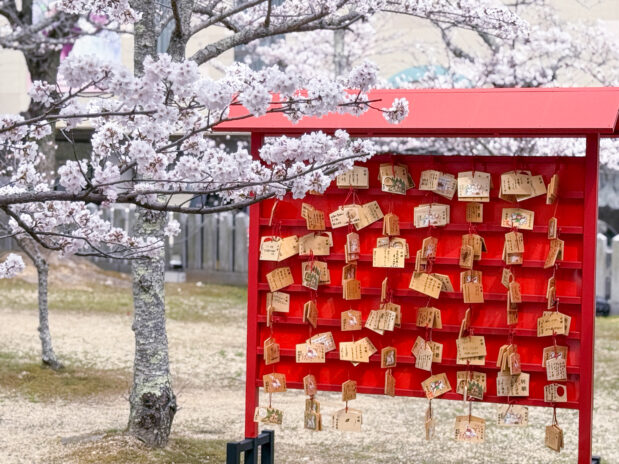
Japanese Shrine Etiquette: How to Stay Respectful
You should be respectful at all times during your visit to an ema shrine. Follow these steps:
- Don’t visit an ema shrine purely to buy a plaque: always pay your respects. Bow at the torii gate and wash your hands at the water fountain (“temizuya”) before purchasing your plaque.
- Don’t remove or touch other visitors’ ema plaques. Leave them hanging and treat them with respect.
- Don’t read or photograph ema written by fellow shrine guests. Prayers and wishes are personal.
Preparing for Your Japanese Adventure
Buying an ema in Japan is a simple yet meaningful way to participate in the country’s religious culture while making memories for your trip.
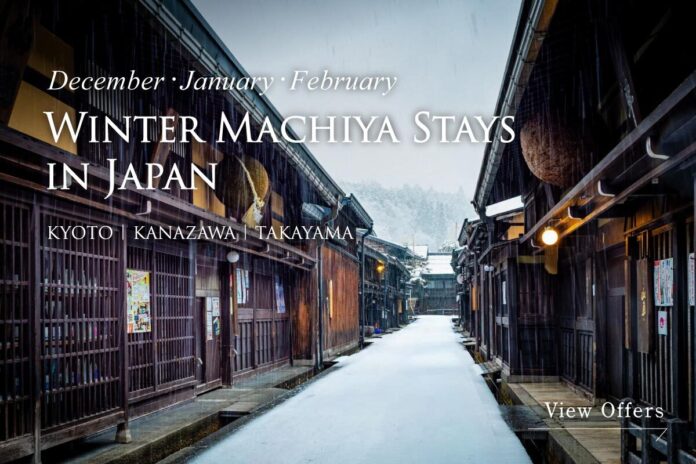
To make your travels in Japan truly special, we recommend staying at a traditional Japanese house, or machiya. MACHIYA INNS & HOTELS offers approximately 100 private machiya (traditional Japanese townhouses) holiday homes to choose from, with each home featuring its own architecture, layout and design.
If you’re looking to make a reservation for your winter trip, be sure to check out our offer page for exclusive offers, only available through our official website.