In a house built close to its neighbors, where do light, air, and a little nature come from? In a machiya, the answer is often the tsuboniwa (坪庭), a small inner garden tucked inside the building itself.
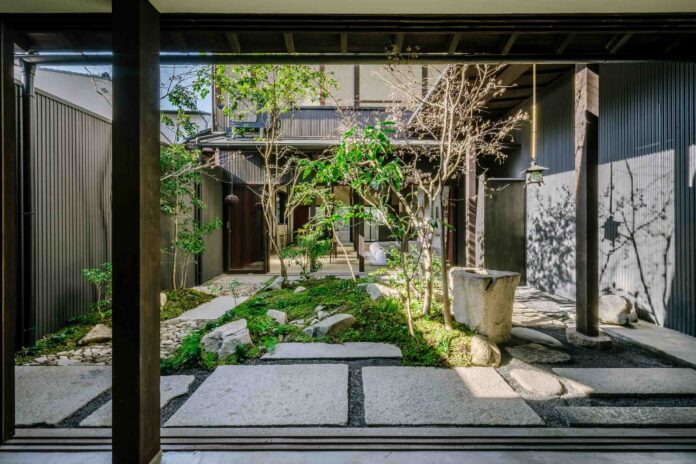
What is a Tsuboniwa?
The name comes from tsubo, a traditional unit of area equal to roughly 3.3 square meters, about the size of two tatami mats. A tsuboniwa is a garden on that intimate scale, enclosed by the walls and corridors of the house. Because most machiya tend to be long and narrow (unagi no nedoko), especially those in Kyoto city, rooms in the middle have no outside walls and would otherwise sit in the dark. A tsuboniwa fixes this by opening a pocket of sky in the center of the house.
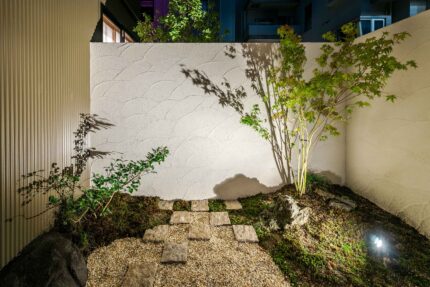
What Can You Find in a Tsuboniwa
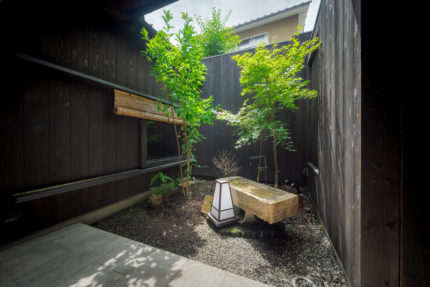
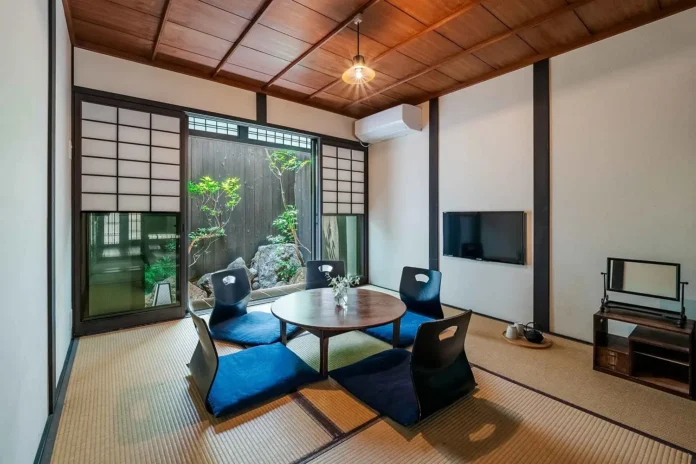
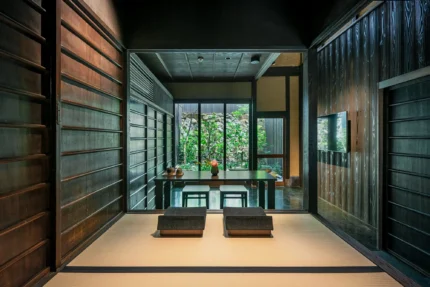
A tsuboniwa is designed to be seen from several rooms and corridors, so it works like a living painting that changes with the seasons. Typical elements include:
- Moss and ferns for soft green texture
- A maple or camellia for seasonal color
- Bamboo
- A stone lantern (tōrō)
- A stone water basin (tsukubai)
- Stepping stones
- Carefully raked gravel
Most are meant to be viewed rather than strolled through, so every stone and branch is placed with the view from the veranda (engawa) or seated from the adjoining room in mind.
Experiencing Tsuboniwa Gardens
Looking to experience a tsuboniwa garden in a machiya yourself during your Japan travels? For a chance to experience the culture, history, and tradition of Japan during your travels, stay in a traditional Japanese machiya house or boutique hotel with MACHIYA INNS & HOTELS.
With over 100 accommodations in Kyoto, Kanazawa, and Takayama, MACHIYA INNS & HOTELS offers travelers the opportunity to experience traditional Japanese machiya architecture and culture through private machiya house rentals and boutique machiya hotels.

Explore our accommodations and book your stay through the MACHIYA INNS & HOTELS official website for exclusive offers and our best available rate.