A goshuincho, or goshuin book, is a special book used to collect goshuin stamps at temples and shrines throughout Japan. Visiting temples and shrines is one of the most popular things to do in Japan, but we’ve found that many visitors aren’t always sure what to do when they get there.
Collecting goshuin stamps in a goshuincho is one of our favorite ways to experience Japan’s temples and shrines. It’s also a great way to create a personal record of the places you’ve visited throughout your travels.
But what exactly is a goshuincho? We’ve got all the information you need, from where to buy a goshuin book to how to use it. We’ve also included a short list of where to find some of our staff members’ favorite goshuin stamps!
A goshuincho is a book for collecting goshuin (temple/shrine stamps). You can buy one at bookstores, temples, or shrines for ¥1,000–¥3,000, then pay ¥300–¥1,000 to have it stamped at temples and shrines you visit. Always bring cash, treat the book with respect, and watch for limited-edition seasonal stamps at popular spots.
- What Is a Goshuin?
- What Is a Goshuincho?
- Where Can You Buy a Goshuincho?
- How to Get a Goshuin Stamp at a Temple or Shrine
- Goshuincho Etiquette: Tips Before Using Your Goshuincho
- What to Do if You Forget Your Goshuincho Book
- Unique Goshuin Stamps to Collect in Japan
What is a Goshuin?
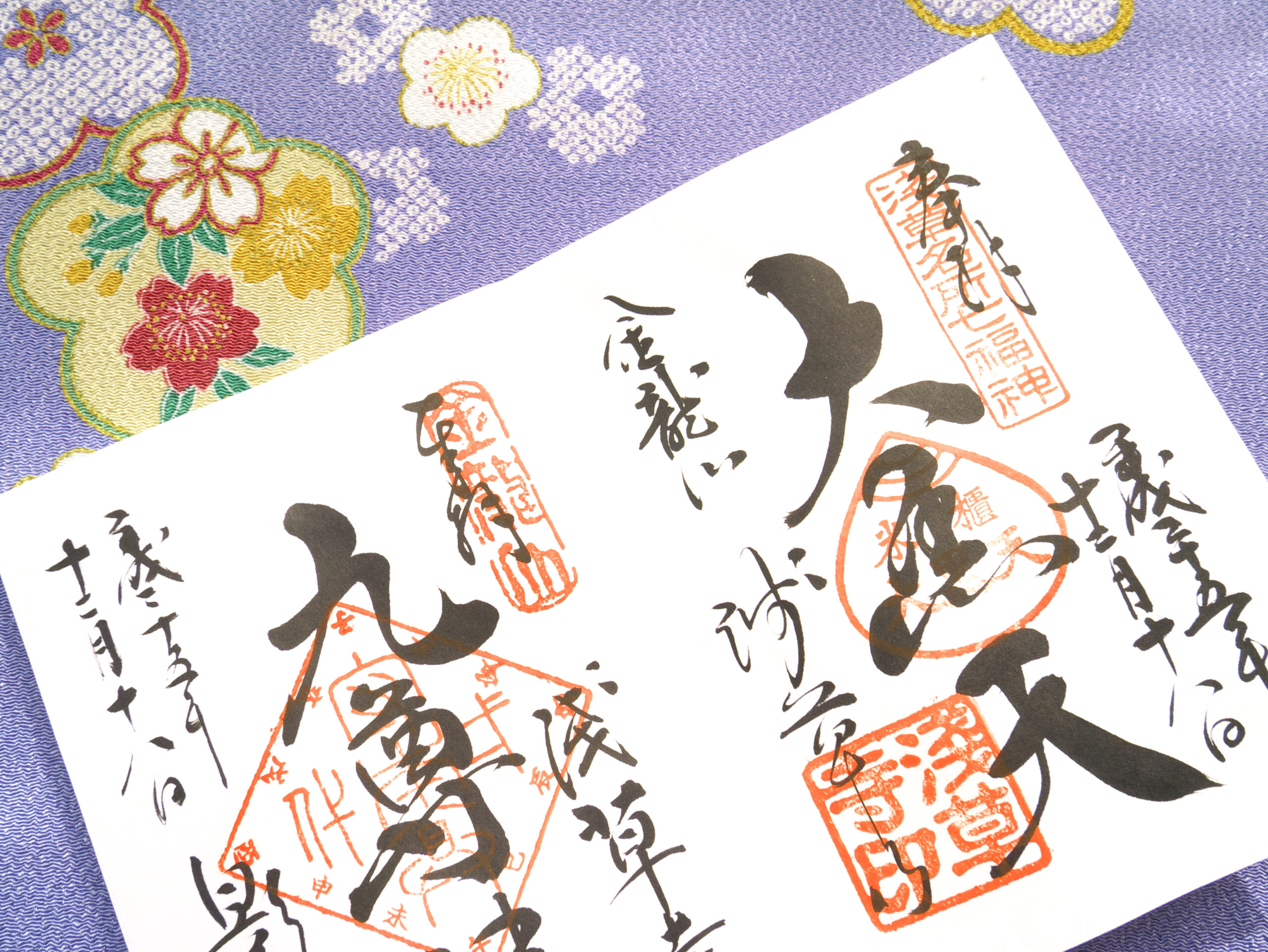
A shuin or goshuin (“red seal”) is a stamp that you can get from many shrines and temples in Japan. Each shrine or temple’s goshuin is unique. These stamps have both spiritual and historical significance. In the past, a person would receive a goshuin after handwriting Buddhist sutras (religious texts) or by making a donation to the shrine or temple. In the present day, they can be purchased to commemorate your visit to a shrine or temple.
What is a Goshuincho?

A goshuincho (literally “goshuin book” or “book of red seals”) is a book solely for collecting goshuin. Traditionally, a goshuincho acts as a record of one’s faith — visiting and paying respects at many different shrines and temples.
Nowadays, however, many locals and tourists buy goshuincho and collect goshuin as a hobby or to show the places they’ve visited. Goshuin are seen as divine blessings, so even if you don’t personally attach a spiritual meaning to them, they should be treated with respect.
Where Can You Buy a Goshuincho?
Goshuincho are sold at many bookstores, stationery stores, and tourist shops around Japan. They range from plain-cover goshuincho to ones with unique designs. Temples and shrines also sell goshuincho, usually featuring designs unique to the location.
Goshuincho usually cost between ¥1000 and ¥3000, but ones with very elaborate designs may cost more.
Also be aware that some stricter Buddhist temples may refuse to stamp a goshuincho that has been stamped by a Shinto shrine, and vice versa. This isn’t common nowadays but, If you’re worried, you can have two goshuincho. This would also be a good idea if you plan to visit many temples and shrines during your time in Japan, in which case one book may not be enough!
How to Get a Goshuin Stamp at a Temple or Shrine
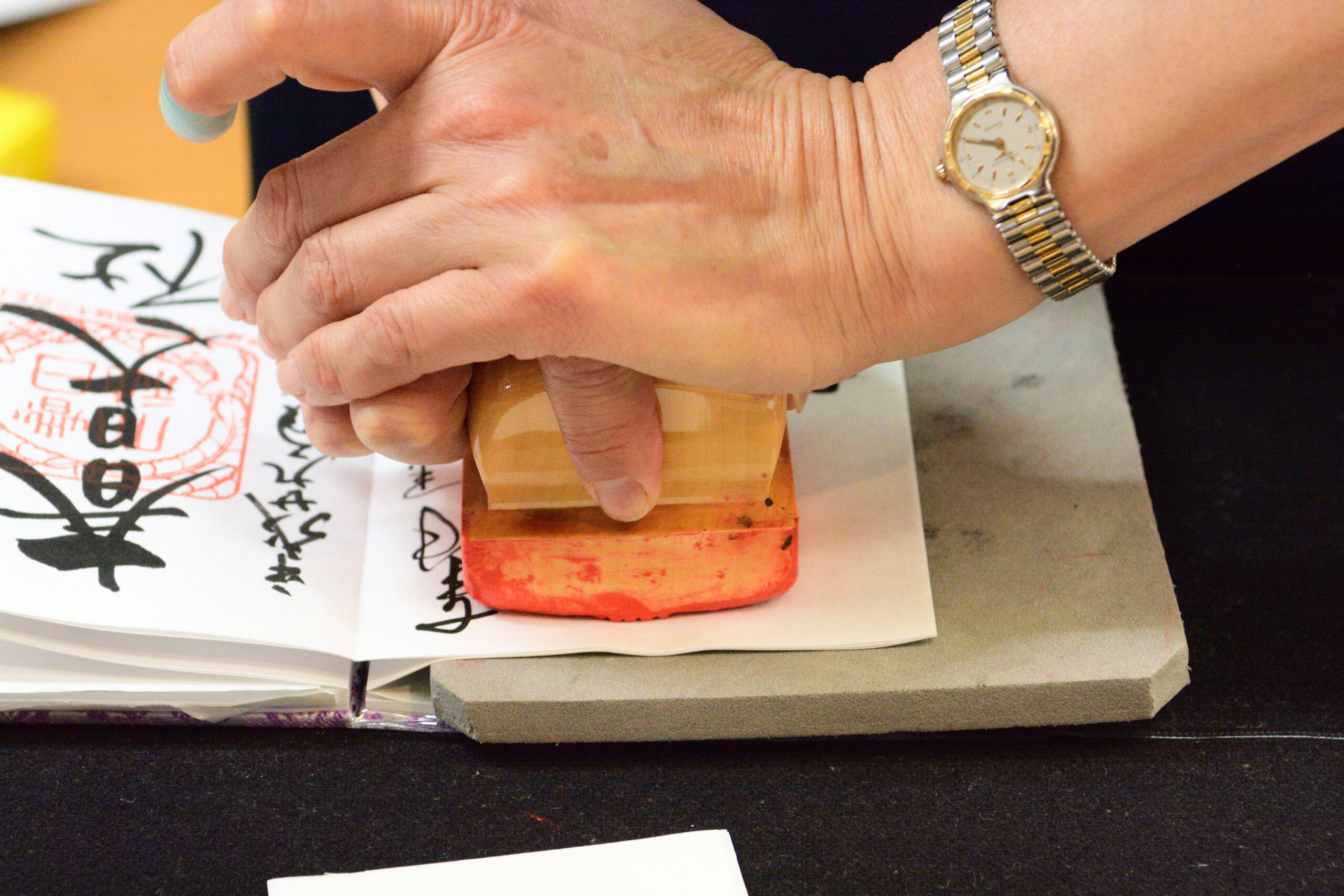
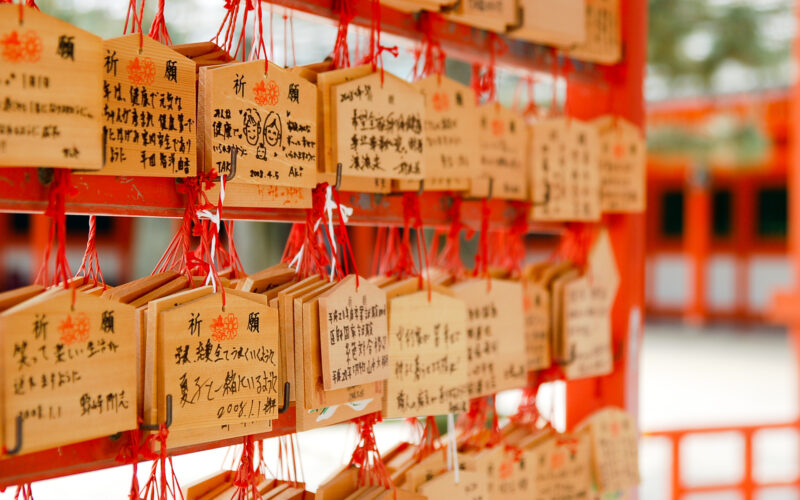
Goshuin are usually issued at the reception area of a shrine or temple. This is where you’ll see items such as omamori (amulets), ema prayer plaques, and omikuji fortunes being sold, as well as other goods and some services.
There are usually multiple signs — look out for a sign that says “御朱印所” (Goshuinjo), which is the kanji character in Japanese. You can also ask one of the staff where to find the goshuin area.
At the stamping station, give your goshuincho and the fee in cash. A goshuin stamp usually costs between ¥300 and ¥500, but may cost ¥1,000 or more depending on the location or if are limited-edition stamps.
Some places offer both goshuin written directly in your book and pre-prepared goshuin on separate sheets of paper. Sometimes, a location may only provide the loose paper stamp. You can simply glue the loose paper into your book. Some of these special goshuin are made on special paper!
Many locations also offer limited-edition designs for holidays and special occasions such as New Year’s, cherry blossom season, and autumn leaf-viewing season.
Goshuincho Etiquette: Tips Before Using Your Goshuincho
Buying a goshuin book and getting it stamped is pretty straightforward, but we’ve listed some tips to make sure your shrine or temple visit goes smoothly.
・Not every temple and shrine offers goshuin. You can research beforehand or ask when you get there.
・Be sure to carry cash and change! Many temples and shrines will only take cash, and some may also be unable to provide change for larger bills.
・Pay respects at the temples and shrines that you visit. Make sure you’re not visiting solely for the purpose of collecting stamps.
・Don’t use your goshuincho for anything other than collecting goshuin. Don’t use it as a notebook or journal. They are spiritual items, so it would be disrespectful to do so.
・Be patient and respectful while you wait for your goshuincho to be returned to you. Don’t take photos or videos of the process without asking first!
What to Do if You Forget Your Goshuincho Book
If you get to a temple or shrine and realize you forgot your goshuincho, don’t worry! Don’t panic and immediately buy a new book or have them stamp any old notebook you might have with you.
You can have them simply stamp a loose sheet of paper (provided by the temple or shrine) to later paste into your goshuincho yourself.
Unique Goshuin Stamps to Collect in Japan
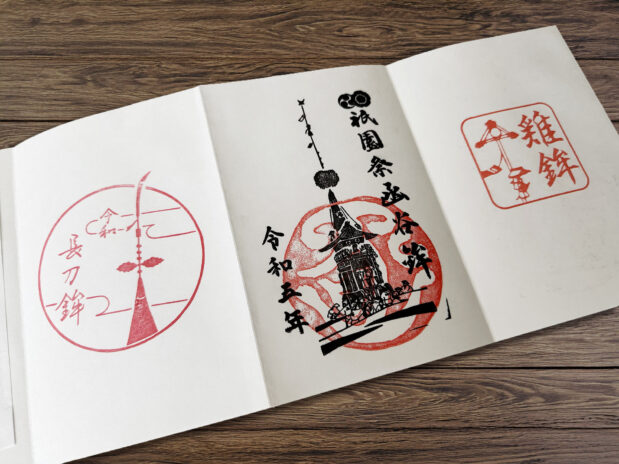
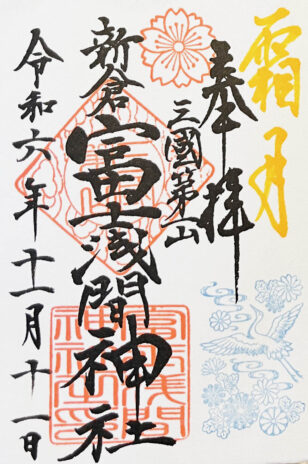
Each temple and shrine that offers goshuin has its own unique design. This makes collecting them one of the most fun things to do in Japan, since you’ll likely be visiting shrines and temples during your visit, anyway! Some look more memorable than others or have a special meaning attached, so here’s a list of some of our favorites.
Kyoto
Mikane Shrine
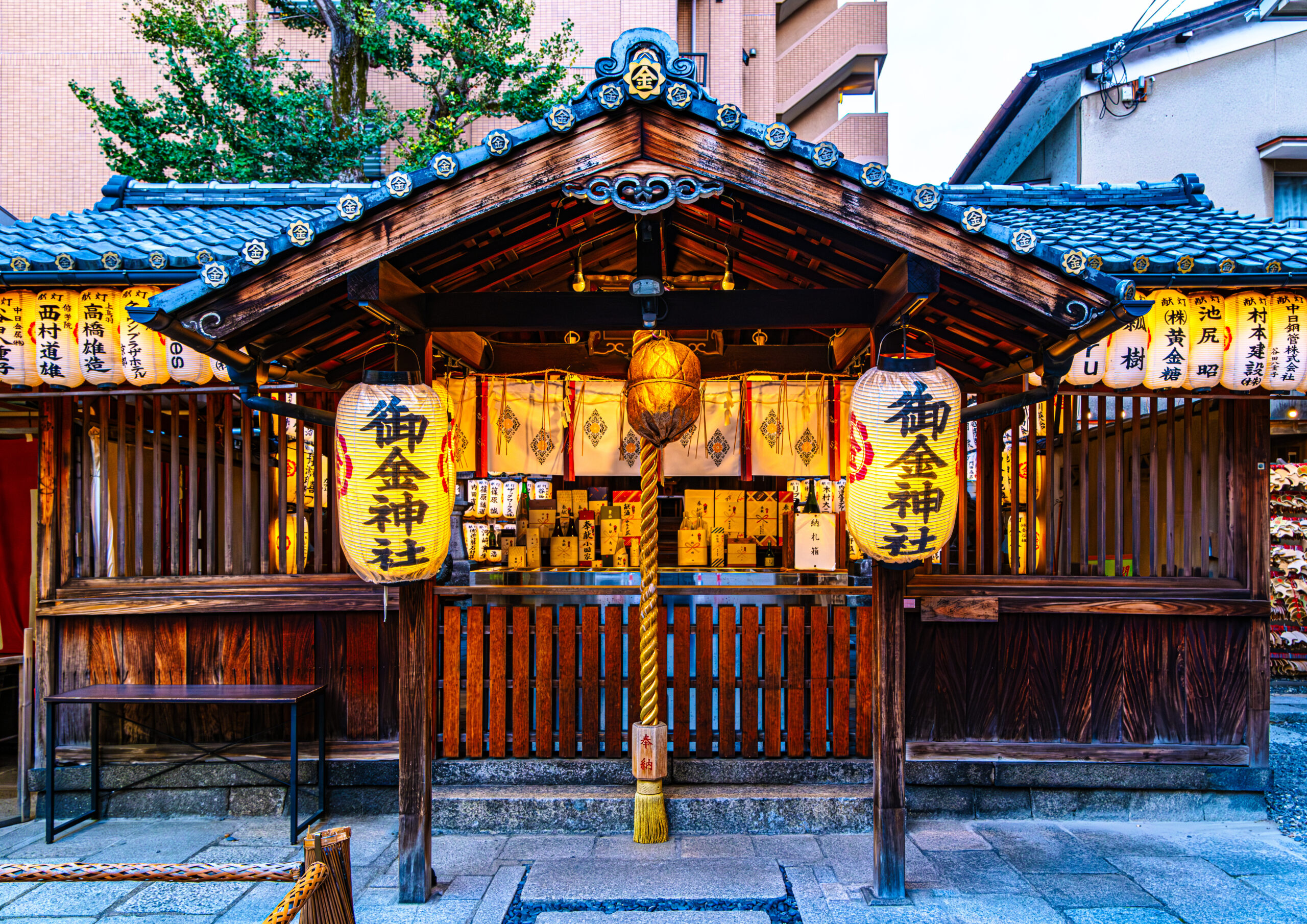
Mikane Shrine is dedicated to money, so many people come here to pay respects, hoping for money-related blessings. It’s also said that a goshuin stamp from Mikane Shrine will give you good luck when purchasing lottery tickets!
Hyogo
Wakinohama Shrine
Wakinohama Shrine is dedicated to warding off evil and misfortune, while bringing good luck to those who pay respects. The shrine is also famous for having a heart-shaped tree. This shrine offers beautiful and intricate seasonal goshuin that are like works of art.
Tokyo
Togo Shrine
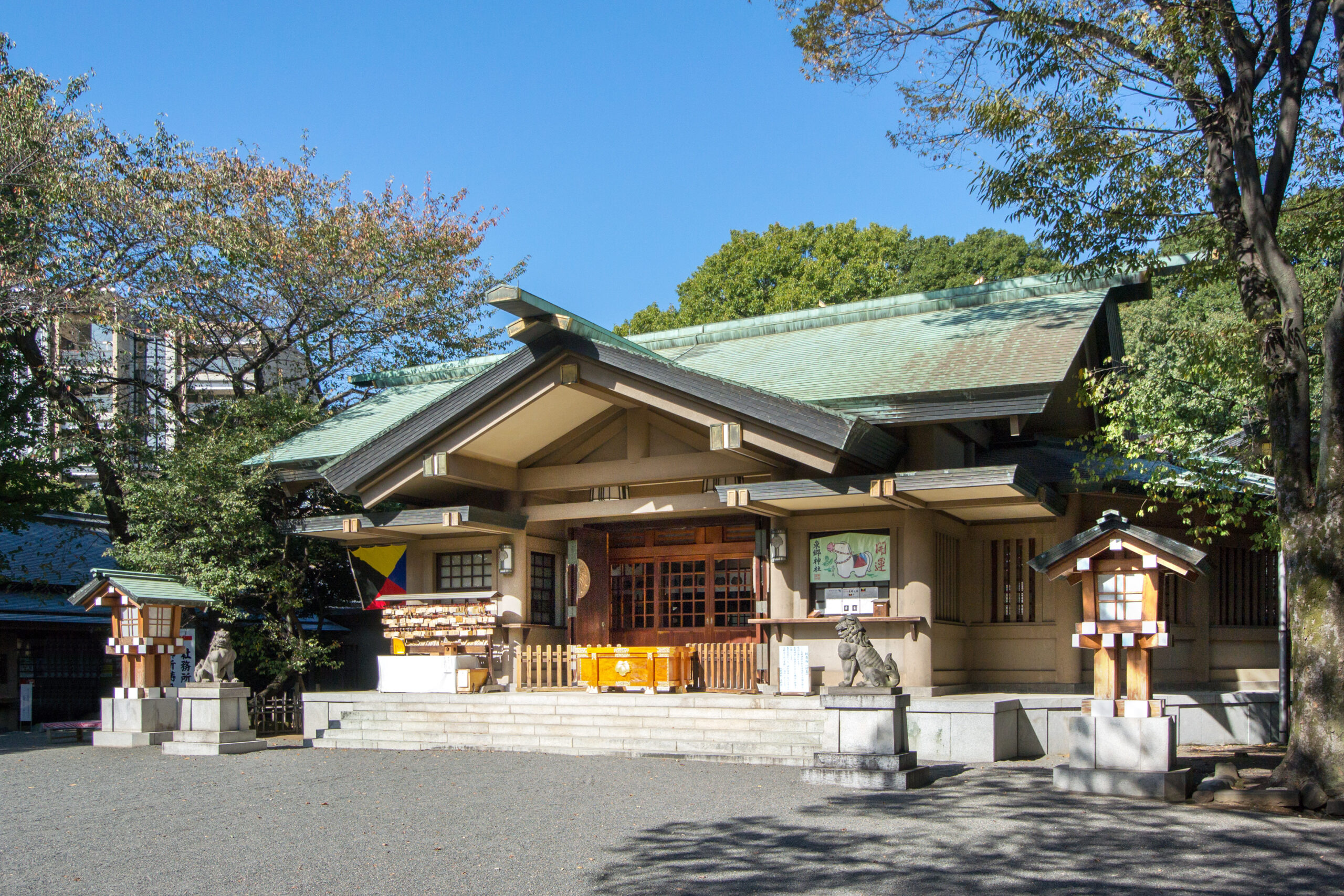
Togo Shrine is sometimes called Sanrio Shrine because it has a special collaboration with Hello Kitty! Here, you can get Hello Kitty-themed amulets and other goods. The goshuin doesn’t feature the character, but it’s colorful and cute, making it very popular for goshuin collectors.
Tokyo
Yanaka Kannonji Temple
Yanaka Kannonji Temple is known for its beautiful hanatemizu — seasonal flowers that float in the water bowl where you cleanse your hands before entering the temple. Fittingly, the temple also offers beautiful seasonal goshuin.
Kyoto
Okazaki Shrine
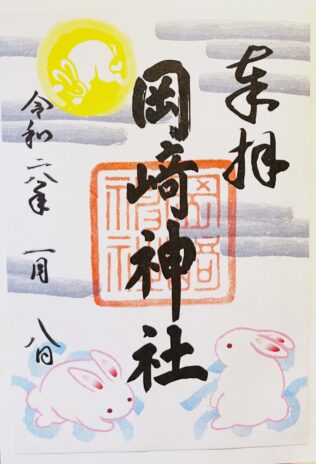
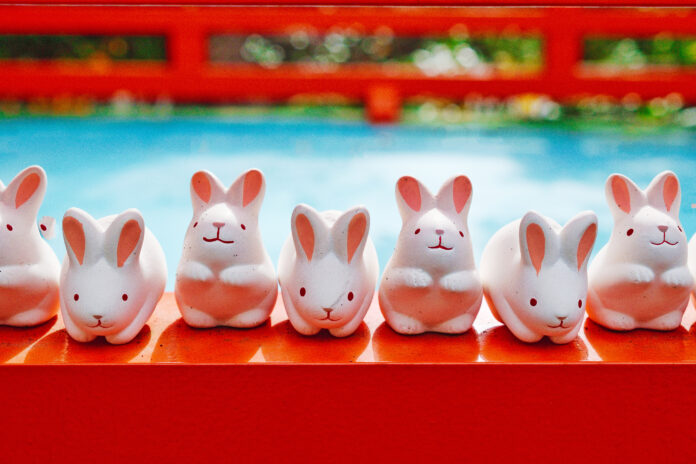
Okazaki Shrine is sometimes called the Rabbit Shrine. It has plenty of rabbit motifs, including rabbit statues at the entrance. The goshuin stamp features rabbits, making it a popular stamp. If you’re looking for a cute goshuincho, the ones sold at the shrine also feature rabbits!
Kyoto
Shoju-in Temple
Shoju-in Temple, sometimes also known as Furin-ji Temple, is famous for the picturesque heart-shaped window looking out over the temple garden as well as vivid artwork on the ceilings. Any photo here is sure to be memorable, but the temple itself boasts that the winter season offers the most captivating views of the garden as well as surrounding mountains. The temple offers a limited-edition goshuin during the winter season in Kyoto, one per month. Although it’s away from central Kyoto City, this charming temple and special goshuin make it a must-visit!
Tokyo
Asakusa Shrine
Located near Senso-ji Temple, Asakusa Shrine is in an area perfect for combining with other sightseeing destinations. It’s approximately 5 minutes on foot from Asakusa Station. The shrine offers limited-edition Goshuin stamps during special events like New Years and the Sumidagawa Fireworks Festival. The various designs are popular for embodying the season they are distributed in. To receive a goshuin stamp at Asakusa Shrine, you must have a goshuincho book, as loose sheets are not accepted. Be sure to bring your book when visiting.
All You Need to Know Before Collecting Goshuin on Your Japan Trip
For more advice for your future Japan trip, check out our other articles:
・Japan Travel Tips: Advice Before Traveling to Japan
・How to Shop Tax-Free in Japan
・Japan Travel Tips: Internet Access While Traveling in Japan
・Tips for Money in Japan and Currency Exchange Options
Where to Stay in Japan: Traditional Japanese Holiday House Rentals
If you enjoyed learning more about Japanese history and culture, make the experience a part of your stay in Japan, too. Stay in a traditional Japanese machiya house or boutique hotel with MACHIYA INNS & HOTELS.
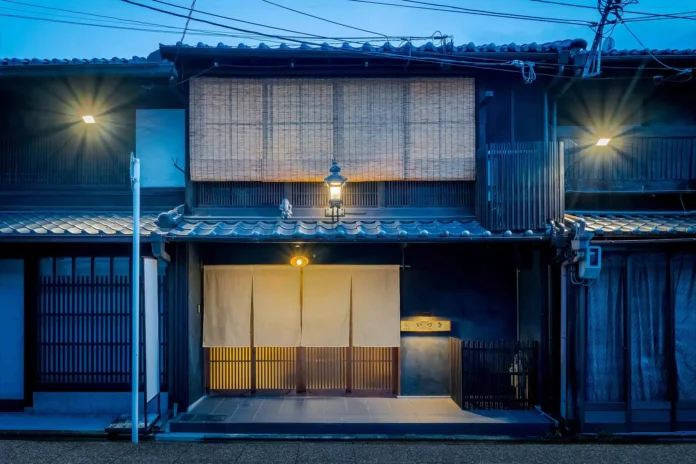


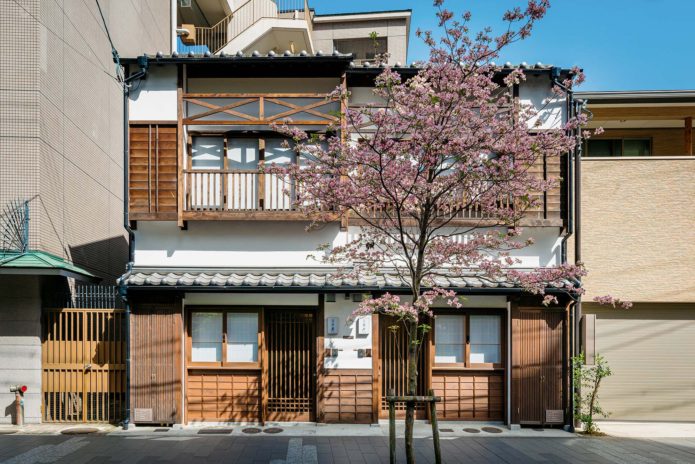

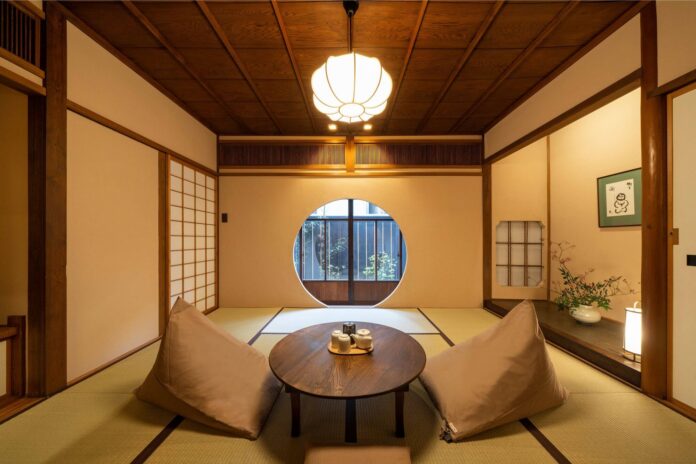

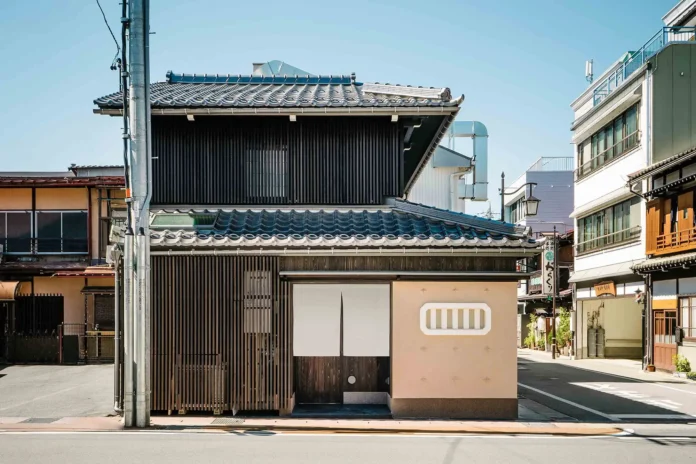
With over 100 accommodations in Kyoto, Kanazawa, and Takayama, MACHIYA INNS & HOTELS offers travelers the opportunity to experience traditional Japanese machiya architecture and culture through private machiya house rentals and boutique machiya hotels.
Explore our accommodations and book your stay through the MACHIYA INNS & HOTELS official website for exclusive offers and our best available rate.
During your stay, explore the temples and shrines of Kyoto, Kanazawa, or Takayama, and bring your goshuincho along to collect goshuin as a record of your visits!