As you walk through a Japanese shrine or temple, you’ll spot neatly folded paper tied to wooden frames, trees, and more. These slips of paper are called omikuji, or fortune-telling paper, and drawing one is a tradition deeply seated in Japanese culture. It’s a great addition to make a trip to a shrine or temple memorable, and knowing just what an omikuji is and how to choose one will help you get the most out of your experience.
Keep reading to find out all you need to know about omikuji before your Japan travels!
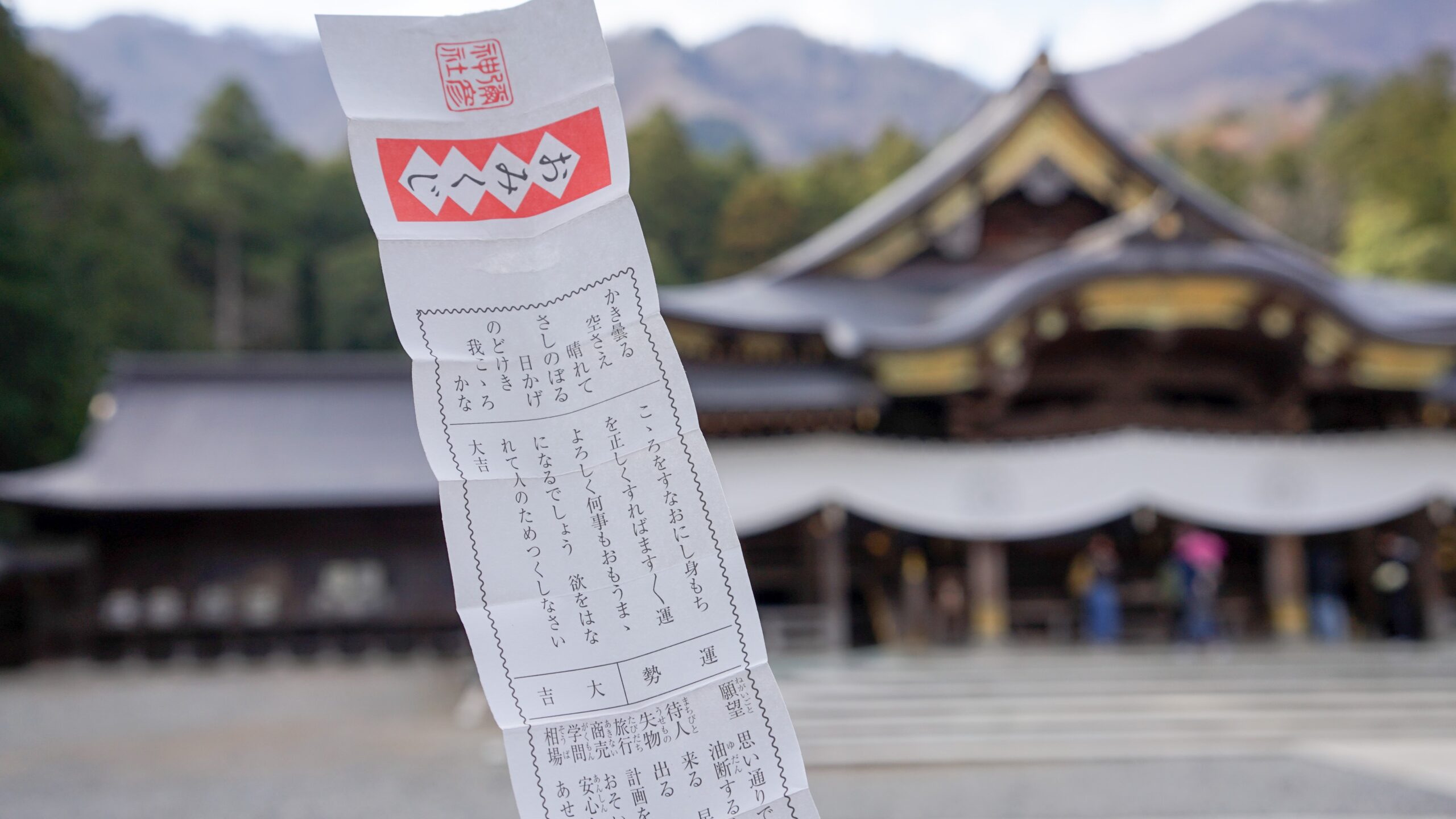
An omikuji is a small strip of paper, usually white, containing a written fortune which is sometimes accompanied by an illustration. Each omikuji is randomly selected, so you never know what yours will say until you open it.
As such, omikuji meaning is open to interpretation but may still have personal relevance to your life or current situation.
You can find omikuji fortunes at many Japanese temples and shrines. The price of an omikuji may differ from place to place, but they usually cost between ¥100 and ¥500. In some cases, special omikuji are available at a higher price.
Countless visitors each year buy an omikuji to experience a traditional part of Japanese culture and take a small souvenir of their time home.
When you open your omikuji, you’ll find a particular type of fortune. There are several ranks of blessings and luck:
But don’t worry: an omikuji with a bad fortune does not mean you will receive bad luck. It’s not a curse or a guarantee of misfortune. The omikuji is only written as a warning to guide you to improve your own fortune in the future. Many Japanese actually believe that receiving a 凶 (Kyo) fortune is actually a different form of luck, as they are relatively rare at many shrines, with some even deliberately leaving it out.
An omikuji will also list your fortune in several areas of your life, such as travel, health, love, and money. Some temples and shrines offer specialized omikuji focused on one area, including money fortunes. As they’re so popular, omikuji are often available in languages other than Japanese at larger shrines and temples.


Experience authentic Japanese cuisine at the best restaurants in Japan as recommended by locals.
Book a table at top-rated restaurants to enjoy exquisite kaiseki (course-style) Japanese dinners.
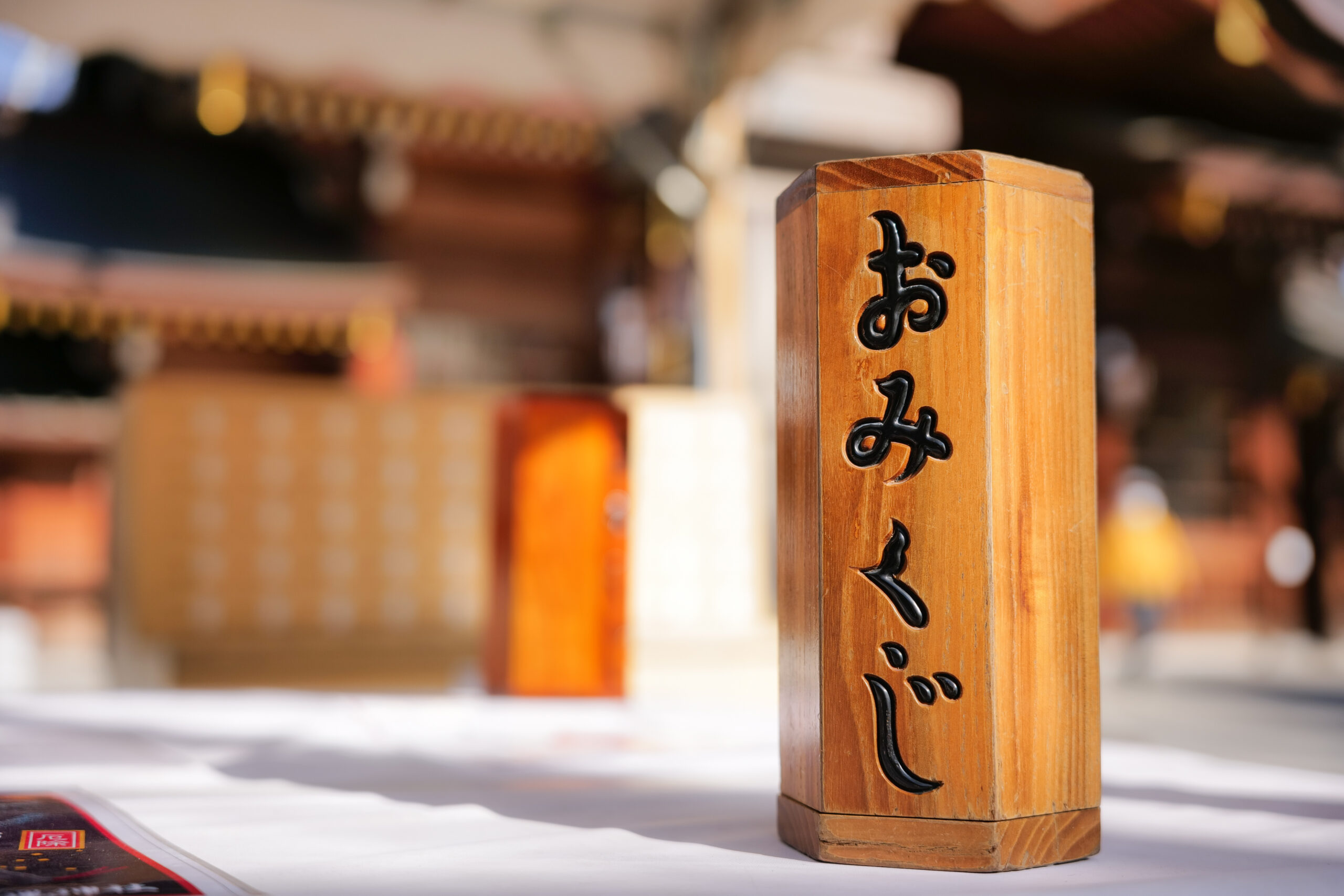
The process of claiming your own omikuji varies a little from shrine to shrine, but the general flow is the same.
Start by dropping your coins into the collection box — most omikuji cost between ¥100 and ¥500, and many are unmanned, so bring exact change. You’ll then either shake a cylindrical box until a numbered stick falls out, or simply select a folded fortune from a tray.
If you receive a numbered stick, take it to the nearby counter and exchange it for the corresponding omikuji slip. If it is a completely unmanned omikuji, there will be a row of small numbered drawers. Open the drawer with the same number as your stick, and take a fortune.
Finally, find a quiet, out of the way spot, unfold it, and see what the fates have to say!
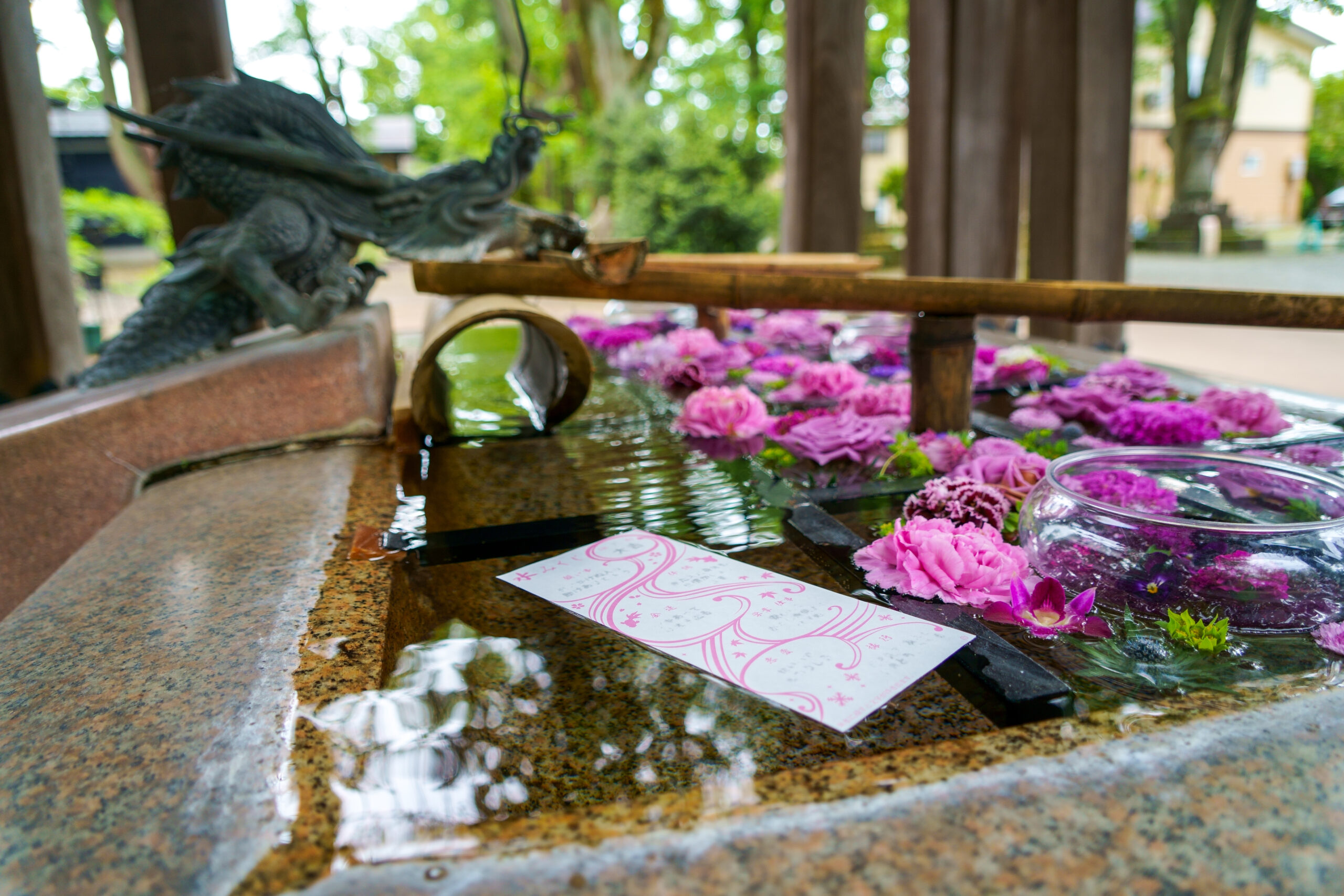
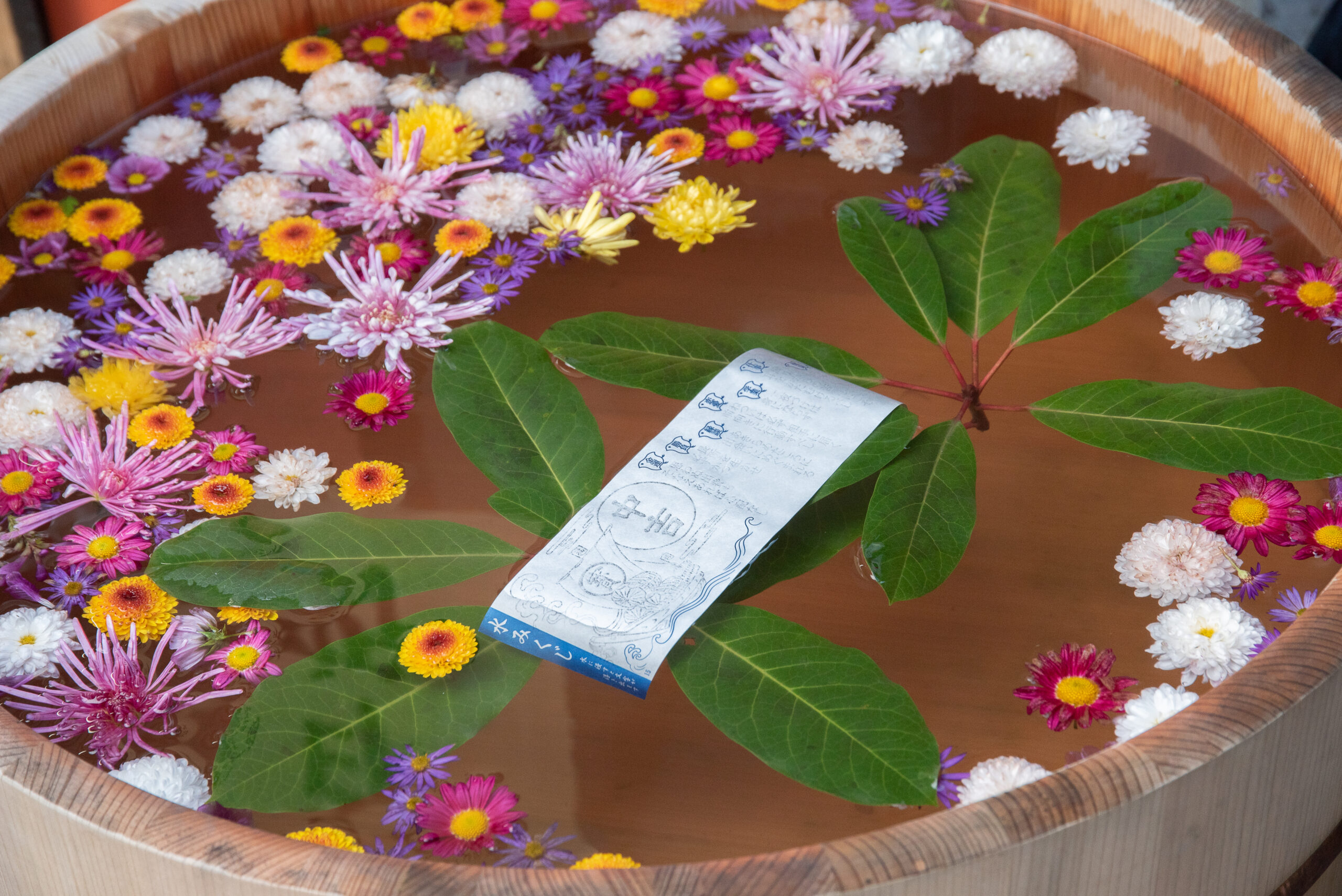
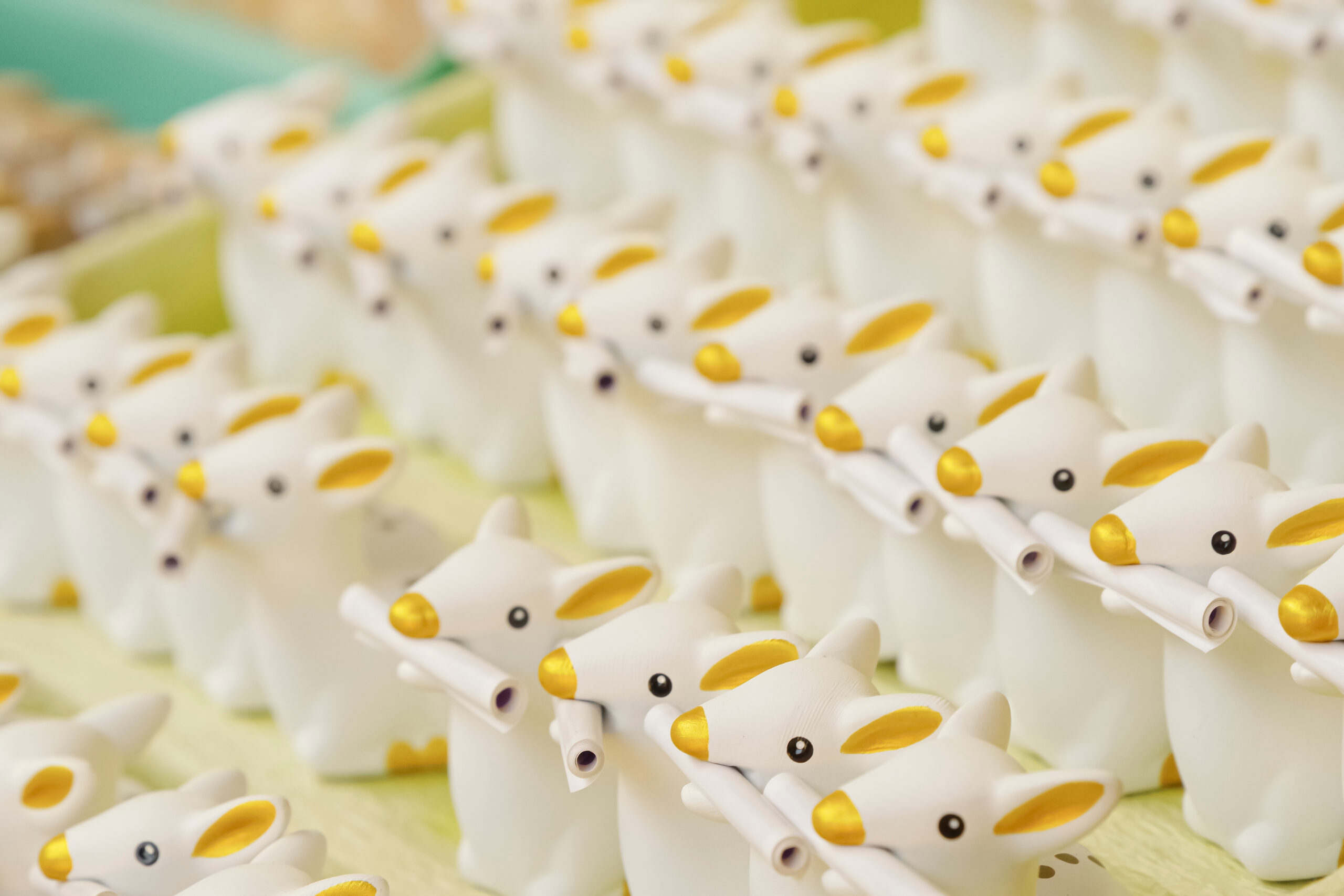
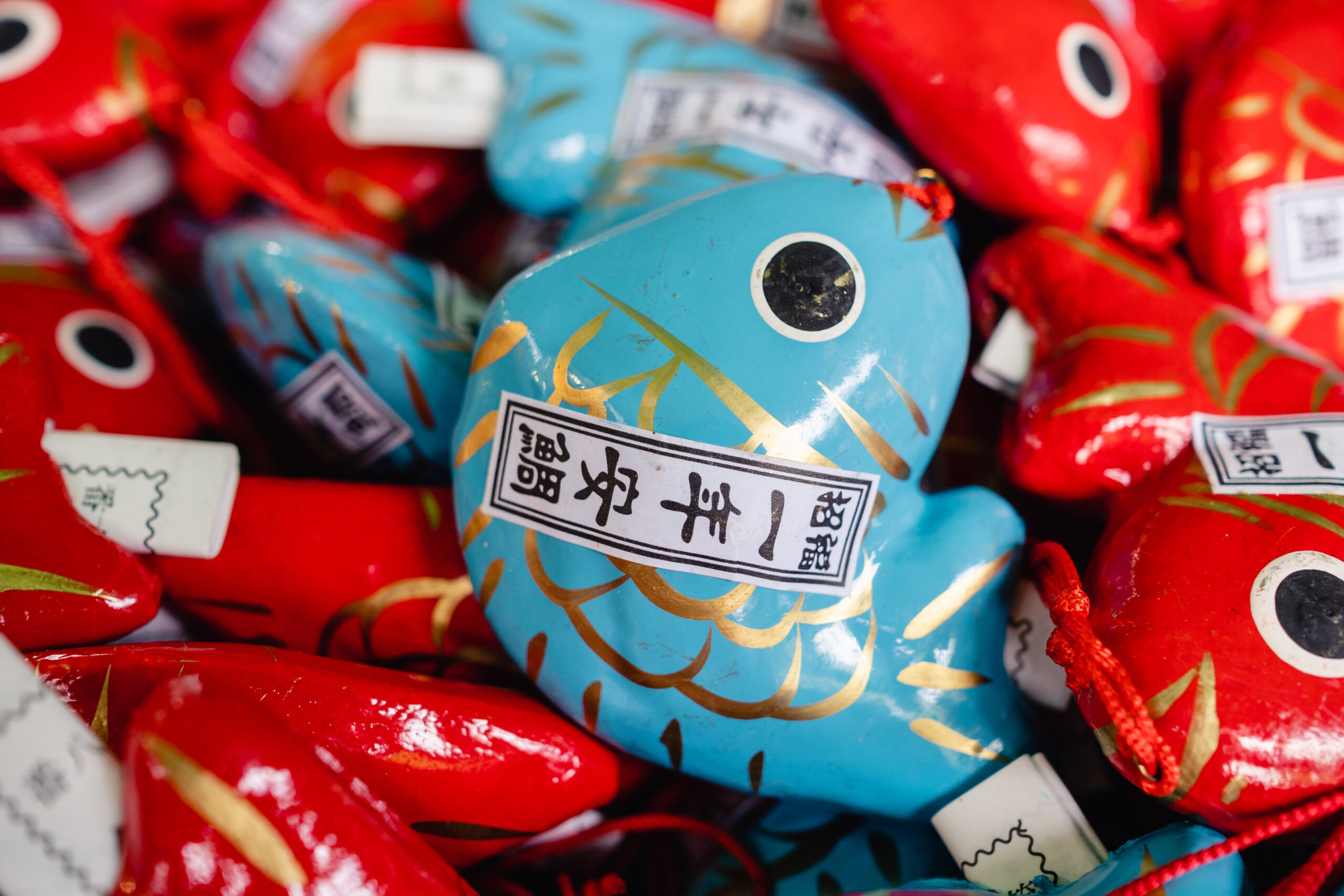
Some shrines offer unique omikuji experiences that go a step further. At Kifune Shrine in northern Kyoto, the mizu-mikuji (水みくじ), or water fortune, appear blank until you float them on the sacred spring water. Your fortune slowly reveals itself as the paper absorbs the water. It’s a unique and memorable ritual keeping with Kifune’s atmosphere as a shrine dedicated to the god of water.
If you’re visiting Tokyo, Meiji Shrine offers omikuji with waka poetry composed by Emperor Meiji and Empress Shoken. The omikuji draw guidance and reflection from the verses of the poetry, for a contemplative and poetic take on the tradition. They are also written in both Japanese and English, making it great for first-time visitors to Japan.
Some omikuji also come with small figurines, like the shika-mikuji (鹿みくじ), or deer fortune, of Nara’s Kasuga Taisha Shrine. Simply select the figurine of your choice, and after making your purchase unravel the omikuji fortune that comes with the figurine.
If your omikuji meaning is positive, you can slip it into your wallet/purse or bag and carry it with you as a talisman (similar to an omamori). Alternatively, you can keep omikuji fortunes in a safe place at home as cherished souvenirs.
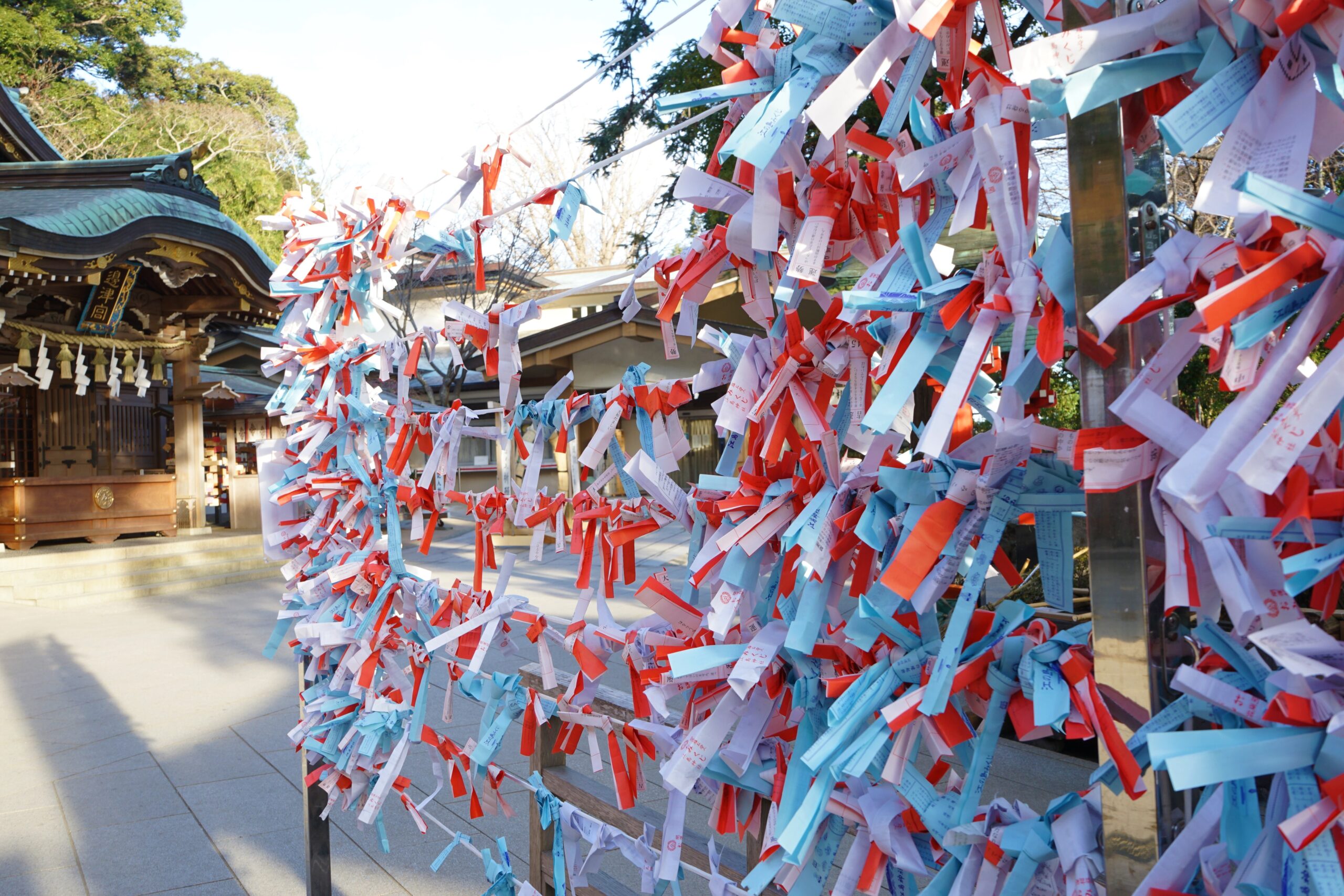
But what about an omikuji with bad fortune? The traditional custom is to fold the paper strip and tie it to a pine tree, taking care to be gentle with any fortunes already there. It is believed that the bad luck attached to the omikuji will remain at the tree instead of with you. There will be specific areas dedicated to tying omikuji fortunes, with some shrines and temples providing special frames or racks to tie them to instead of trees. Be sure to follow the rules of the specific shrine or temple you visit when leaving a fortune.
Even if your fortune is positive, you can still tie your fortune to a tree or frame.
Whether you receive an omikuji with a bad fortune or a good one, it’s all part of the experience. Even if your omikuji shows blessings, you can still tie it up and leave it at the shrine or temple instead of taking it with you.
When picking omikuji fortunes at Japanese temples and shrines, always behave in a respectful and considerate way:
・Follow a shrine or temple’s instructions and ask for help if in doubt.
・Be careful with other people’s fortunes when tying yours up to avoid damaging them.
・Bring coins, as most omikuji are available for exact change only, and many will be unmanned.
・Don’t let yourself fixate on your omikuji fortune. Even if you have an omikuji with a bad fortune, relax and enjoy the experience.
If you feel concerned about opening an omikuji and finding a negative outlook, perhaps buy an omamori instead, as they are meant to be amulets used for protection.
Omikuji and omamori are both traditional items sold at temples and shrines, but what sets them apart?
An omikuji is a random fortune believed to predict your future in one area. It is not intended to bring good or bad luck but to give you an insight into what may lie ahead. However, you may keep positive omikuji fortunes with you for luck.
An omamori is a charm purchased and carried for protection against evil or to bring good luck. Inside each omamori is a small piece of paper with prayers written across it.
Like omikuji fortunes, omamori charms are sold at Japanese temples and shrines. You can choose from several types of omamori, including charms designed to help in different areas like love and marriage, traffic safety, and wealth. They can come in many different styles, and range from the more traditional to more modern designs.












 ×
×