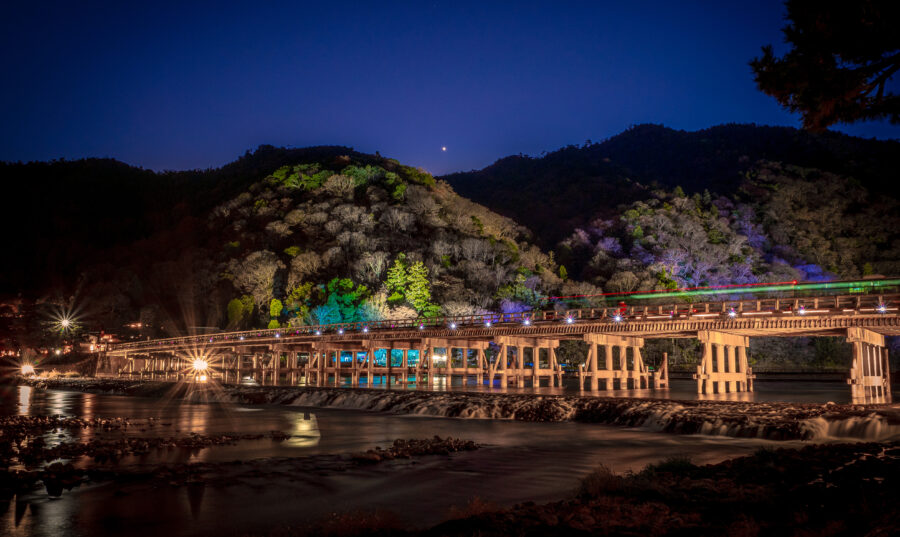
Kyoto’s traditional gardens come in several distinct styles, such as karesansui (dry Zen rock gardens), Japanese moss gardens, and shakkei (borrowed-landscape) gardens that use the surrounding mountains into their composition. Many are located within temple grounds, offering a slower, more contemplative way to experience the city.
While famous spots like Arashiyama and Kinkaku-ji attract large crowds, this guide focuses on Japanese gardens that offer a more relaxed atmosphere or a quieter alternative. Featured here are Renge-ji Temple, Entsuji Temple, Enkoji Temple, Hosen-in Temple, and Gio-ji Temple.
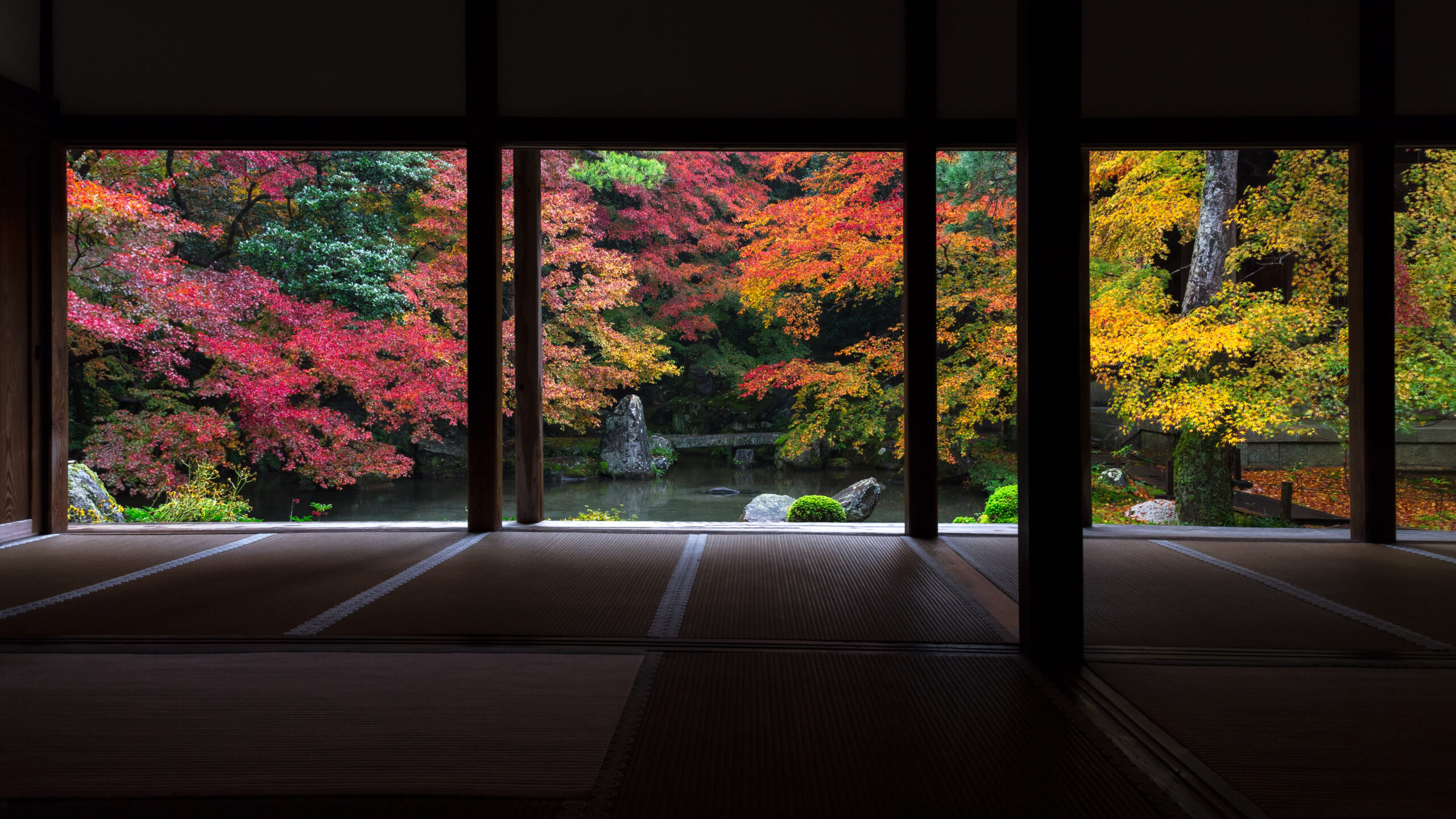
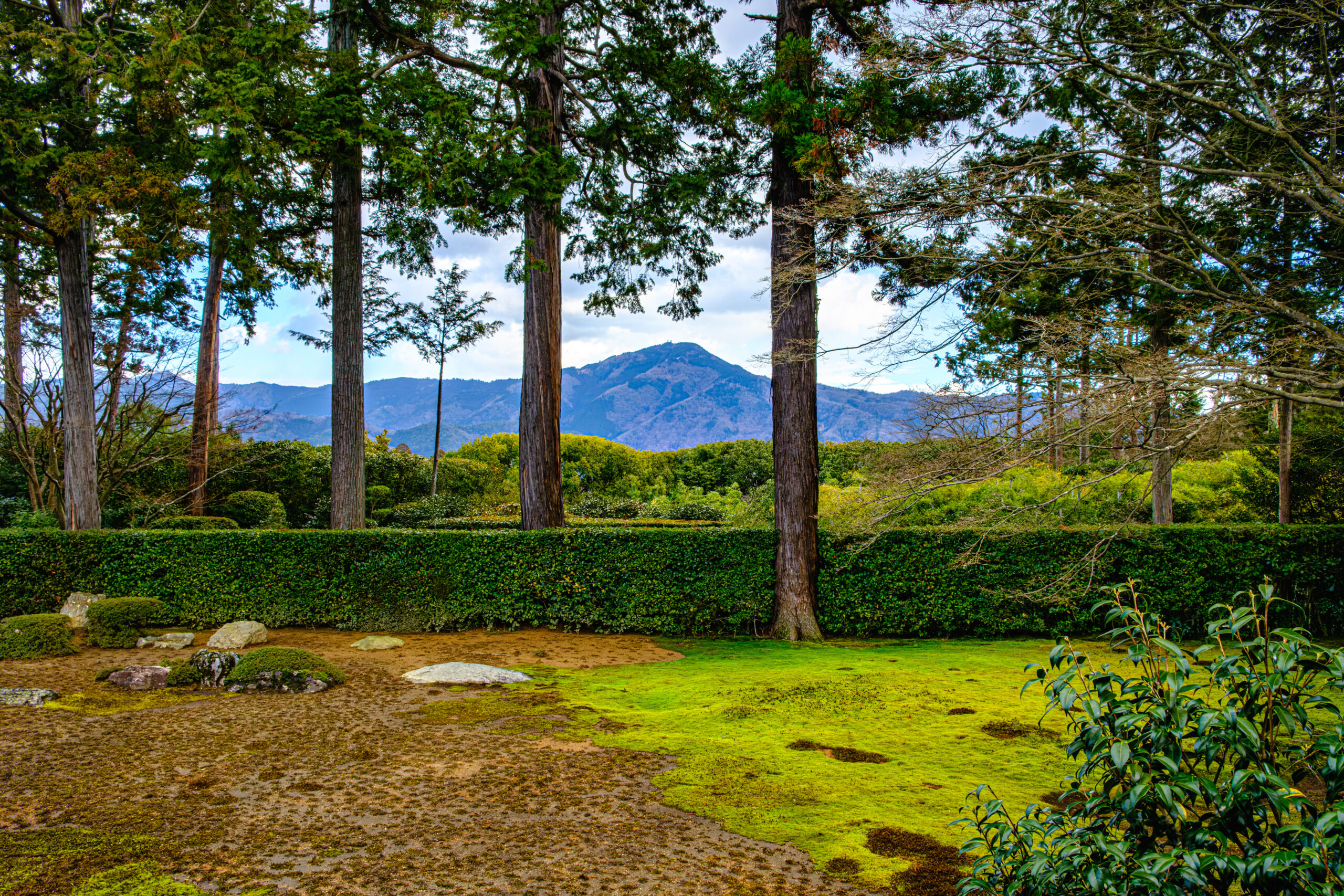
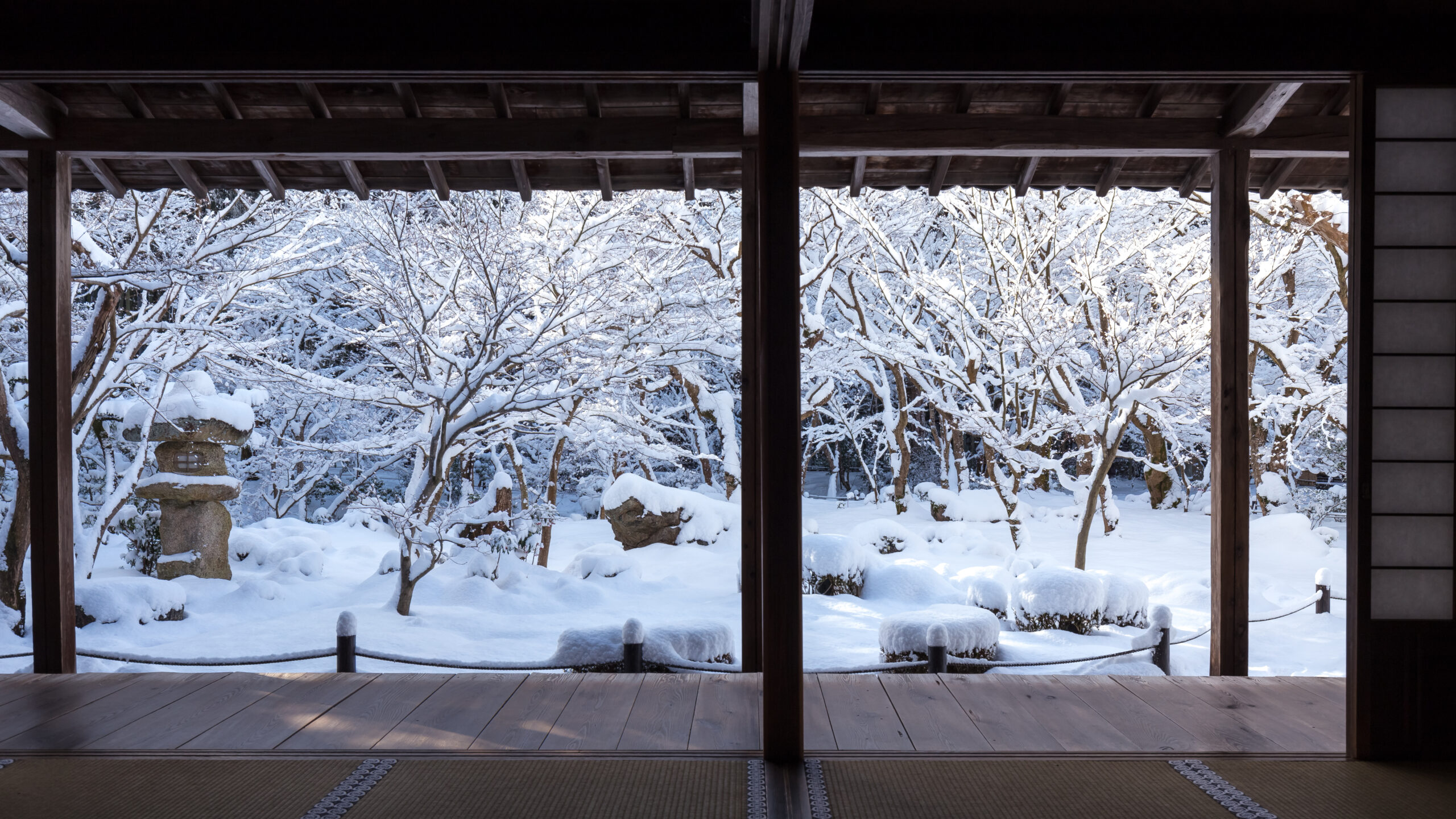
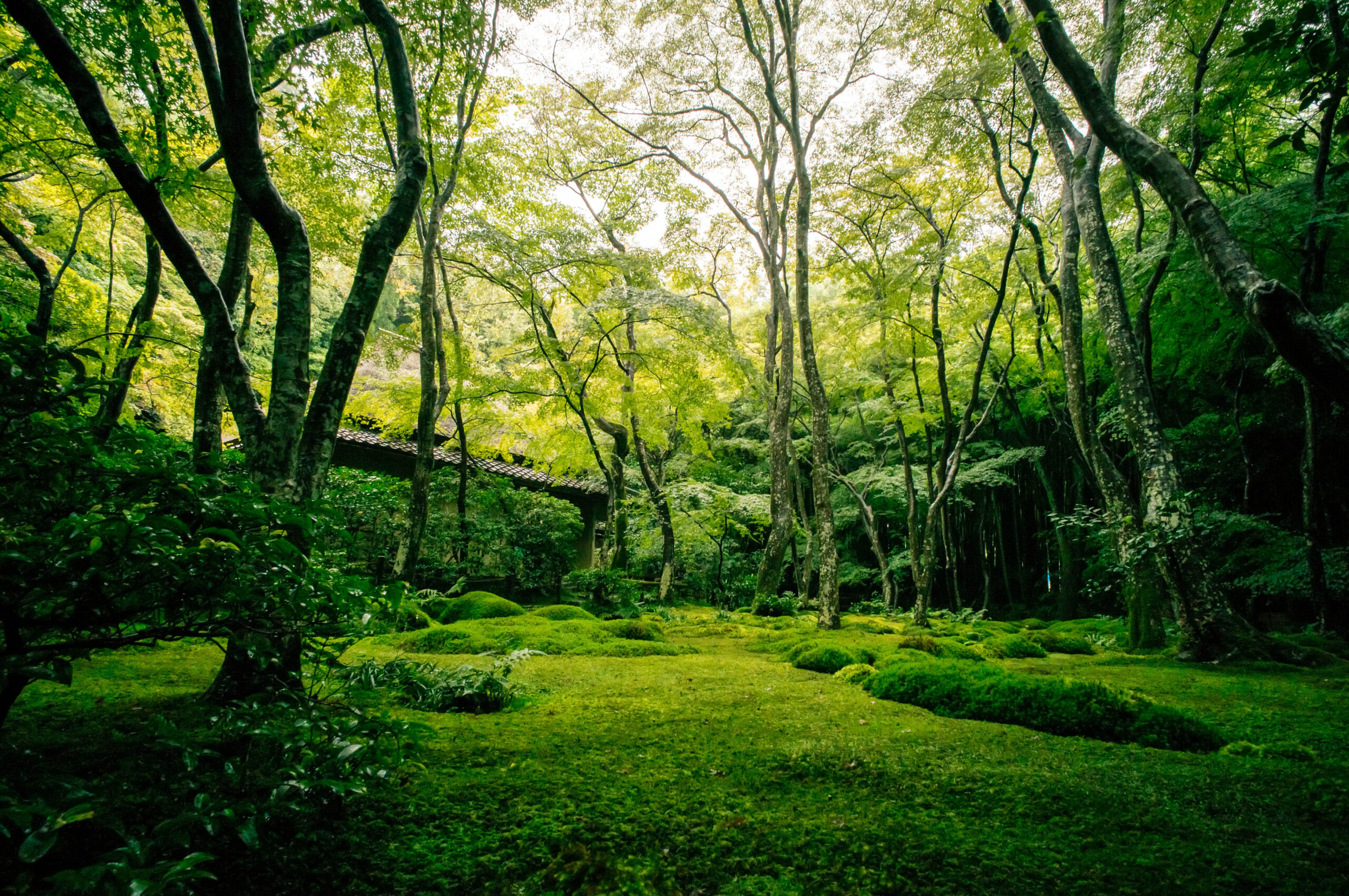
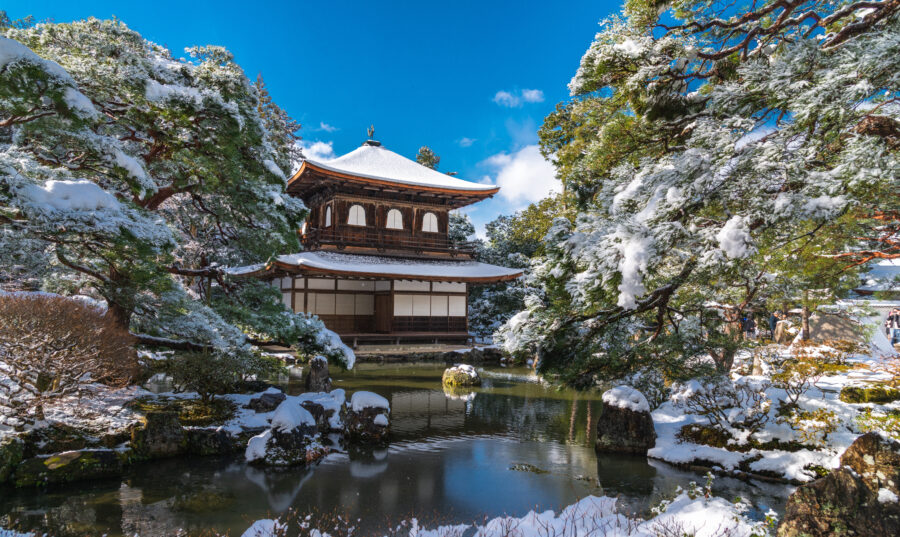
These gardens are worth visiting year-round, from cherry blossom season in spring to vibrant autumn foliage and the fresh greenery of early summer. Winter visits offer a quieter atmosphere with occasional snowfall. Depending on the time of day and season, they can offer moments of calm away from Kyoto’s busiest sightseeing areas.
These recommendations come directly from the Kyoto team at MACHIYA INNS & HOTELS, a Japan-based accommodation brand offering stays in traditional machiya townhouses and boutique hotels. If you’re also curious about Japan’s most celebrated landscape gardens, take a look at our separate guide to the Three Great Gardens of Japan.
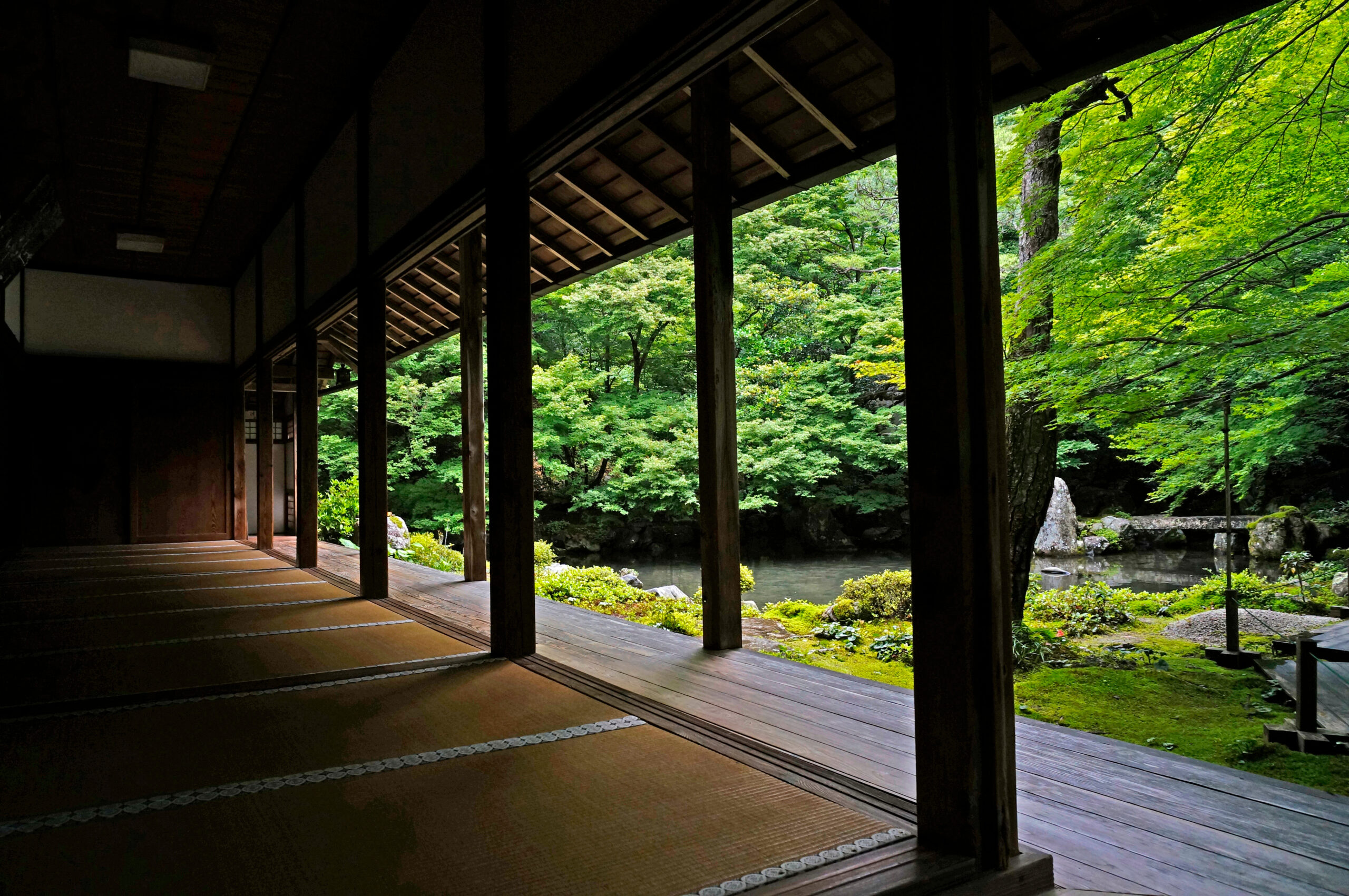
Renge-ji Temple is a Tendai sect temple that was relocated and rebuilt in 1662 by Imaeda Chikayoshi. The garden was added at the time of rebuilding, and now both sit in harmony at the foot of Mount Saimyoji. It’s a small, cozy garden that you’ll want to enjoy by sitting and observing, but it’s well worth the visit. The gate is located on a side alley, but you’ll know you’re in the right place by about 300 stone Buddhas on its left side!
You won’t need much time to explore the temple grounds (an hour is sufficient), so we suggest walking the Hiezan trail or visiting the Shugakuin Imperial Villa on the same day.
We particularly recommend visiting in the summer for its lush greenery, and autumn for its famous foliage.
Address: 1 Kamitakano Hachimancho, Sakyo Ward, Kyoto City, Kyoto Prefecture
How to get there:
7-minute walk from Miyakehachiman Station on the Eizan Electric Railway
A short walk from “Kamihashi” bus stop on the Kyoto Bus
Hours: 9:00 – 17:00


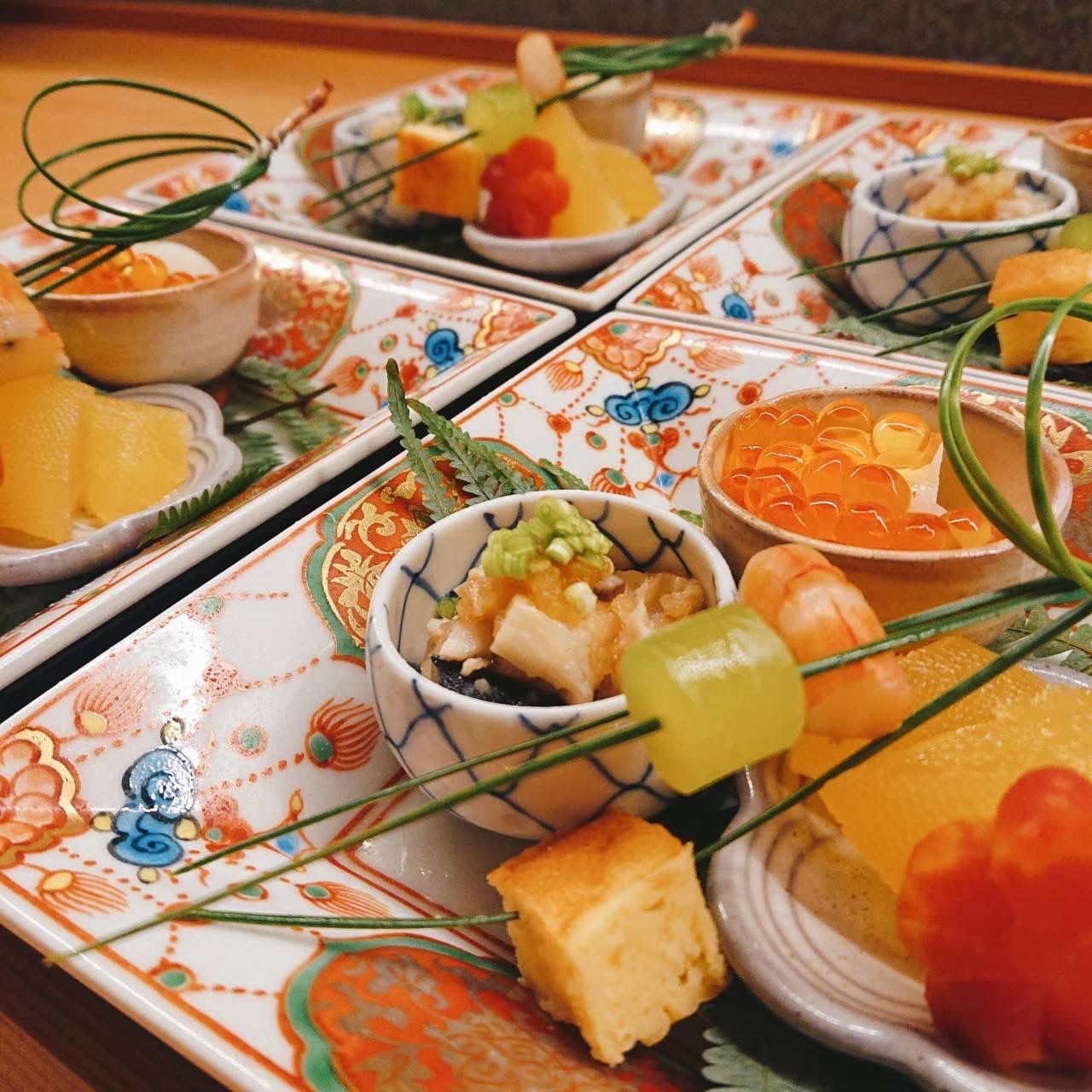
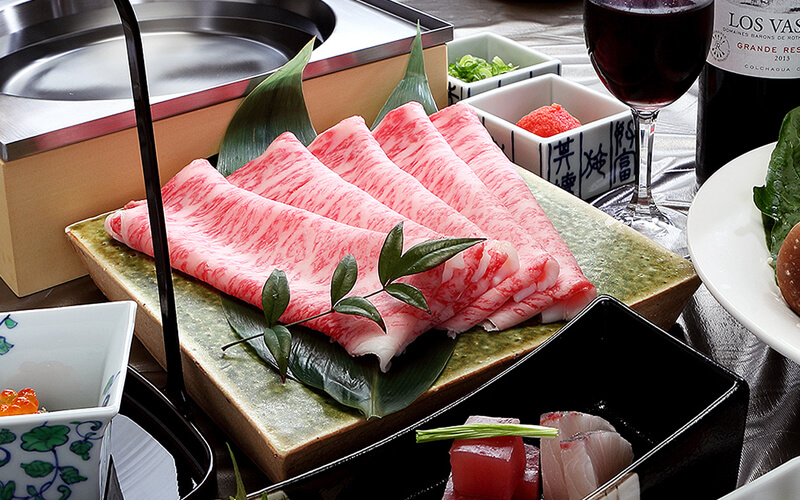
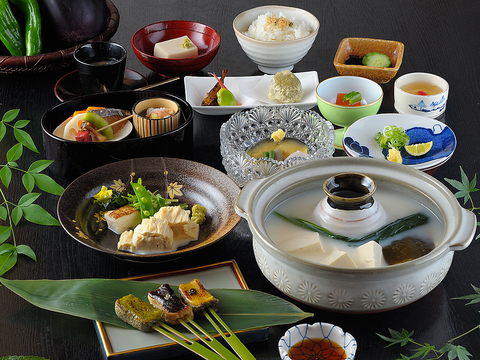
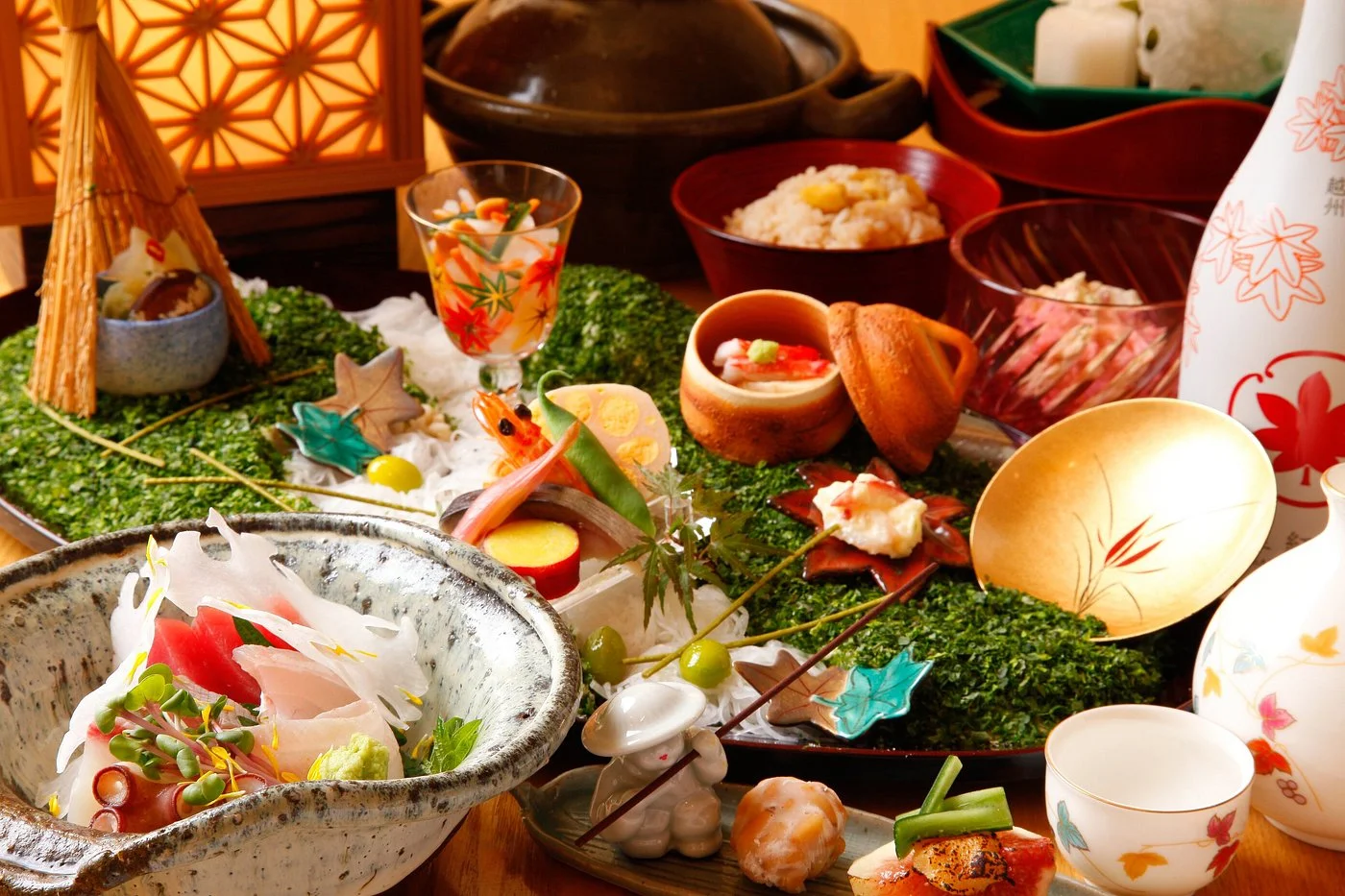
Experience authentic Japanese cuisine at the best restaurants in Japan as recommended by locals.
Book a table at top-rated restaurants to enjoy exquisite kaiseki (course-style) Japanese dinners.
Entsuji Temple and its famous garden are located in northern Kyoto, with scenic Mount Hiei as a backdrop. While less readily accessible by public transportation (the nearest train station is about a 17-minute walk away), this makes it a nice escape from the city’s crowded sightseeing spots.
Originally built as a villa of Retired Emperor Go-Mizunoo, Entsuji was converted into a temple in 1678 and later became an imperial prayer temple of Emperor Reigen. The garden at Entsuji Temple is a classic example of shakkei (borrowed landscape) design, framing Mount Hiei. For example, the garden’s maple and cypress trees strategically frame stunning views of the mountains beyond. Within the garden itself, there are over 50 types of camellia flowers and carpets of bright green moss.
It’s important to note that photography of the buildings is not permitted—although you can take pictures of the garden from inside the buildings, and of course of the garden itself. Just be mindful of any warning signs you see posted around when you visit.
Address: 389 Hataedacho, Sakyo-ku, Kyoto City, Kyoto Prefecture
How to get there:
Approx. 25-minute walk from Kyoto-Seikadaimae Station on the Eizan Electric Railway
Approx. 3-minute walk from “Entsuji-mae” bus stop on the Kyoto Bus
Hours:
10:00 – 16:30 (April-November)
10:00 – 16:00 (December-March)
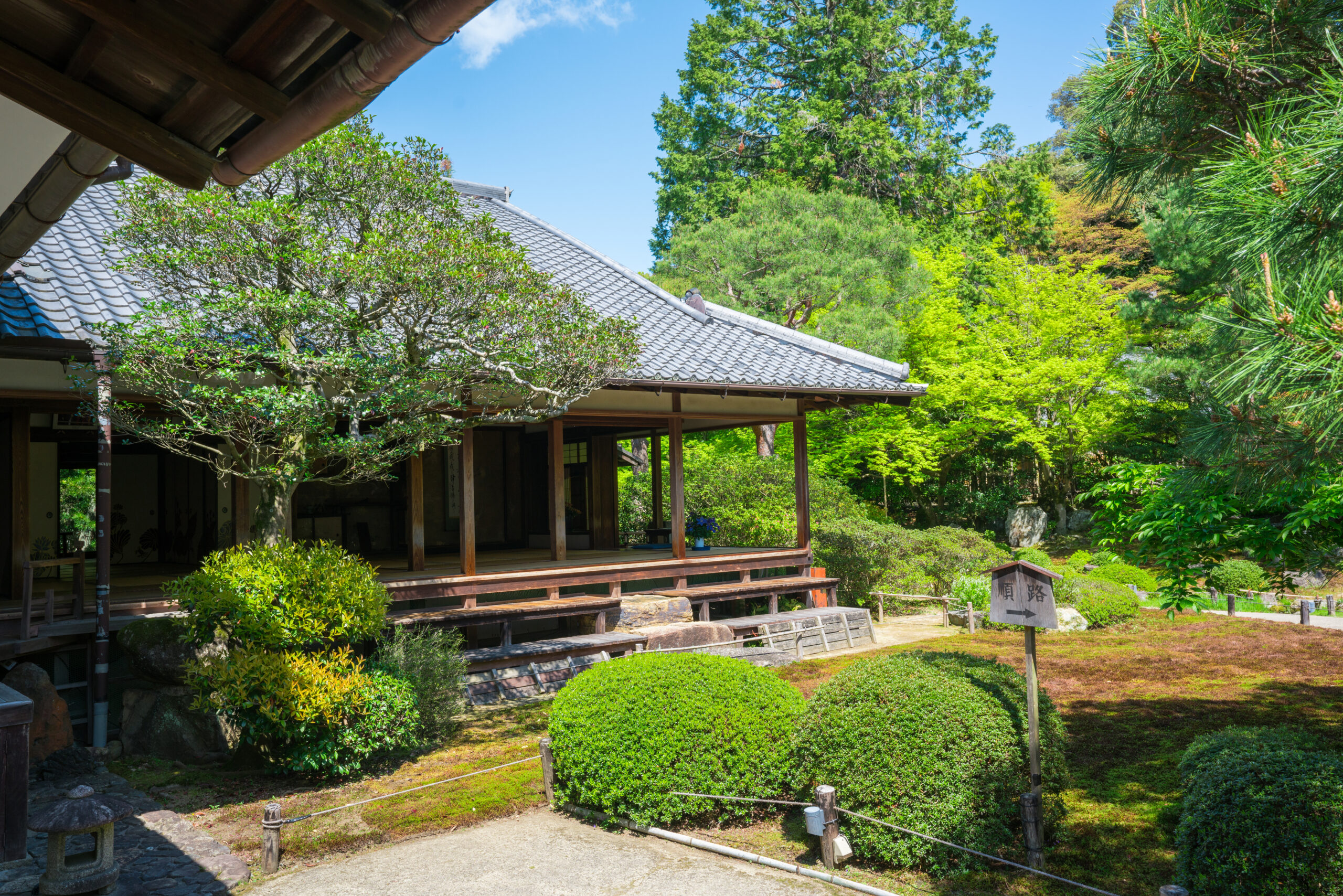
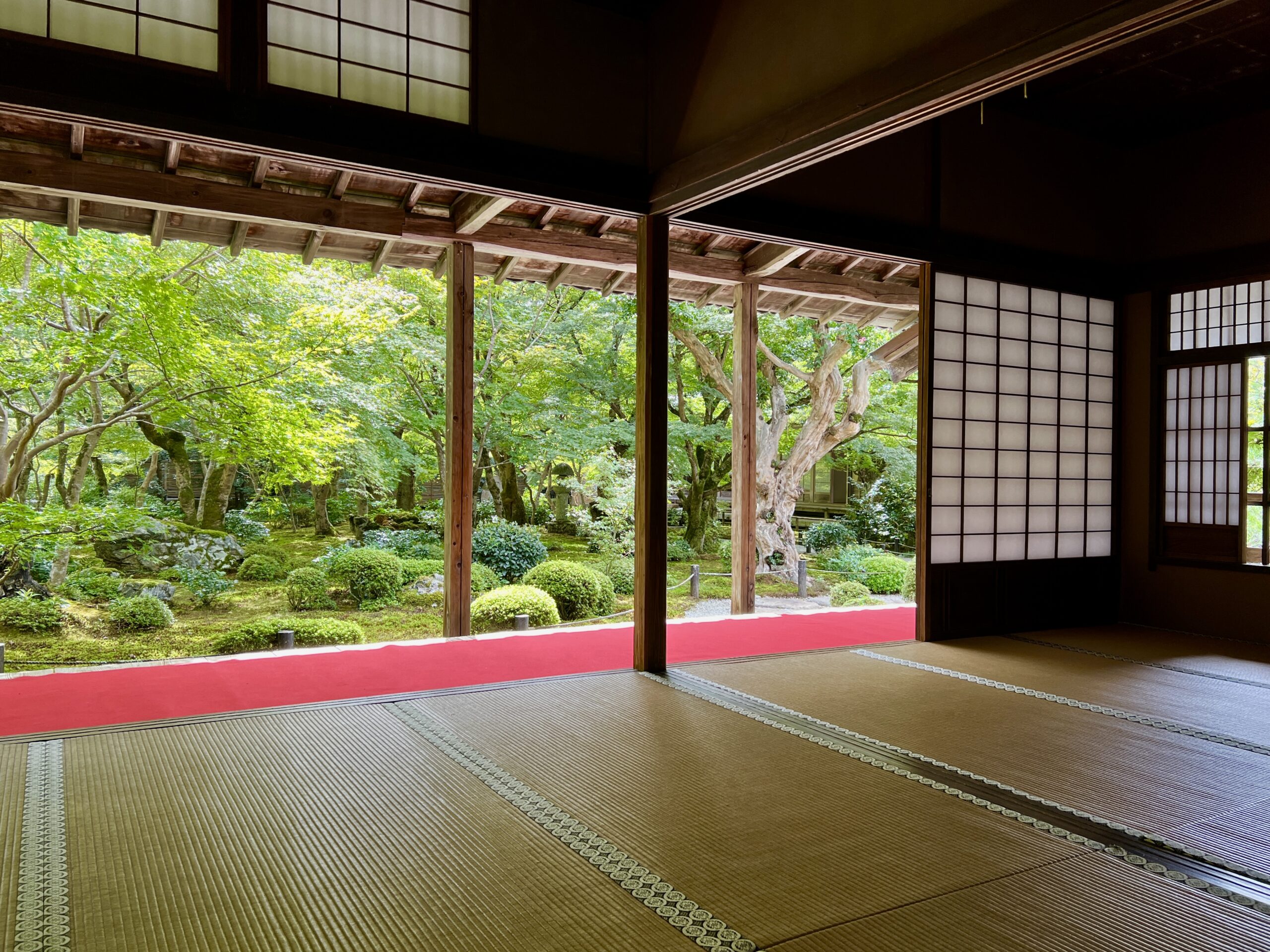
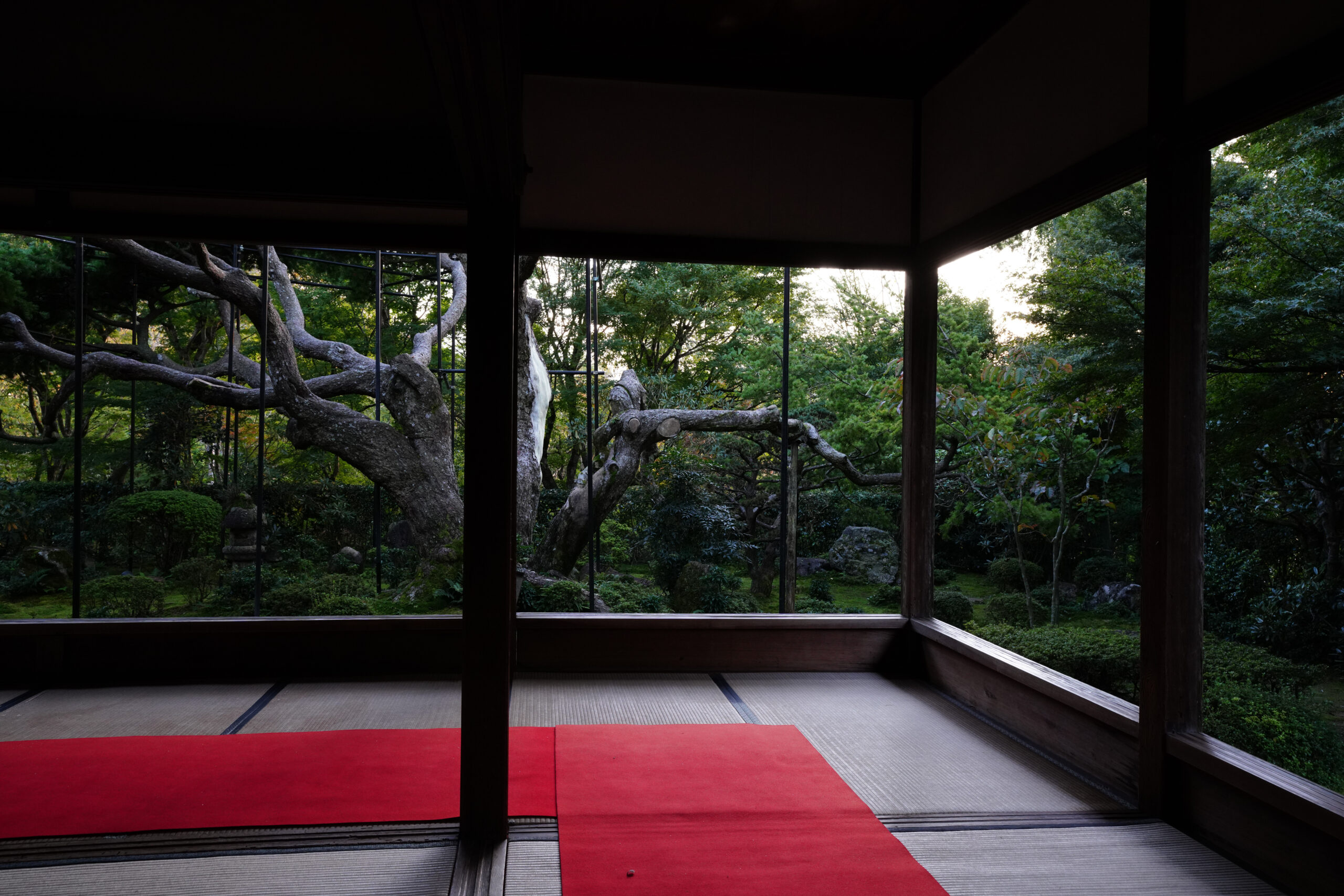
Enkoji Temple was originally established as an educational institution for samurai by Shogun Ieyasu Tokugawa in 1601, where both samurai and monks learned Confucianism. Now, it’s most famous for being a “framed garden” (額縁庭園 – gakuen teien) where the wooden pillars of the temple structure create a natural picture frame for the surrounding landscape.
While Enkoji has become increasingly well-known, it still offers a more relaxed atmosphere compared to Kyoto’s busiest temple sites, particularly outside of peak autumn hours.
The spacious garden is designed as a strolling garden, with differently styled sections. One area called the “Ten Cows Garden” features Japanese maple trees, bamboo, and moss-covered rocks, and creates a feeling of full immersion in nature. You can also enjoy it from the tatami room viewing area to take in a moment of zen.
Visiting on a Sunday? If you make a reservation in advance, you can join the Sunday morning zen meditation from 7:00am–8:30am (reservation required in advance).
Address: 13 Otari-cho, Ichijoji, Sakyo-ku, Kyoto City, Kyoto Prefecture
How to get there: 17-minute walk from Ichijoji Station on the Eizan Electric Railway
Hours: 9:00 – 17:00
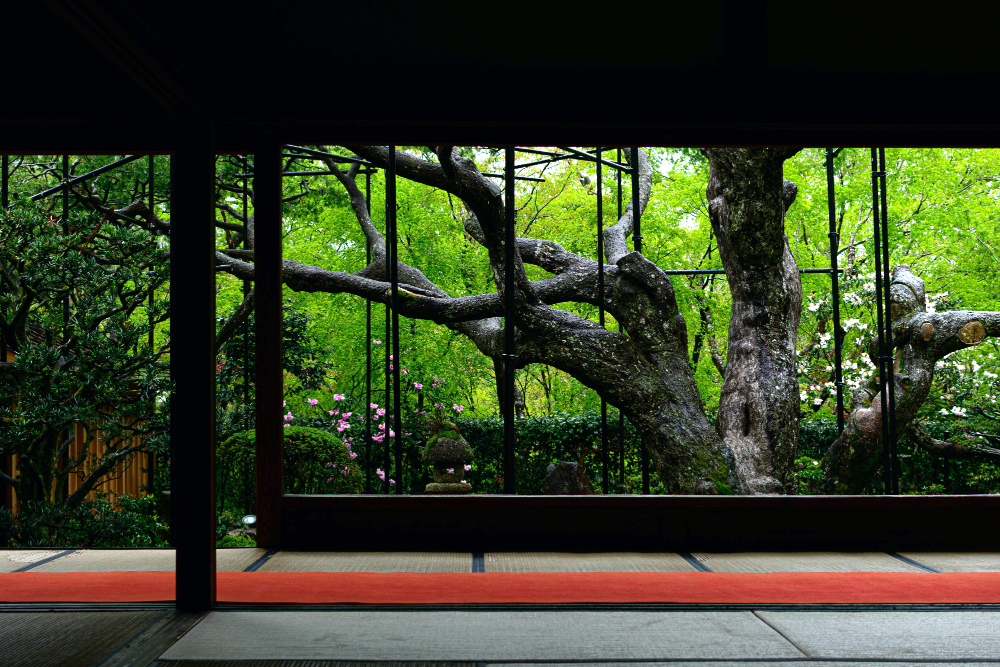
Hosen-in Temple is one of our favorites temples in Kyoto, and one of the best places to visit to enjoy the seasons. Its gardens include a variety of trees (including Japanese cherry blossoms), a bamboo grove, and a pine tree over 700 years old!
In spring, flowers bloom, while the entire landscape is overtaken with deep green in summer. During the autumnal season, the leaves of Japanese maples turn brilliant red and orange. And in winter, snowfall creates stark and arresting contrasts of dark and light across the rocks and bare branches.
Built during the Heian Period in 1013, it served as lodging for the priests and visitors of nearby Shorin-in Temple. You might be surprised to learn that part of its ceiling is constructed from blood-stained wooden floorboards. These floorboards were taken from Fushimi Castle after its last defenders committed ritual suicide in 1600, and then shared among other temples so that prayers could be offered for the souls of the departed warriors.
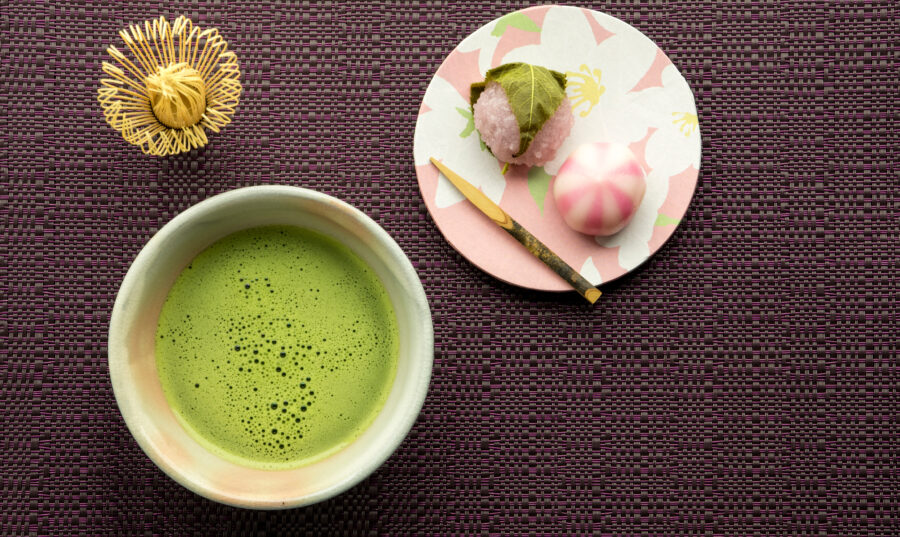
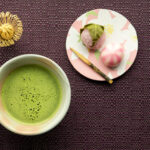
Traditional matcha tea and a wagashi (Japanese confectionery sweets) are served to visitors in the tatami-lined reception hall.
Did You Know? Green tea was historically used in Zen practice to help maintain alertness during meditation, and later became closely associated with samurai culture. Zen was all about divesting oneself of earthly desires, including the desire for sleep. Read more about samurai and shogun in Japan, and our recommended sightseeing spots to get up-close and personal with authentic samurai history.
Address: 187 Ohara Shorin-in-cho, Sakyo-ku, Kyoto Prefecture
How to get there: 10-minute walk from “Ohara” bus stop on the Kyoto Bus
Hours: 9:00 – 17:00 (reception closes at 16:30)
Entrance Fee:
– Matcha tea and wagashi sweet is included in the admission fee
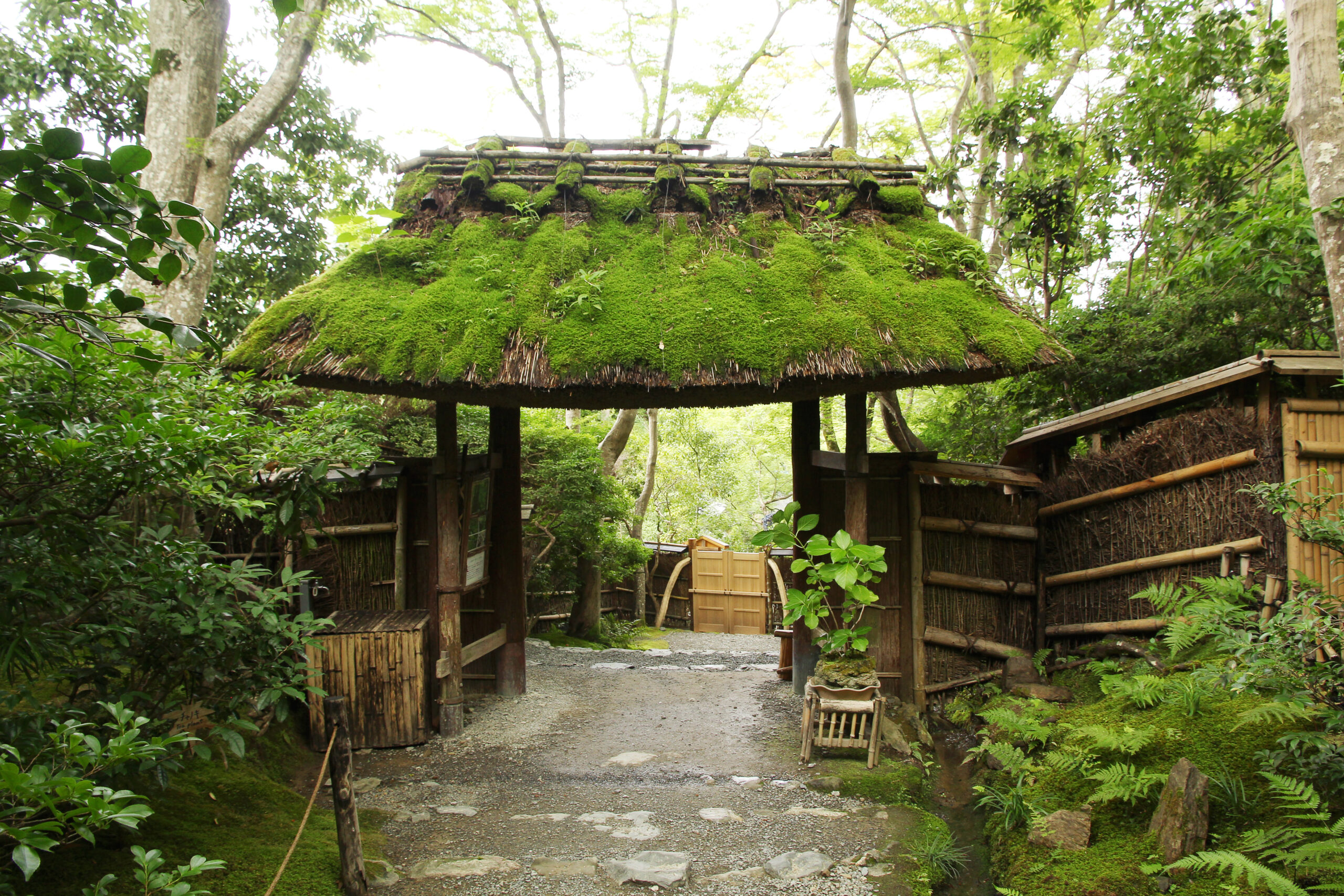
Compared to more famous moss gardens such as Saiho-ji, Gio-ji offers a more accessible and generally quieter alternative. Located near Arashiyama, it is a small temple known for its lush moss garden and intimate atmosphere. Come here to avoid the crowds and enjoy a peaceful afternoon after visiting the Arashiyama Bamboo forest. It’s a quiet, modest place with dense trees providing lots of shade, and thus a perfect place of zen to add to any traveler’s itinerary.
Gio-ji Temple features a vibrant moss garden shaded by dense trees, along with bamboo groves, seasonal maples, and a small hall housing Buddhist statues. The temple takes its name from Gio, a dancer of the Heian period who fell out of favor with Taira no Kiyomori and later became a nun. You’ll certainly feel hidden from the world here!
While it is less crowded than many major sites, it can still be busy during peak sightseeing hours, so visiting early in the day is recommended for a more peaceful experience.
Important Details Regarding Photos
Address: 32 Sagatoriimoto Kosakacho, Ukyo Ward, Kyoto City, Kyoto Prefecture
How to get there:
25-minute walk from Saga-Arashiyama Station on the JR Sanin Main Line (aka Sagano Line)
15-minute walk from “Saga Shakado-mae (Seiryoji Temple)” bus stop on the Kyoto Bus
Hours: 9:00 – 16:30
Entrance Fee:
– Gio-ji Temple Only or
– Gio-ji Temple & Daikaku-ji Temple Hall (Combined Admission) available
Experience authentic Japanese cuisine at the best restaurants in Japan as recommended by locals.
Book a table at top-rated restaurants to enjoy exquisite kaiseki (course-style) Japanese dinners.
 ×
×