Kyoto is a popular tourist destination in Japan. It’s home to many fascinating areas, including the Shimabara district. But what is Shimabara, and why should you add a visit there to your Kyoto itinerary?
Our local experts in Kyoto explain all you need to know about the Shimabara district in Kyoto below. If you intend to visit the area, this guide will help you build the ideal plan for your trip!
A hanamachi (also known as a ‘flower district’ or ‘entertainment district’) is an area that features geiko and maiko — specialists in music, dancing, and hosting. You’ll recognize these performers by their spectacular kimonos, special make-up, and distinctive hairstyles.
The most famous hanamachi in Kyoto is in Gion, but there are a total of five active hanamachi in the city currently. The Shimabara area is not an active hanamachi, but is still remains an important part of Kyoto’s history due to its status as a former flower district, attracting visitors from around the world.
You’ll find the Shimabara district to the west of the Nishi-Honganji Temple on Hanayacho Street. It’s only a short walk from JR Tambaguchi Station, near Kyoto Station.
The Kyoto Shimabara district was established in 1640. Shimabara began as an entertainment district, then gradually became a hanamachi and remained active until the 1970s. In the decades since, the Shimabara district has evolved into a residential area. While it hasn’t been a hanamachi for several decades, Shimabara is rich in historical and cultural interest. It has some fascinating, beautiful sights to see on your Kyoto adventure.
By Train: The closest station to Shimabara is JR Tambaguchi Station (JR San’in Line), just a 5–10 minute walk the famous Shimabara Gate.
By Bus: Several Kyoto City Bus routes stop near the area. Buses heading toward Nishi-Honganji (a short walk from Shimabara) are a convenient option if you’re making use of a Subway & Bus 1-Day Pass.
By Foot or Bicycle: If you prefer exploring the city by walking, Shimabara is approximately 20-25 minutes from the main JR Kyoto Station. The area is also flat and can be navigated easily by bikes, another great way to get around Kyoto city at your own pace.
Here are a few local places we recommend you add to your ‘to-see’ list when planning your trip to Shimabara, Kyoto:
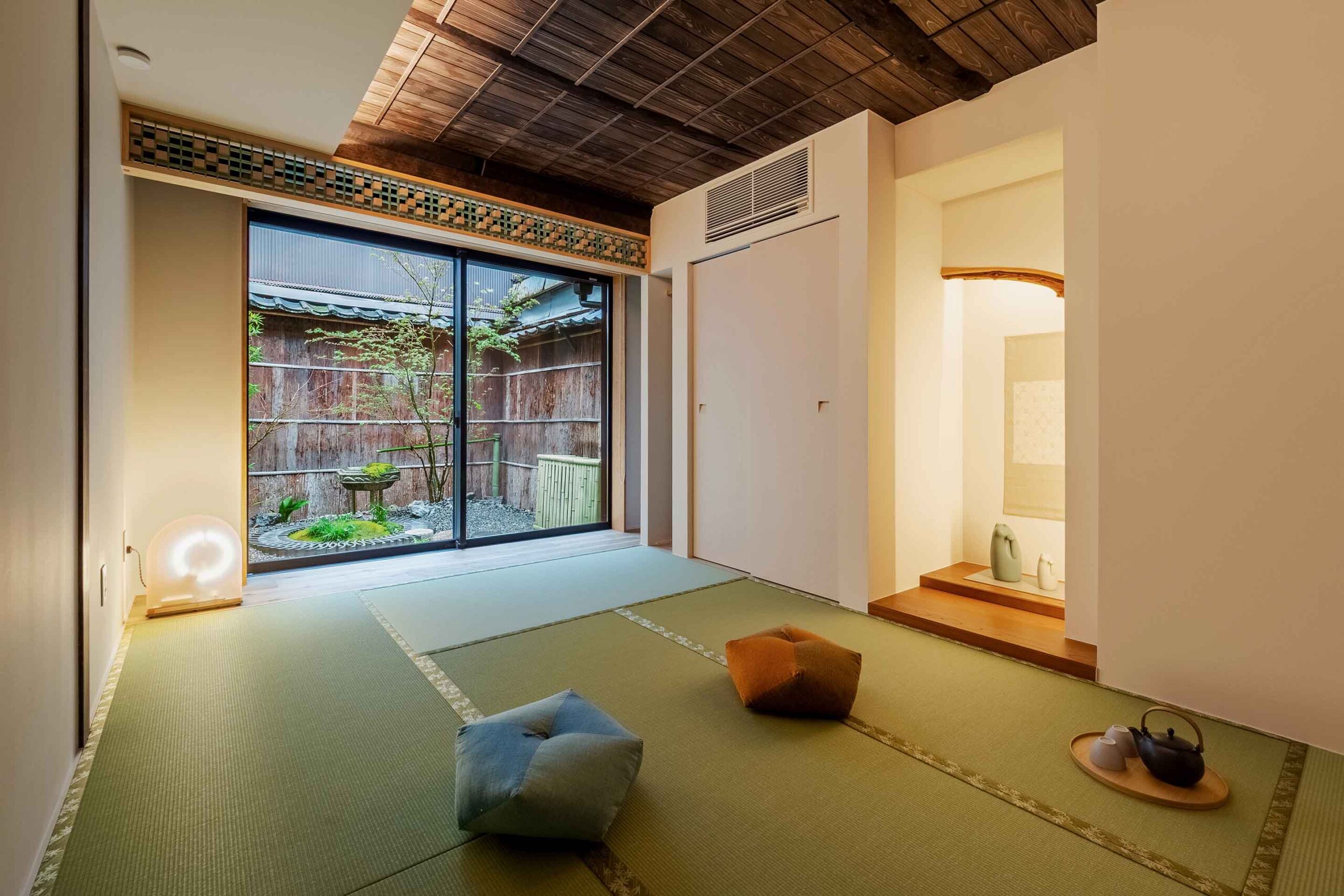
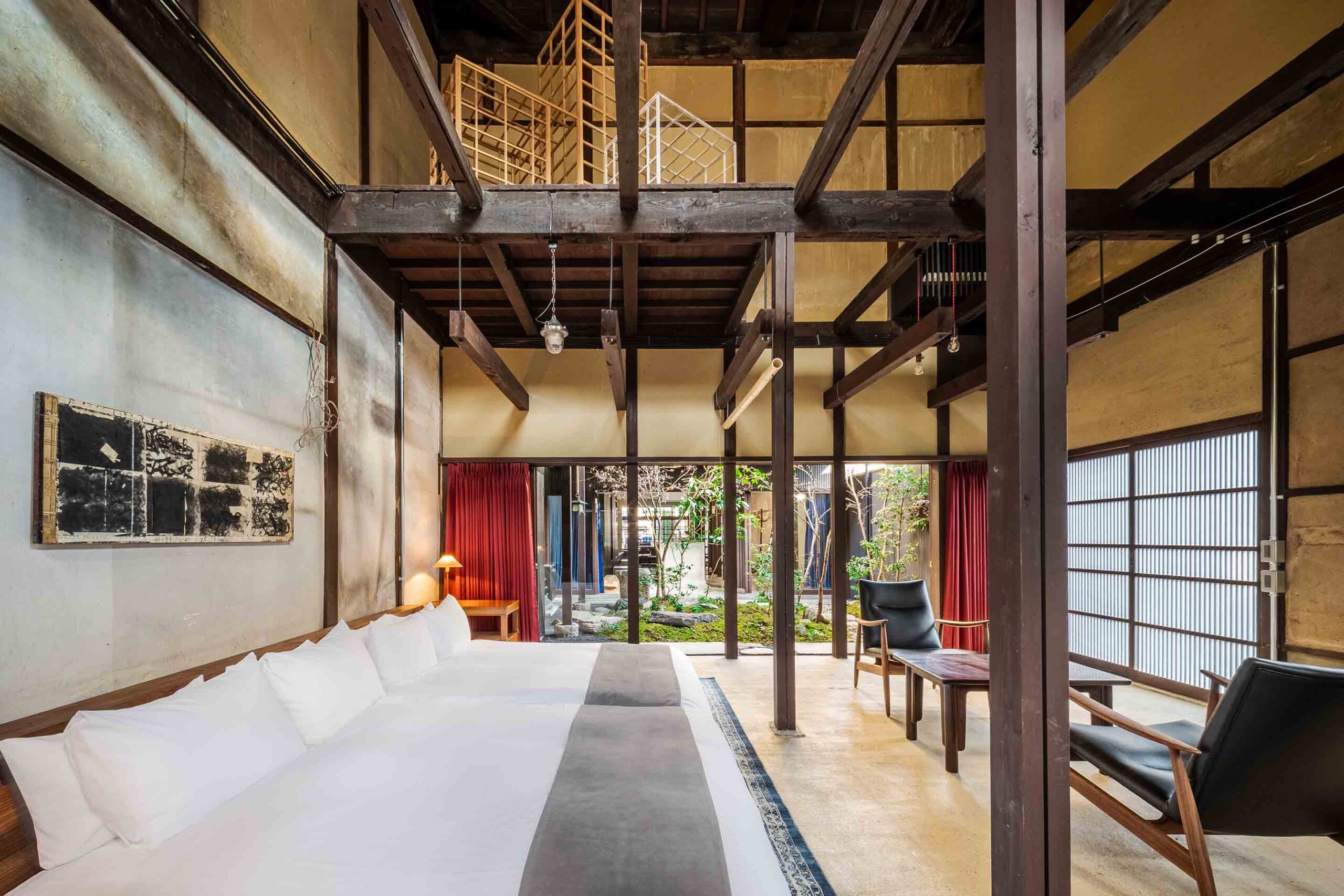
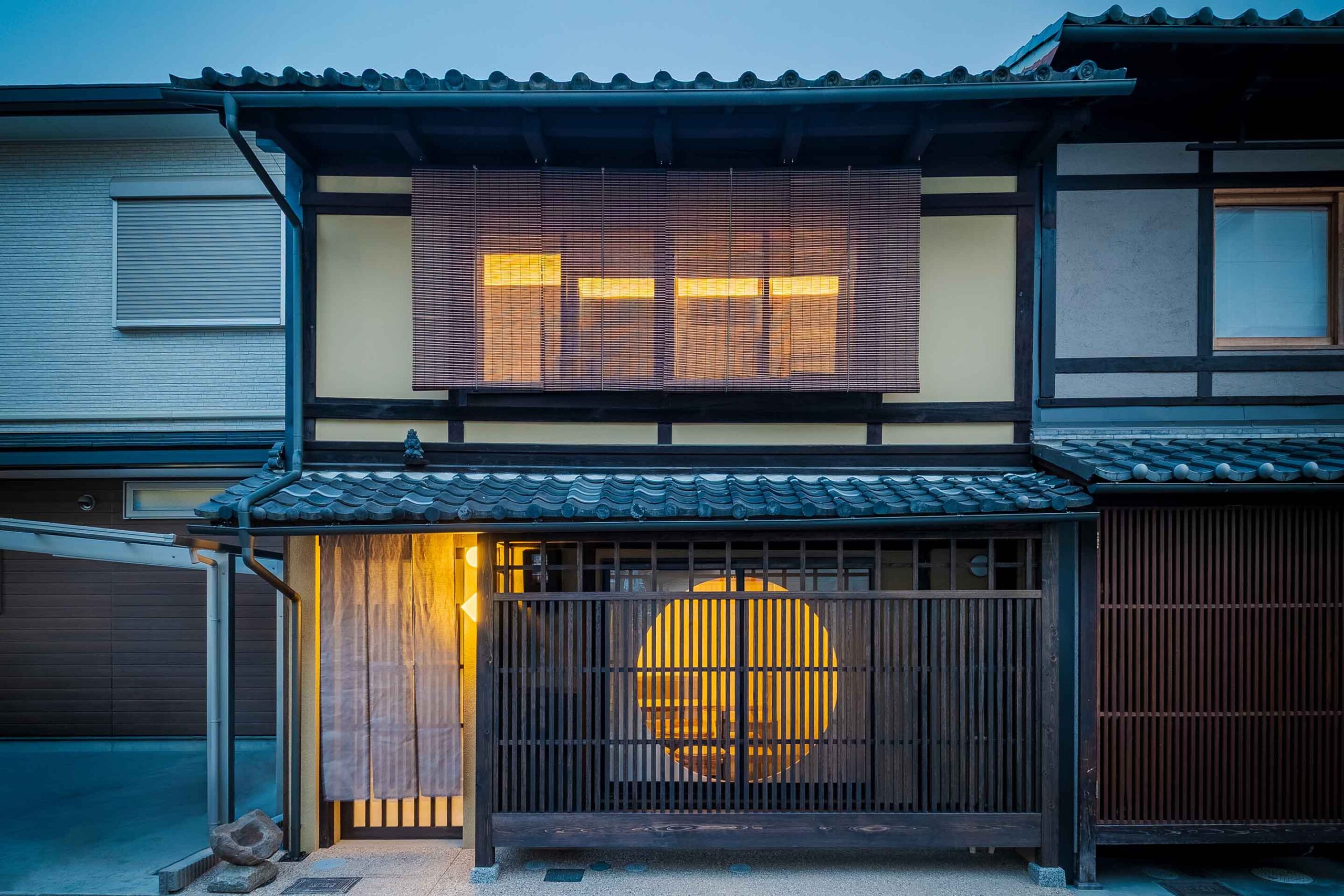
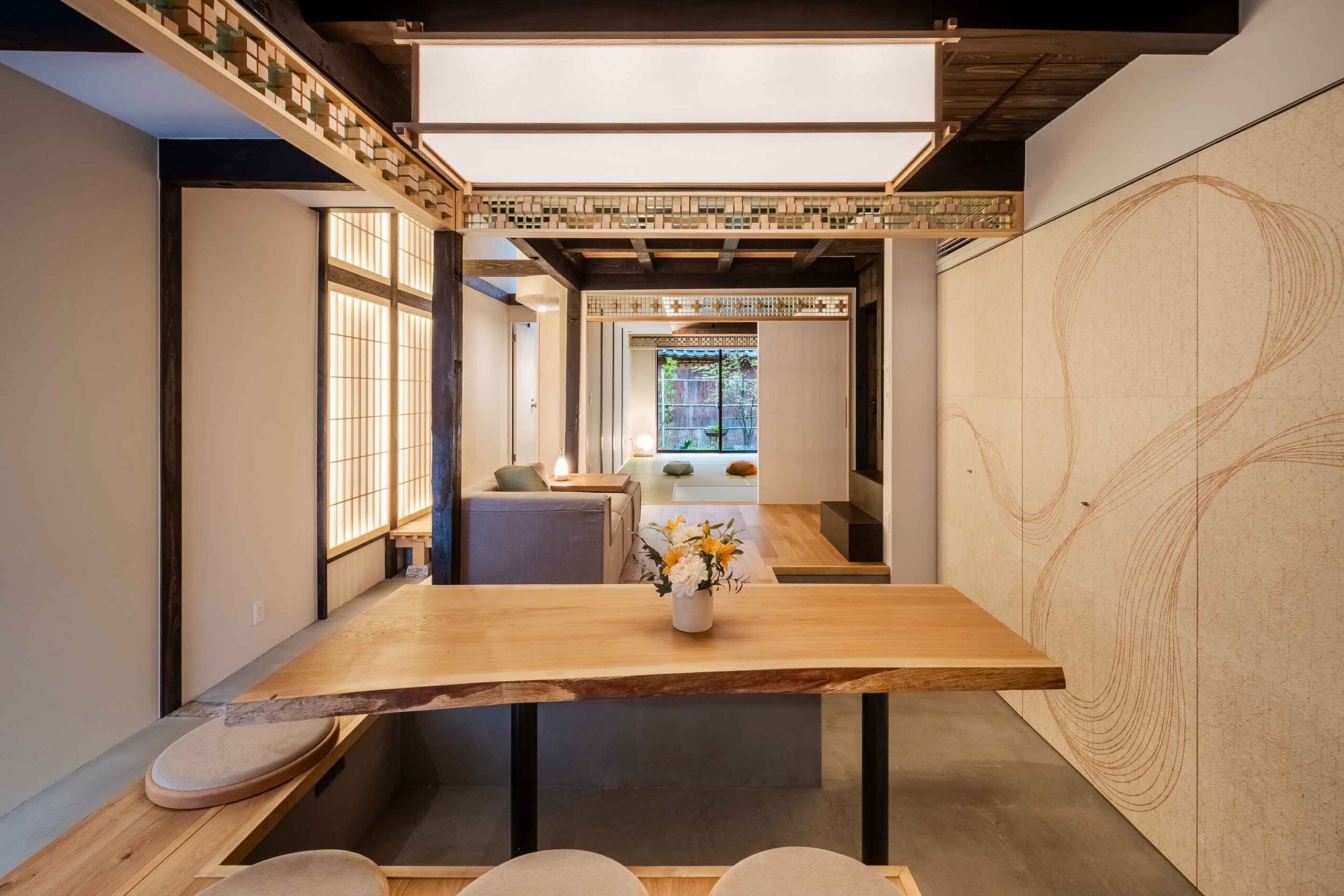
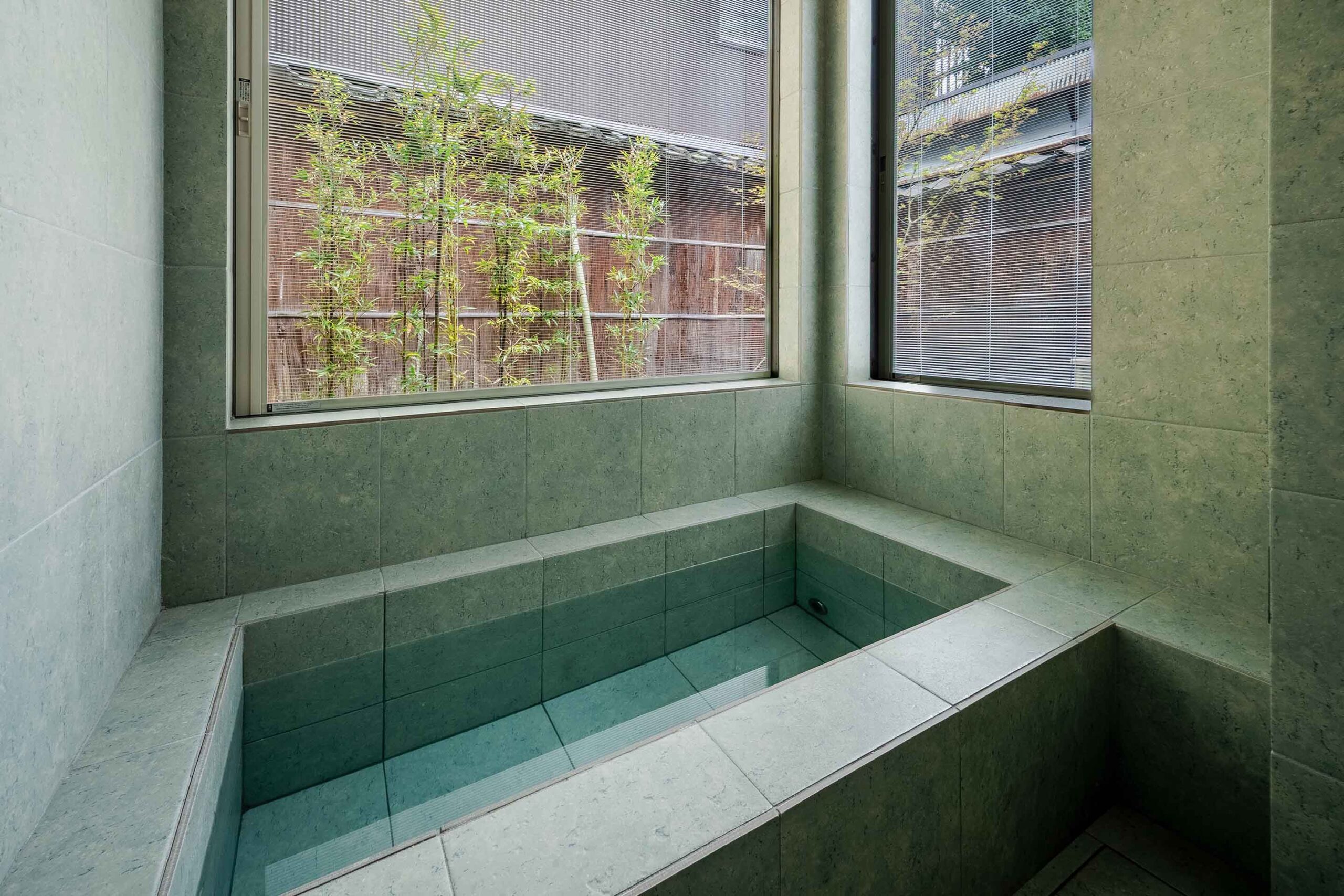
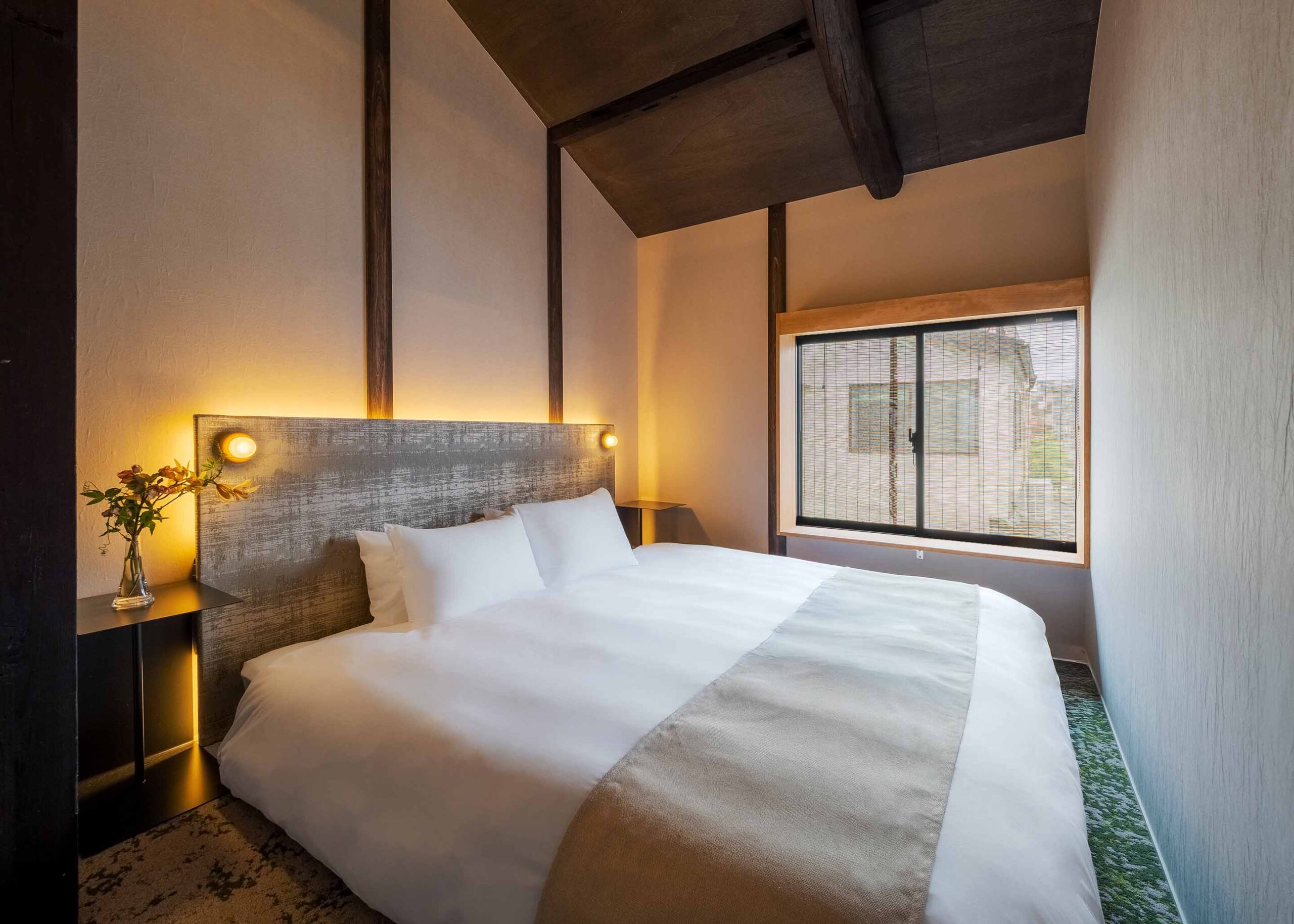
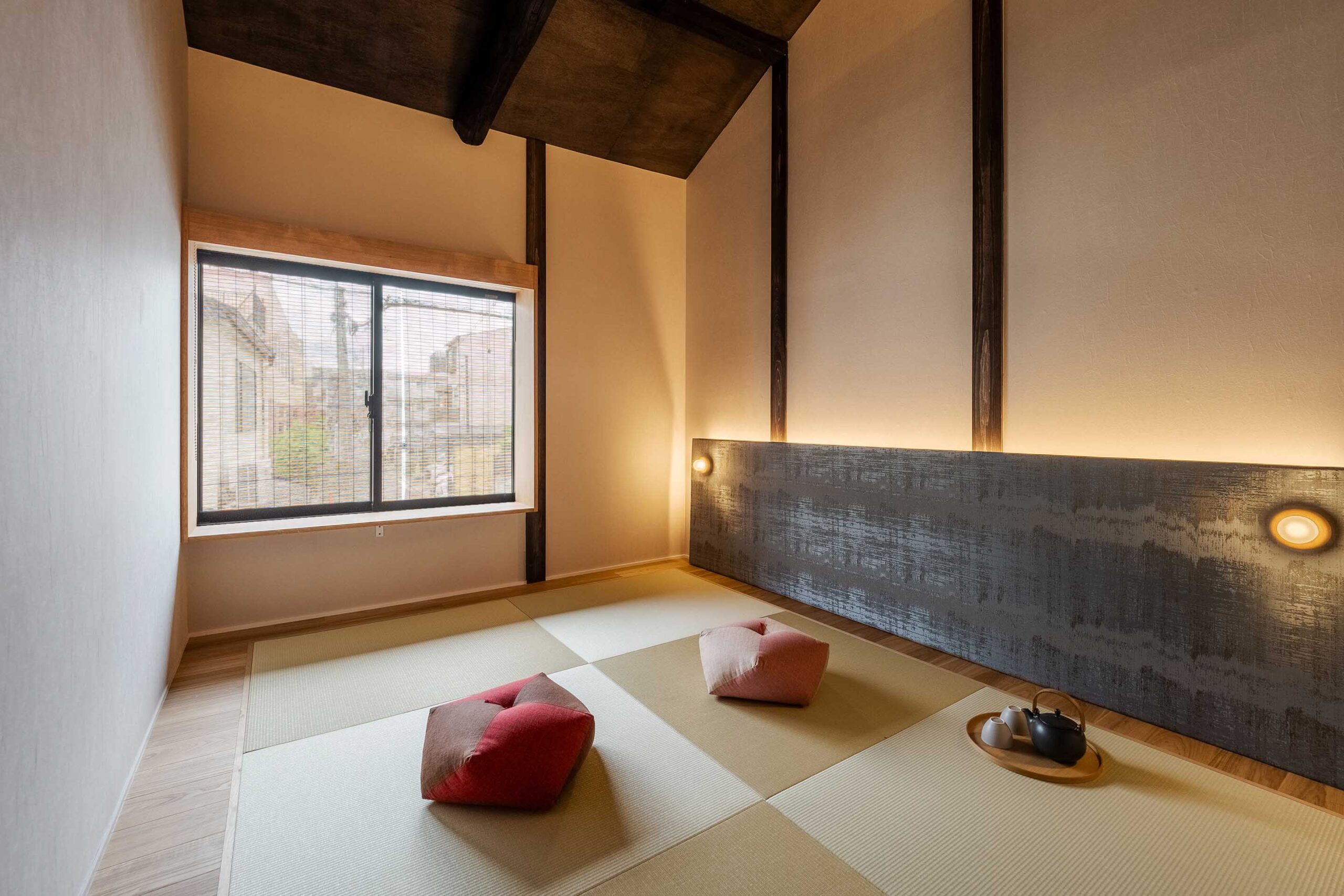
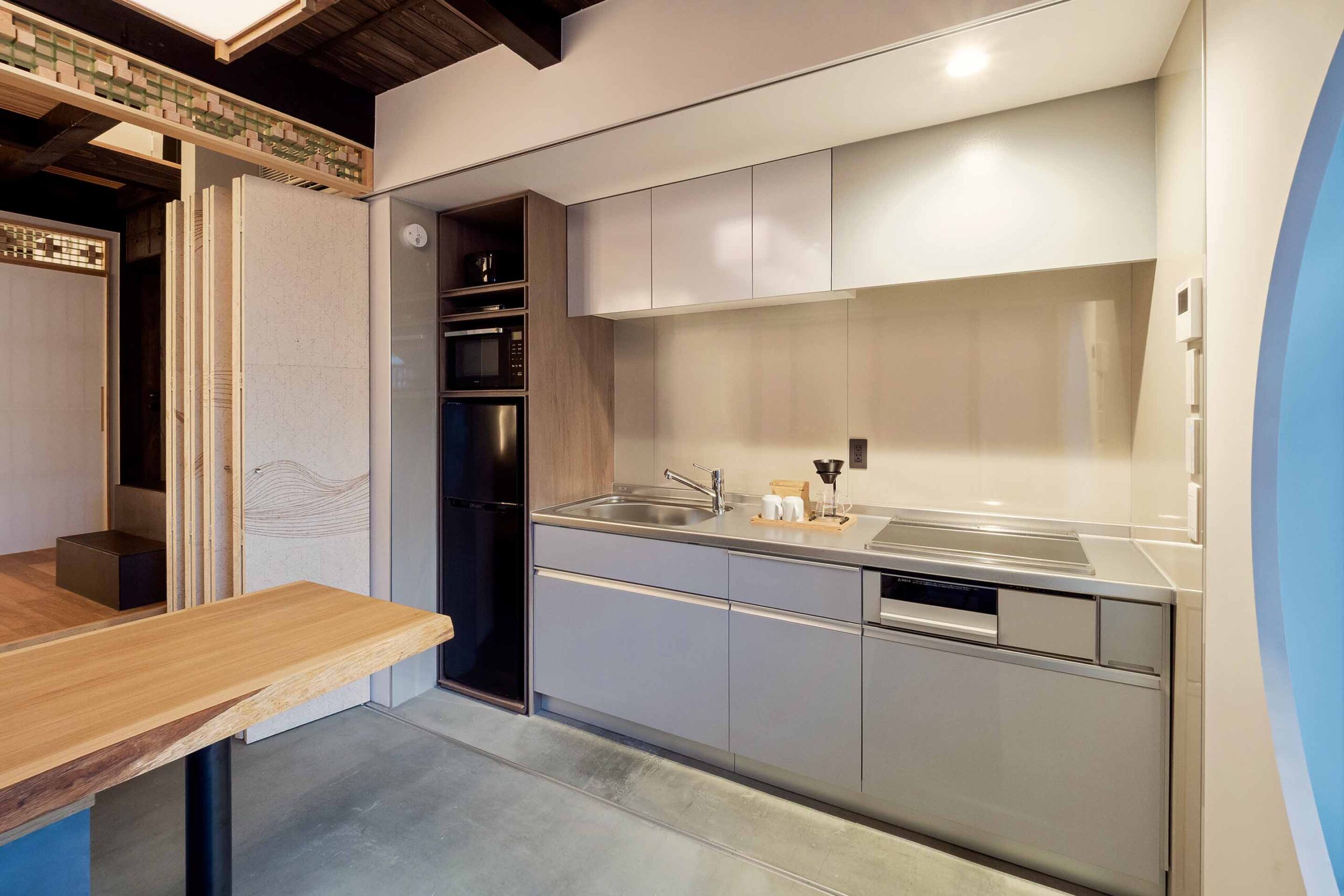
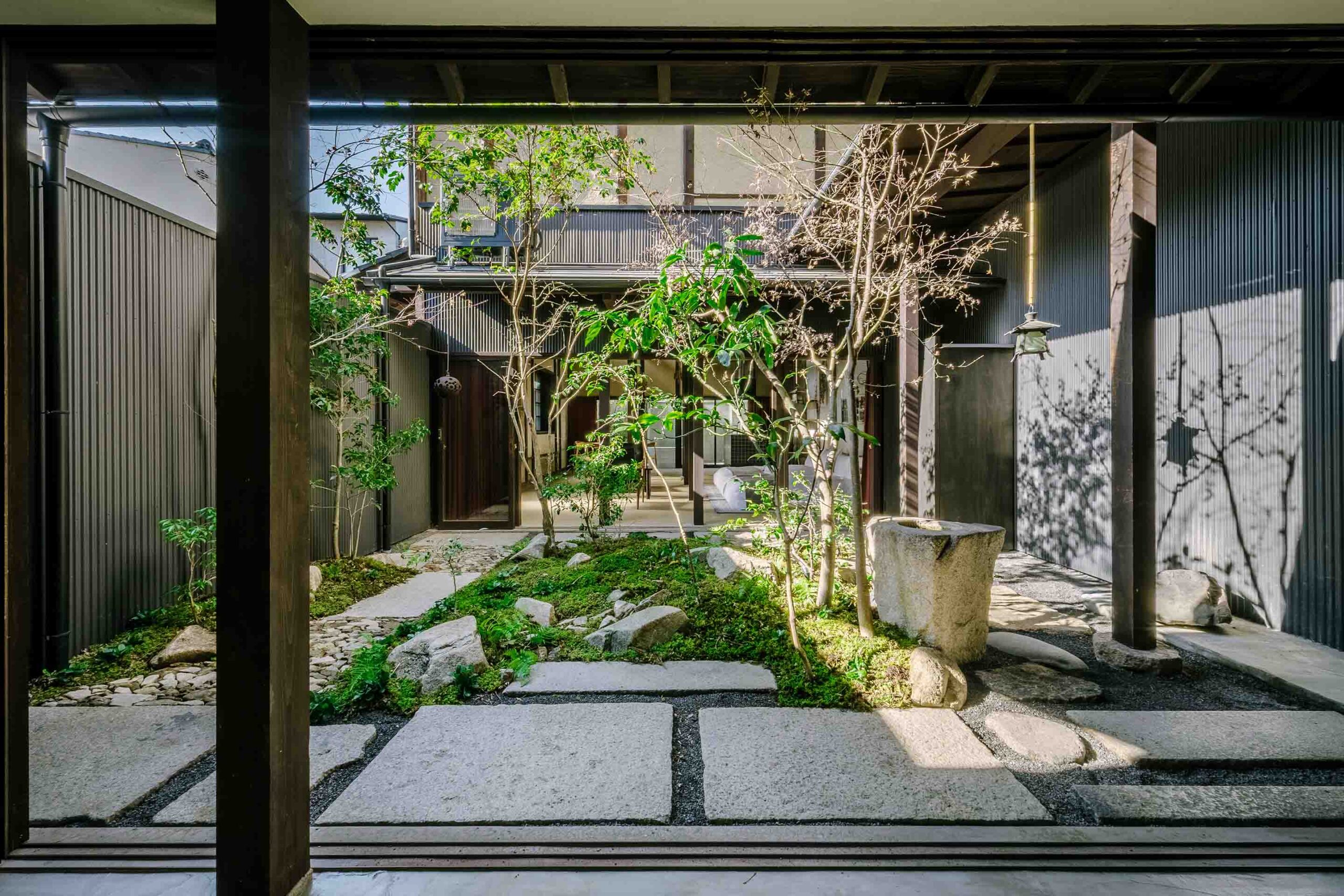
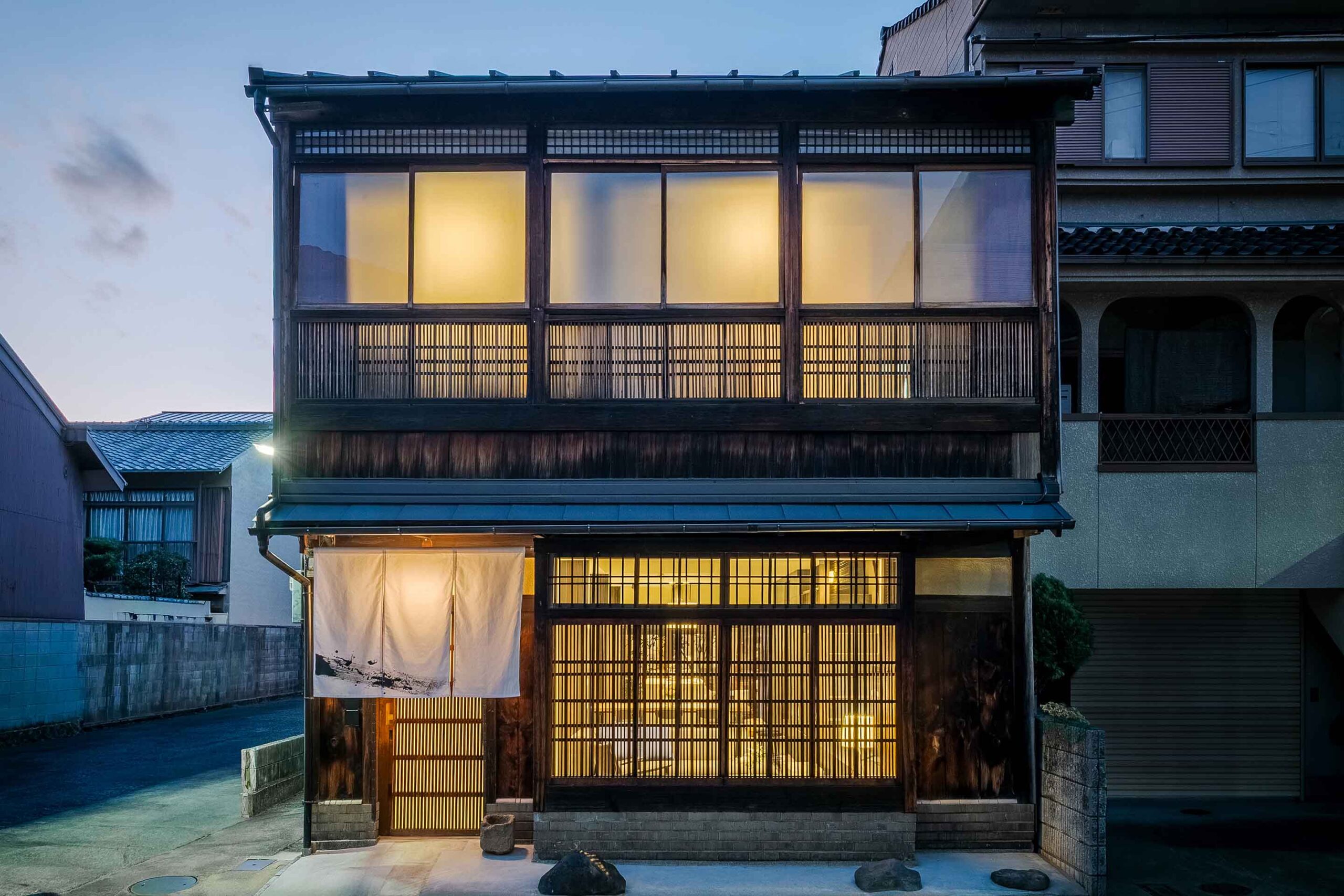
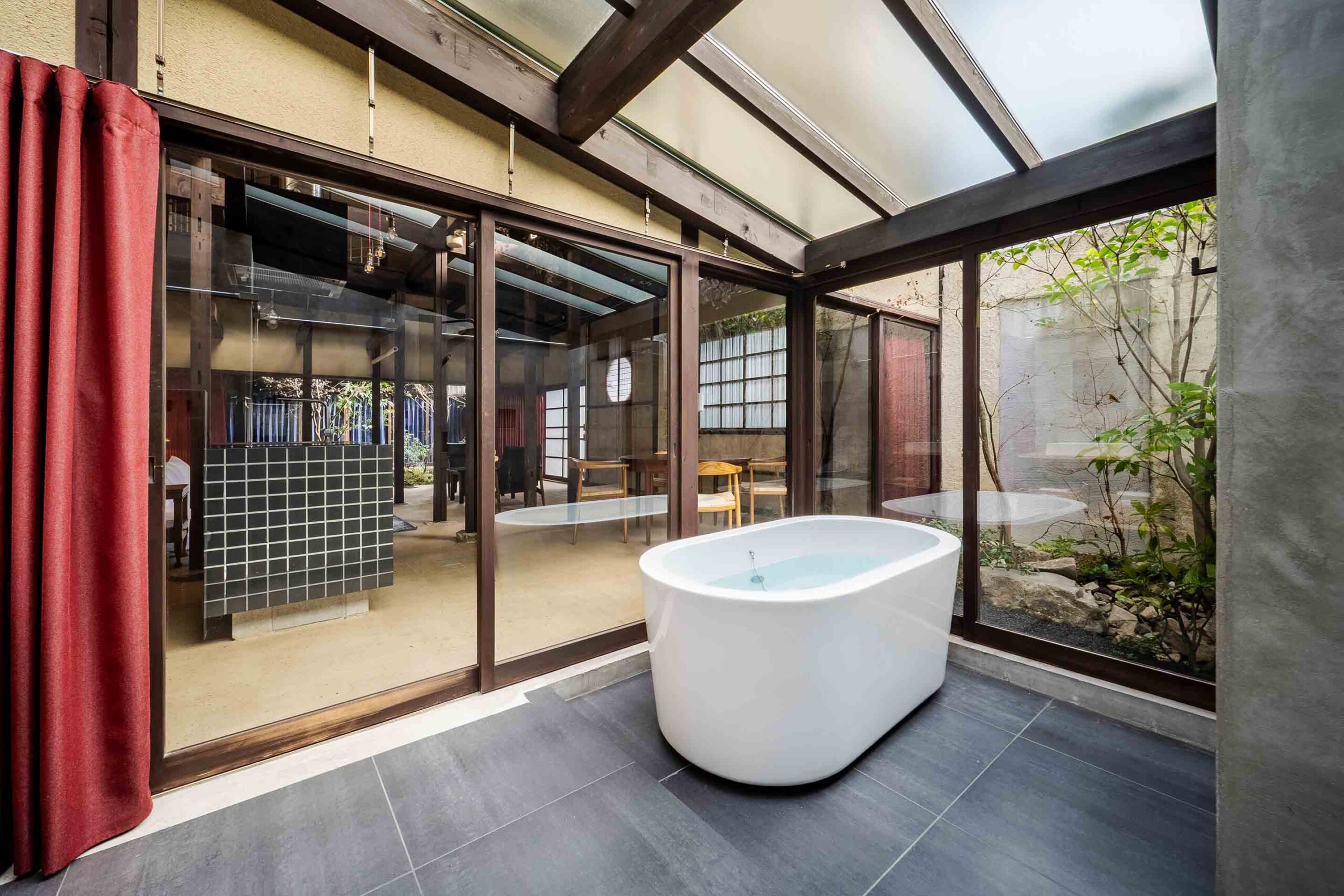
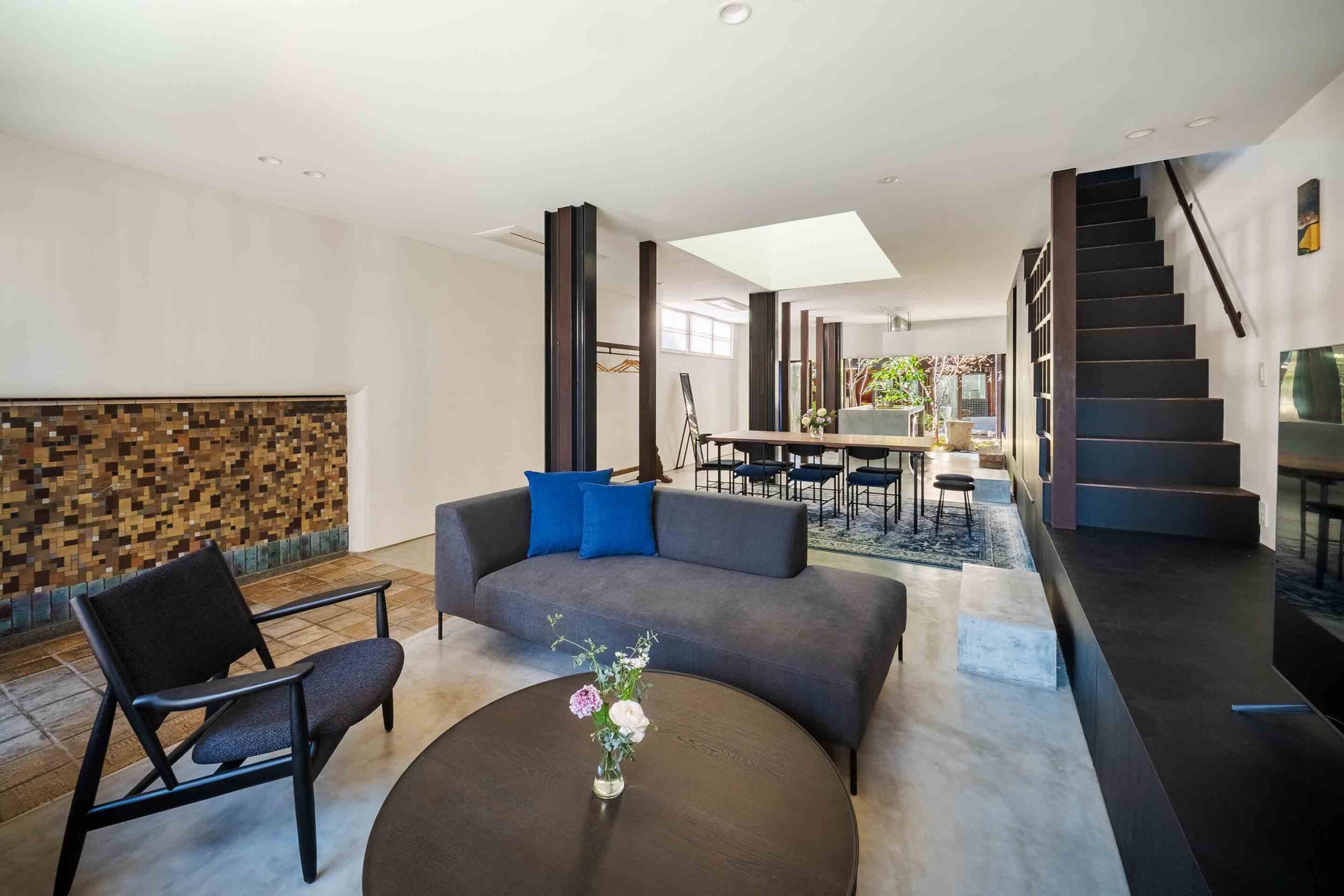
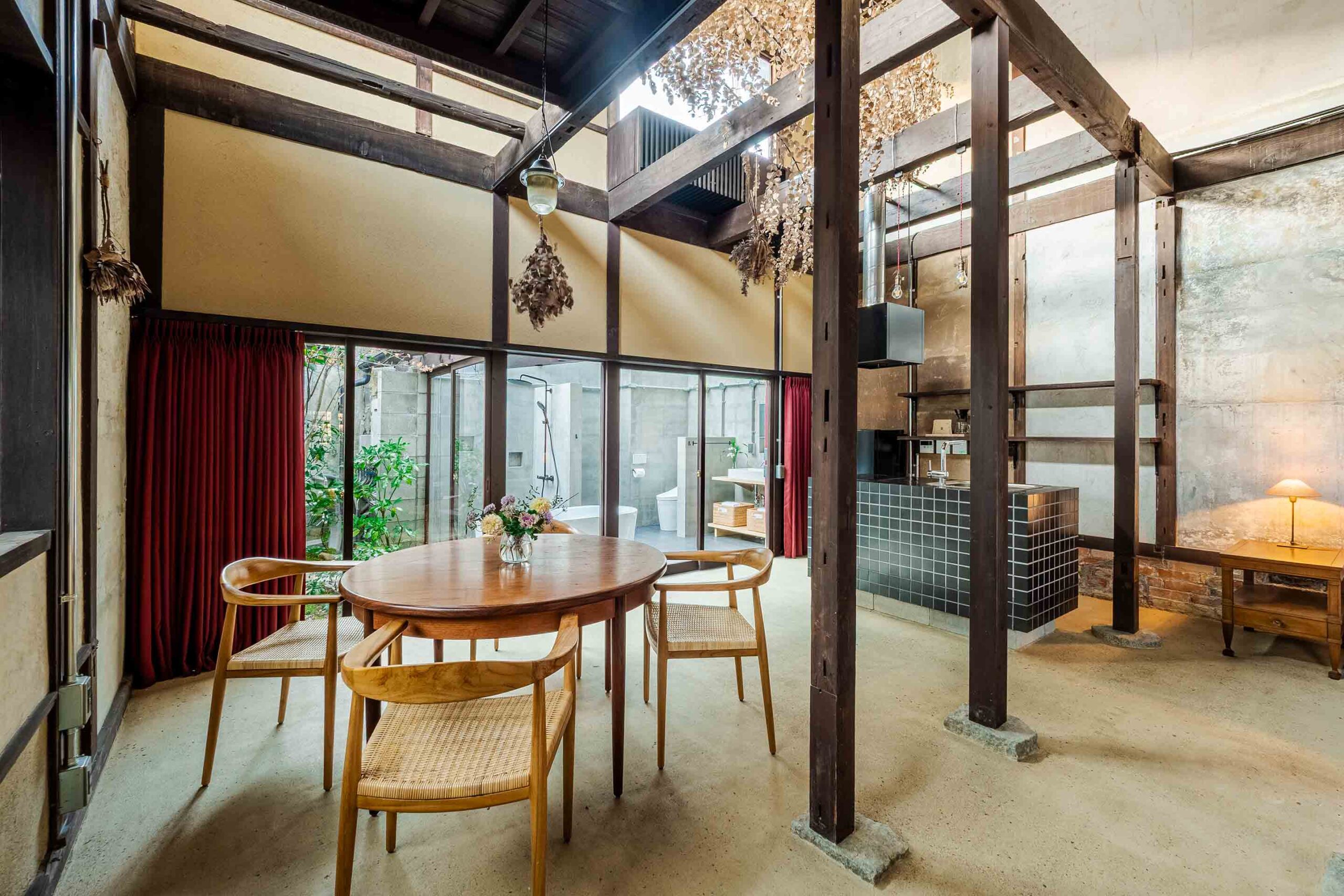
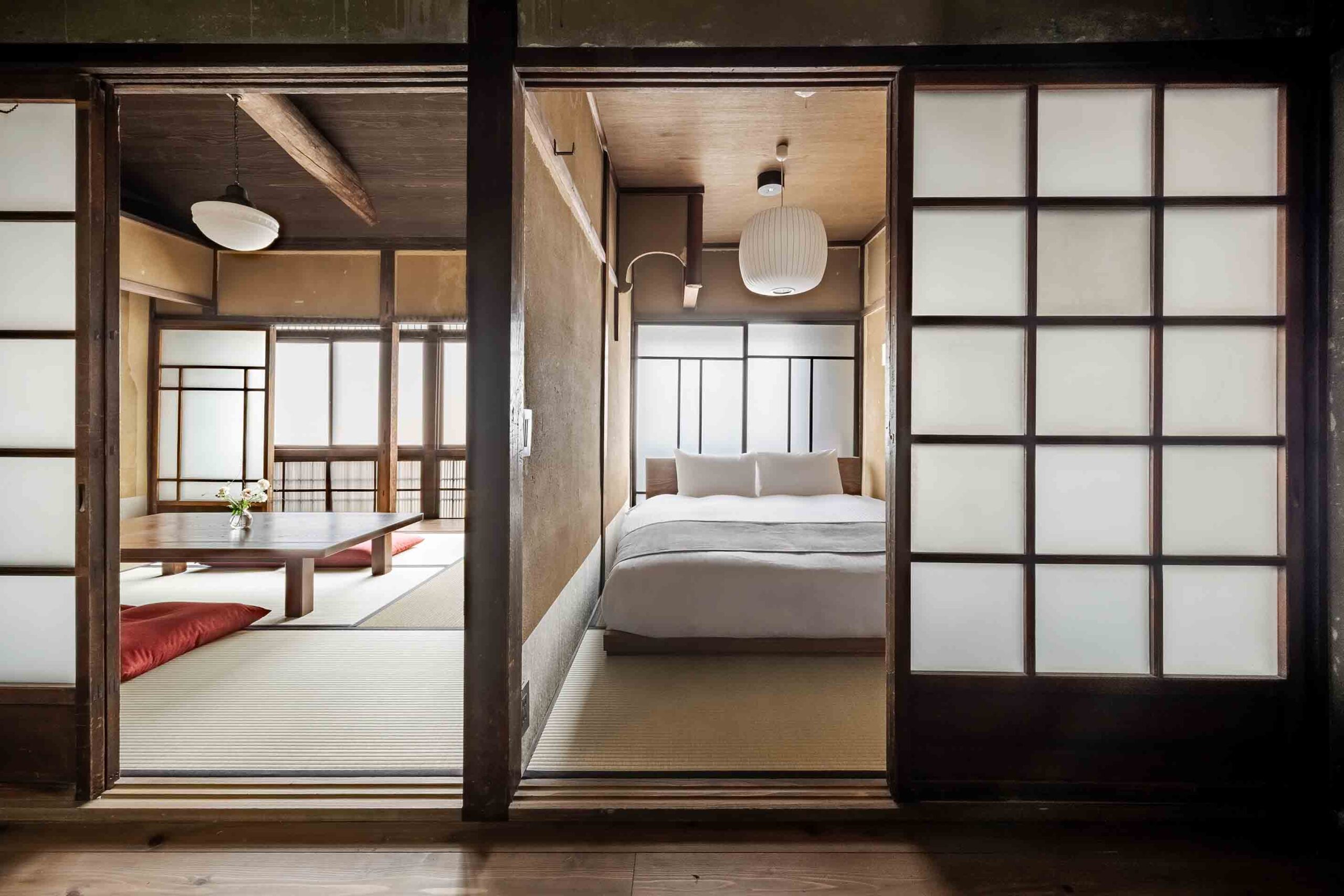
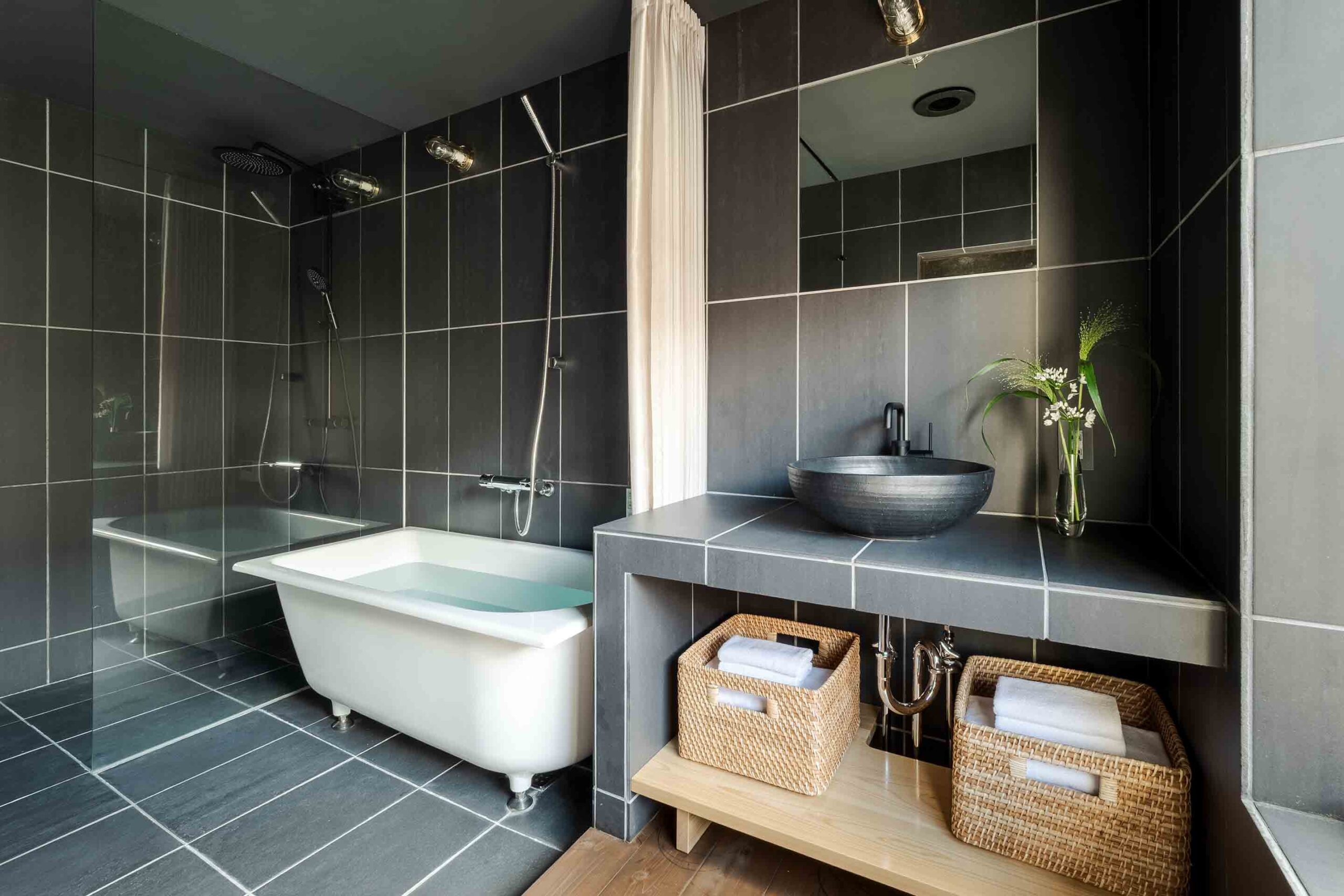
Make your stay in Kyoto special by renting an entire Japanese private holiday house, or machiya, during your vacation. Perfect for groups of family & friends, short or long-term stays, special occasion trips and more, staying in a machiya house will make your time all the more memorable. MACHIYA RESIDENCE INN has over 60 private machiya to choose from, with several in the Shimabara area. Experience the history and culture that Shimabara has while staying in your own private machiya house, all while enjoying easy access to Kyoto Station, Arashiyama area, and more!
A 100 year old Japanese traditional house. Designed in the classic ‘unagi no nedoko’ layout, this machiya has a total of 4 bedrooms for up to 9 guests.
A spacious Japanese machiya house built in the traditional teahouse style. It is made up of 2 connecting buildings with a total of 4 bedrooms for up to 9 guests to enjoy.
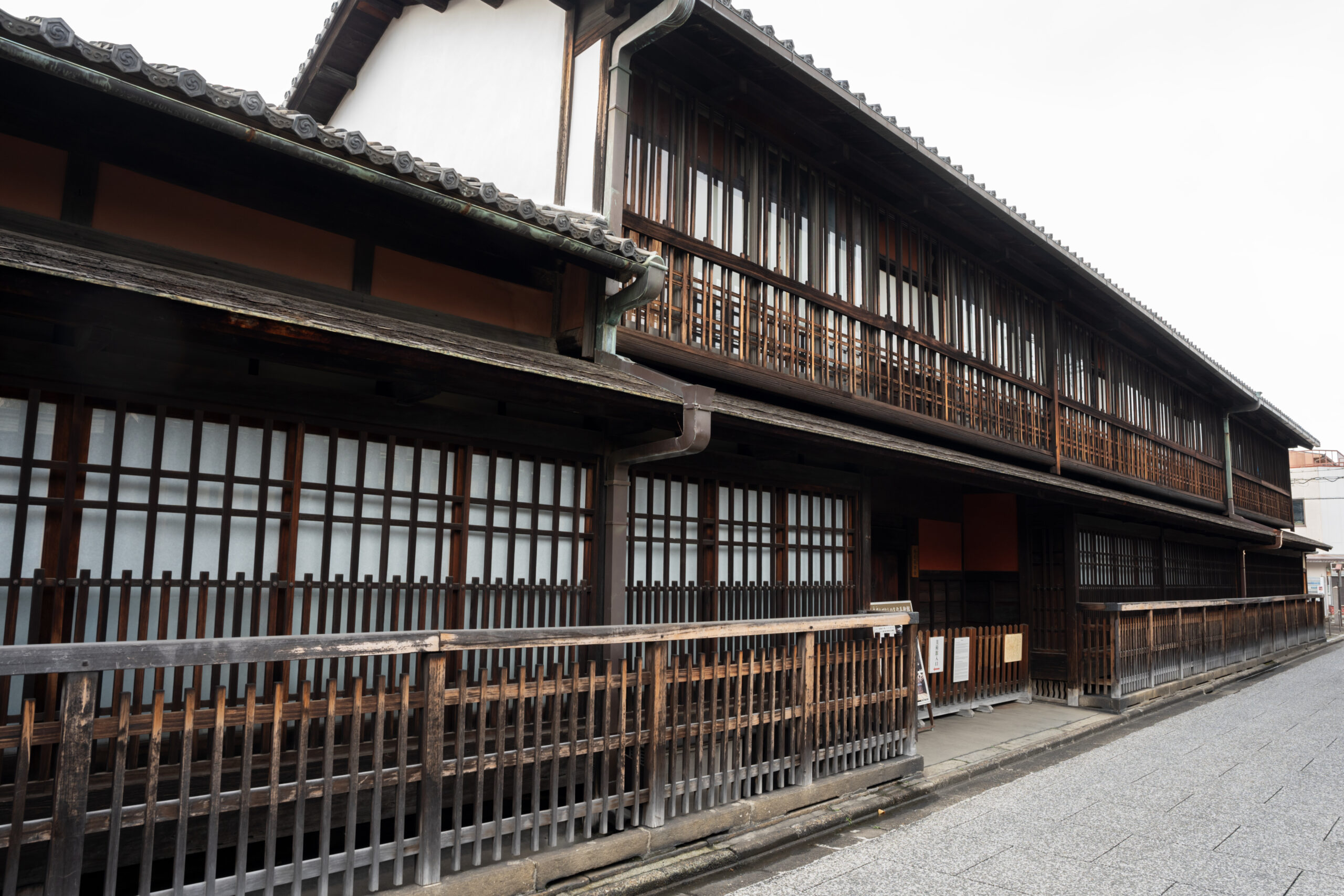
Two teahouses from the Edo period still stand in Kyoto’s Shimabara district. Sumiya is the only teahouse which is still open to the public, operating as a museum. It’s also one of the rare Edo-period buildings left in Kyoto that isn’t a temple, shrine, or palace.
The teahouse served customers until 1985, when it closed down after 345 years of business. In its time, it was a go-to spot for the Edo period police force, the Shinsengumi. This is a major part of its captivating story.
As the area’s tourism hub, this venue includes several properties. Together, they form Kyoto’s largest machiya, or traditional wooden townhouses.
You can visit the Sumiya Cultural Art Museum (sometimes reffered to as the Sumiya Motenashi Art Museum or the Sumiya Hospitality Cultural Museum) during the following seasons:
・Mid-March to mid-July
・Mid-September to mid-December
While visiting Sumiya, you can walk its gardens, see paintings, and learn about its history.
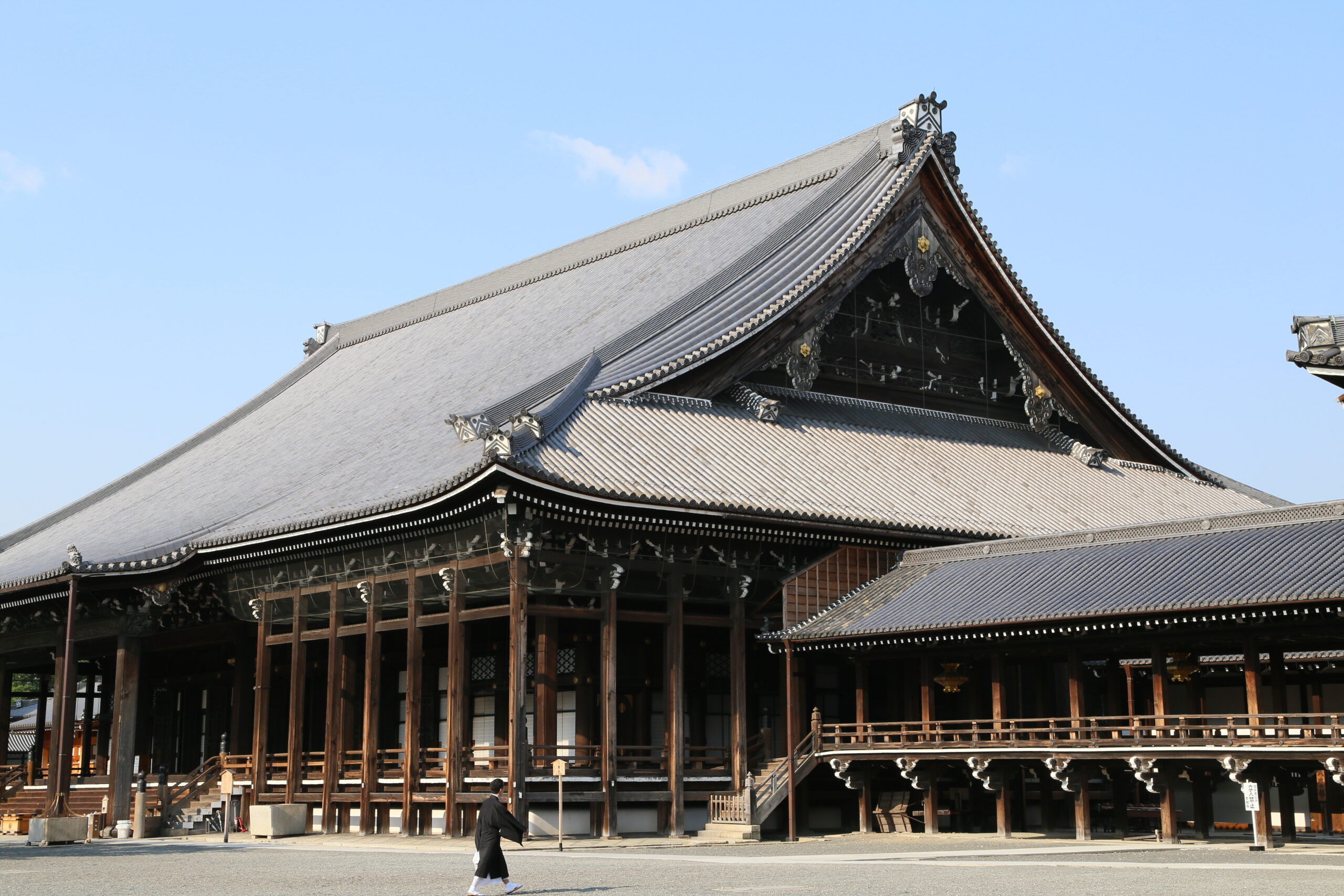
Nishi Honganji Temple is a UNESCO World Heritage site based in central Kyoto, so it’s easy to find as you wander the area. It’s also free to enter — ideal if you want a budget-friendly way to immerse yourself in Kyoto’s incredible history.
Another benefit of the Nishi Honganji Temple is that it’s usually not as crowded as other popular sightseeing spots in the area. Established in 1591, the temple has been standing for several centuries, and it was named one of the Historic Monuments of Ancient Kyoto in 1994.
As you wander the temple grounds, take time to visit the Goeido (Founder’s Hall). This is dedicated to the founder of the Jodo-Shin sect and was named a National Treasure in 2014. The hall has been reconstructed multiple times, following fires and earthquakes.
Check out the Amidado Hall (dedicated to the Amida Buddha, crucial to the Jodo-Shin sect) and the Hiunkaku Pavilion too.
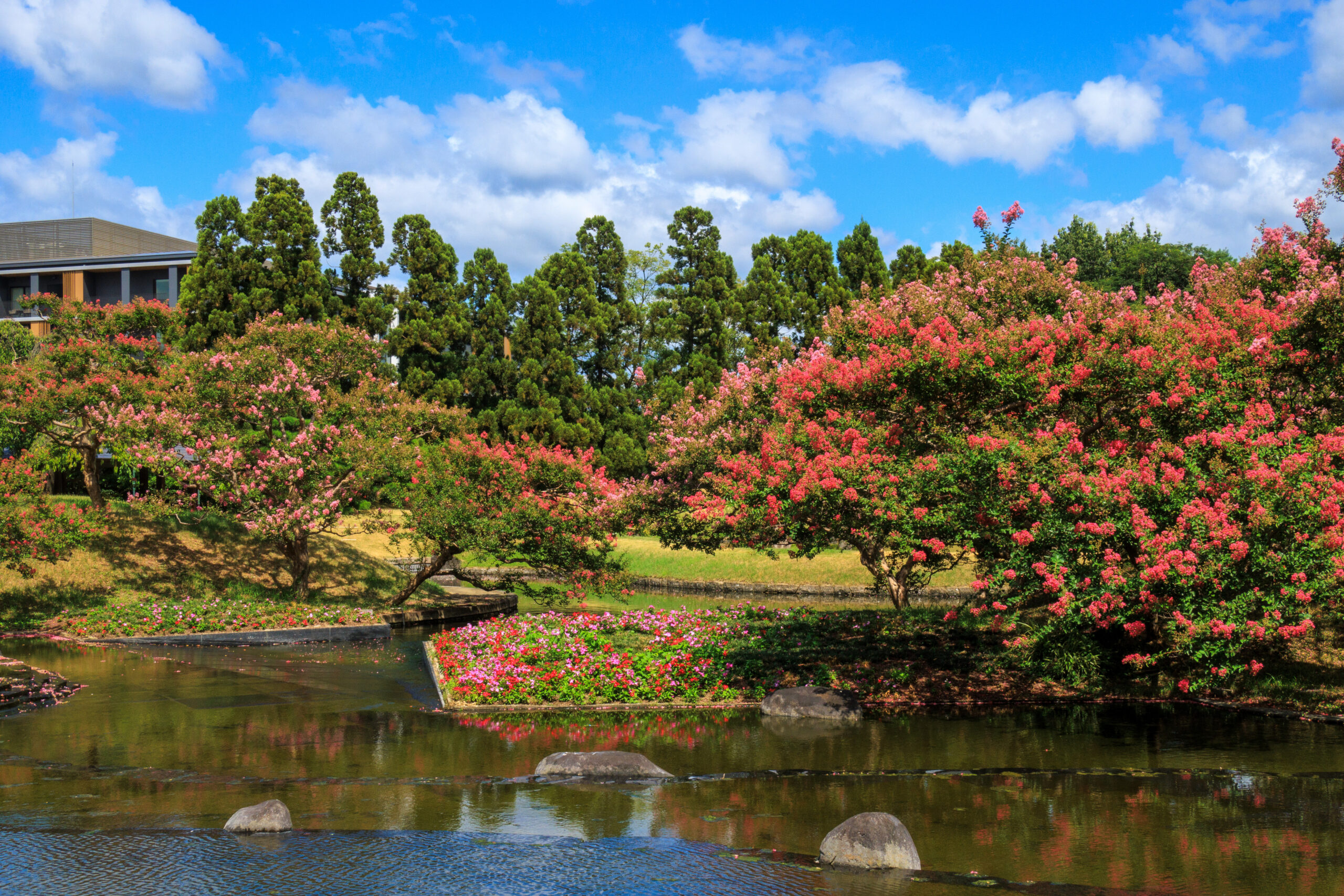
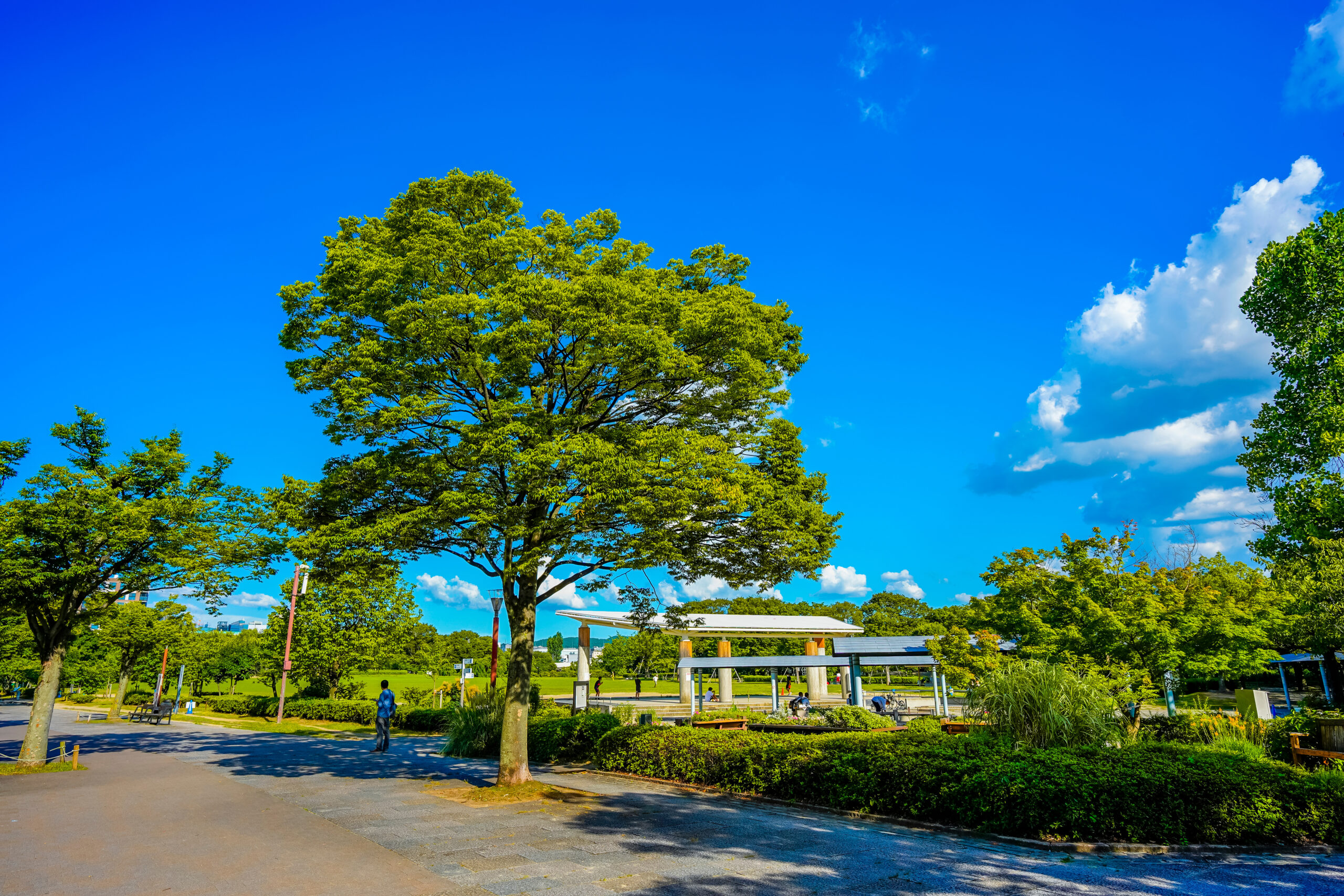
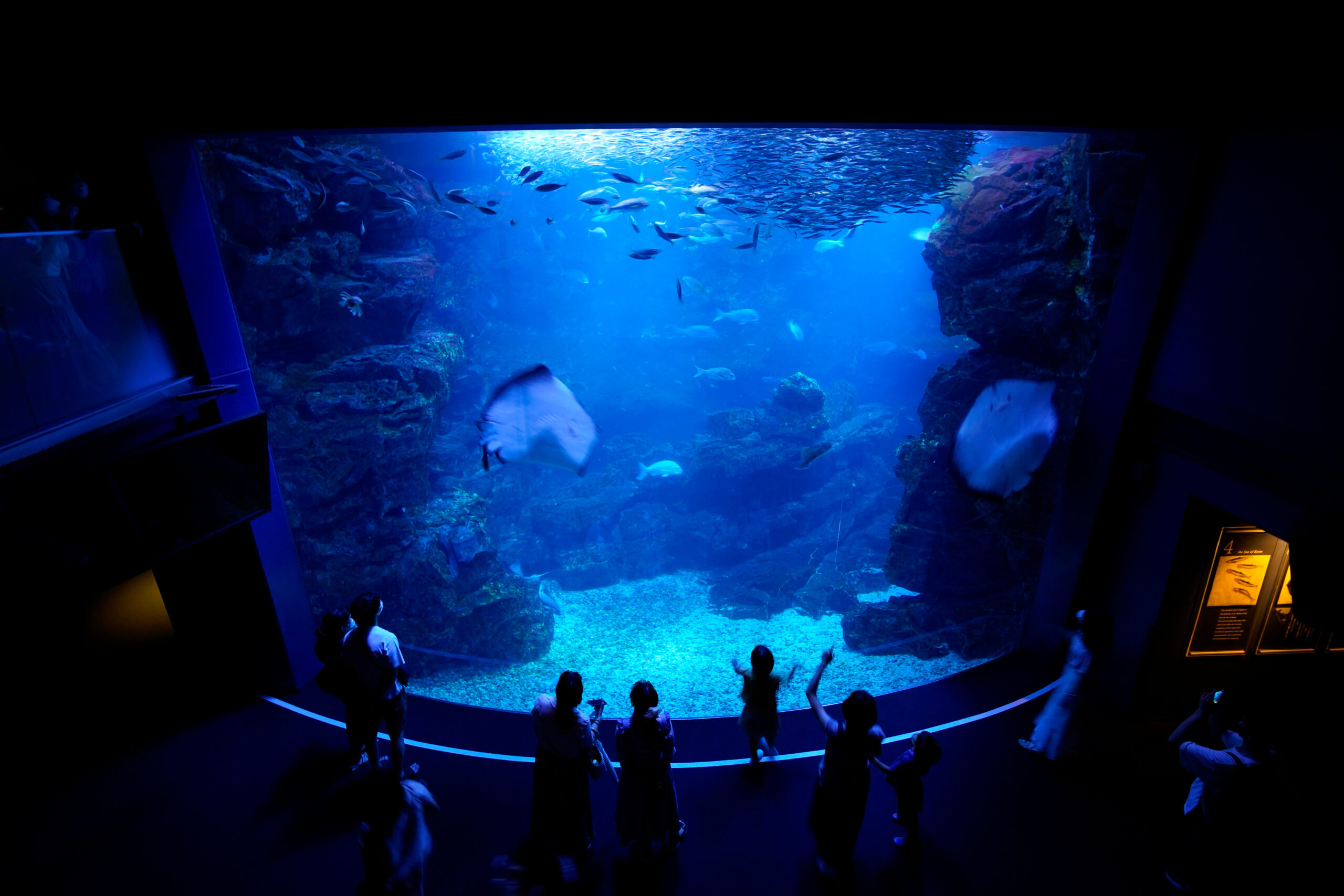
Umekoji Park is a short walk south of the Shimabara district in Kyoto. This large park opened in 1995, and it includes:
・Kyoto Aquarium
・Kyoto Railway Museum
・Suzaku Garden (a traditional Japanese garden)
・various cafes, restaurants and more
Depending on the day of your visit, you may get to enjoy one of the many events that take place in the park. And from late March to early April, you can see stunning sakura cherry blossoms throughout the park. No matter if you’re visiting Japan with friends, family, or small children, a visit to Umekoji Park is a great way to relax and enjoy a bit of nature during your vacation.
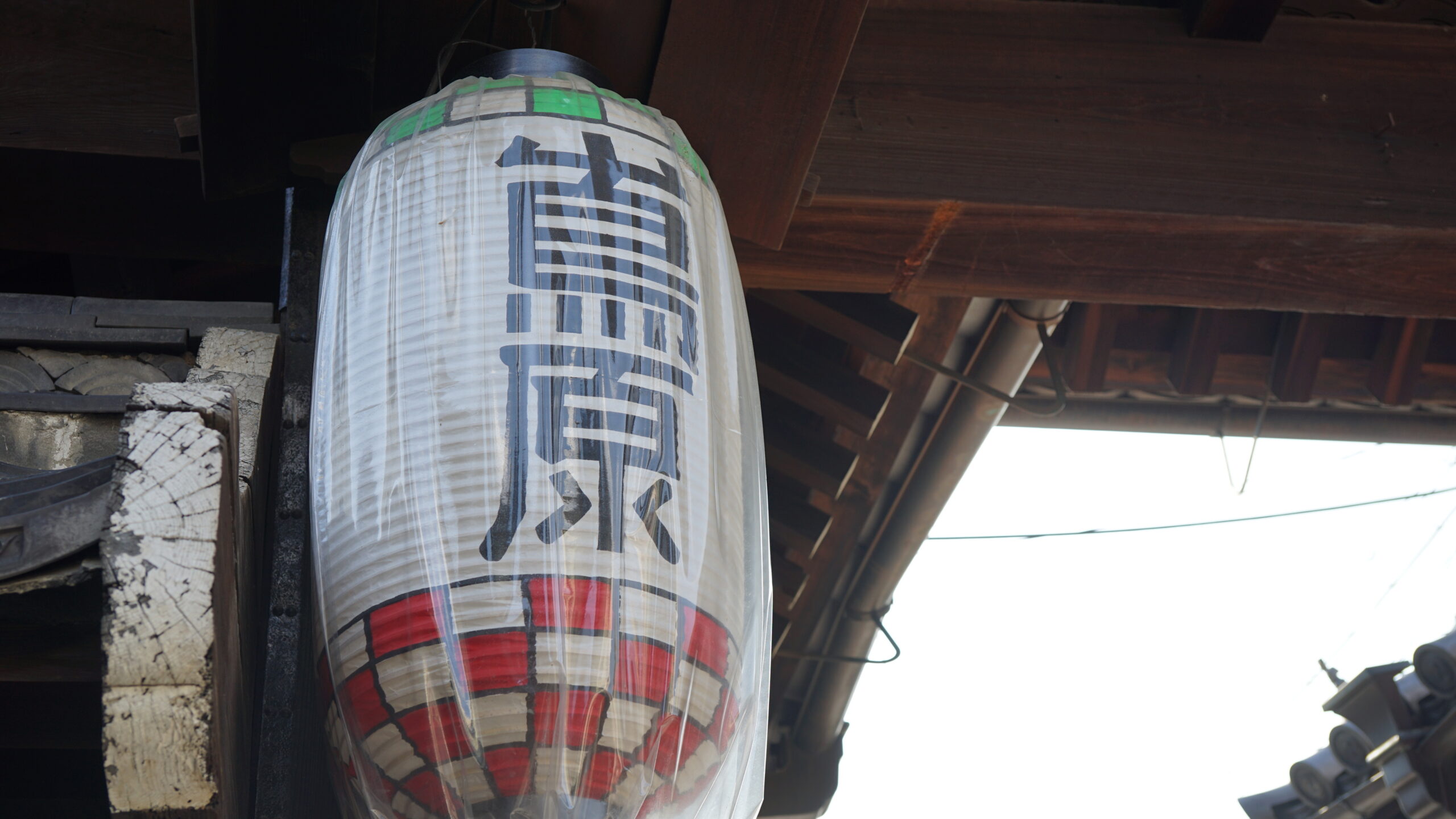
Kyoto’s Shimabara Sumiyoshi-Jinja Shrine is vital to the Shimabara district and wider Kyoto. It’s dedicated to three Sumiyoshi gods and receives many visitors daily.
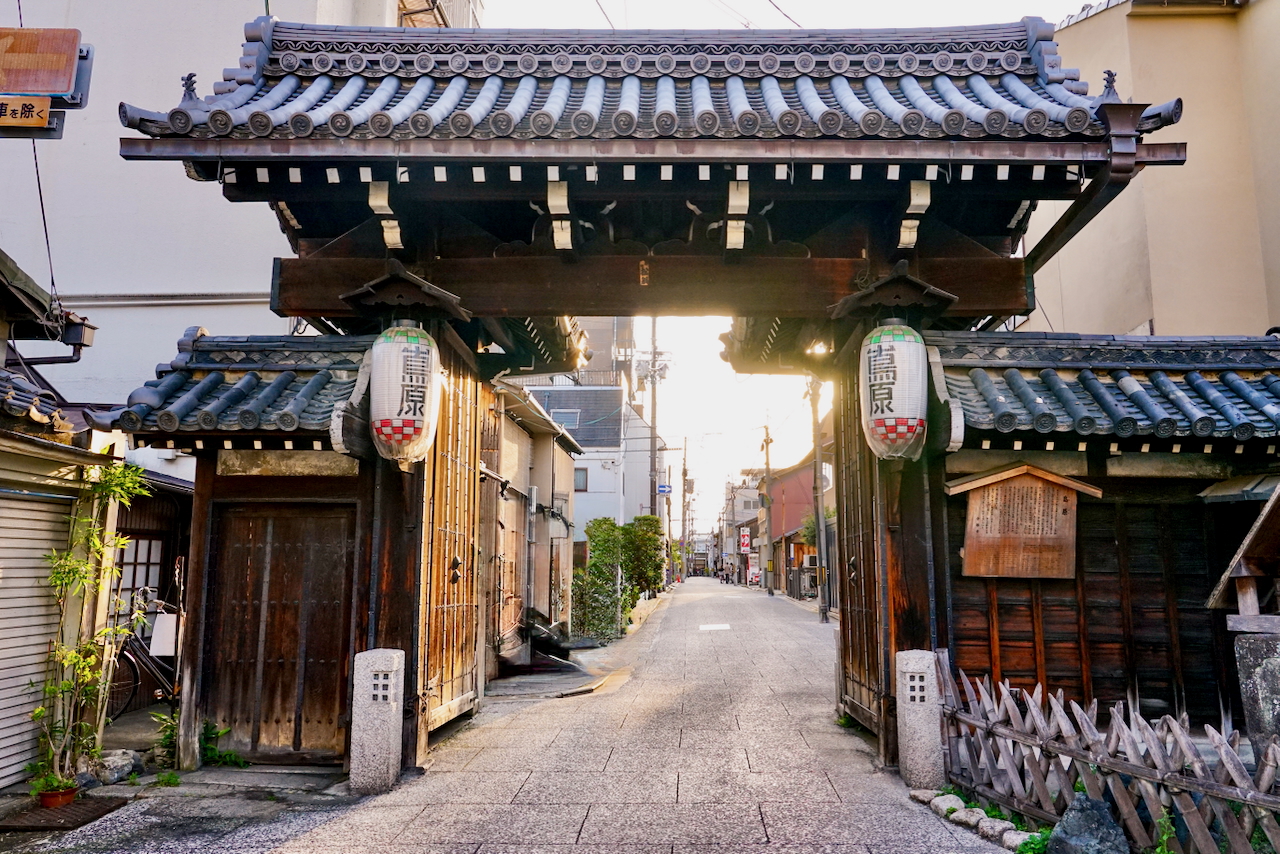
The Shimabara Main Gate stands as the entrance to the Shimabara district in Kyoto. With its beautifully traditional architecture, this structure is a reminder of the area’s richly textured past.
While Wachigaiya is closed to the public, you can still take in its striking design from outside. Make this part of your walk through the area and admire the history and architecture during your visit.
Here are three tips from our local Japanese experts to help you plan your Kyoto sightseeing trip.
・Reserve in advance: If you’re planning to visit the Kyoto Shimabara district in the open season, reserve a slot at the Sumiya Hospitality Cultural Museum in advance to avoid disappointment. It’s a popular venue and fills up fast.
・Research travel options: Check the different transportation options in the area and find the nearest stations to any tourist spots you want to visit. A little research will help you choose the most affordable and efficient options.
・Remember to explore nearby: Combine your visit to the Shimabara district in Kyoto with trips to other important sites near the Kyoto Station area. Listed are just a few of the possibilities.
Higashi Honganji Temple: 10 mins by bus or about 20 mins walking
Arashiyama: 20-25 mins by train from JR Tambaguchi Station
Fushimi Inari Shrine: 25–30 min by train
(JR Tambaguchi to Kyoto Station, transfer to JR Nara Line)
Gion & Higashiyama Area: 30 mins by bus
And don’t forget to include the Japan accommodation tax in your vacation budget, which varies depending on your room rate per person per night.
 ×
×