Kabuki, Japan’s centuries-old performing art, is known worldwide for its vibrant costumes, exaggerated makeup, and expressive storytelling. One of the best places to experience this traditional theatre is Kyoto’s historic Minamiza (南座). The Minamiza Theater is a cultural landmark with a history spanning over four centuries.
- What is Minamiza Theater?
- Where to Watch Kabuki in Kyoto?
- Local Travel Tips
- Access to Minamiza Theater
What is Minamiza Theater?

Minamiza traces its roots back to the early 17th century. This style of performance began when female performer, Izumo no Okuni began performing kabuki dance by Kyoto’s Kamo River. The theater is recognized as the birthplace of Kabuki, with the current building standing near the site of those early performances.
Located in Gion, the current theatre building was reconstructed in 1929 as a five-story, reinforced concrete structure. Its façade was styled after the Momoyama period of the late 16th to early 17th century. This architectural design reflects traditional Japanese features combined with early modern elements, preserving the theater’s historical ambiance while including contemporary building techniques.
Minamiza is the only surviving kabuki theatre from the seven originally licensed in Kyoto during the early Edo period. In 1996, Kyoto City designated the building as a Registered Tangible Cultural Property. In 2008, UNESCO recognized kabuki as Intangible Cultural Heritage of Humanity.
Where to Watch Kabuki in Kyoto?
To watch a kabuki performance in Kyoto, be sure to stop by the Minamiza Theater! Minamiza hosts performances throughout the year. Shows range from historical samurai dramas to romantic tragedies, comedic stories, supernatural tales and more.
An important historical note is that an all-male cast exclusively performs Kabuki. Men play both male and female roles, a tradition dating back to the early Edo period when women were banned from performing Kabuki on stage.
Check the seasonal schedule on the official website, and consider going on a weekday for a less crowded, more relaxed experience.
Local Travel Tips

- Kabuki performances are rich in traditional language, stylized movement, and centuries-old stories. Japanese audiences often read the synopses beforehand, so we recommend reviewing the plot and character guide after booking your ticket.
- Arrive early to explore the theatre’s lobby and exhibition areas. You can find displays of stage props, musical instruments, and costumes used in actual performances.
- The Minamiza Theater occasionally hosts short workshops for visitors, too. Workshops include tsuke-uchi (附け打ち) sound effect demonstrations, photo opportunities wearing kabuki-style costumes, and more.
- Unlike modern productions, kabuki actors perform without microphones, relying on the natural acoustics of the theatre and the live accompaniment of traditional instruments. Sitting closer to the stage allows you to feel the full intensity of their voices and movements!
Access to Minamiza Theater
Address: 4-12 Shijo Kawaramachi, Higashiyama-ku, Kyoto
Nearest Station: Gion-Shijo Station (Keihan Line), 3–5 min walk
Nearest Kyoto City Bus stop– Shijo Kawaramachi stop
Where to Stay in Japan: Traditional Japanese Holiday House Rentals
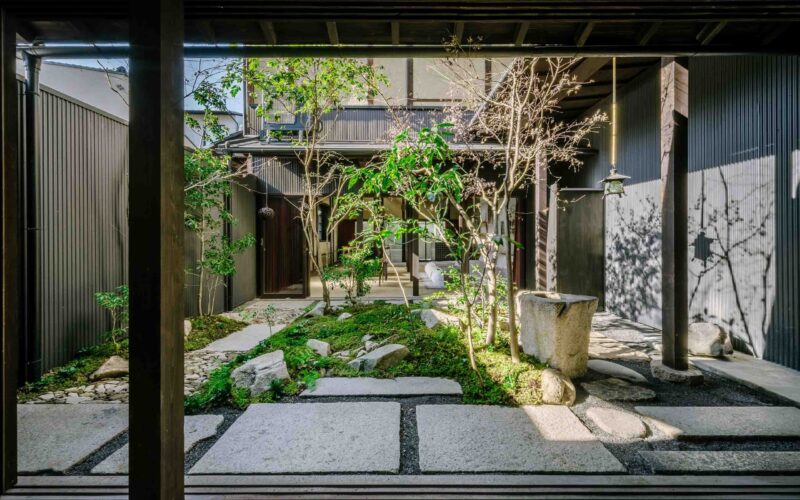
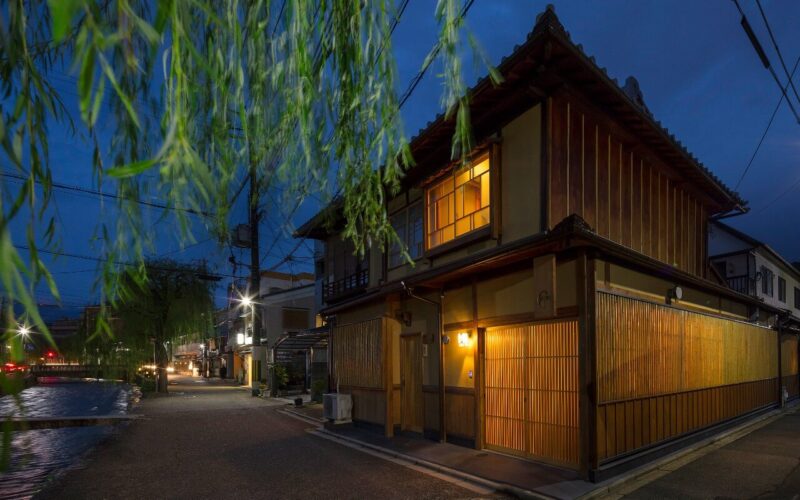
If you enjoyed learning more about Japanese history and culture, make the experience a part of your stay in Japan, too. Stay in a traditional Japanese machiya house or boutique hotel with MACHIYA INNS & HOTELS.
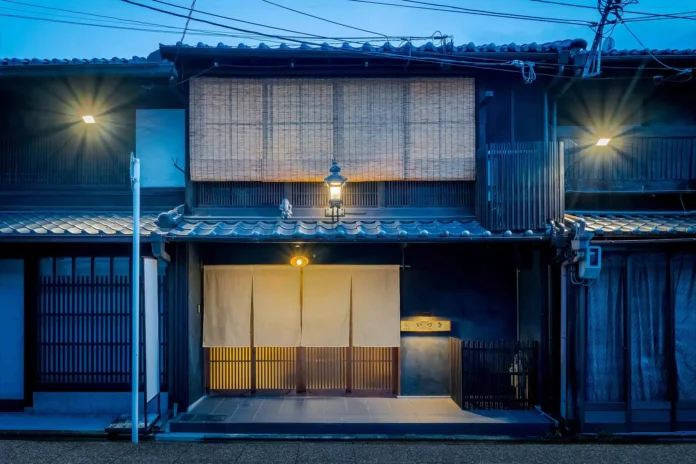

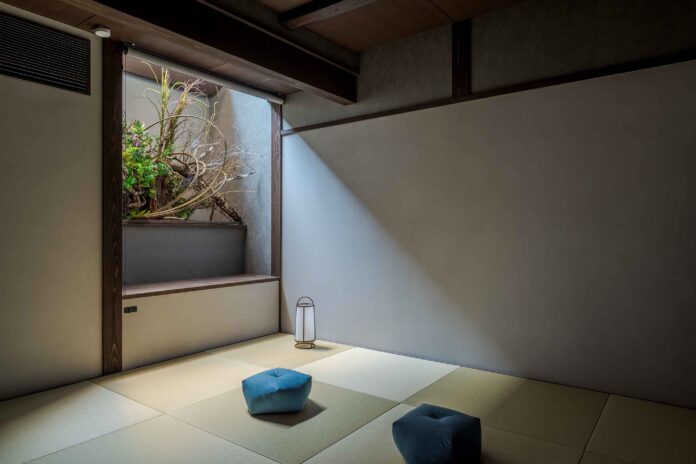
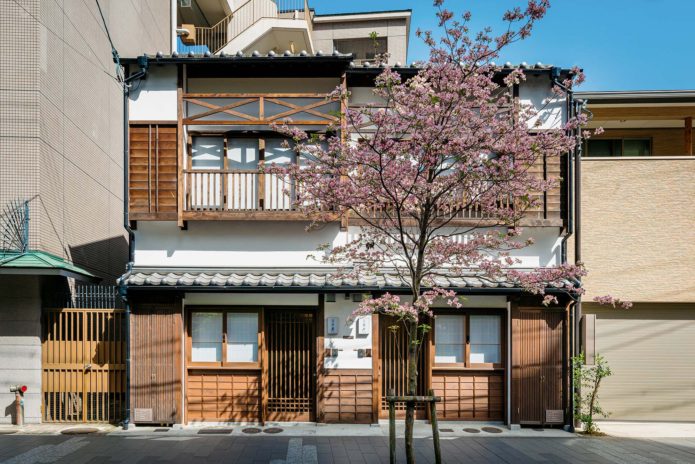
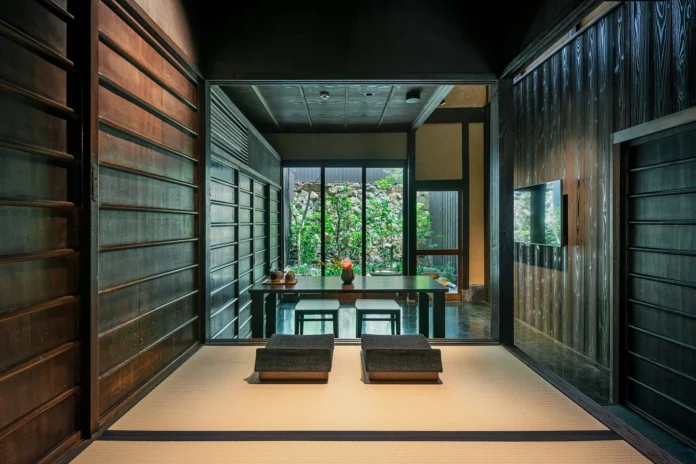
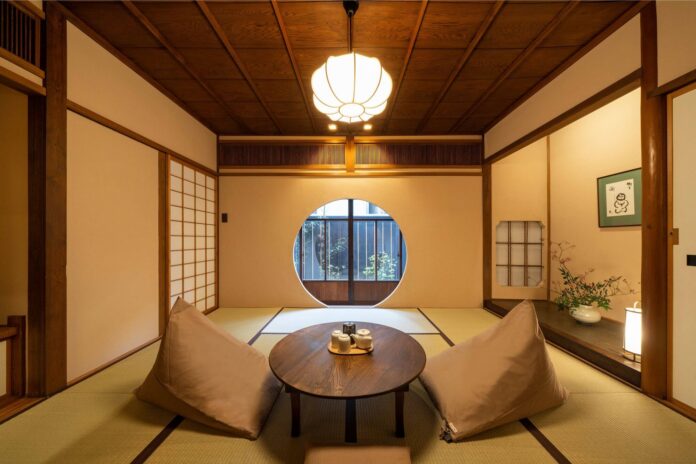
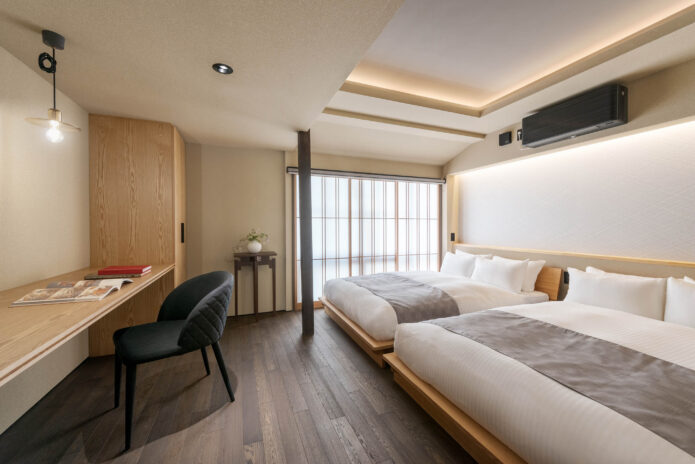
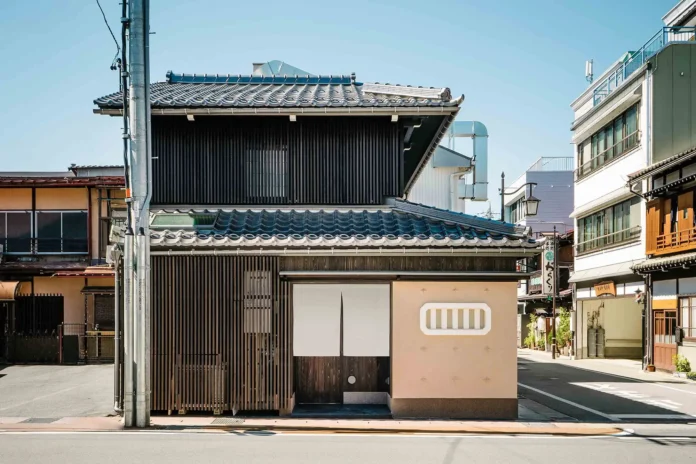
With over 100 accommodations in Kyoto, Kanazawa, and Takayama, MACHIYA INNS & HOTELS offers travelers the opportunity to experience traditional Japanese machiya architecture and culture through private machiya house rentals and boutique machiya hotels.
Explore our accommodations and book your stay through the MACHIYA INNS & HOTELS official website for exclusive offers and our best available rate.