The Gion Matsuri, or Gion Festival, is a tradition which has survived centuries. It is considered one of the largest and most famous festivals in Japan. Although it is held over the entire month of July, one of the main events of the festival is the Yamahoko Junko float parade.
During the float parade, enormous wooden floats, some measuring 25 meters and weighing up to 12 tons, are pulled through the streets of central Kyoto by teams of men. It is accompanied by the hypnotic kon-kon-chiki-chin of Gion-bayashi festival music, and has become an event which attracts viewers from all over the world.
As the floats are pulled on specific routes, your experience of the float parade depends entirely on where you view it from. In this guide, we’ll be going over the best places to view the Yamahoko Junko of both the Saki Matsuri parade on July 17th and the Ato Matsuri on July 24th.
For a full overview of the entire month-long Gion Matsuri festival — its history, schedule, Yoiyama evenings, and practical tips — see our complete Gion Matsuri guide.
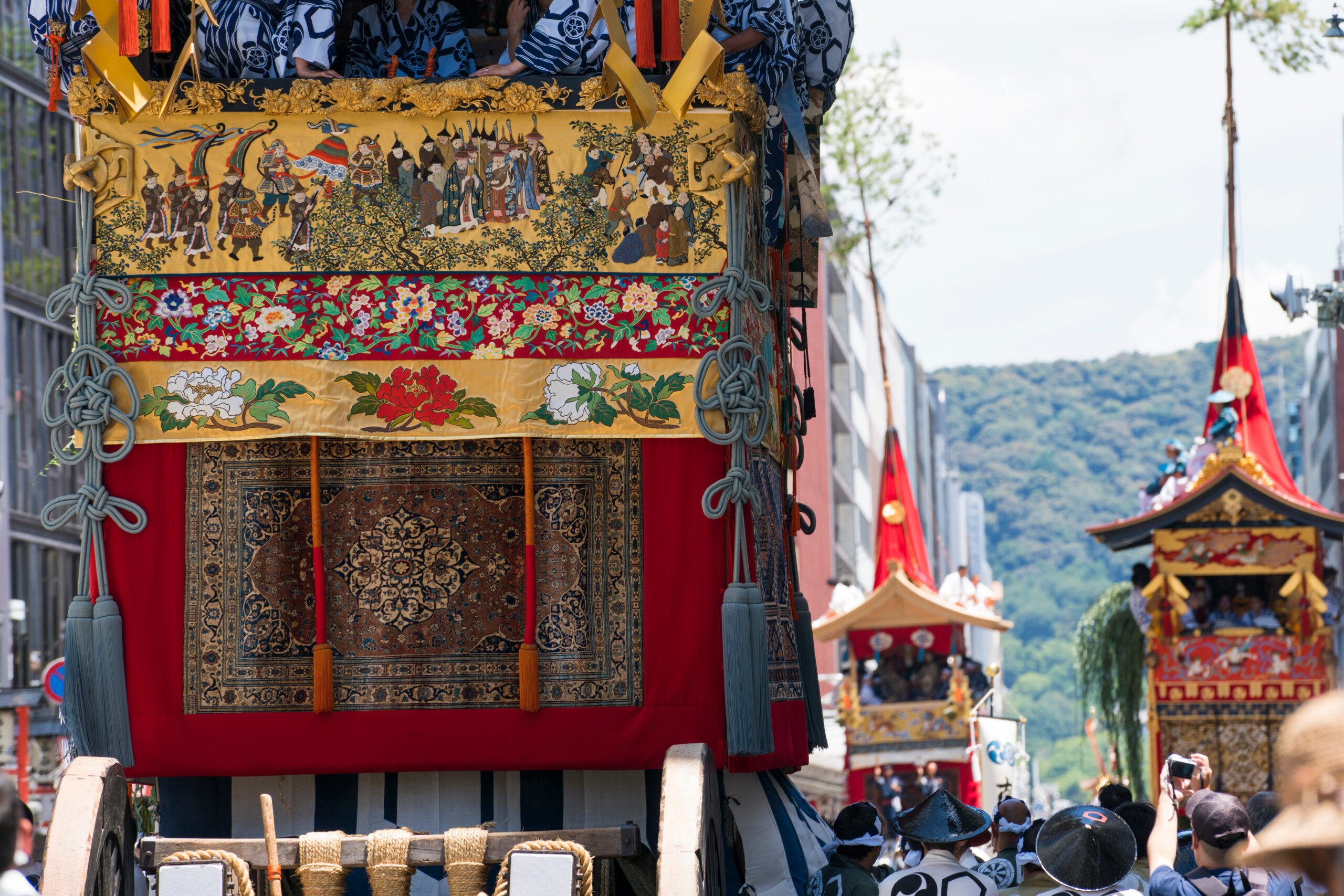
The Yamahoko Junko, or Float Procession, is a parade consisting of two different types of traditional floats.
Hoko are towering structures with wheels, some up to 25 meters tall. They are built without using a single nail, using a technique called nawa-garami, in which only rope is used. They are lovingly nicknamed the “moving museums”, as they are decorated with tapestries from China, Persia, and Europe, all from centuries ago.
The yama are smaller, shrine-like structures carried on the shoulders of teams of men rather than wheeled through the streets.
During the month of July, these hoko and yama floats are built in locations scattered throughout the downtown Kyoto area. After being built and displayed right there on the streets, they are paraded on a specific route. This event is called the Yamahoko Junko.
There are two Yamahoko Junko parades during the Gion Matsuri. The Saki Matsuri (first half of the Gion Matsuri) is held on July 17th and features 23 floats. It is generally considered the main float procession, and more spectacular, bringing crowds to match. The Ato Matsuri (second half of the Gion Matsuri) features 11 floats, and follows the route from the Saki Matsuri in reverse. The Ato Matsuri was restored in 2014, after a 49 year hiatus. Although there are less floats, many prefer the Ato Matsuri parade due to the smaller scale of the crowds.
Saki Matsuri route (July 17th): Begins at the intersection of Shijo-dori and Karasuma-dori at 9:00 AM → east along Shijo-dori → north on Kawaramachi-dori → west along Oike-dori → finishes on Shinmachi-dori.
Ato Matsuri route (July 24th): Begins at Karasuma-Oike at 9:30 AM → east along Oike-dori → south on Kawaramachi-dori → west along Shijo-dori. Essentially the reverse of the Saki Matsuri route.
The procession is held on these dates, regardless of the weather.
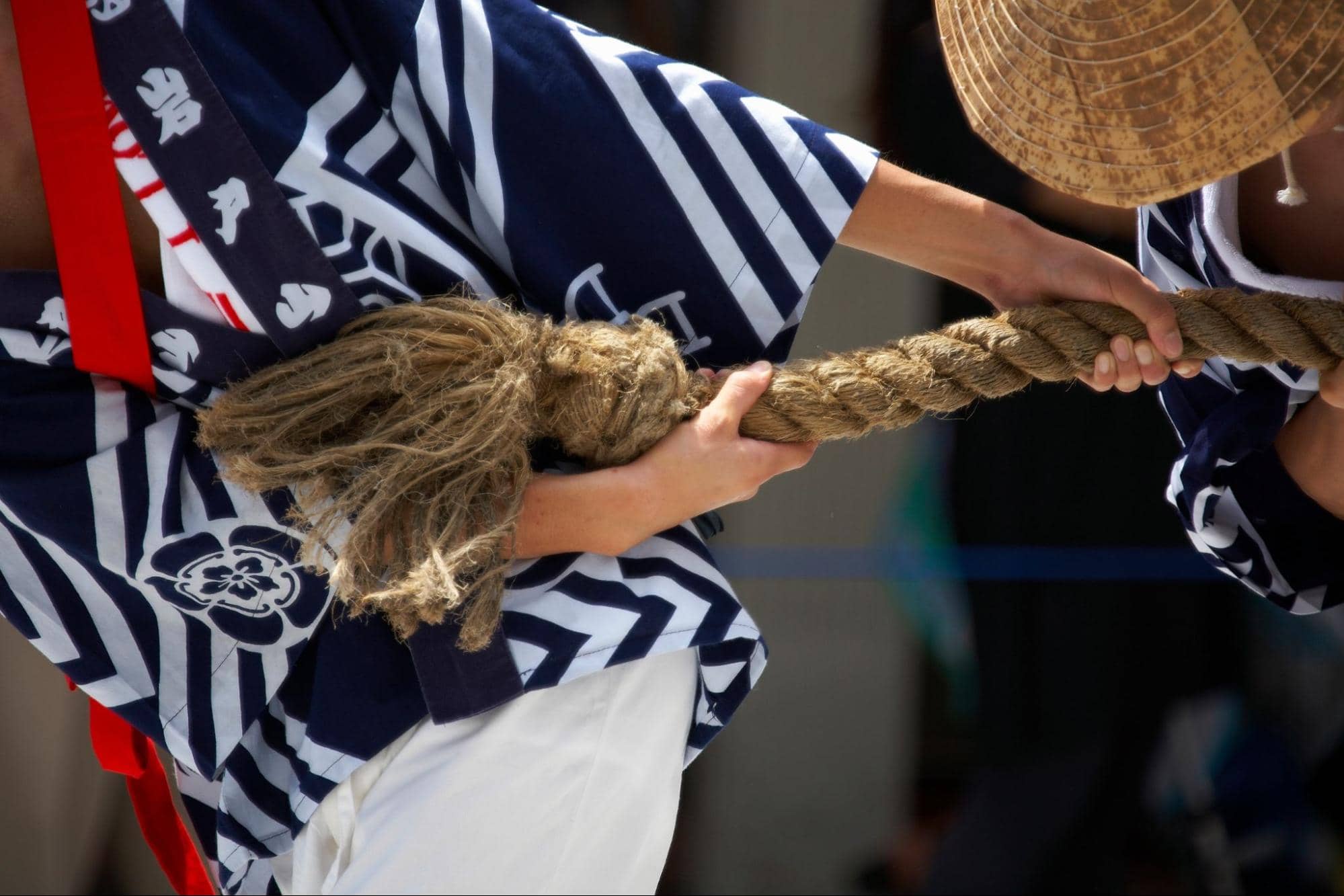
Although the Yamahoko Junko procession itself is impressive, the most dramatic moment of the day occurs at 3 specific points on the parade route. These are the tsuji-mawashi, or the corner turns.
As the wheels of the hoko float cannot pivot, turning the float requires immense strength and coordination. The massive floats are turned 90 degrees, using a process which involves laying bamboo poles flat on the road, pouring water over them to reduce friction, and teams of men haul the floats sideways in a slow rotation.
There are three tsuji-mawashi during the Saki Matsuri (July 17th) parade:
Floats begin making their turns starting from 9:30 to 9:40 AM. This is the first and most famous turn, where Shijo-dori meets Kawaramachi-dori. It can also be the most crowded, as it is the most easily accessed corner.
Floats begin turning at approximately 10:30 AM. Slightly less crowded than the Shijo-Kawaramachi corner but equally dramatic. This is where the paid reserved seating area begins along Oike-doi Street.
Floats make their corner turns here beginning around 11:20 AM. This is the final turn, toward the end of the procession. By this point some of the early-morning crowd has dispersed, making this a great choice if you’re planning to come later on in the morning.
For the Ato Matsuri (July 24th), the tsuji-mawashi occur at equivalent intersections along the reversed route. The crowds are usually smaller than the Saki Matsuri, so arriving 15-20 minutes before the 9:30 AM start time is usually enough to find a good spot to watch from.
Depending on where you plan to view the Yamahoko Junko procession, it is best to arrive early. Here are some of our recommended locations, and what each spot will add to your Gion Festival experience.
The Gion Matsuri floats move along this street in the first 30 minutes of the Saki Matsuri procession, accompanied by the full energy of the crowd at its peak. You’ll see all of the floats make their way down. To see them depart, secure a spot at the intersection of Shijo-Karasuma, on the south side of Shijo-dori. You’ll be able to see the start of the parade as well as get photos before the procession even begins, when crowds are at its thinnest. You won’t have a corner turn view, but as this stretch of road is popular and easily accessible, we recommend arriving early.
This is where you can view the first tsuji-mawashi of the Saki Matsuri, and where festival energy rises among the crowd. You’ll have to arrive early enough, at least by 8 AM, to secure a good position to view from, however. The first corner turn is the most popular to view, so viewing from this position requires the earliest arrival of any of the free spots on the route.
Oike-dori is wider than Shijo-dori and runs east-west through the middle of the city, giving the floats more room to move and the parade a slightly more stately atmosphere. The floats arrive here later in the procession, so you can arrive later.
This is where the Reserved Seating is located, but there are also plenty of free viewing spots available, usually with more room than if you secure a spot along Shijo-dori. If you locate yourself near the Kawaramachi-Oike intersection, you’ll also be able to enjoy the second tsuji-mawashi of the parade.
The northern section of Karasuma-dori, where the floats move during the middle section of the Saki Matsuri route, is significantly less crowded than Shijo or Oike. This is partly because the floats move through this section more quickly and partly because many visitors concentrate on the corners. If you want to enjoy the parade with more room to take photographs of the Yamahoko Junko, we recommend standing here.
The Kyoto City Tourism Association offers paid reserved seating along Oike-dori in front of Kyoto City Hall for both the July 17th and July 24th parades. Tickets are available online, with prices starting at approximately ¥3,500 per person. Tickets come with a chair, a guaranteed front-row or second-row position along Oike-dori, live commentary in Japanese and English, and an official guidebook.
If you want to remove the logistical stress of arriving early to secure a spot on one of the tsuji-mawashi corners or along the route itself, reserved tickets are a great way to simplify your Yamahoko Junko experience.
Although they both feature a procession of traditional parade floats, there are differences between the parade for the Saki Matsuri and Ato Matsuri.
The Saki Matsuri (July 17th) has the largest procession with 23 floats. It also brings in more visitors, as the atmosphere is more lively and intense. If you plan to view the Saki Matsuri parade, be sure to arrive early and ready to embrace the energy of the Gion Matsuri.
Compared to the first Yamahoko Junko, the Ato Matsuri (July 24th) parade consists of 11 floats, with the parade route reversed. The atmosphere of the event is also calmer, with less visitors attending. The Ato Matsuri was restored in 2014 after nearly five decades of suspension, and it embodies more of the ritual aspects of the Gion Matsuri compared to the Saki Matsuri.
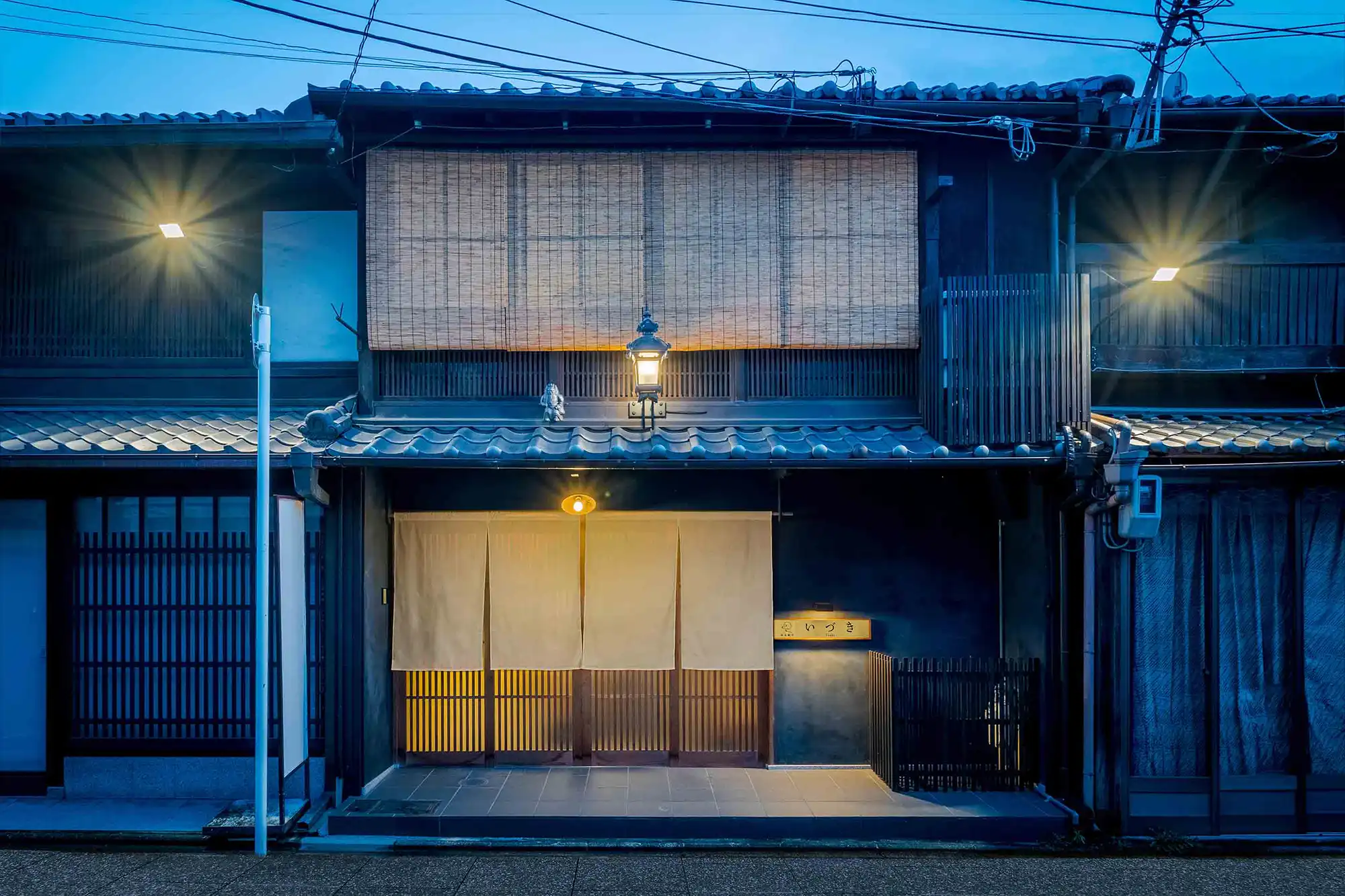
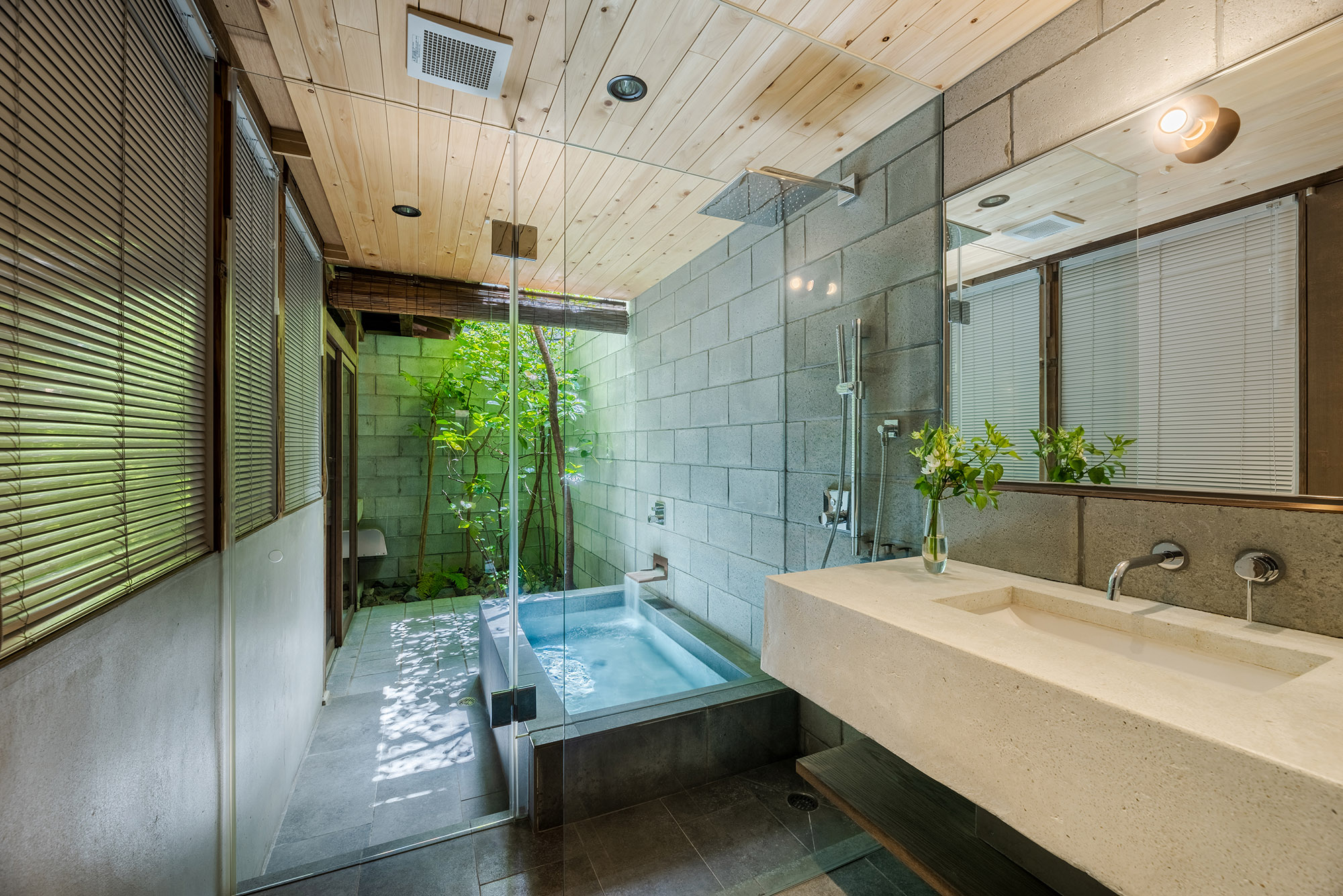
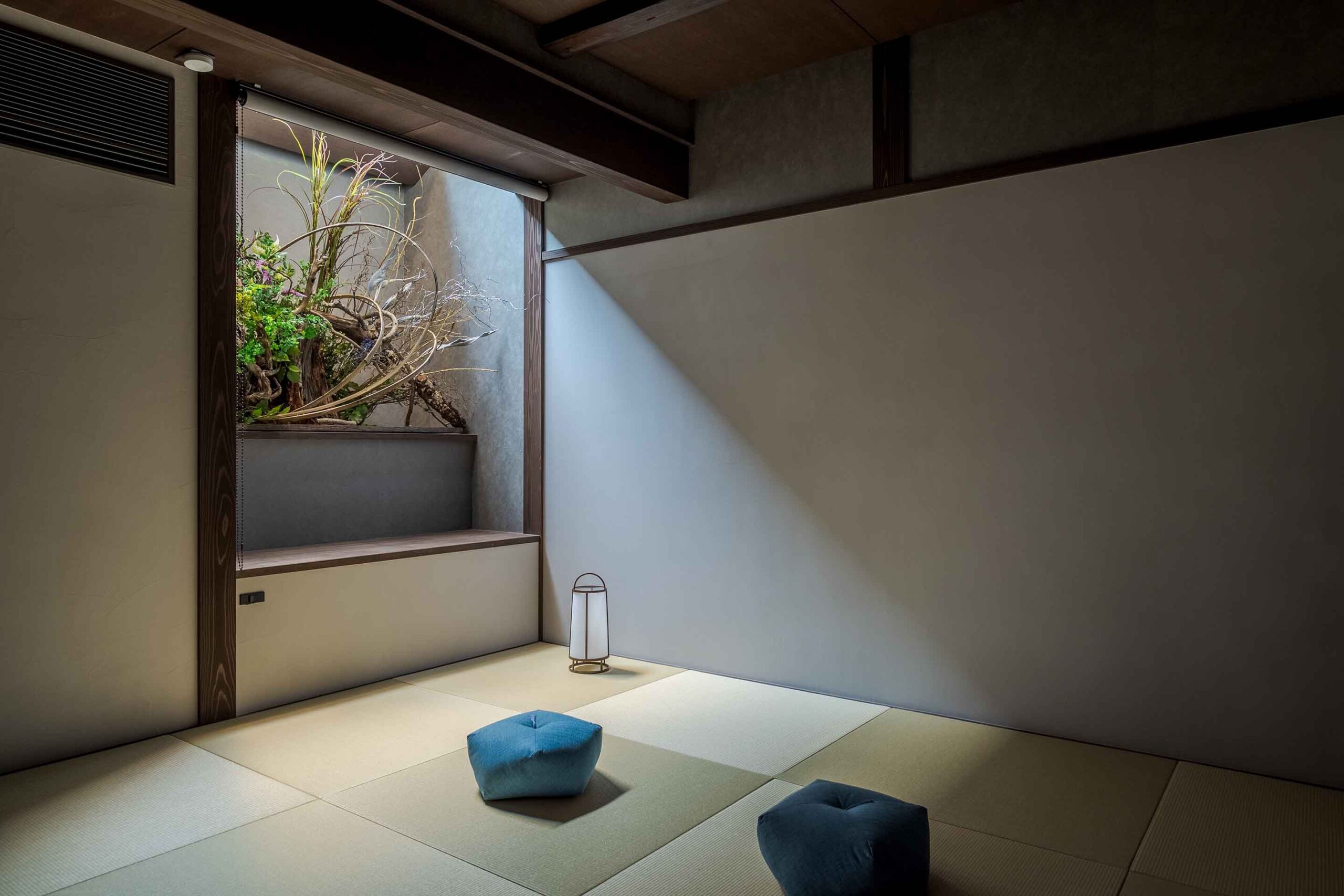
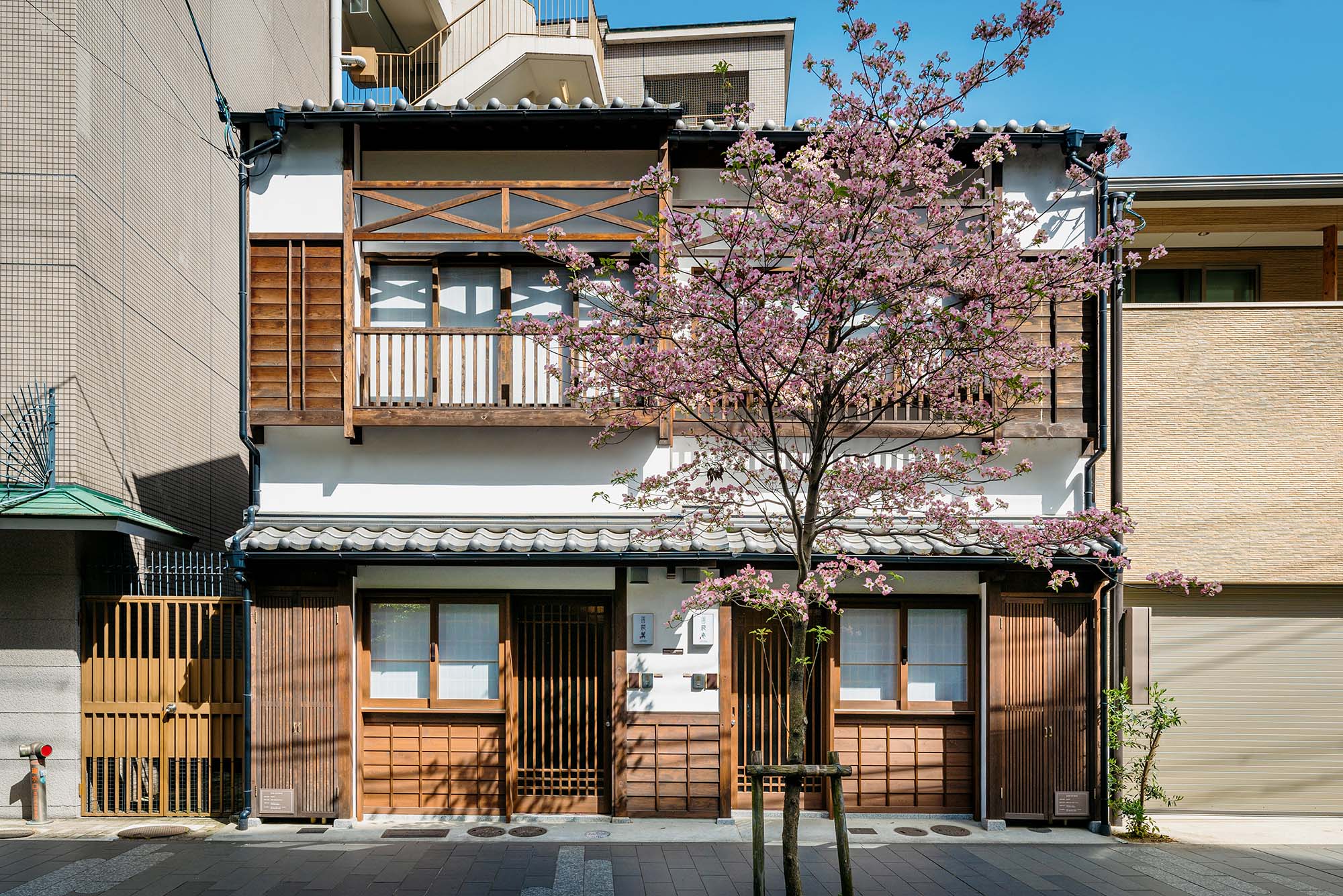
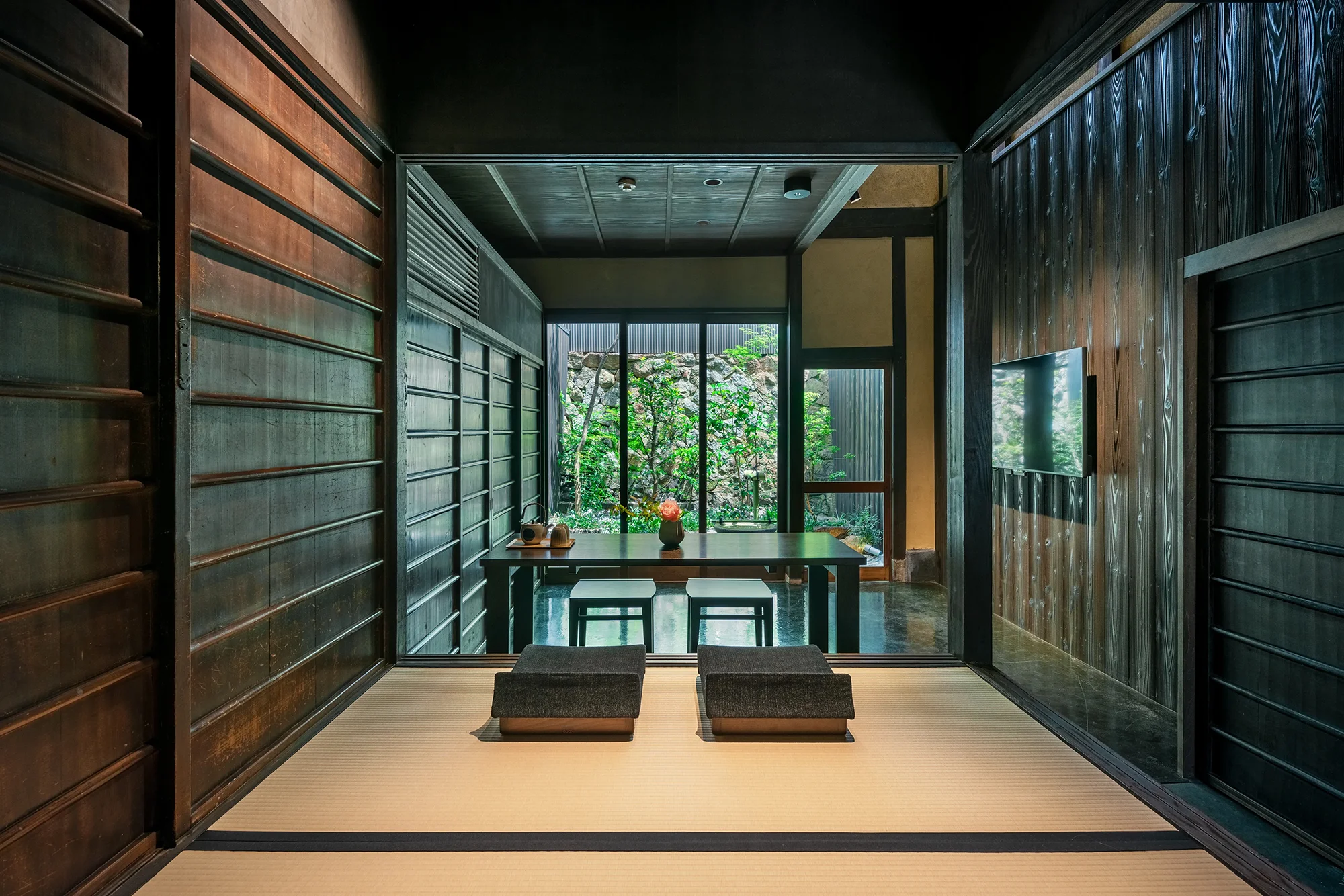
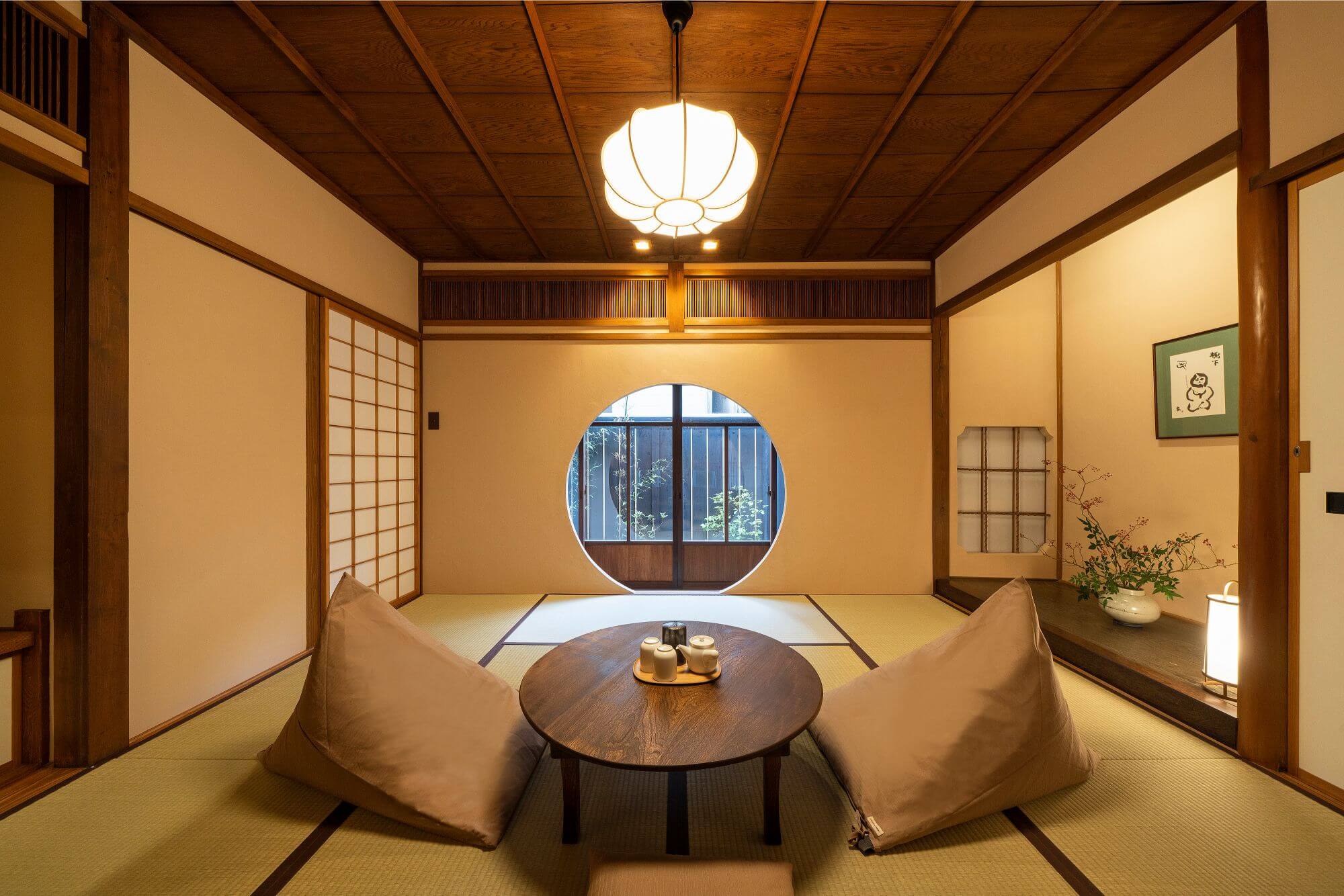
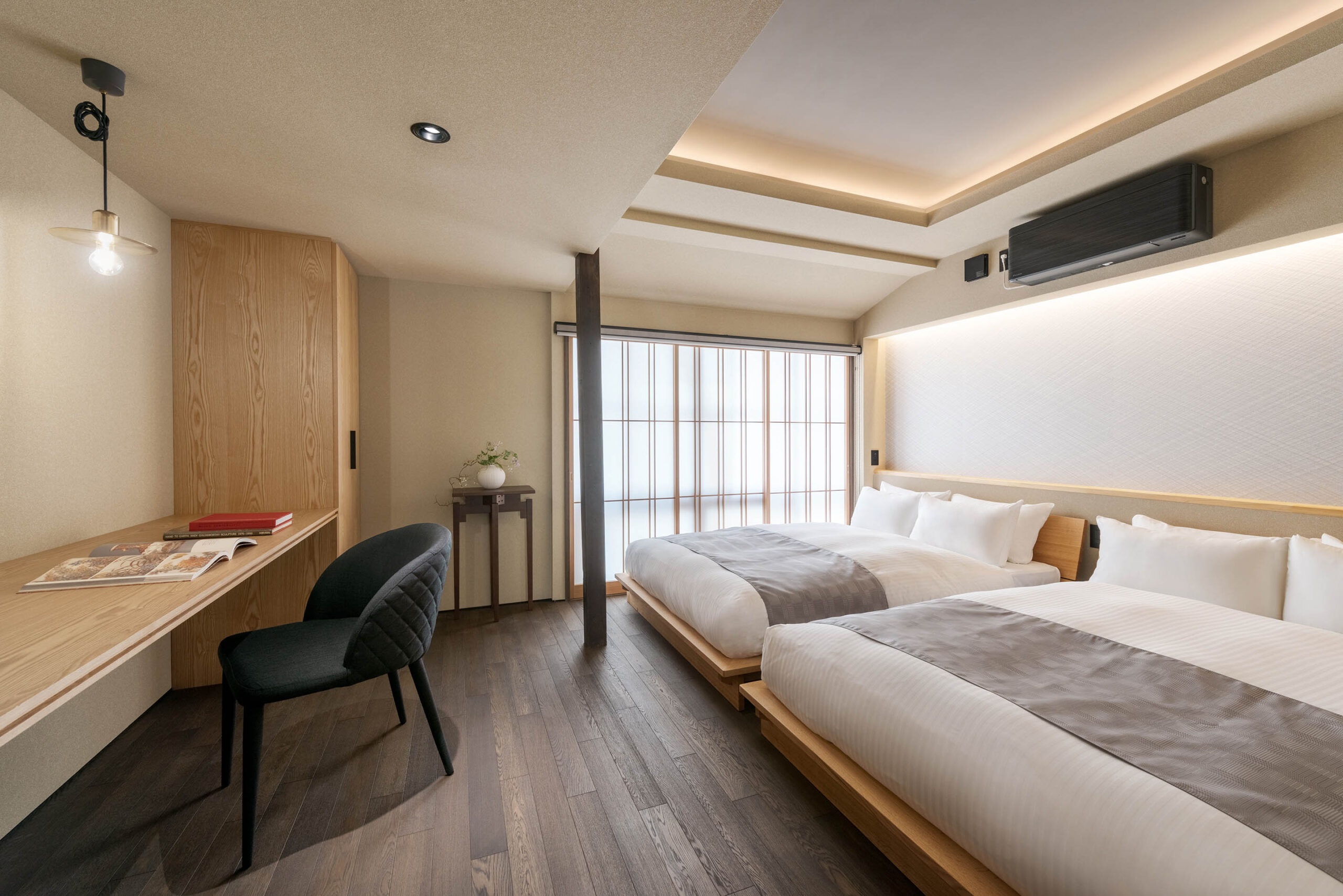
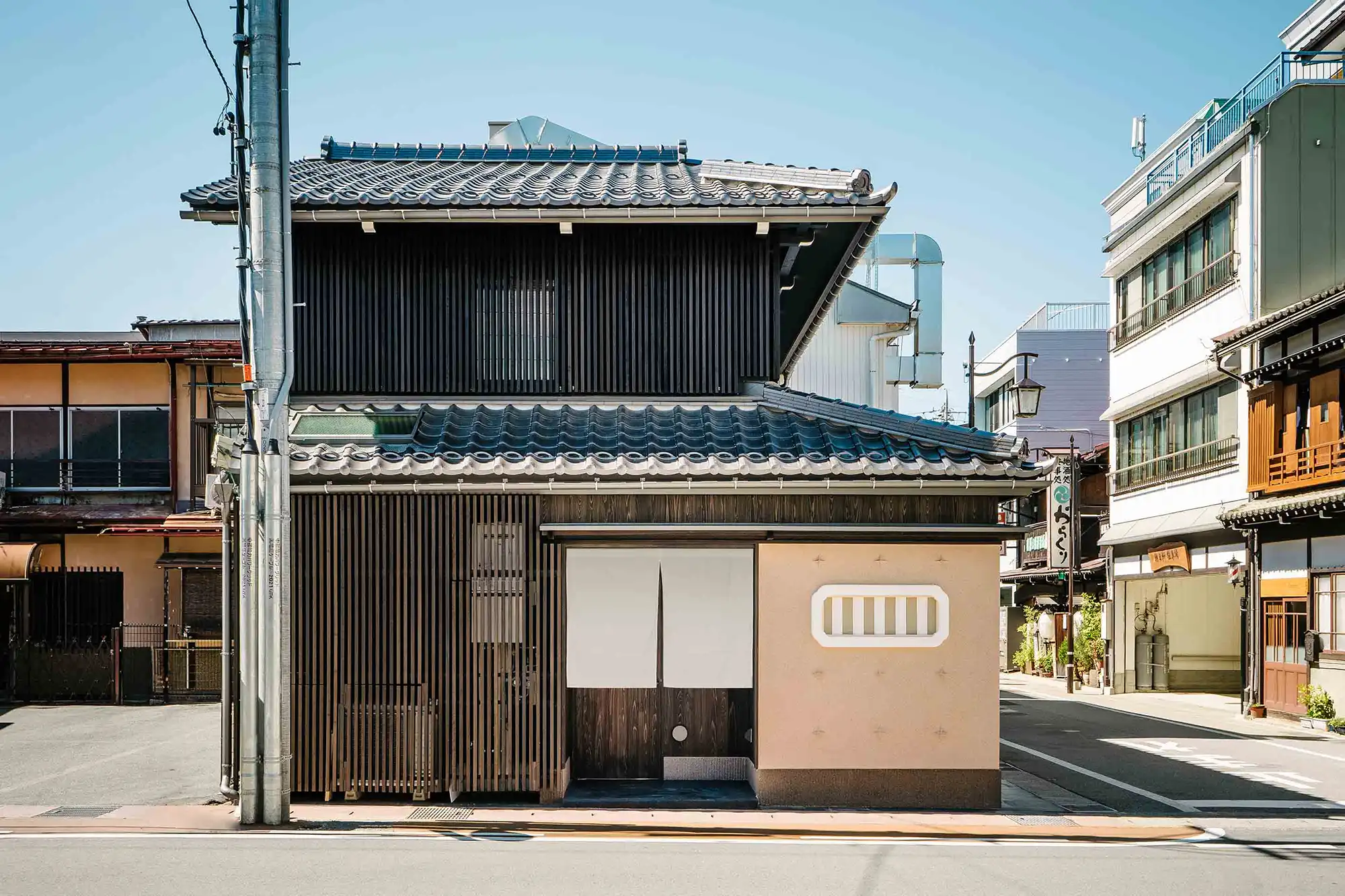
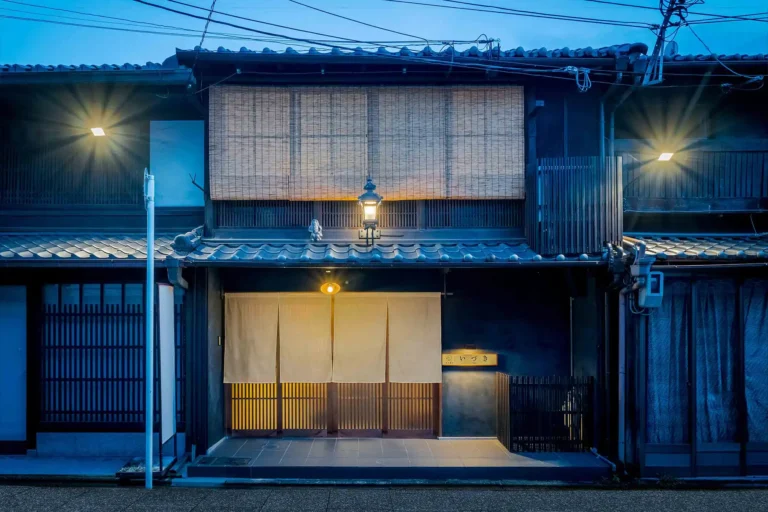
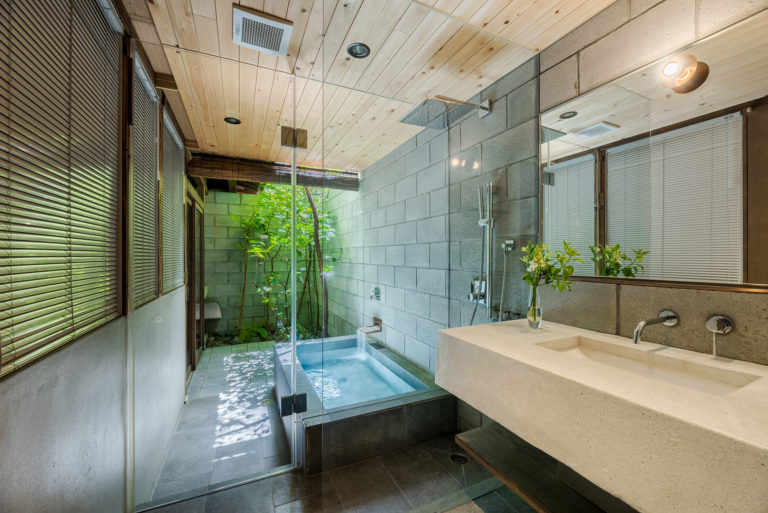
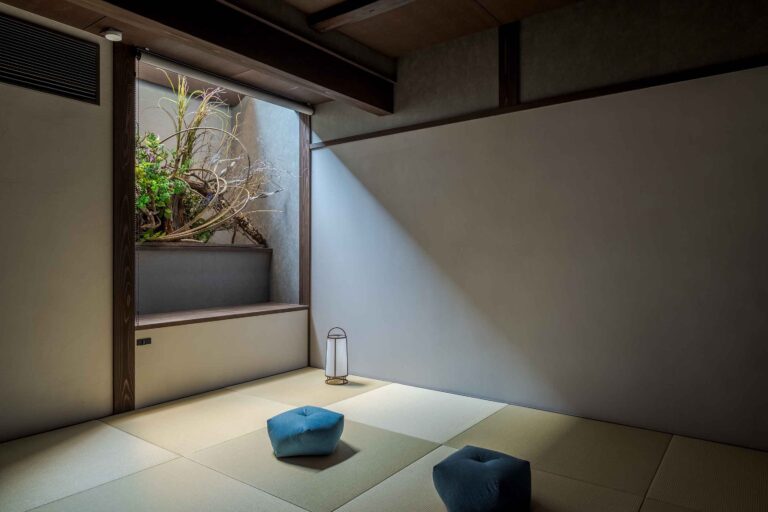
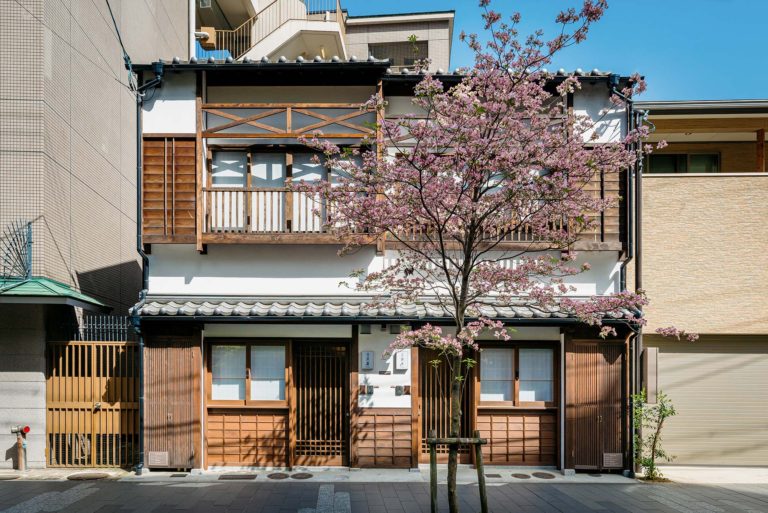
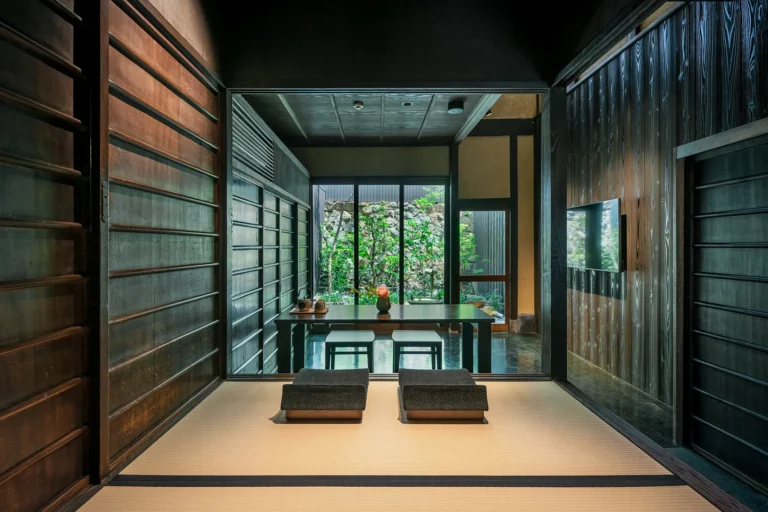
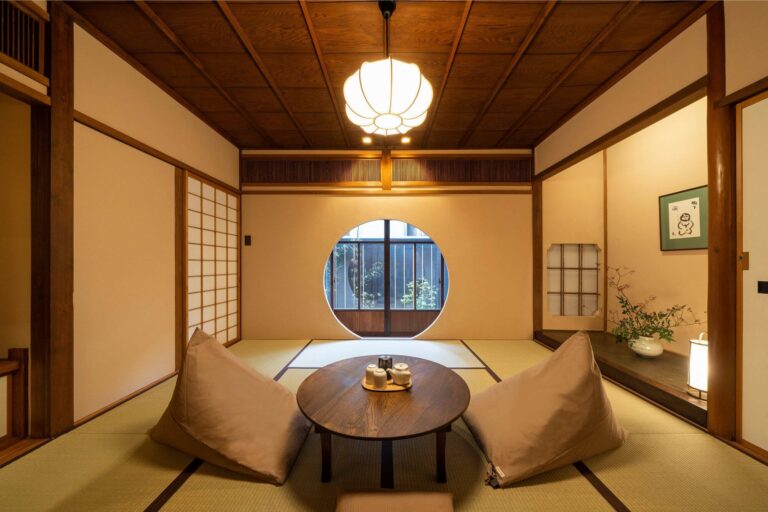
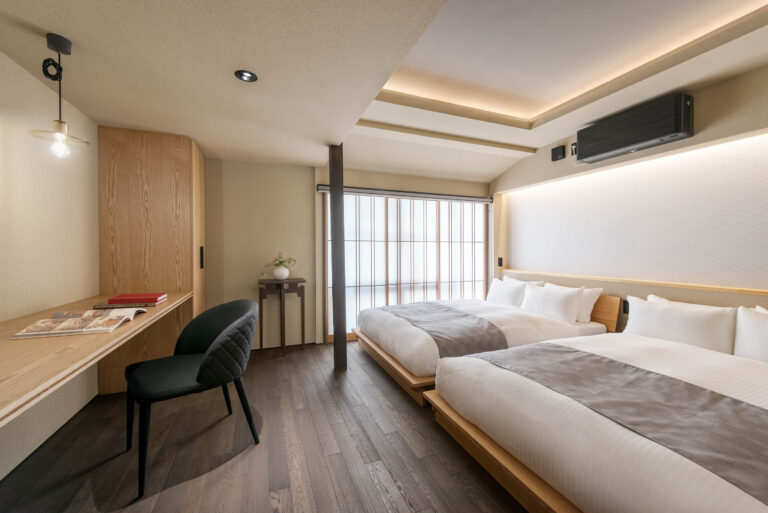
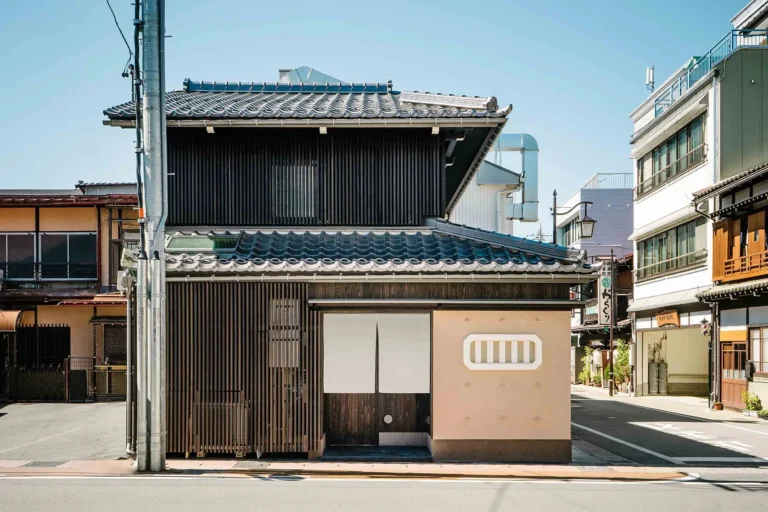
There is no better base for the Gion Matsuri than a machiya in central Kyoto — within walking distance of the float neighborhoods, the parade route, and the lantern-lit streets of Yoiyama. At MACHIYA INNS & HOTELS, our properties in central Kyoto put the festival on your doorsteps, perfect for enjoying the festival on during your Kyoto vacation.

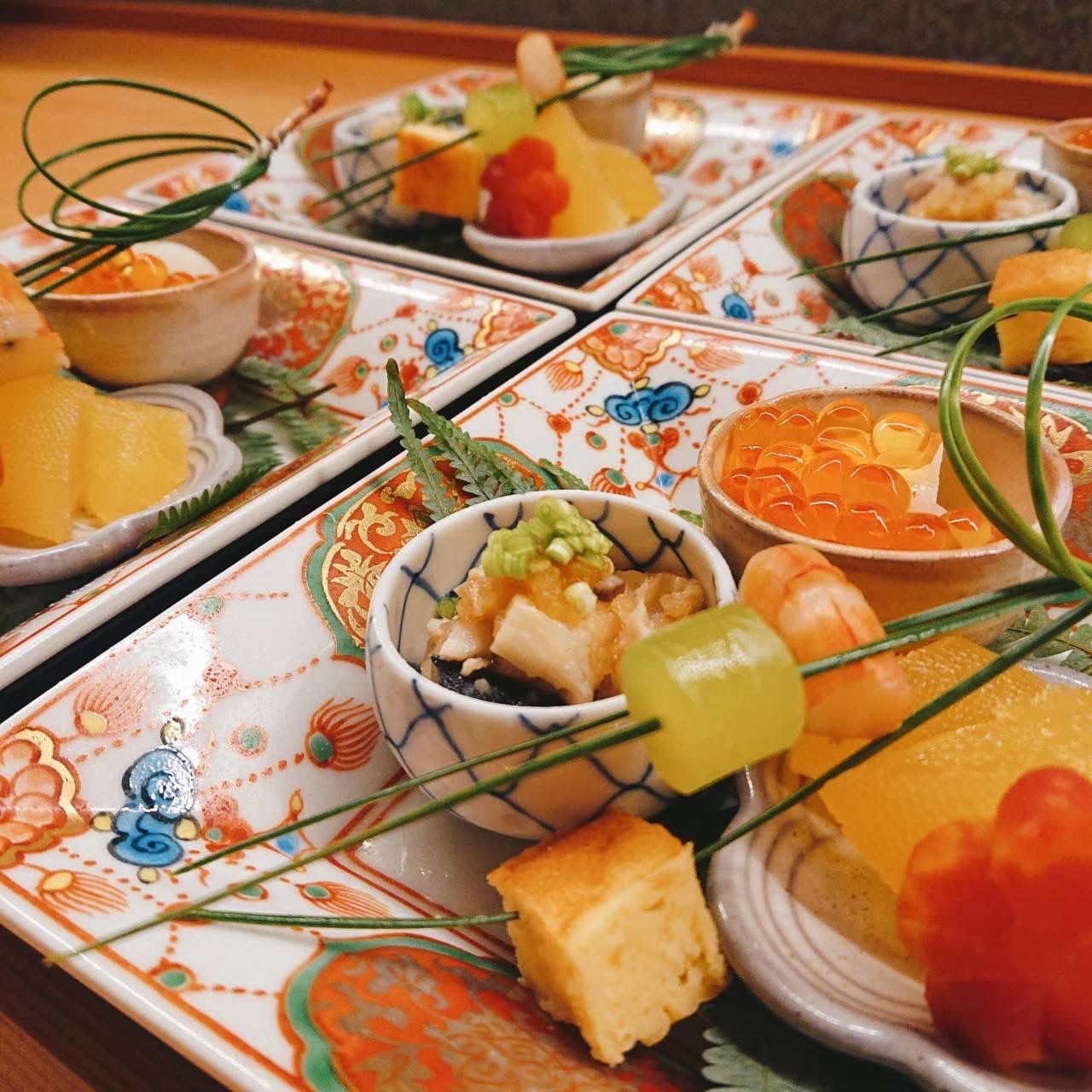
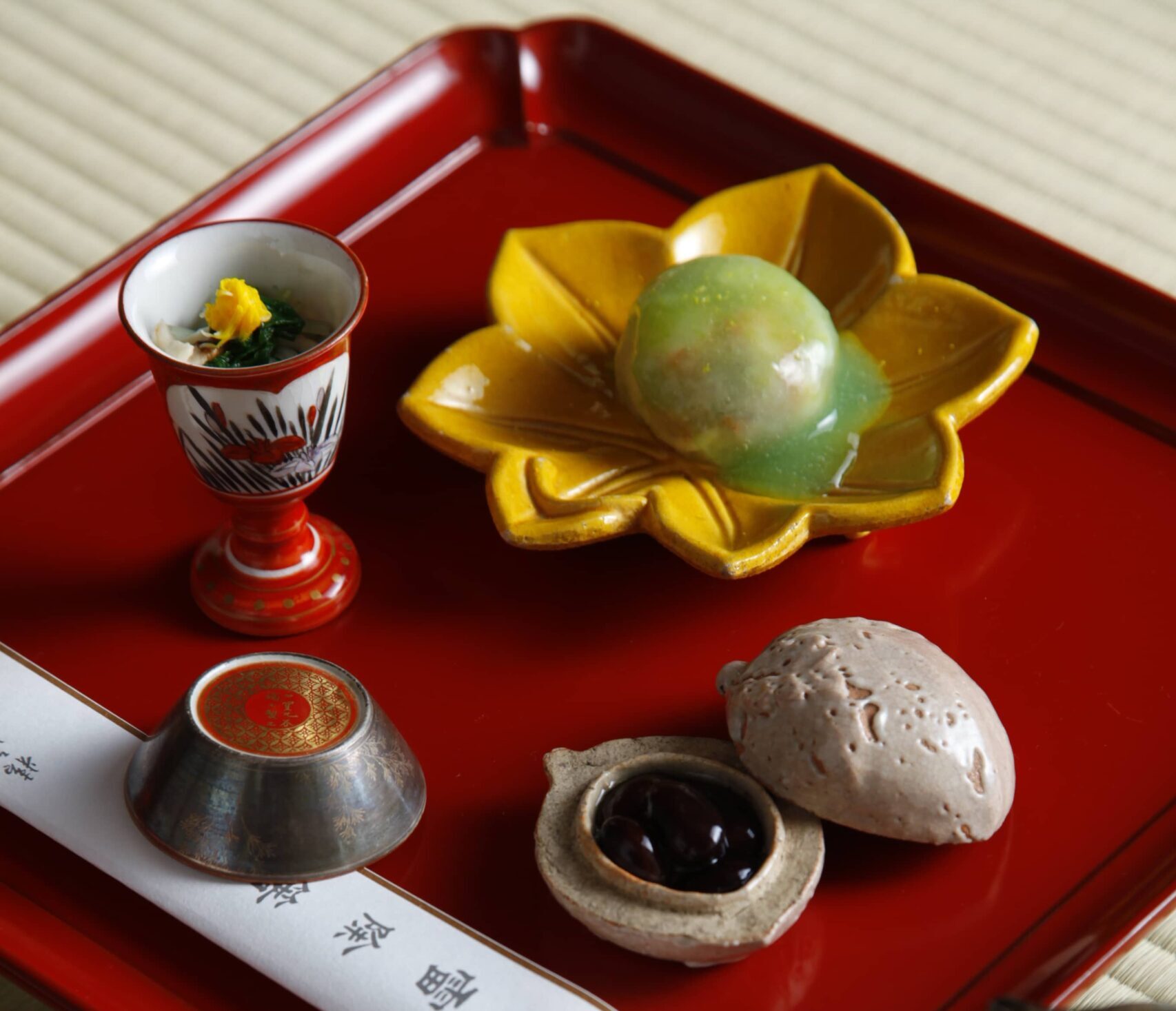
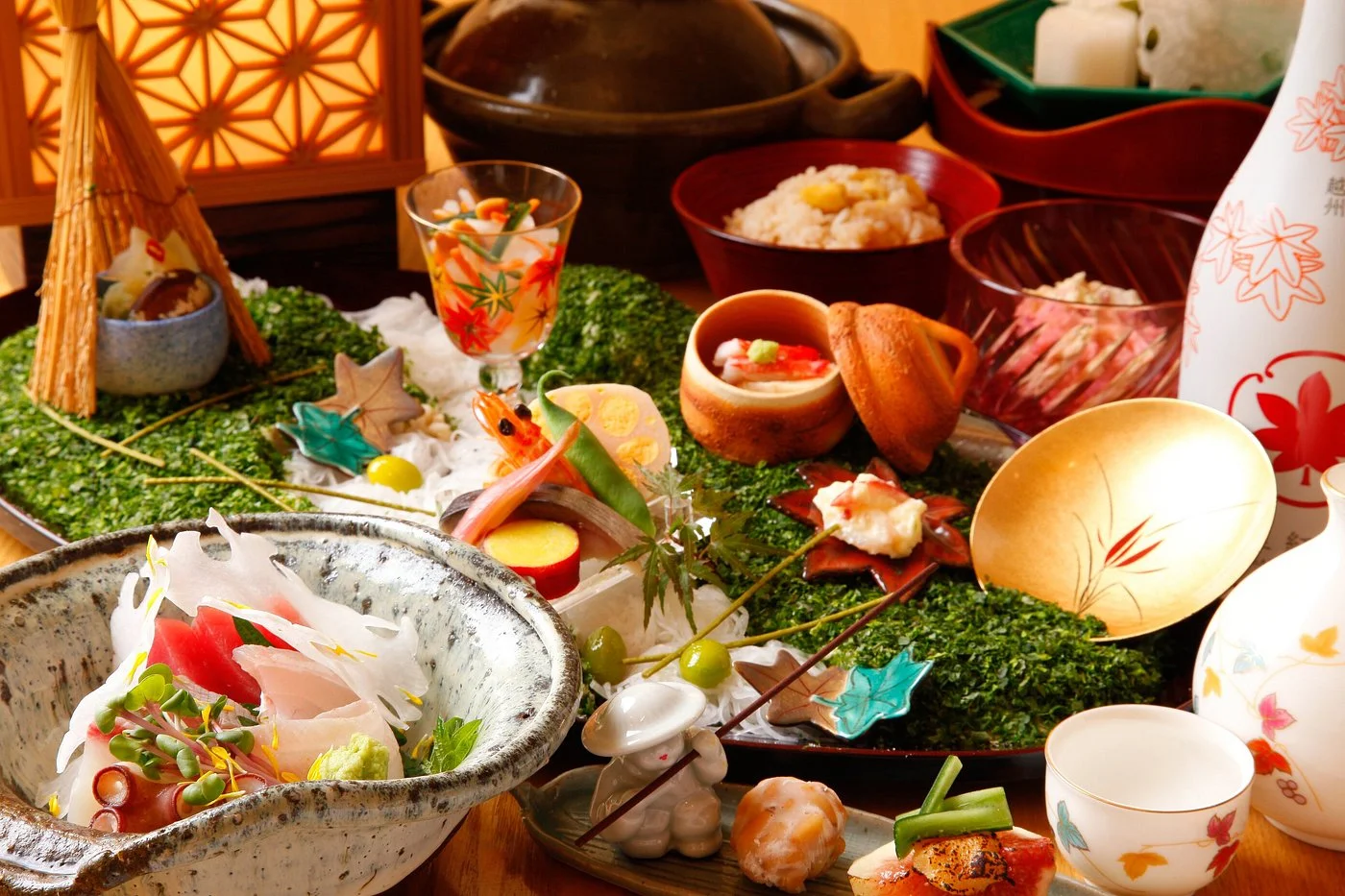
Book a table at locally-loved restaurants to enjoy exquisite kaiseki (course-style) Japanese dinners.
 ×
×