Every year on August 16, five bonfires blaze across the mountains surrounding Kyoto, lighting the night sky with ancient characters and symbols. This is Gozan no Okuribi — one of Japan’s awe-inspiring summer festivals.
To find out more on the festival, and how you can incorporate it into your Japan vacation, see our guide below!
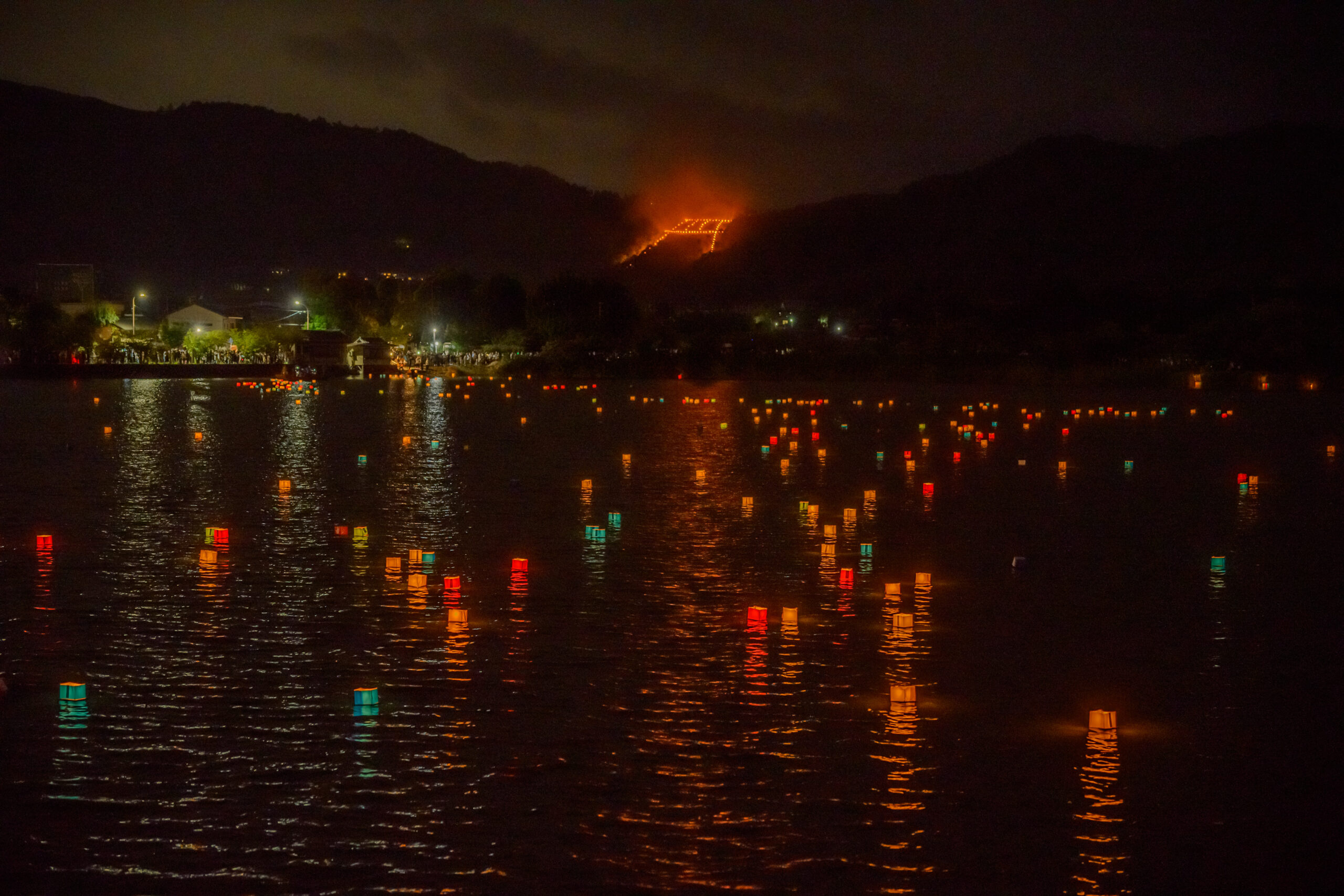
Gozan no Okuribi (“The Five Mountainous Send-Off Fires”), also known as Daimonji (“big letter”), is an annual festival held in Kyoto. It marks the close of the Buddhist Obon festival, which honors the spirits of departed ancestors.
The Obon festival typically runs from August 13 to 15, with Gozan no Okuribi taking place on August 16. It has long been believed that spirits leave the other side and return to the human world during this period. As such, countless people take part in various activities to celebrate their deceased loved ones, such as cleaning graves.
The primary purpose of the Gozan no Okuribi Japanese summer festival is to light five enormous bonfires on the mountains surrounding Kyoto. Burning the bonfires is believed to be a send-off for the ancestral visitors as they return to their own world. Each bonfire has a specific shape and is lit at a fixed time.
While the origins of Gozan no Okuribi are uncertain, it is a tradition dating back hundreds of years. According to Kyoto University, the lighting of the five fires may have started in the Muromachi period (from the 1330s to the 1570s). It may originate from people hurling flaming torches into the air to honor their ancestors.
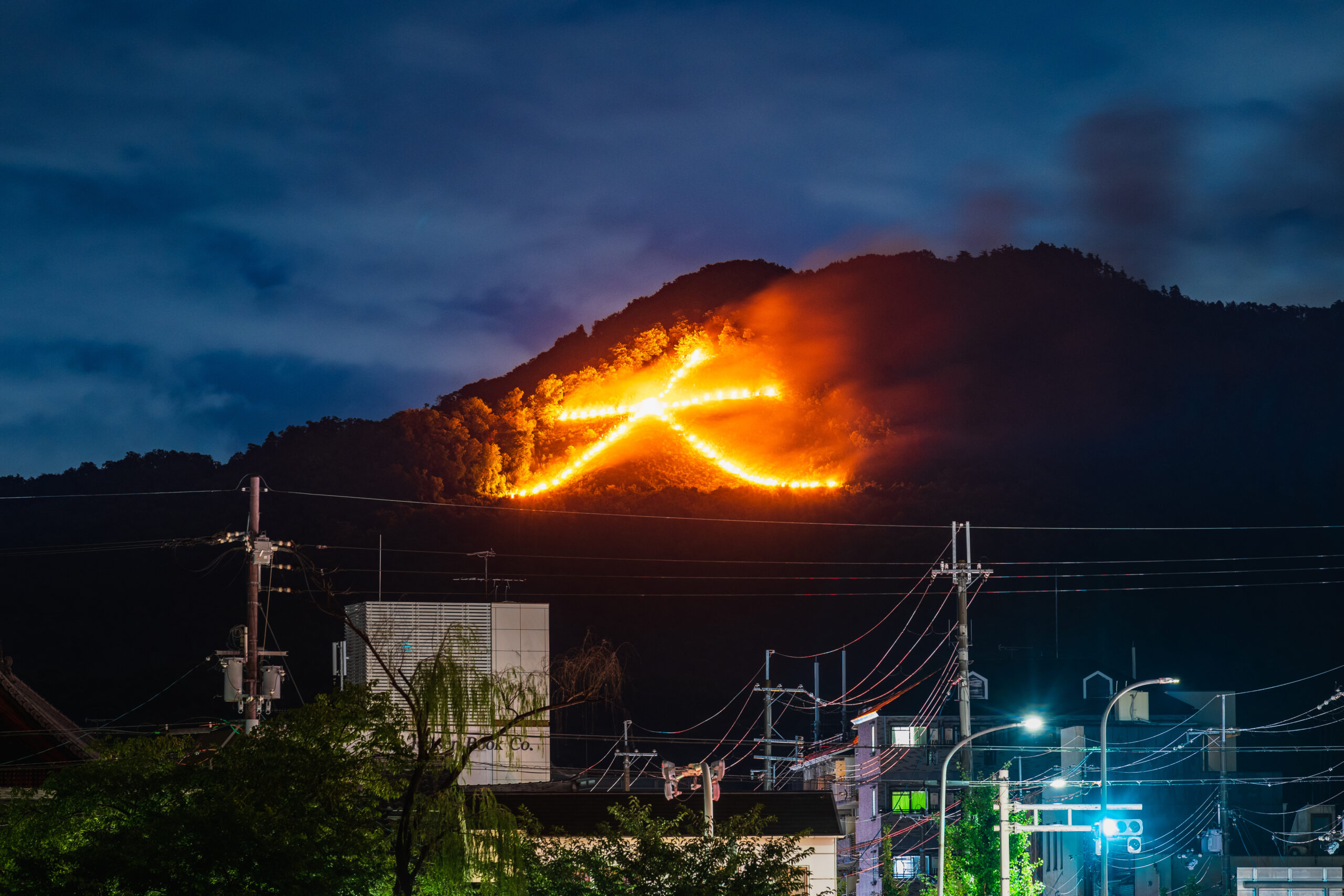
The lighting of the five fires is a sacred and complex process. Each fire has a unique shape and purpose. Three of the fires are kanji characters, while the remaining two represent manmade shapes: a boat and a Shinto shrine gate.
Local volunteers and preservation groups light the fires according to a strict schedule. Gozan no Okuribi always begins at 8 pm on August 16, and each bonfire has a designated site.
Note: Gozan no Okuribi is made up of 5 bonfires, though there are technically 6 individual characters and shapes. There are two separate bonfires to create the two kanji characters for Myōhō, but they are counted as one.
The Daimonji fire is the kanji character for “great” and is lit on Mount Nyoigatake (Higashiyama district). Lighting the Daimonji fire at 8 pm launches the festival.
The Myoho fire is formed of the characters for “Buddha’s remarkable teaching.” Unusually, it is spread across two adjacent mountains in the Matsugasaki area — the Myō (妙) character is lit first, followed by Hō (法). The first flames appear at 8.05 pm.
The Funagata fire is shaped like a ship and set up on Nishigamo. The fire is lit at 8.10 pm.
Another character for “great”, this fire is burned on Mount Hidari Daimonji at 8.15 pm.
The final fire takes the shape of a Shinto shrine gate and burns on Mount Mandara. It is lit at 8.20 pm.
Like any festival, Gozan no Okuribi involves strict traditions. If you plan to visit during the Kyoto festival, be respectful of Japanese locals’ beliefs and customs.
While preparations for the Japanese summer festival are underway, locals write prayers on gomagi (cedar prayer strips). Gomagi are collected at temples on the day before the festival and burned in the bonfires.
Burning the prayers is believed to help ancestral spirits receive messages from those still in the earthly realm.
Locals often create altars at home during the Obon festival. Altars typically hold flowers, drinks, or food as offerings for the spirits of ancestors.
Many locals believe that drinking sake during the Daimonji Festival may protect them from ailments — traditionally including paralysis — provided that they see the bonfires reflected in their beverage. Sake may be substituted for water.
A long-standing custom associated with Gozan no Okuribi is keshizumi (消し炭), or “extinguished charcoal.” Early on the morning of August 17, some locals climb the mountains to collect small embers left behind by the bonfires. These are placed in small pouches and hung near the entrance of homes, where they are believed to offer protection and bring good fortune.
Other folk traditions also surround the festival. The direction in which the smoke drifts is said to predict the fortunes of the coming year, with smoke blowing toward Kyoto generally regarded as a favorable sign.
Observing the bonfire burning is a fascinating part of any summer trip to Kyoto, but make sure you plan ahead. The first bonfire is always lit at 8 pm, so take your viewing spot well in advance.
There are various recommended vantage points around the city, but the Nakagyō Ward in Kyoto’s center is generally considered the best. Certain rooftops offer clear views but can be crowded. In some locations, you can take a seat and watch all five fires for a fee.
Other popular sites for viewing each fire in the Daimonji Festival include:
・Daimonji – The banks of the Kamogawa River
・Myōhō – The banks of the Takano river or Kitayama Street
・Funagata – Also Kitayama Street, near the Kitayama Ohashi Bridge
・Hidari Daimonji – Nishioji Street
・Toriigata – Near Matsuo Bridge or Hirosawa Pond
Once the bonfires are lit, each one burns for approximately 30 to 40 minutes. By around 8.30 pm, all five fires will be alight — if you have a good vantage point, this is the moment to look out for.
The Kyoto festival takes place at the same date, time, and location each year. Whether the weather is dry or drizzly, the bonfires will be lit. The festival may only be canceled during severe weather conditions.
August in Kyoto can be hot, so carry bug spray with you to stay comfortable. Pack other essentials, too, as many businesses close for the festival or have shorter opening hours.
Additionally, heavy traffic and transport disruptions are common during the Obon period, so factor that into your travel plans. Note also that hiking on the mountains where the fires are lit is prohibited on August 16 for safety reasons.




Visiting Kyoto during the Daimonji Festival is a wonderful opportunity to experience a key part of Japanese culture. And when the festival ends, Kyoto and the surrounding area offer many exciting places to explore.
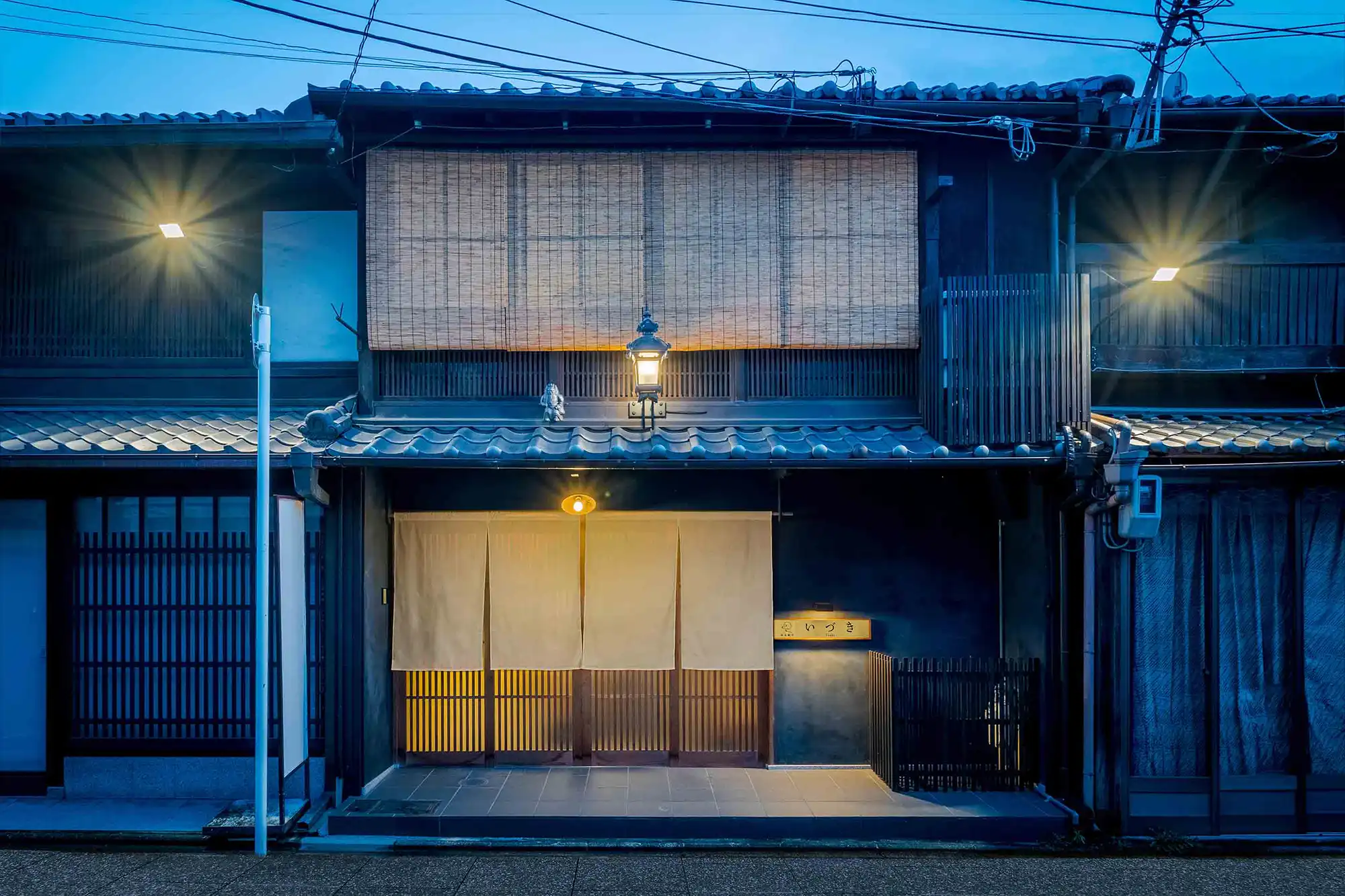
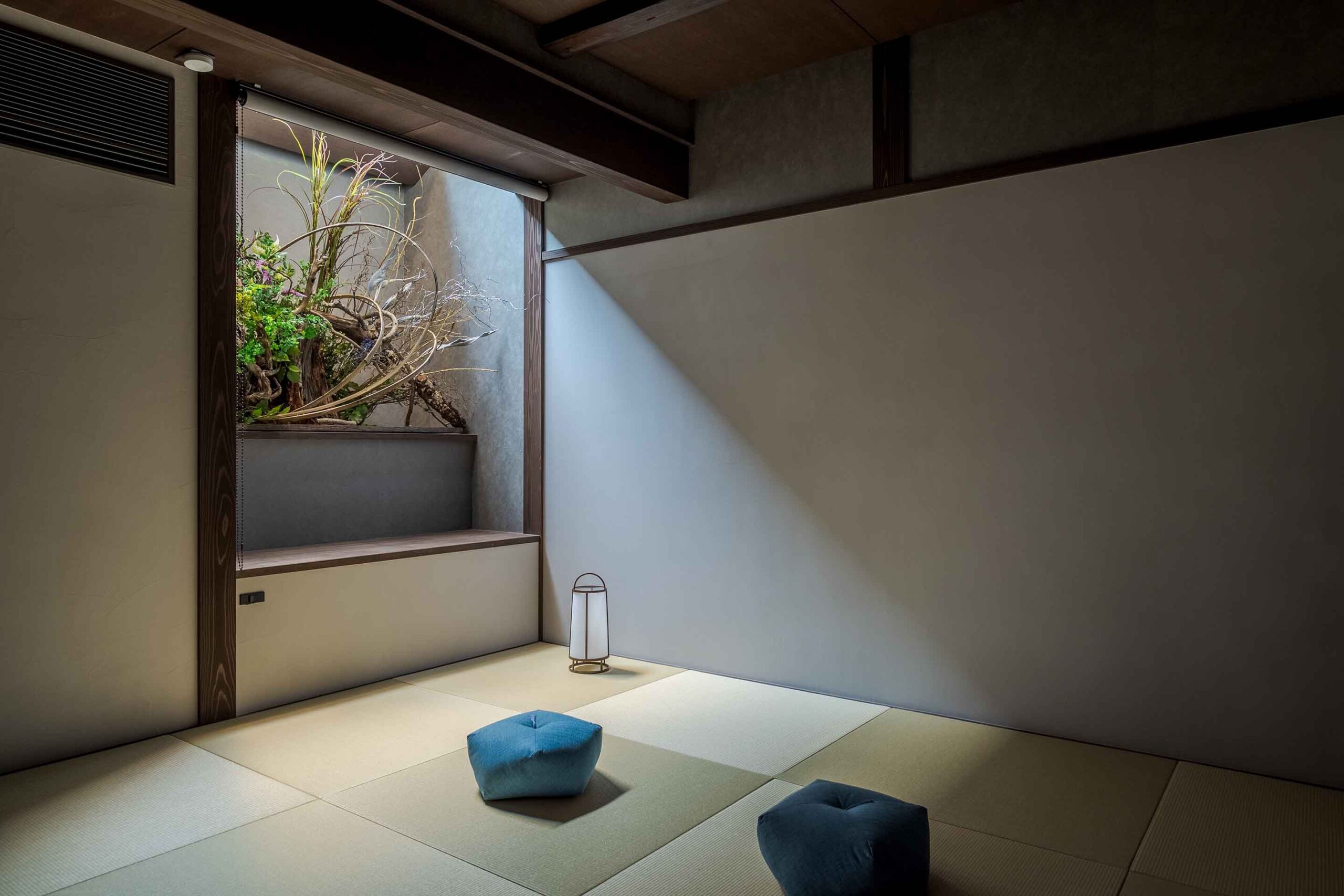
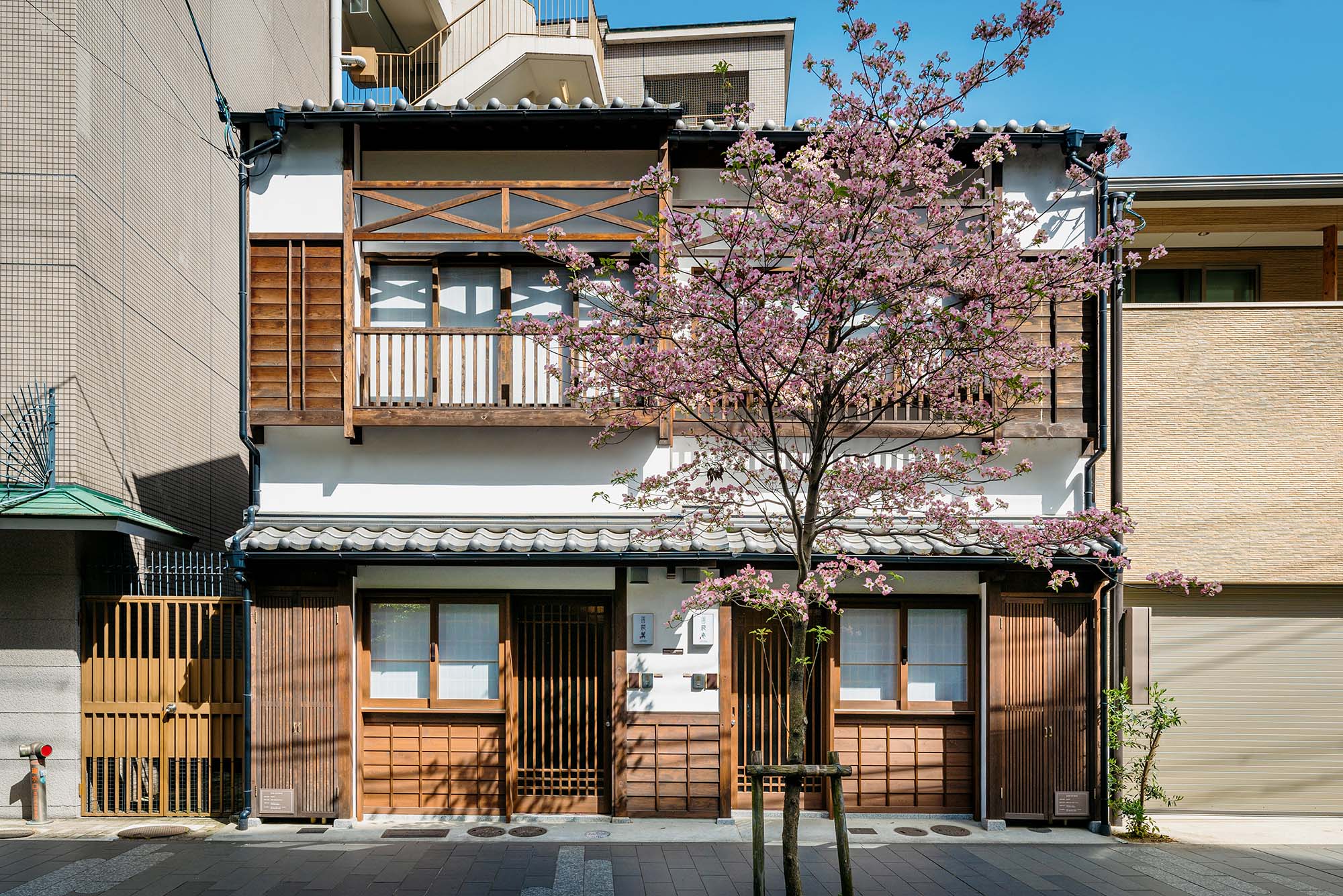
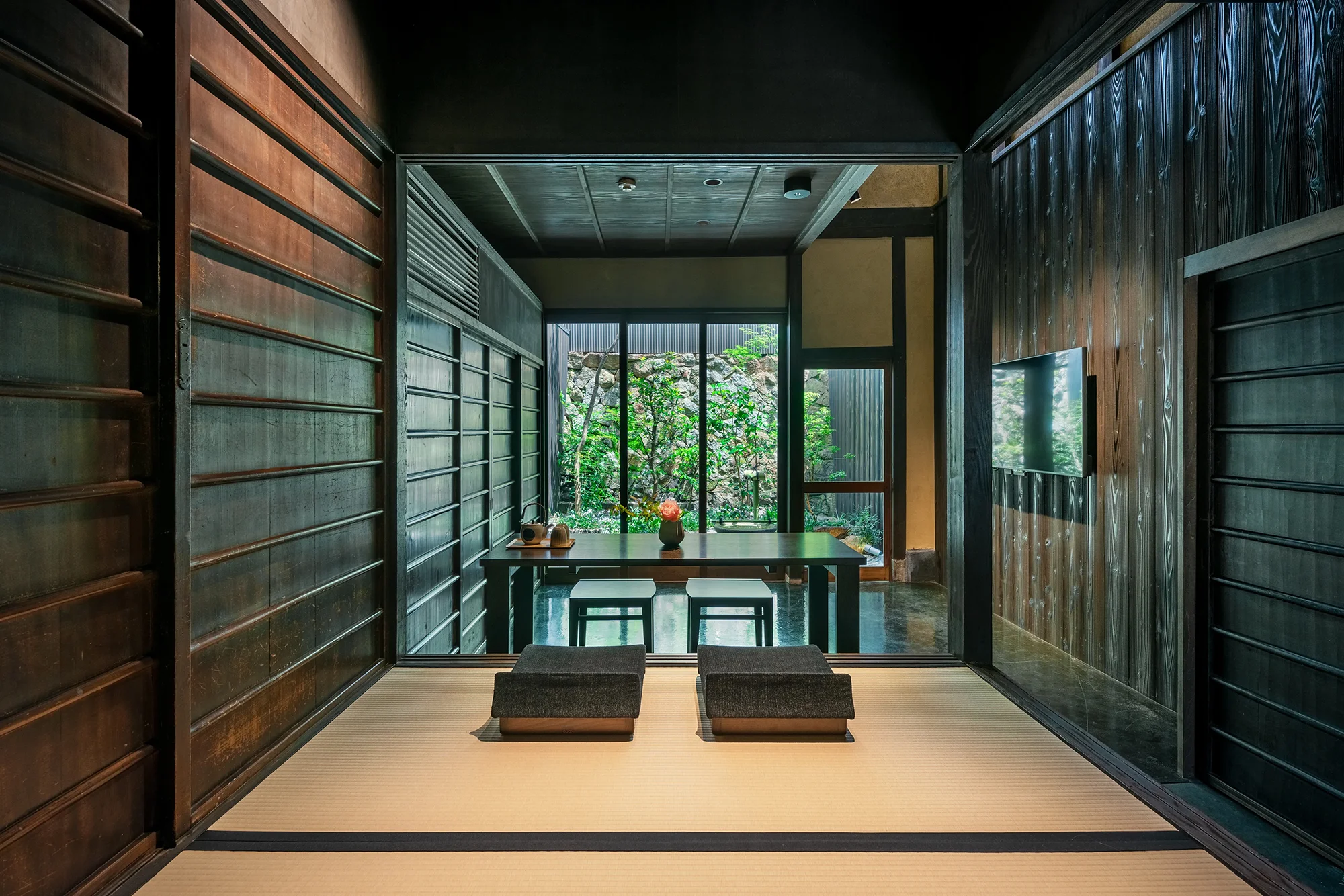
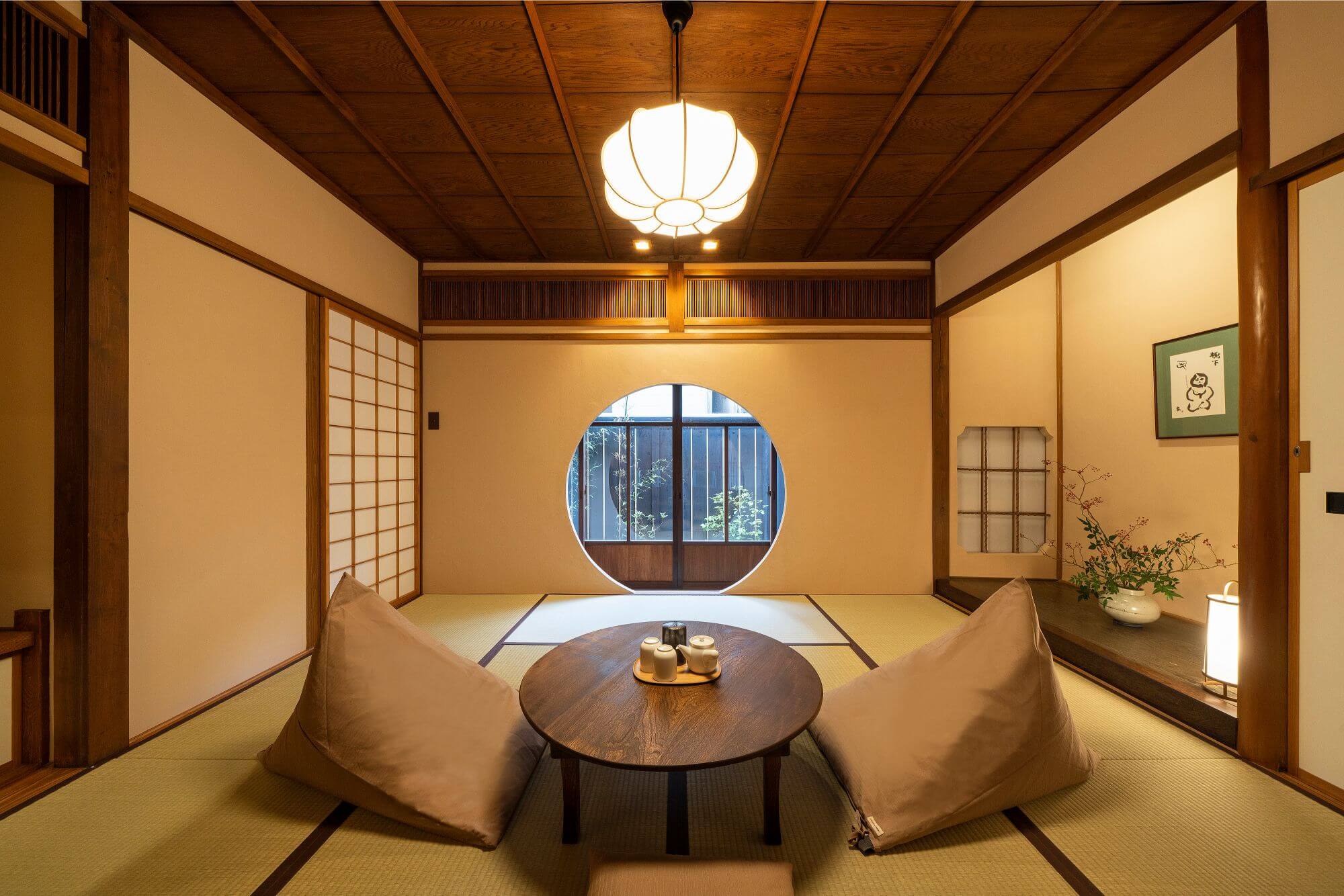
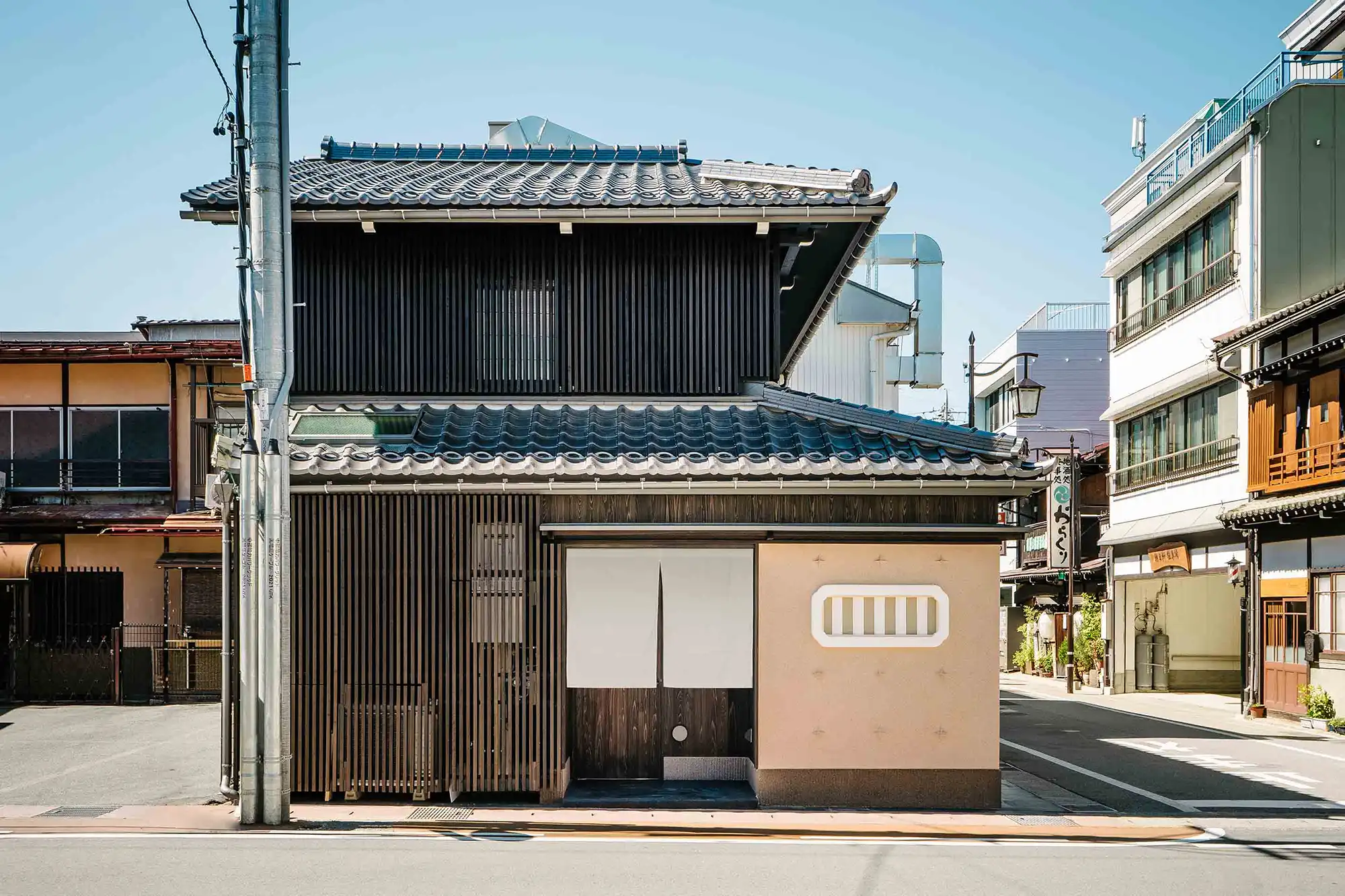
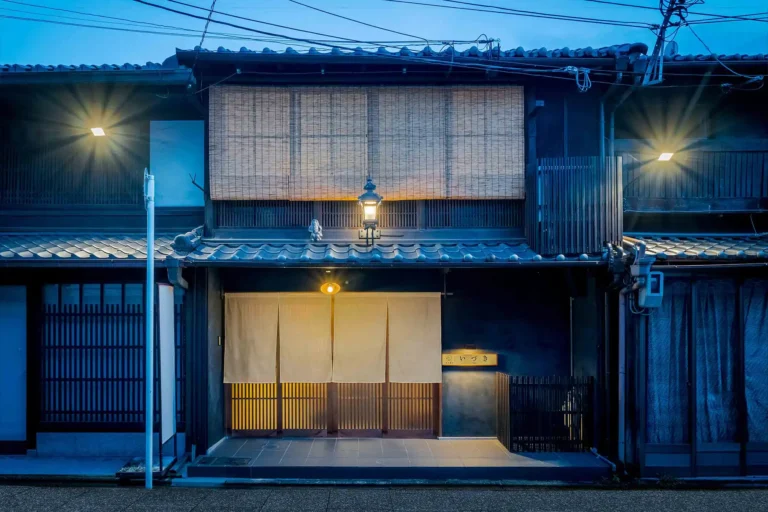
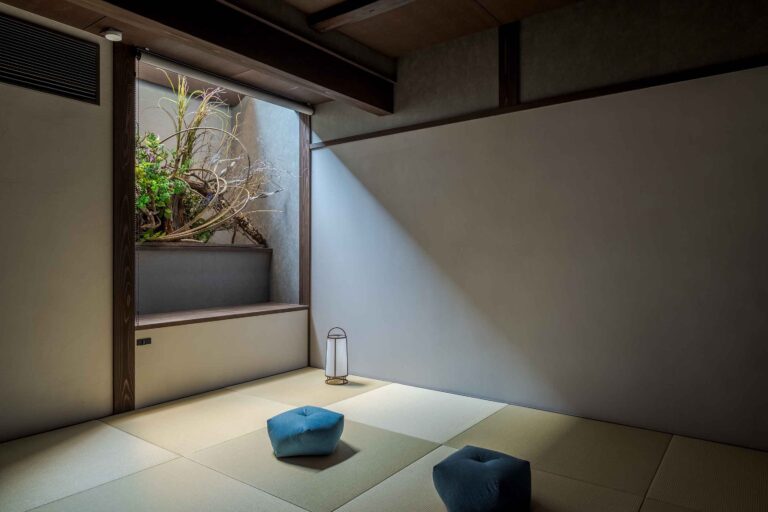
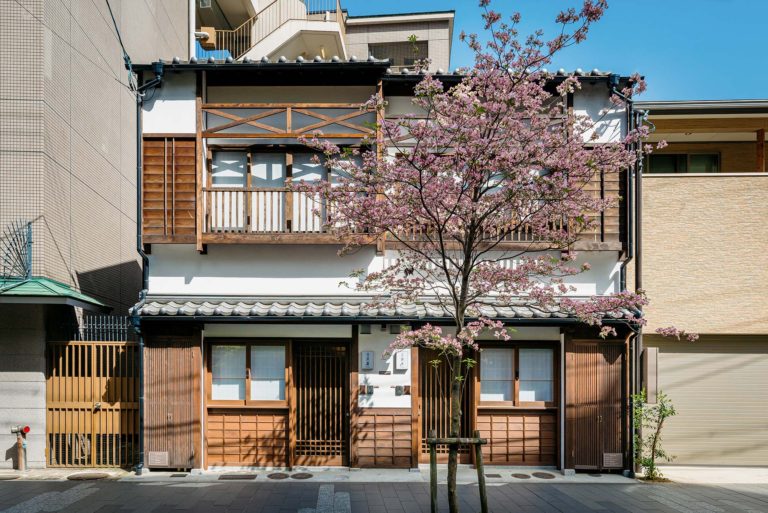
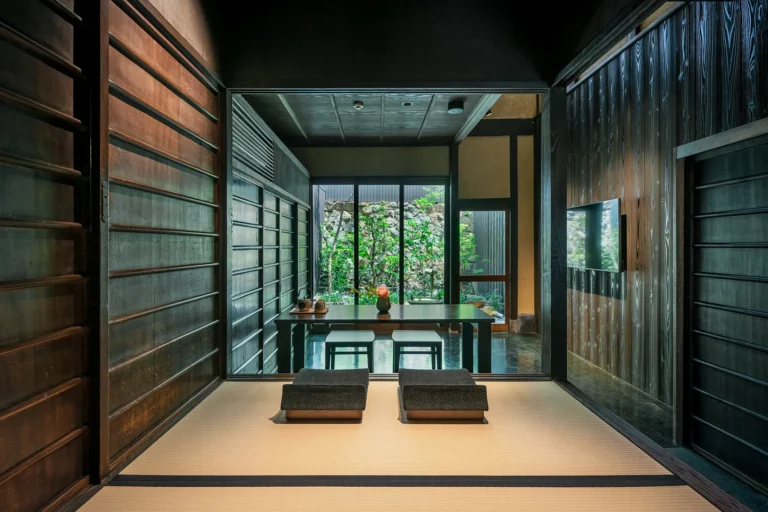
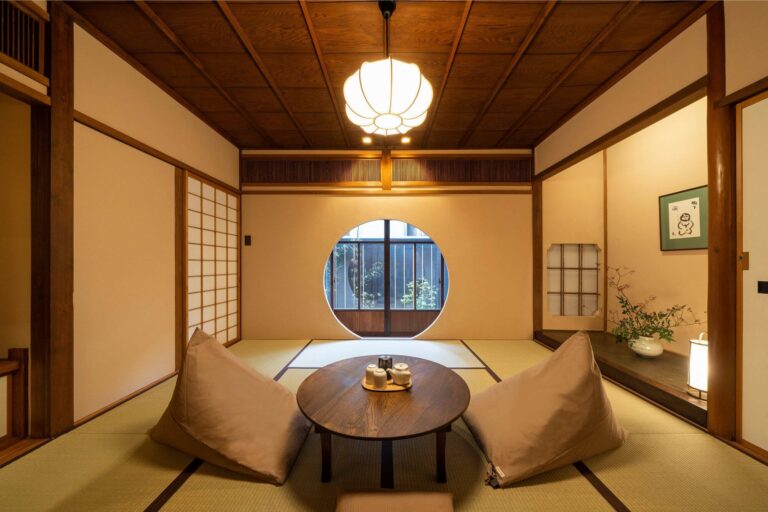
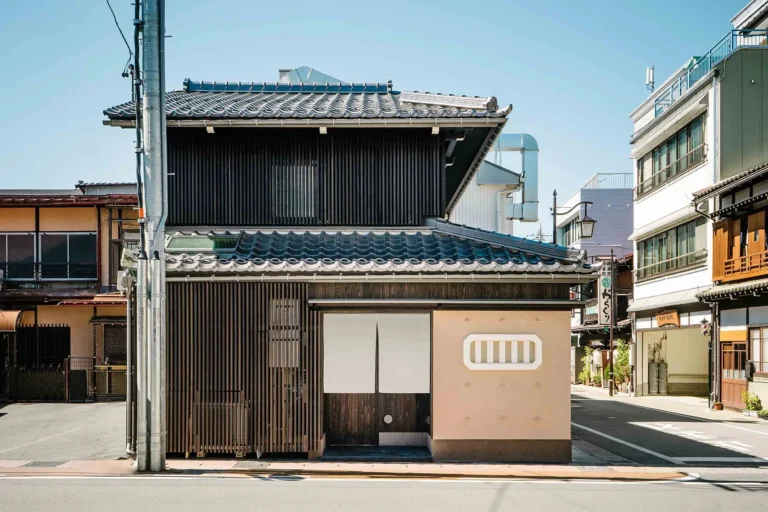
Finding good accommodation is critical — especially during Obon, when transport disruptions are common and rooms fill up fast. Book well in advance to avoid disappointment. At MACHIYA INNS & HOTELS, we have an range of private holiday house rentals and Japanese-style boutique hotels, perfectly located for your Kyoto adventure.

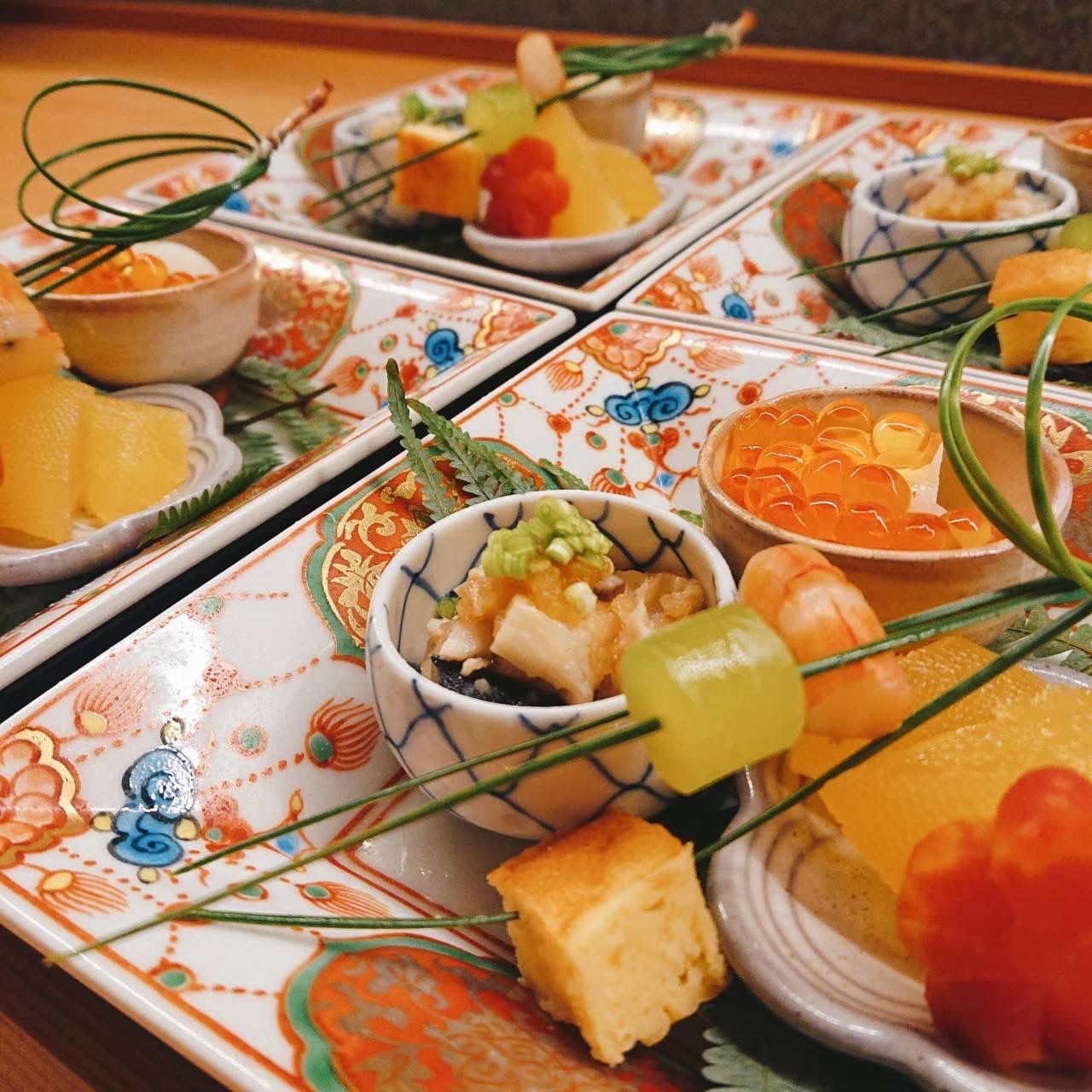
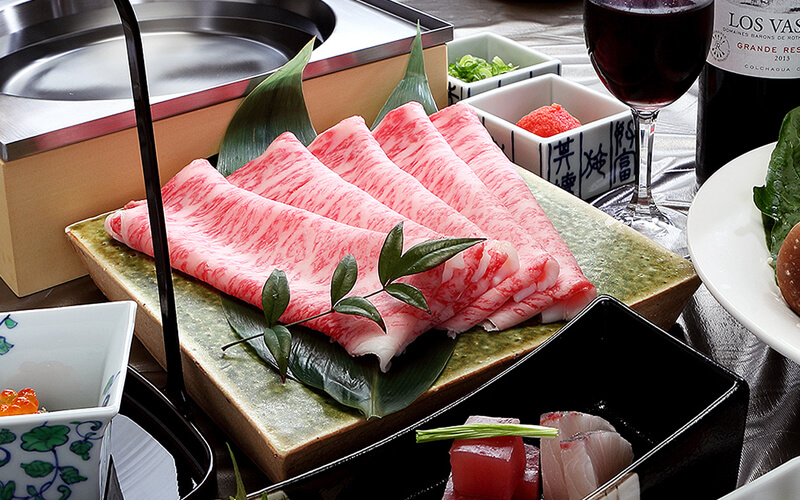
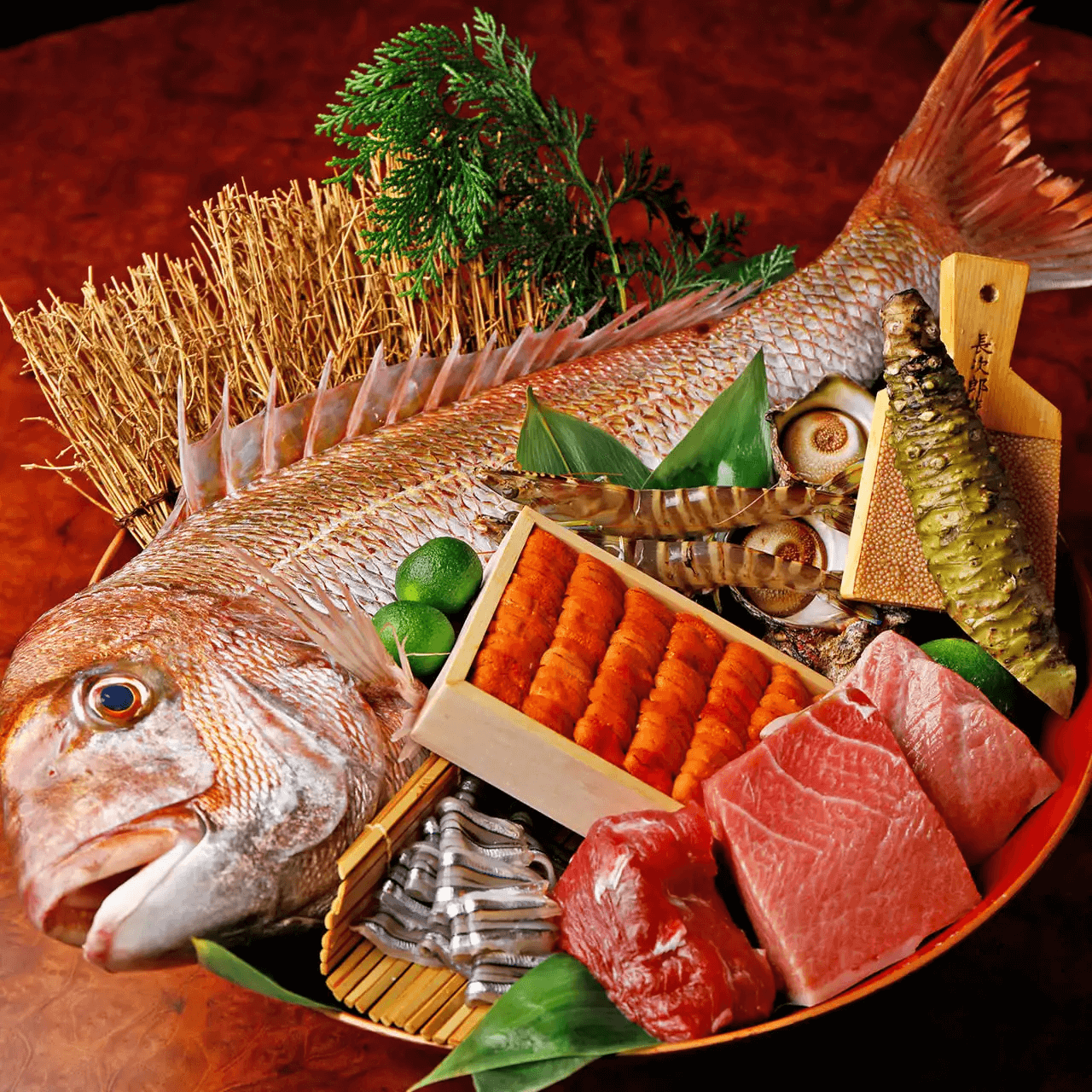
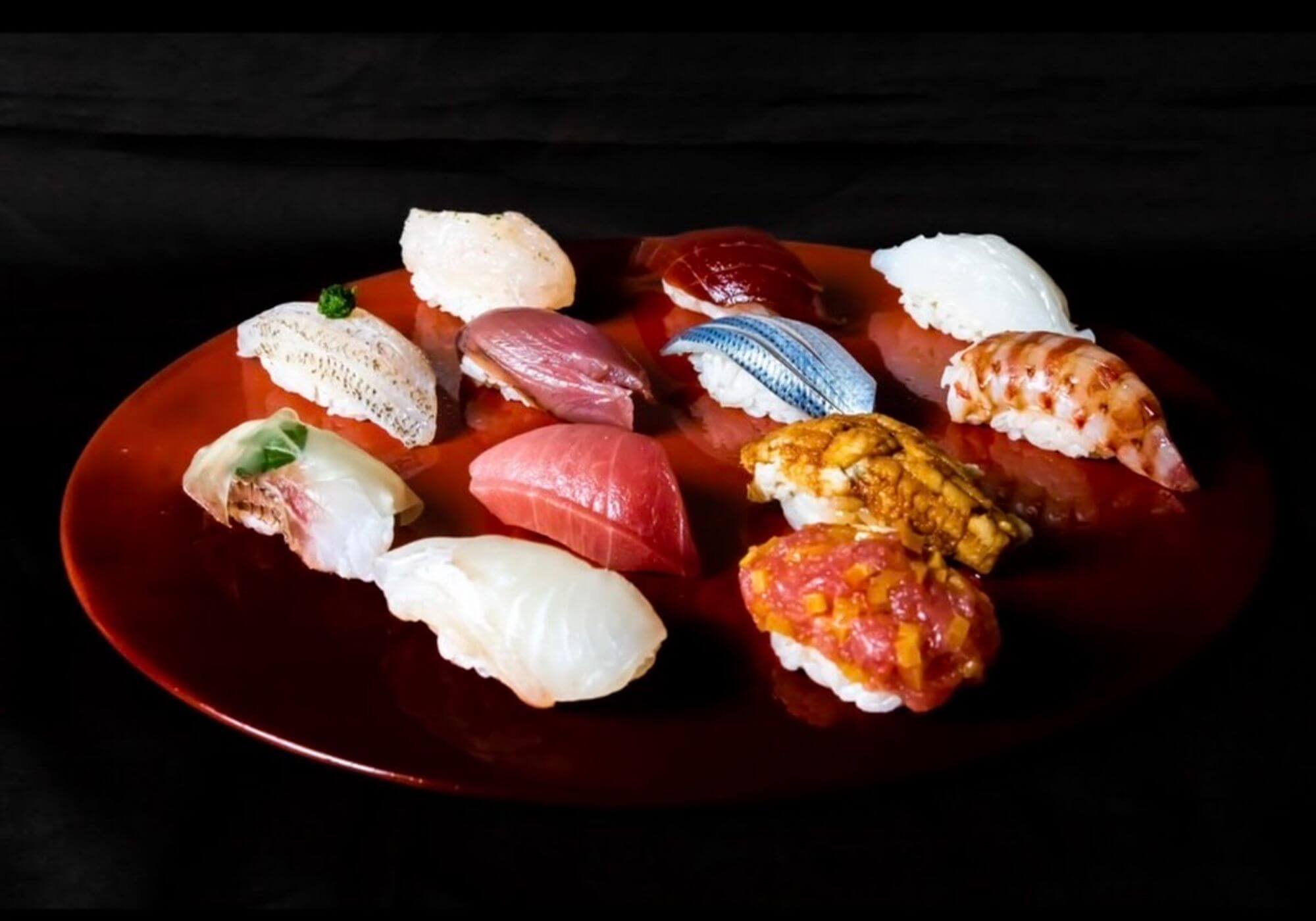
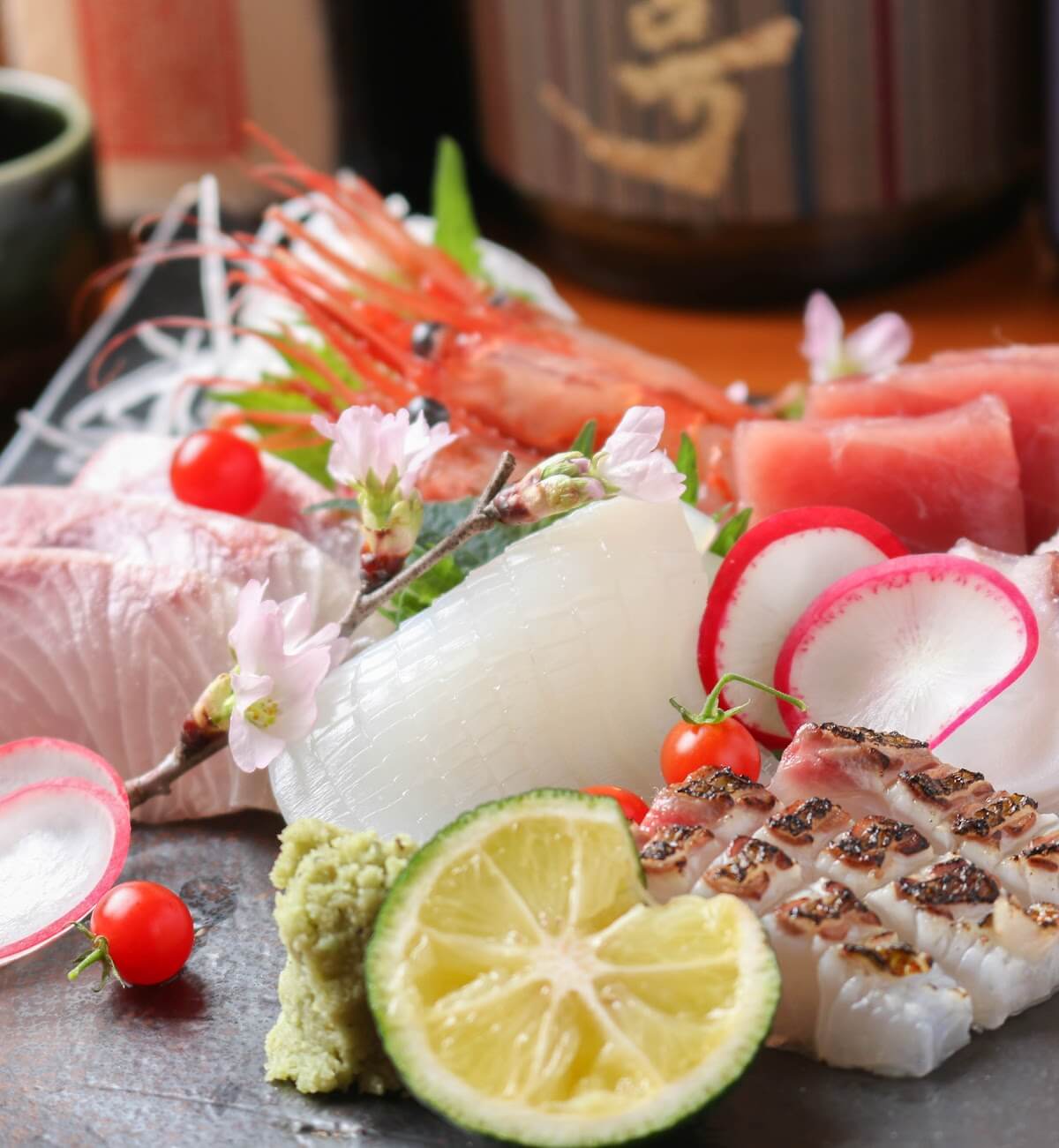
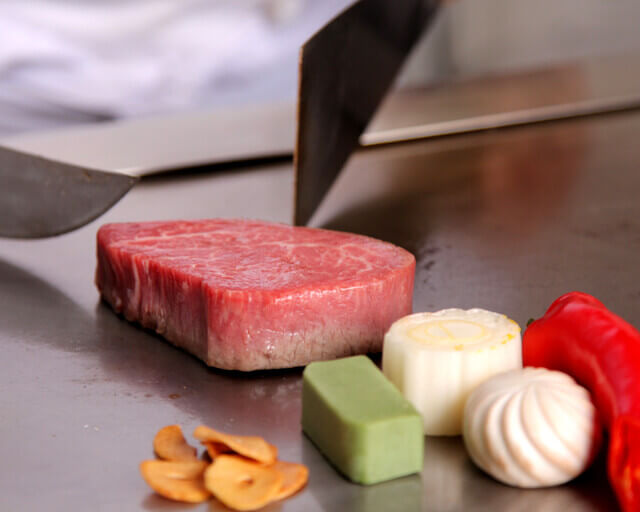
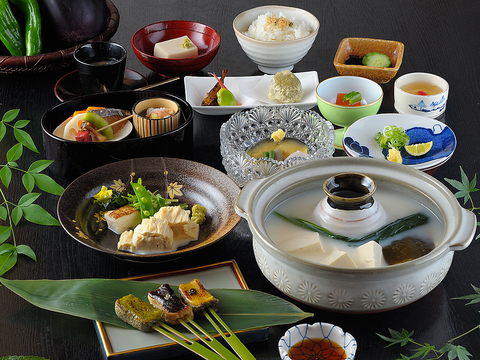
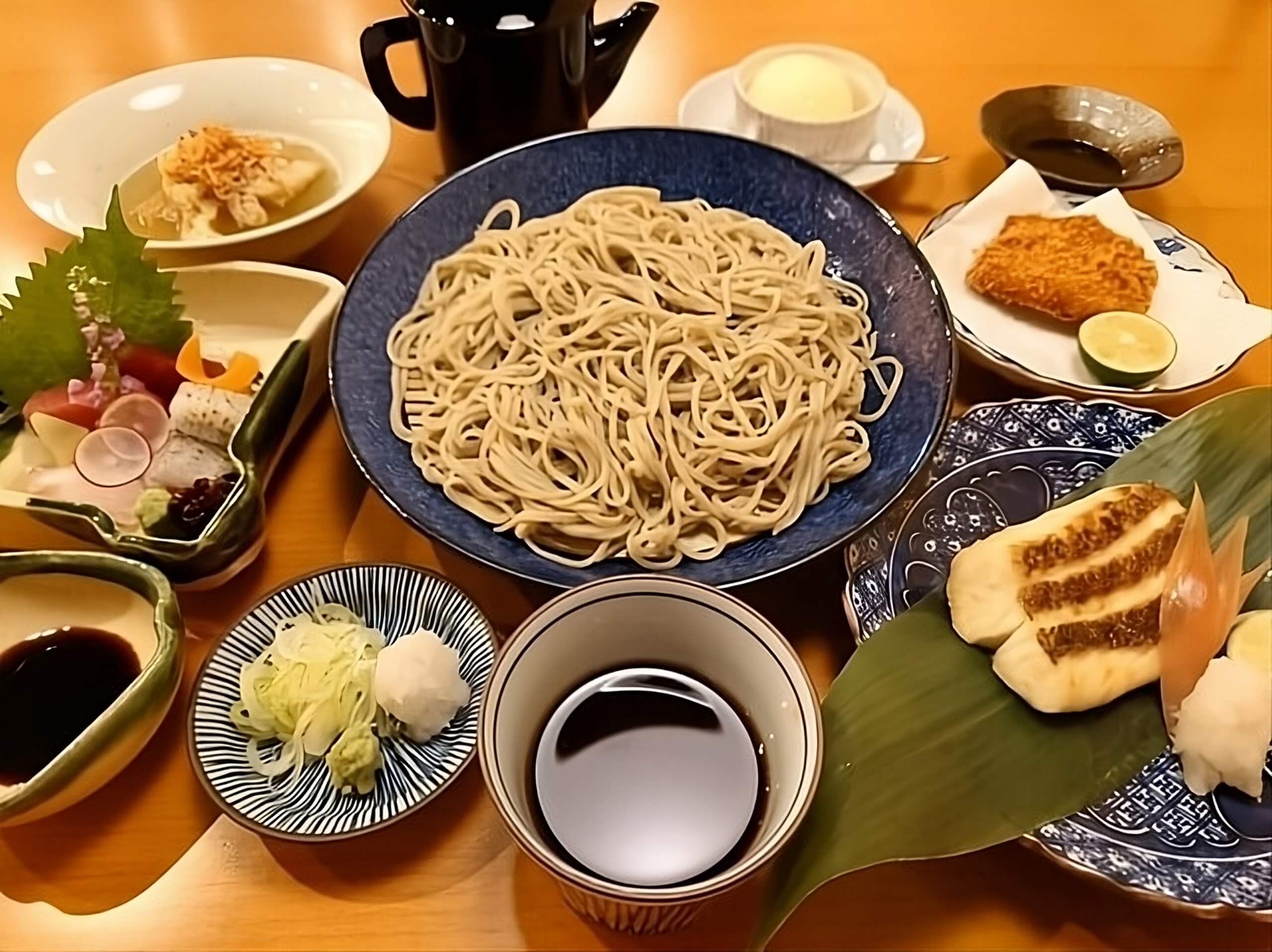
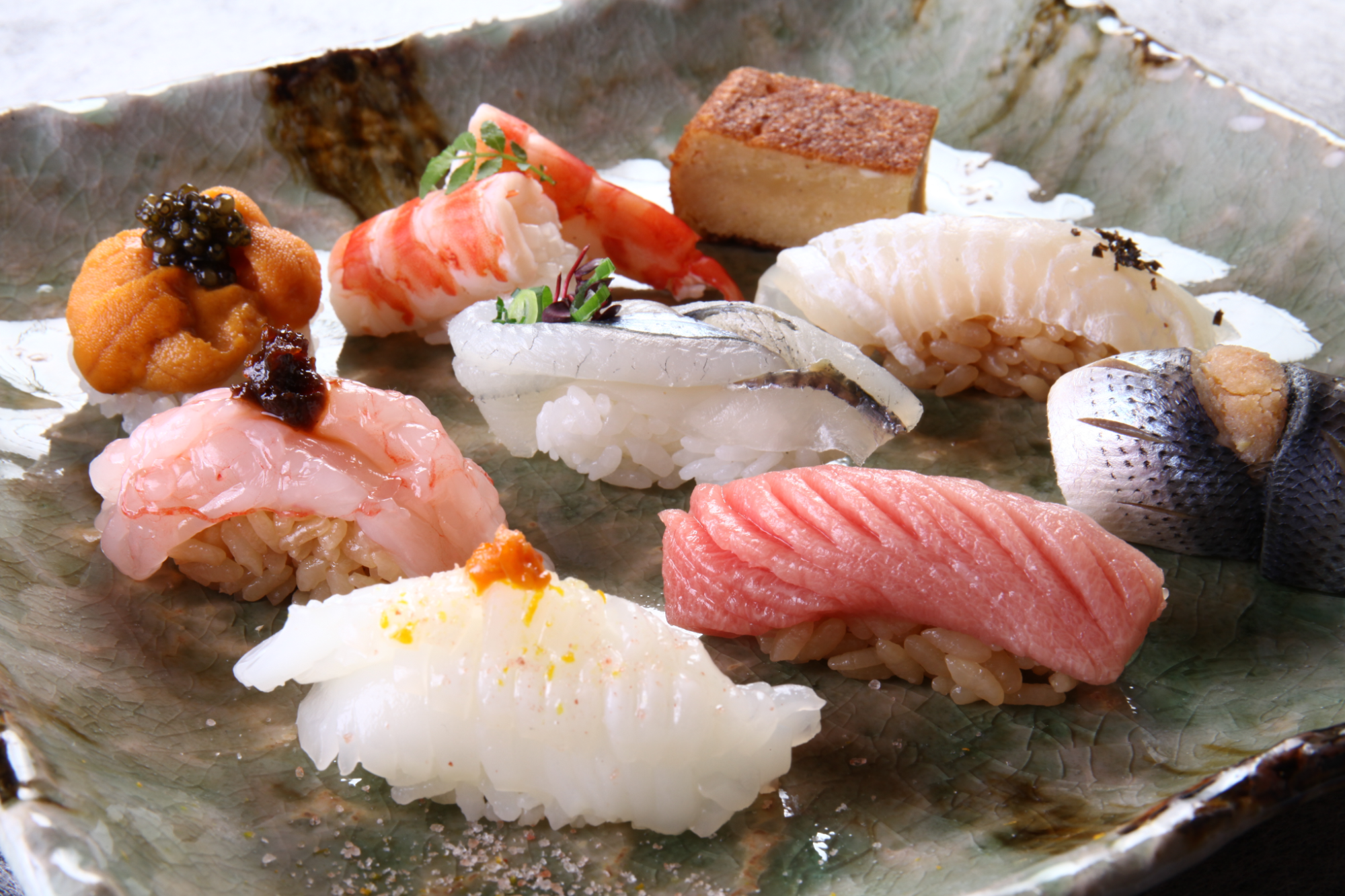
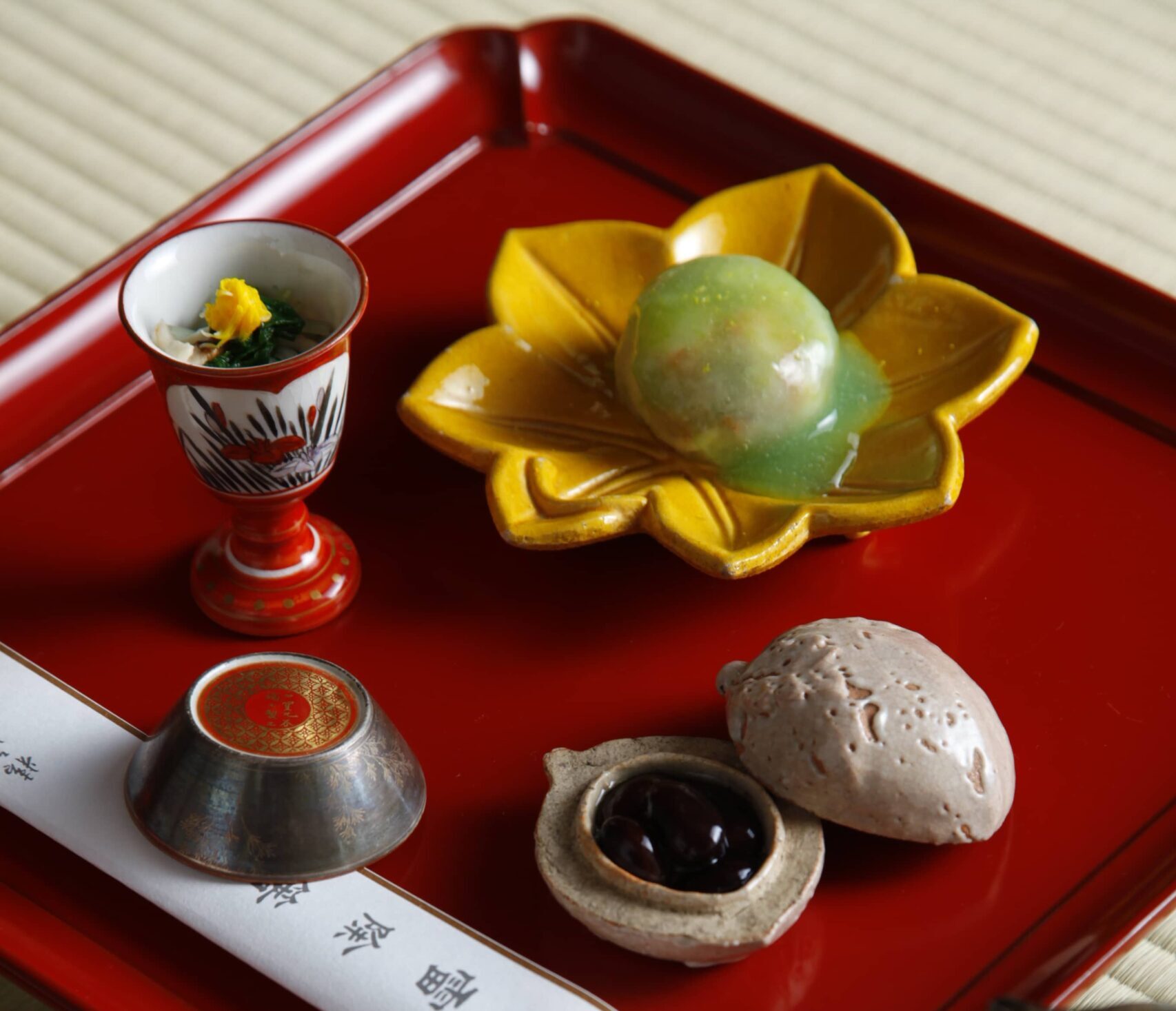
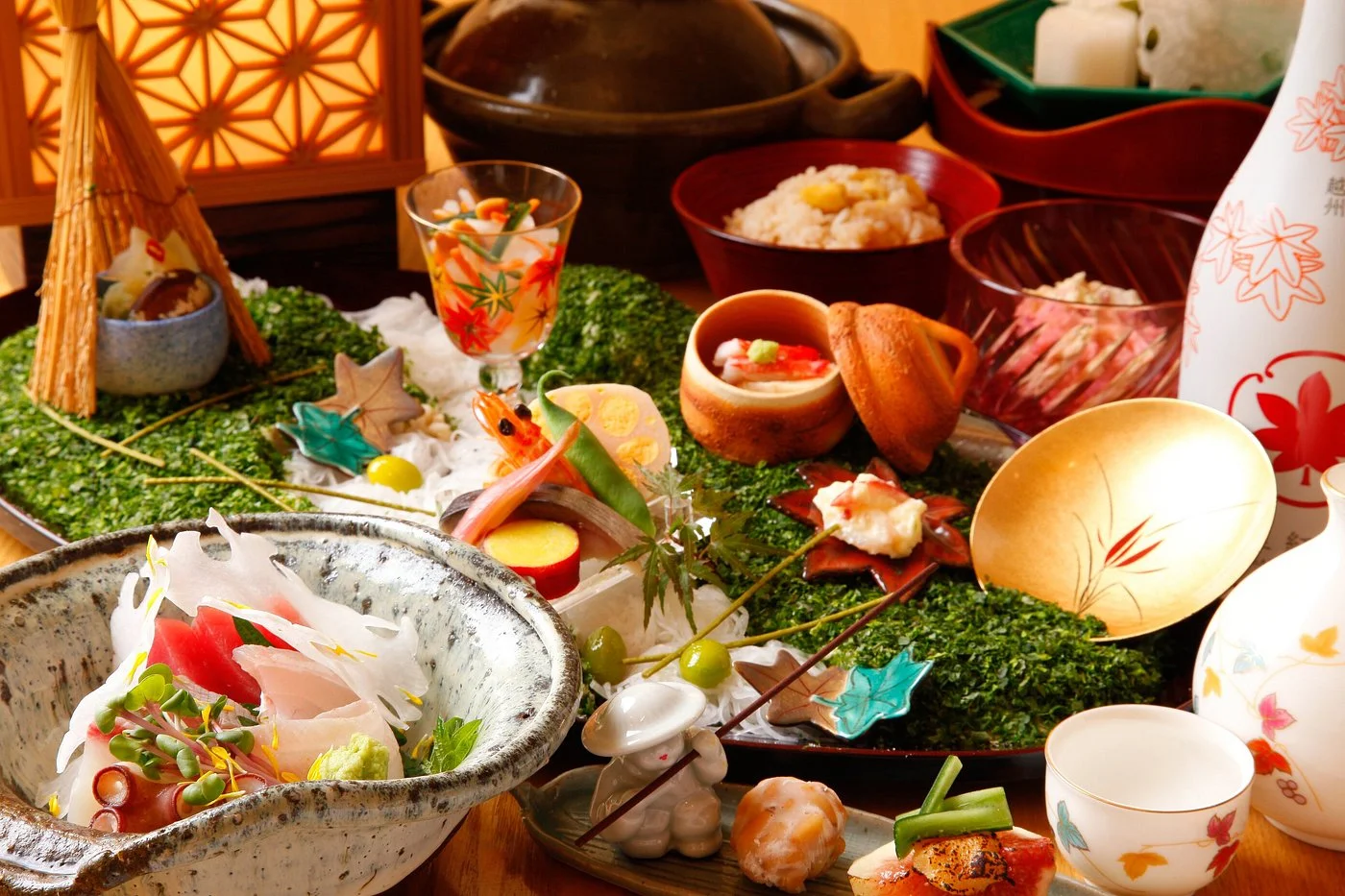
Book a table at locally-loved restaurants to enjoy exquisite kaiseki (course-style) Japanese dinners.
 ×
×