Omamori charms are massively popular across Japan, and they’re available at many shrines and temples. But why do people carry an omamori with them, and what types are available?
In this guide to Japanese omamori amulets, you’ll learn everything you need to know about them!
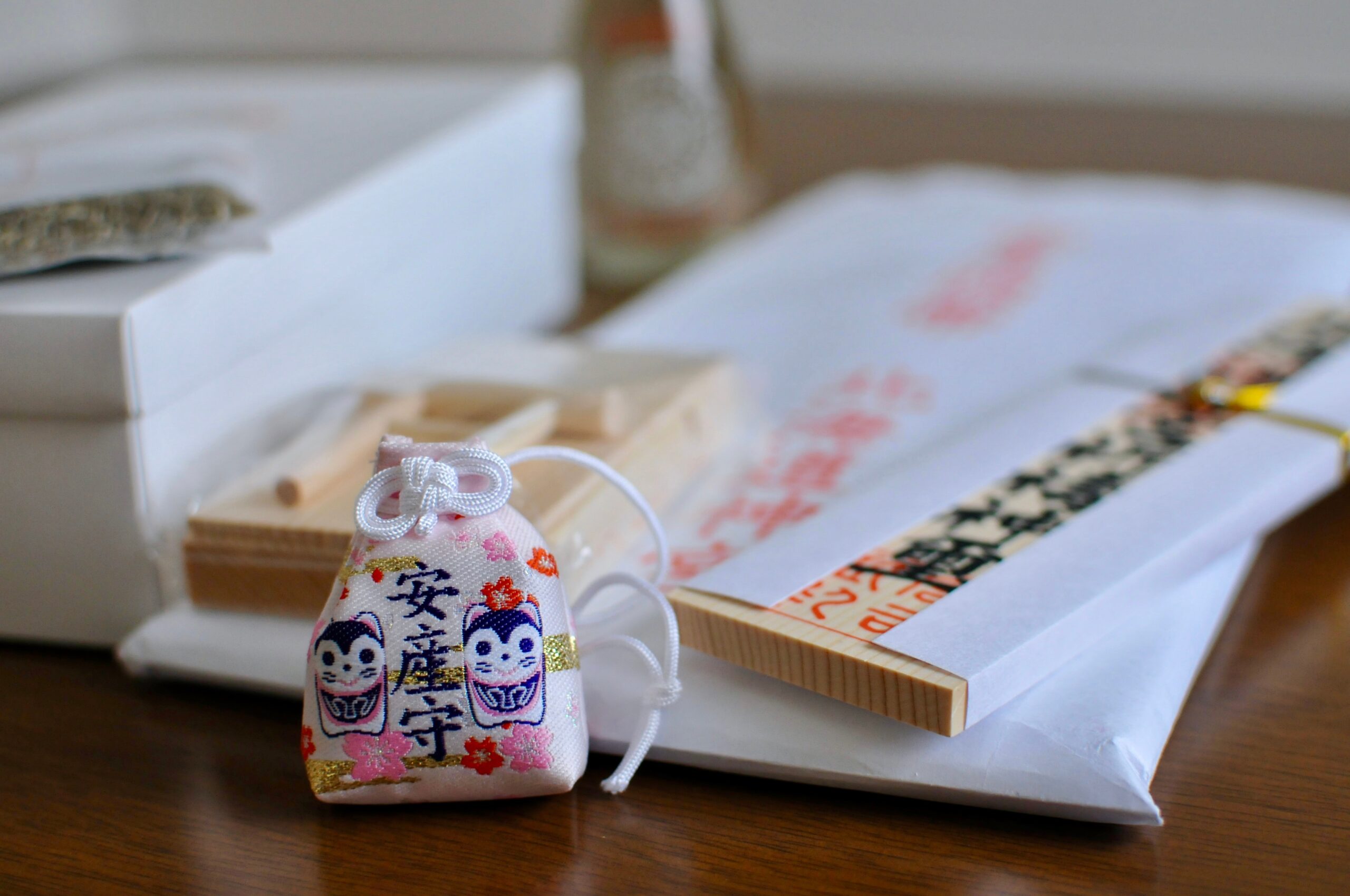
A Japanese omamori charm is an amulet or talisman sold at Shinto shrines and Buddhist temples in Japan. They traditionally contain prayers written on paper, and they feature straps to attach to bags or other items. The name derives from the Japanese word for protection (‘mamoru’), as omamori are believed to protect the holder or bring them luck.
But not all local Japanese residents and tourists buy omamori for these reasons. Some purchase an omamori charm to commemorate their visit to a shrine or temple instead — they can be beautiful mementos of a special experience.
A modern Japanese omamori charm is usually fashioned from wood or paper and held within an elegant silk bag. But crafters might use other materials to make an omamori good luck charm and experiment with various forms.
You may see temples and shrines selling unique omamori to entice visitors, offering a keepsake that’s unavailable elsewhere.
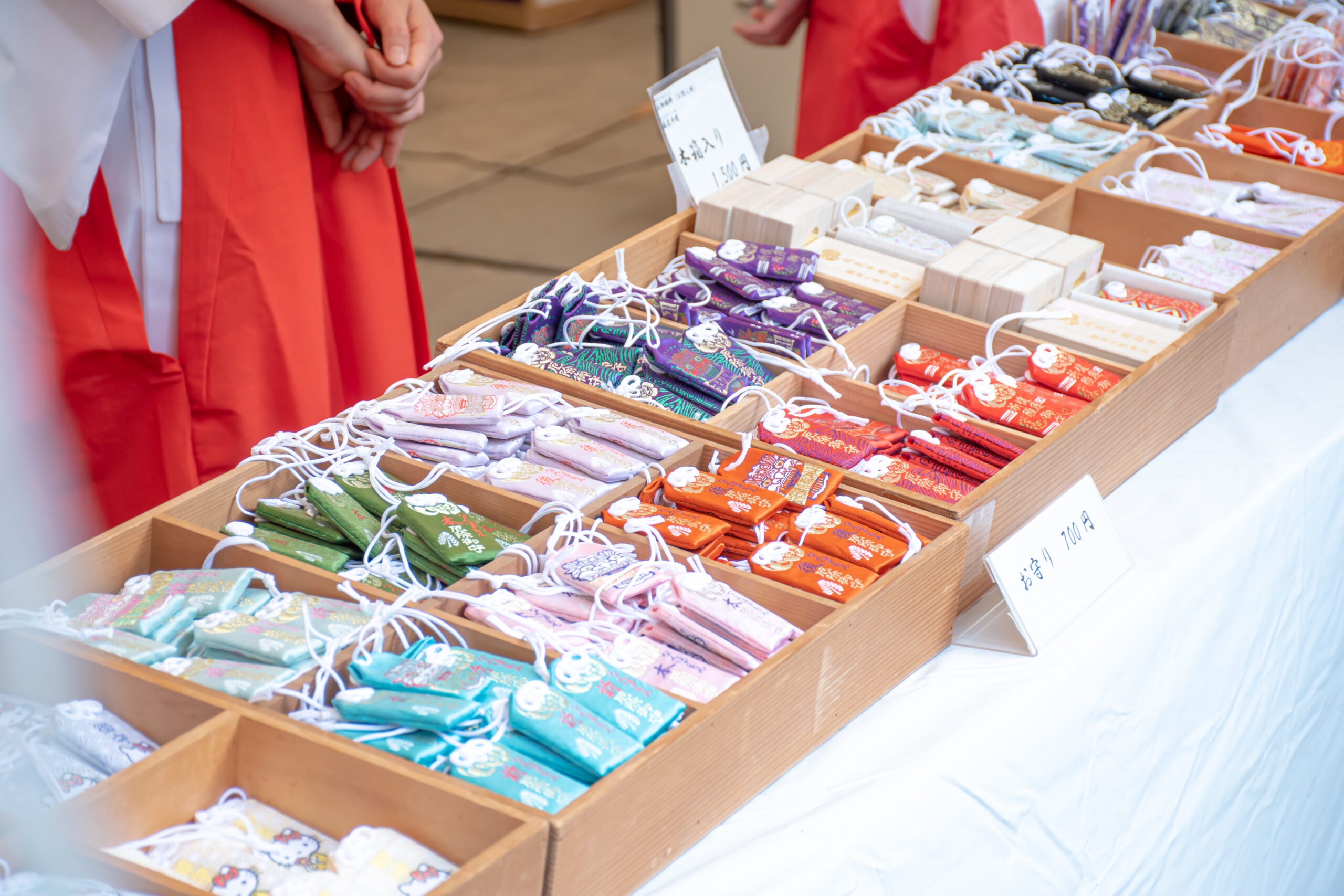
Japanese shrines and temples usually sell omamori charms in the gift shop or reception area. You may also see omamori sold alongside goshuin stamps and goshuin books.
While they’re important elements of a shrine or temple, not every omamori good luck charm is spiritual in nature. Some designers focus on the aesthetic and textural appeal to excite buyers. You’ll see many omamori featuring popular characters at souvenir shops and department stores across Japan.
An omamori amulet or charm can offer general protection or luck, but many also have a specific purpose. Certain shrines or temples are associated with particular purposes, such as finding luck in love or achieving wealth. If you have another goal, you may still find a Japanese omamori to suit you.
Popular omamori types include:
・Kotsu anzen (交通安全) for traffic safety
・En musubi (縁結び) for love and marriage
・Gakugyo joju (学業成就) for education and exams
・Anzan (安産) for healthy pregnancy and delivery
・Kin un (金運) for luck in wealth/money
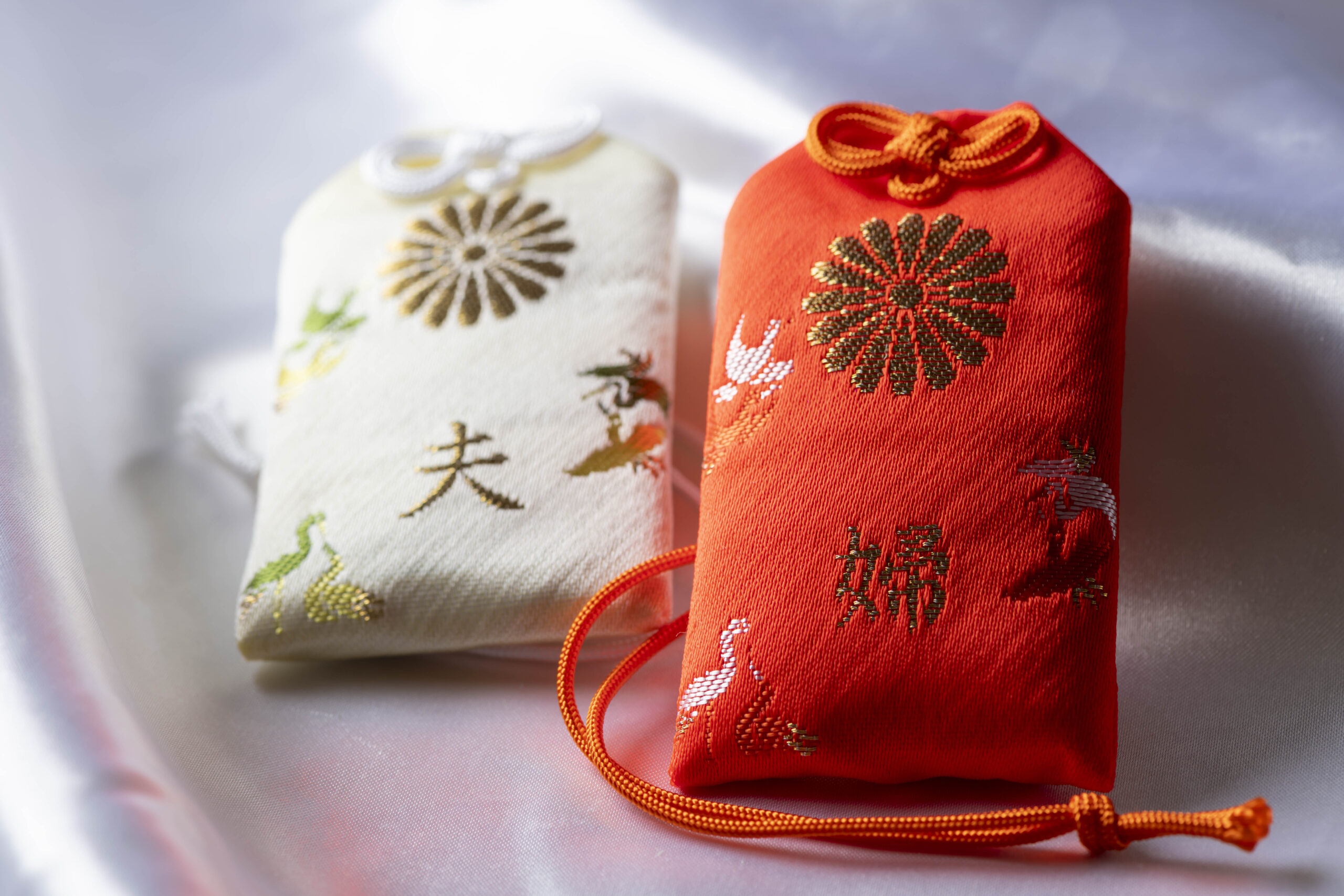
While you would usually buy a Japanese omamori charm at a temple or shrine for yourself, you can gift an omamori instead. Even local Japanese customers give omamori to wish friends or loved ones success.
If you want to give an omamori to someone special in your life as a souvenir, follow these steps:
・Choose an omamori with care: Only choose an omamori gift that suits the person you intend to give it to, based on their personality and goals.
・Consider the person’s religious and cultural views: Some people may not appreciate a gifted omamori for religious or cultural reasons. Omamori are Buddhist and Shinto in nature, so make sure you won’t cause offense.
・Offer advice on proper use: Omamori are traditionally kept in particular places based on their purpose. For example, an omamori good luck charm should remain close to the person at all times to protect them.
Whether you keep a Japanese omamori charm for yourself or gift it, it should be used respectfully and traditionally. Here are three rules to keep in mind:
・Never open your omamori: This is the golden rule for an authentic Japanese omamori. Opening it is believed to let the blessing inside it escape.
・Care for your omamori: Keep your omamori good luck charm clean and in a visible spot (if stored at home). If you carry your omamori amulet around outside, protect it from dirt and grime. You must always treat your omamori with respect.
・Keep your omamori for its lifespan: An omamori’s typical lifespan is believed to be one year. When the time comes to dispose of it, take care to do it right.
These rules show just how important an omamori is to Japanese culture. While they’re beautifully designed and sweet reminders of a trip, they’re spiritually important to many people. If in doubt when buying your omamori, ask the seller for advice on proper use and care.
People typically dispose of their omamori and buy a new one at the start of the new year. When an omamori charm reaches the end of its lifespan, you can dispose of it in multiple ways.
Around New Year, Japanese shrines and temples often invite visitors to place used omamori in special disposal boxes. To follow tradition, try to return it to its shrine or temple of origin in person.
You may not be able to return your omamori amulet to the original shrine or temple yourself. Fortunately, some shrines and temples accept omamori for disposal by mail. However, confirm with the staff that you can mail your omamori before you send it.
You might prefer to hold a small home memorial service to dispose of your omamori. Follow these steps for a respectful ceremony:
・Place the omamori on a clean cotton cloth or paper.
・Sprinkle the omamori with salt.
・Silently express gratitude to the omamori for protecting you or helping you in another specific way.
・Wrap the omamori in cloth or paper securely.
・Bury the package in the ground, burn it safely, or place it in a bin.
By observing the traditional memorial rules, you can dispose of your omamori charm with care.