Hello from Takayama! This is Jin from the guest services team at MACHIYA INNS & HOTELS. In this blog, I wanted to introduce you to Takayama Matsuri (高山祭), one of the most famous festivals in Japan. We’ll explain everything you need to know about Takayama Matsuri’s spring and autumn events to help you decide which to add to your Japan trip itinerary!
Held twice a year in Takayama, Gifu, Japan, this seasonal celebration honors the harvest and traditional Japanese culture. Festival goers can enjoy food stalls, parades with intricate floats, traditional puppet shows, and even a lantern festival.
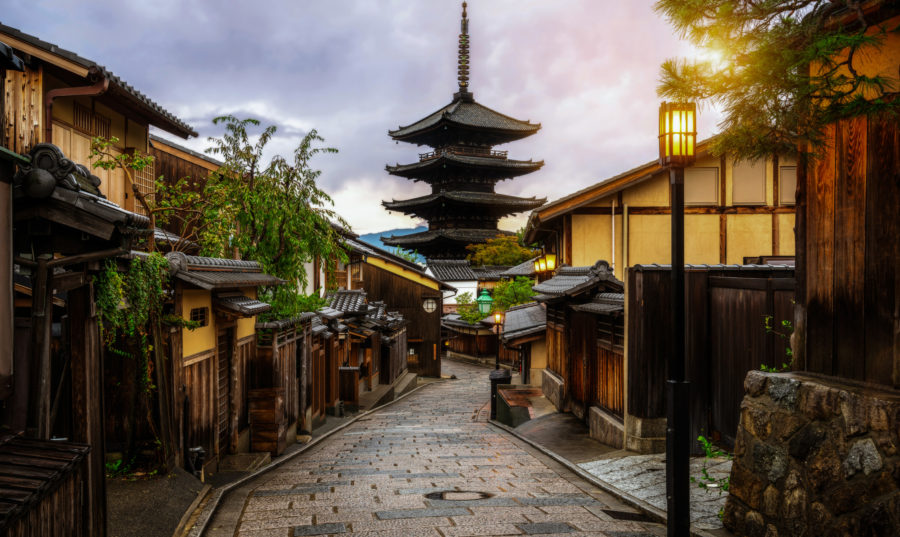
Takayama’s picturesque historical streets and surrounding Takayama Alps provide the ideal backdrop for these events, which have played an important role in the city’s cultural and historical development. The festival’s popularity is impressive. Incredibly, over 168,000 people attended the first Takayama Spring Festival after the pandemic in 2023!
You can enjoy the Takayama Matsuri twice a year, once in spring and once in autumn. The main difference between the two events is their purpose and location.
You’ll notice that seasonality plays a key role in the character of each festival! Dating back to the late 16th century, Takayama Matsuri maintains many historical traditions and their cultural significance to this day.
Culture Tip: “Matsuri” (祭り) means “festival” in Japanese, so you’ll often see the words used interchangeably.
Both the Spring and Autumn Takayama Matsuri Festivals are held on the same dates every year.
| Takayama Spring Festival | April 14th and April 15th (Every Year) |
| Takayama Autumn Festival | October 9th and October 10th (Every Year) |
Takayama Station is the closest train station to both Hie Shrine and Sakurayama Hachimangu Shrine, accessible via the Hida Limited Express. The train is nicknamed “Wide View Hida Limited Express” thanks to its large windows that let passengers enjoy the beautiful countryside along the way.
Tips for Avoiding Crowds:
You don’t need to go directly to Hie Shrine to enjoy the festivities! Our recommended route starts from Takayama Station to Jinya-mae Intersection, about a 10-minute walk. Arriving early in the morning or enjoying the evening festivities is best for avoiding crowds.
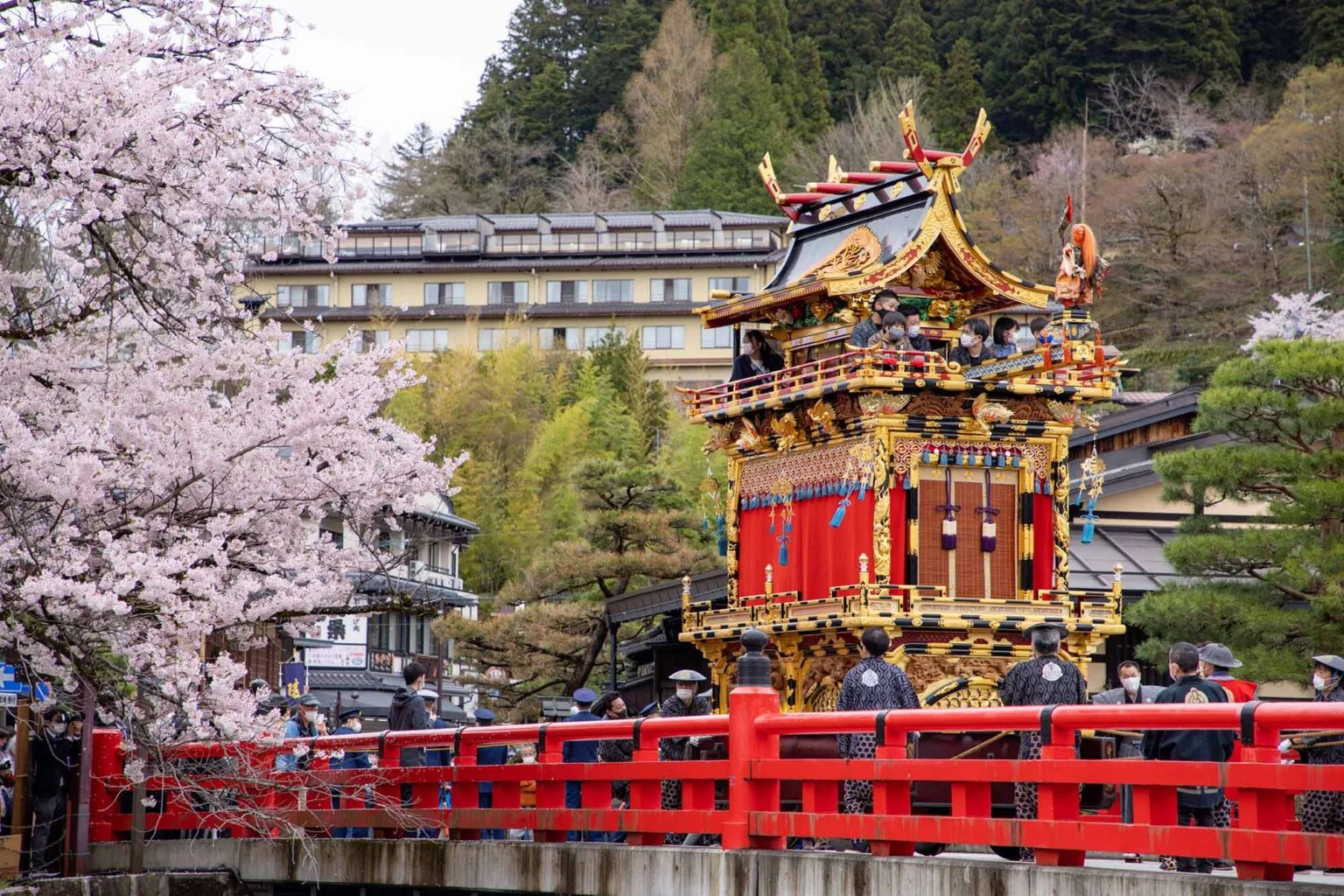
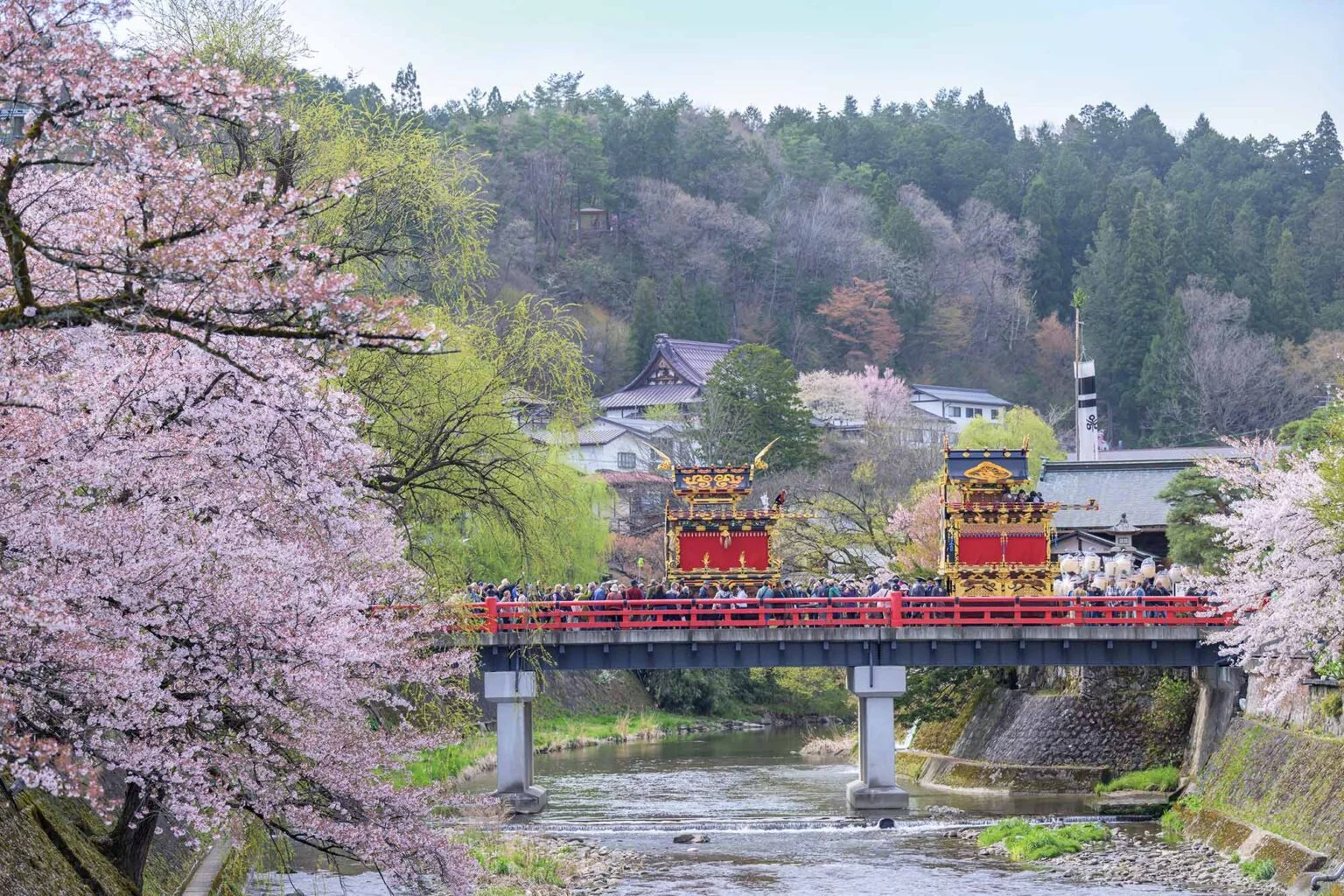
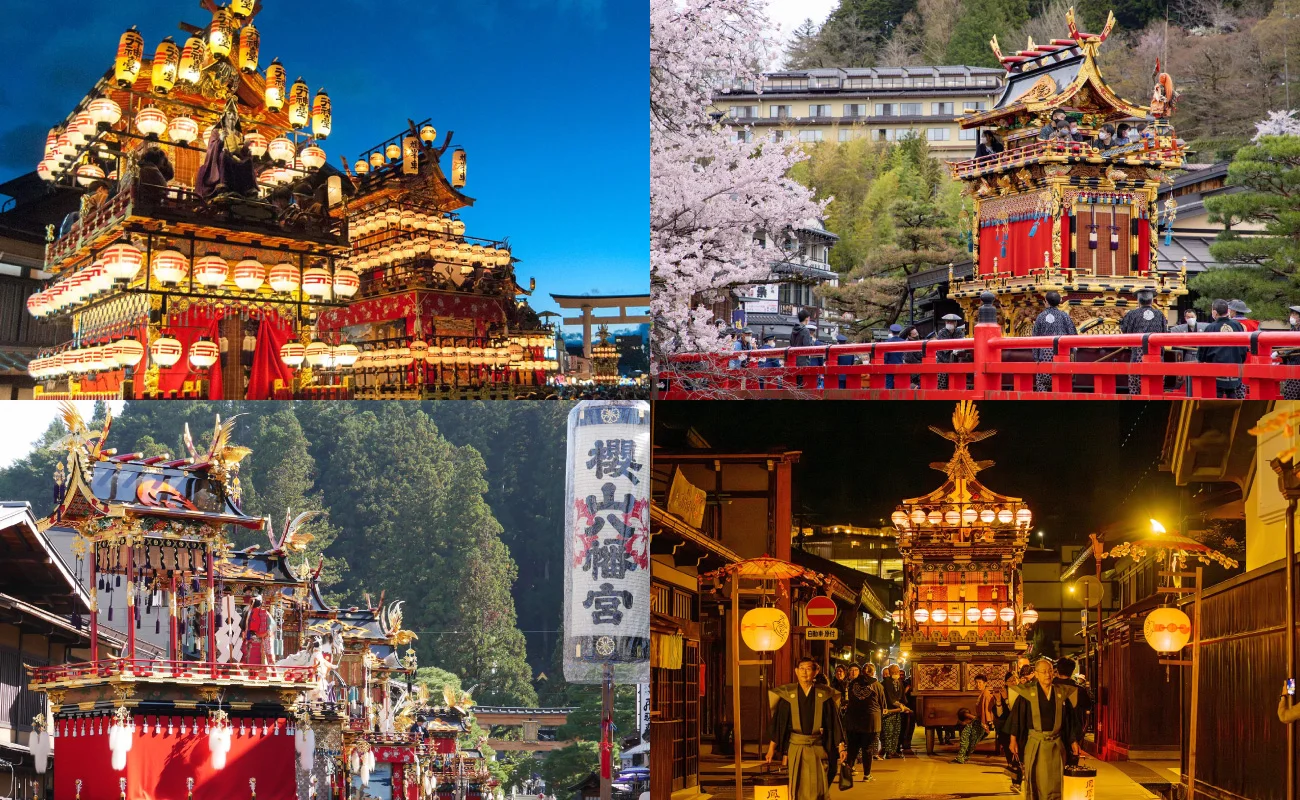
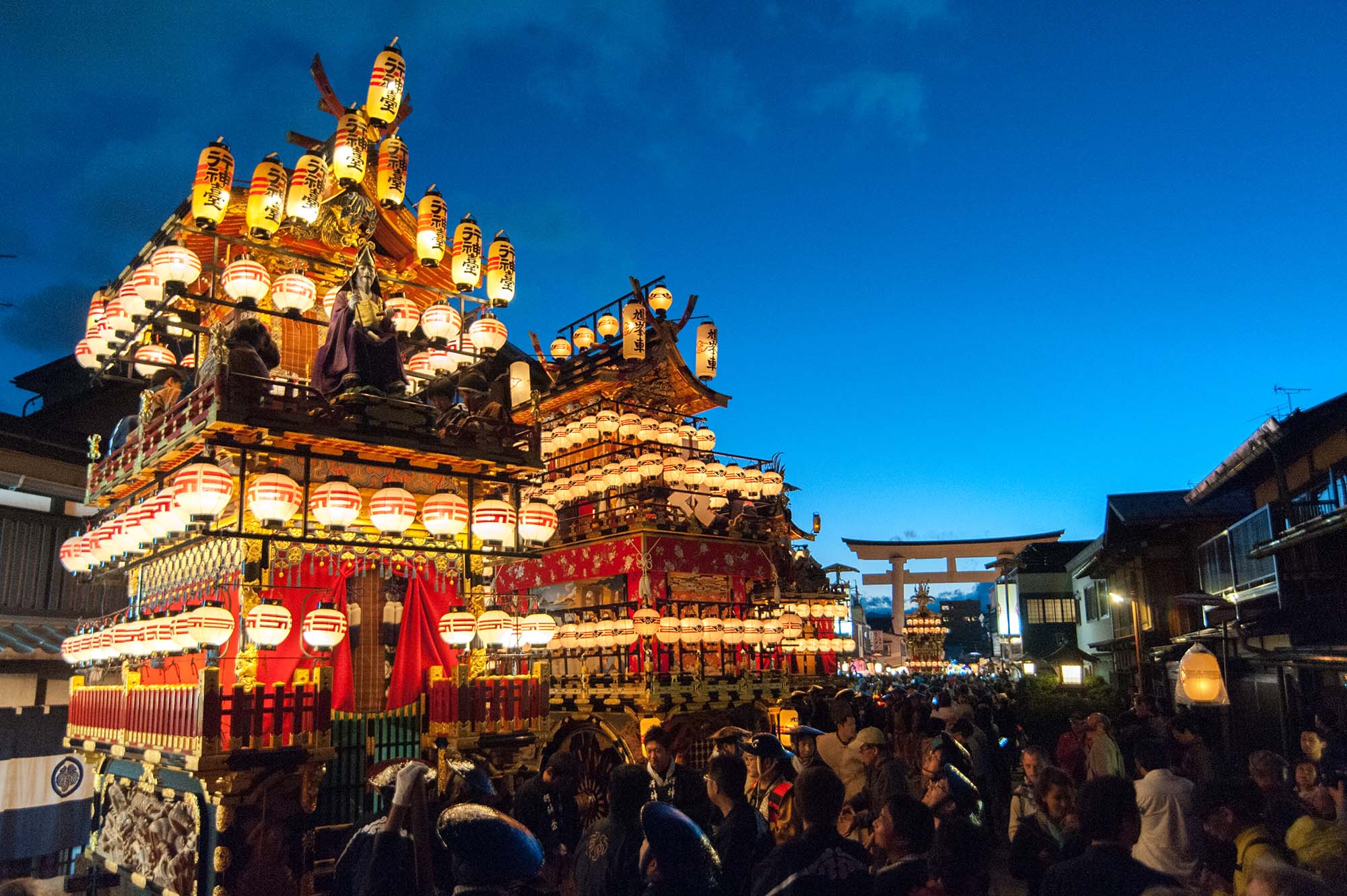
The beautiful floats, called “yatai,” are the highlight of the Takayama Matsuri. These yatai showcase the skills of local artists and craftspeople, paying homage to various traditions and techniques. They’re made from wood and decorated with intricate wood carvings, metalwork, lacquer painting, and embroidered or dyed fabric, each telling a story or expressing a theme.
During the Spring Festival, twelve yatai are displayed and carried through the streets. Some of the yatai date back as far as the 1600s! Locals carefully preserve them in excellent condition so that the rich history and traditions of the Takayama Festivals can be handed down to future generations.
The Japanese government has designated the yatai used in the Takayama Festival as “Tangible Folk-Cultural Properties.” They’re also on the UNESCO Representative List of the Intangible Cultural Heritage of Humanity. This recognizes the traditional crafts like embroidery, woodworking, and metalworking that require community dedication to preserve.
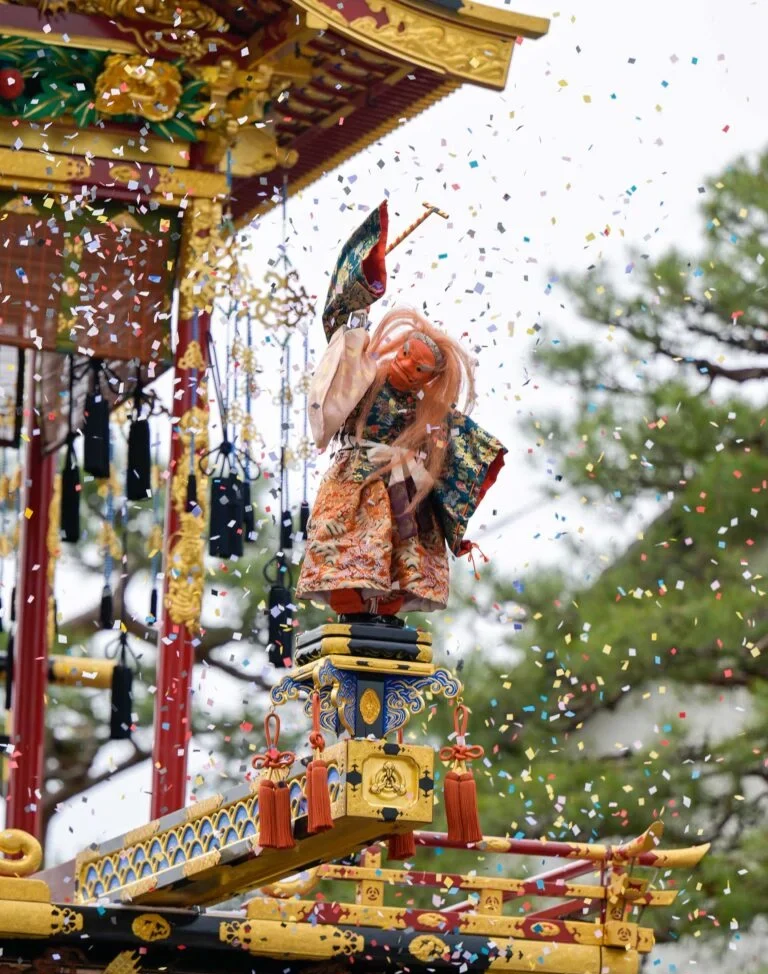
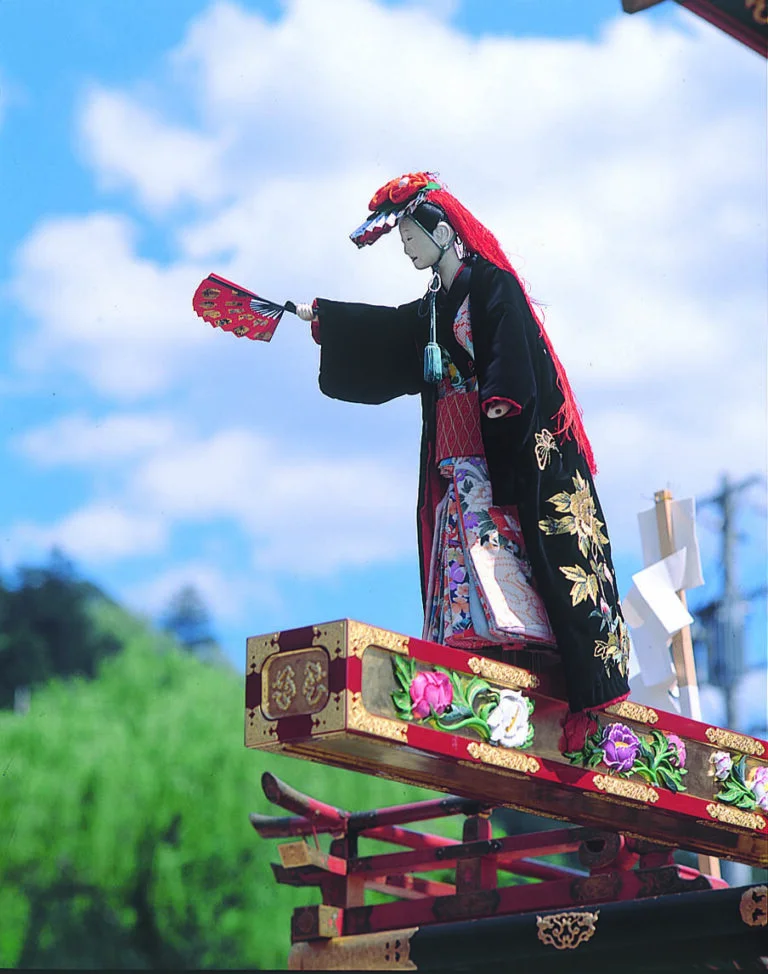
Karakuri are intricately crafted mechanical puppets that date back to the 17th century. They sit atop the yatai floats and perform simple movements like waving during the processions.
Dedicated Karakuri puppet performances are usually held from 10:00–10:50 AM and 14:00–14:50 PM. The Jinya-mae Intersection is one of the best spots to enjoy this performance, though it does get quite packed with people!
On April 14th, from 18:00–21:00, the Night Festival takes place, featuring illuminated floats and cherry blossoms under lantern light. This is one of the highlights of the festival, and can highly recommend you make time to see this!
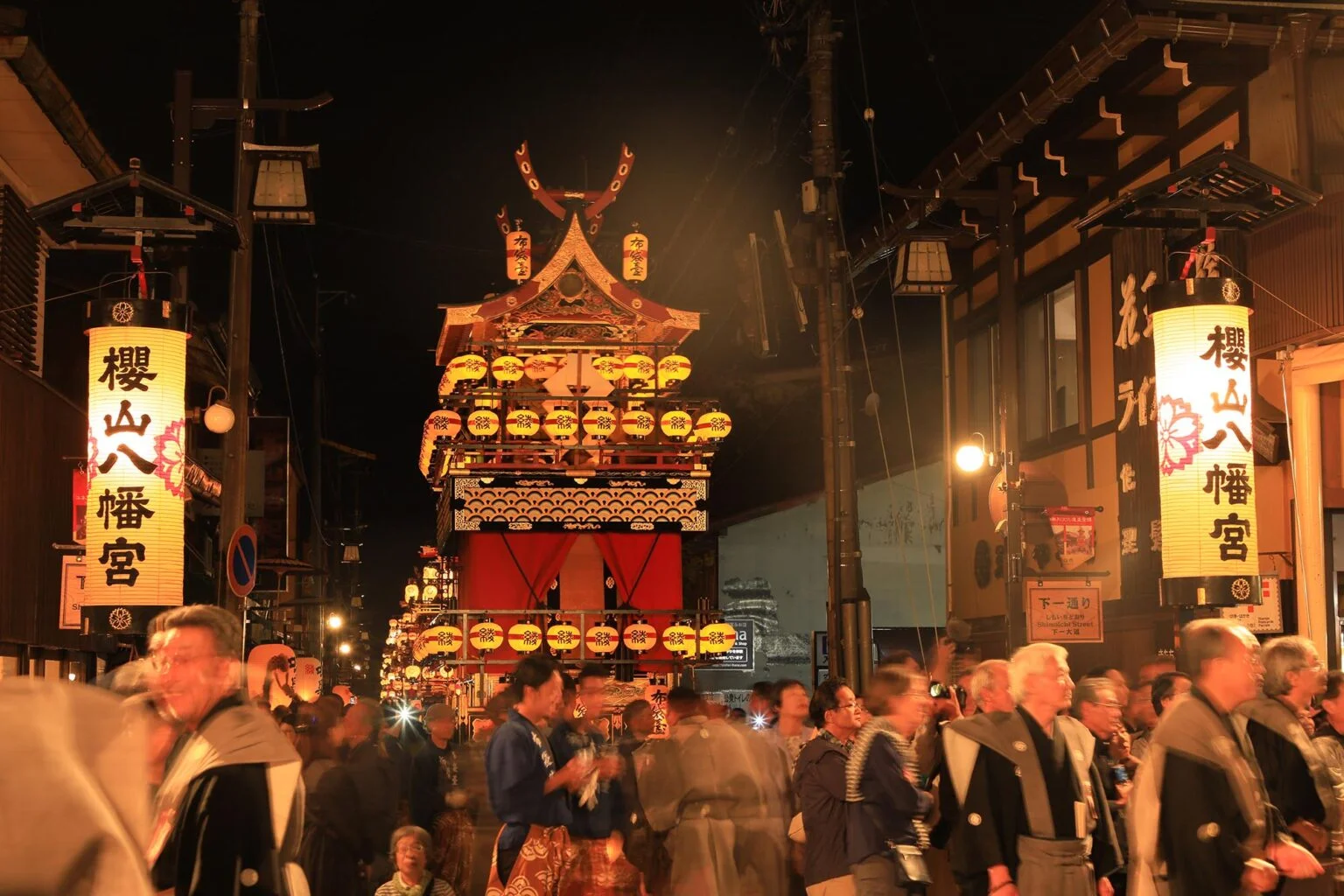
If you have time, take a stroll to Hie Shrine, the central location of the festival, to immerse yourself further in the festive atmosphere.
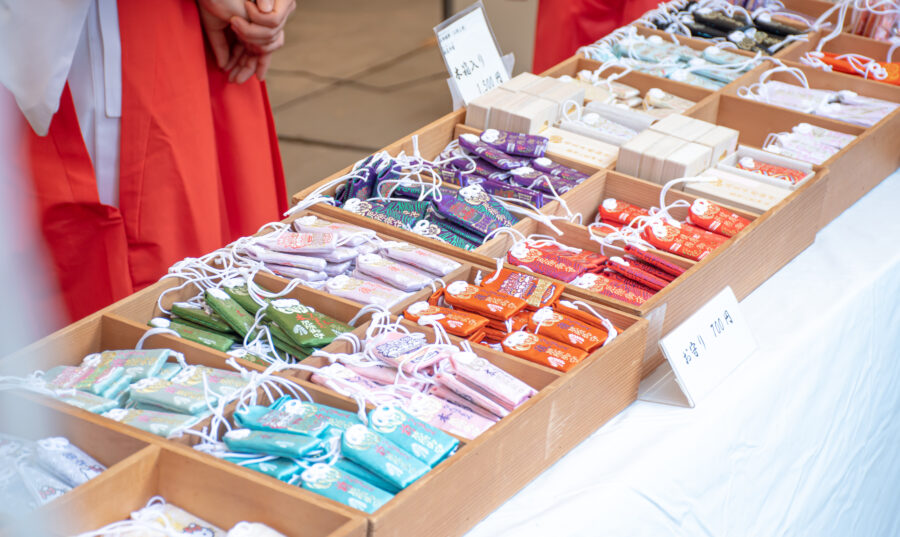
Travel Tip: International visitors are welcome to pray at shrines! In Japan, people visit shrines for all kinds of wishes—from success in exams and career to finding love and good health. Most shrines have signs (often in English) showing the proper steps for praying.
When visiting and praying at a shrine, the important parts are: symbolic cleansing (using the little fountain at the entrance to lightly rinse your hands), an offering to toss into the collection box before you pray (five yen is traditional, as it’s good luck), and bowing (after you have finished making your offering and saying your prayer).
You can read more about prayer rituals here. If you’re unsure, simply observe what others are doing and locals are usually happy to see visitors respectfully participating in their traditions!


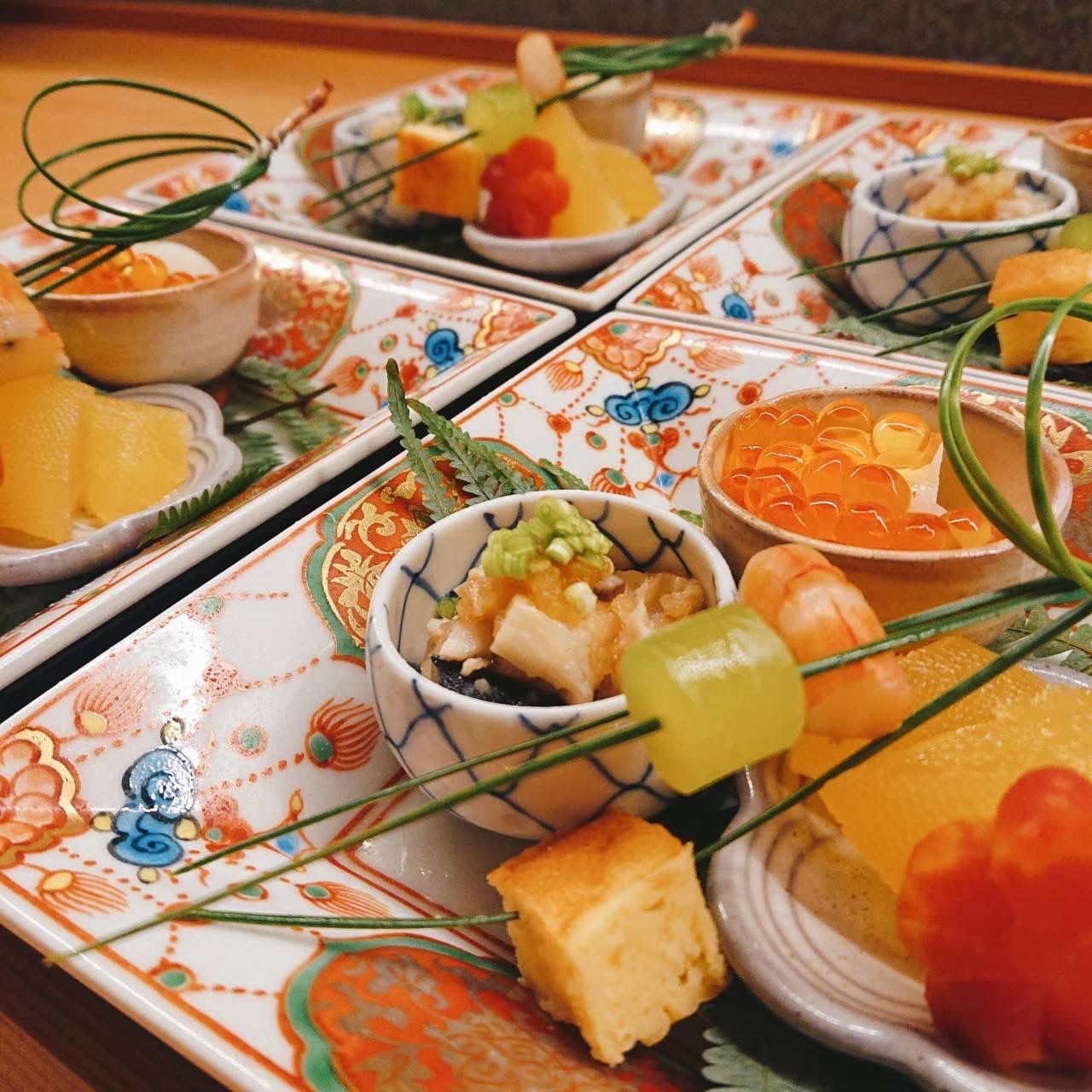
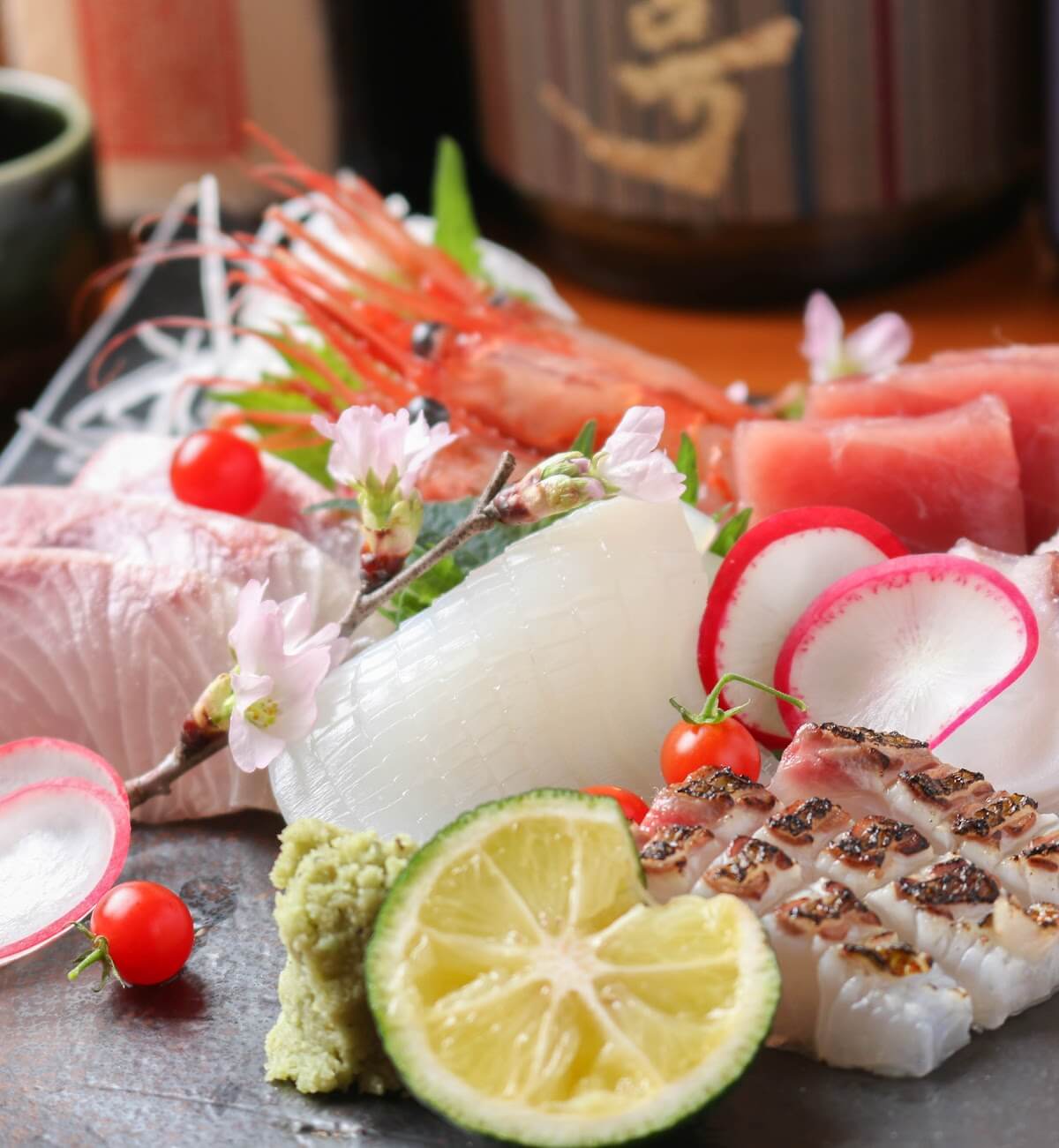
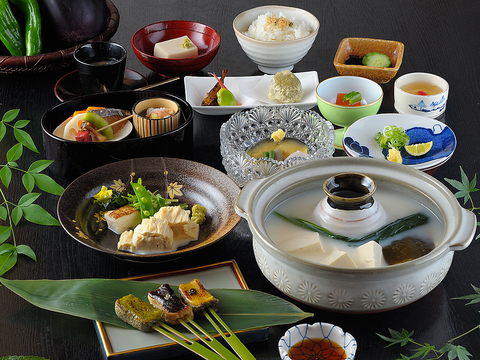
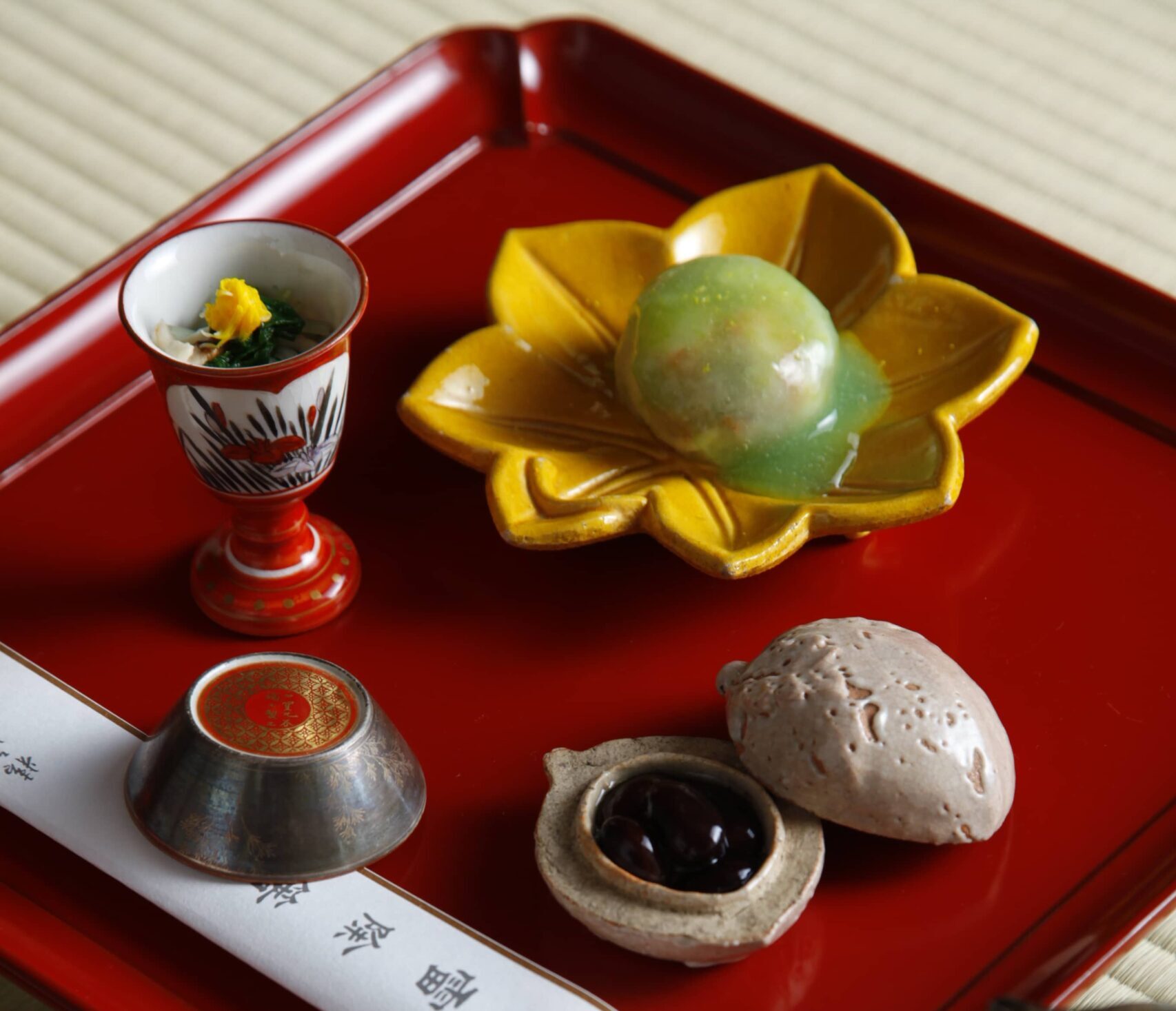
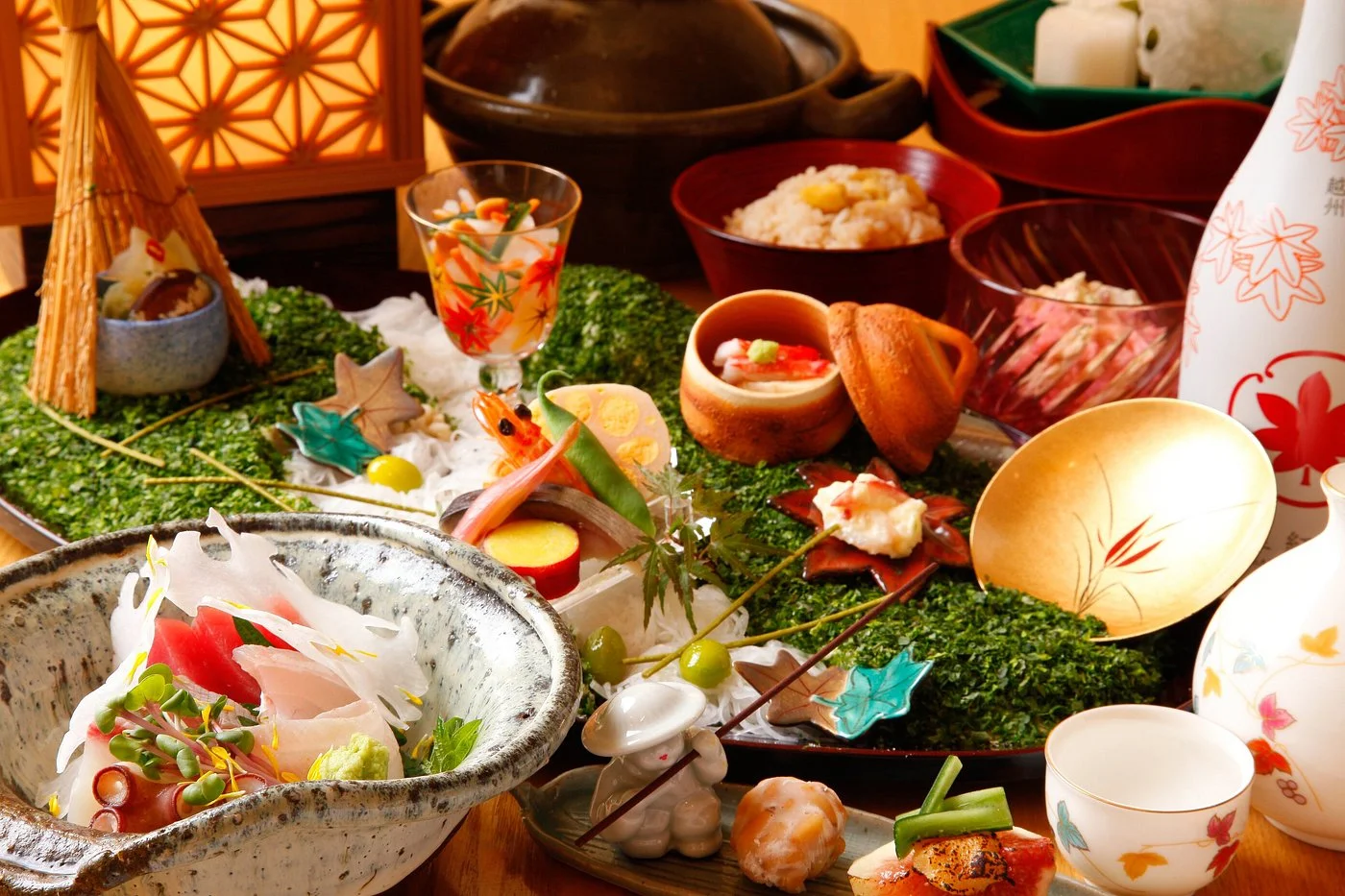
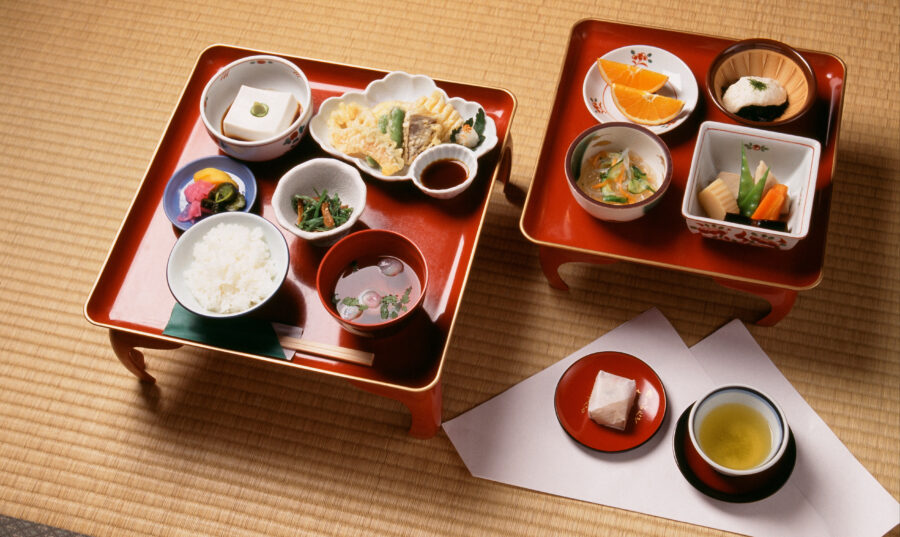
Book a table at locally-loved restaurants to enjoy exquisite kaiseki (course-style) Japanese dinners.
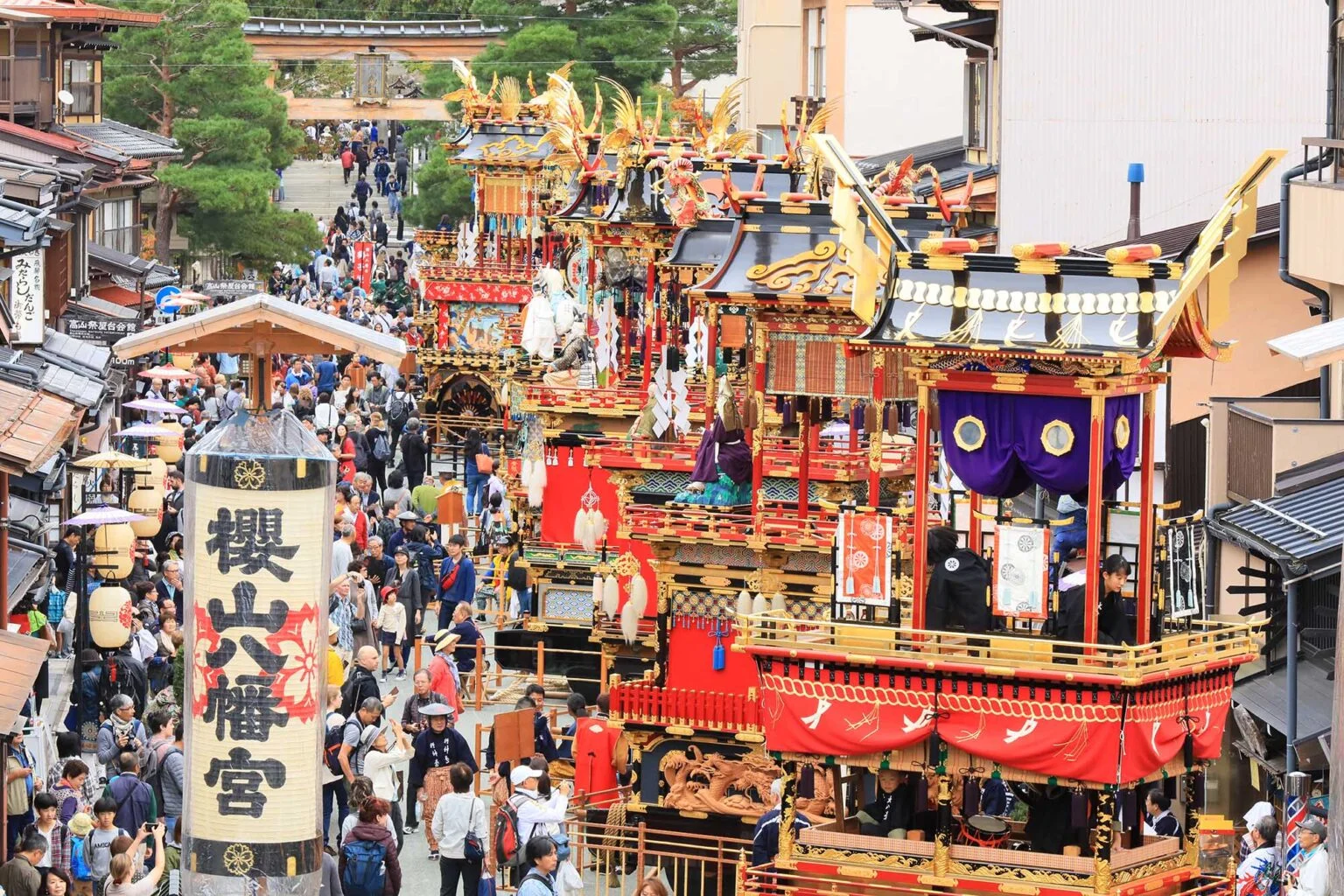
Arrive early (by 8:30 AM) to avoid crowds and secure a good viewing spot for the Yatai (Festival Floats) Parade, which begins at 9:00 AM.
The beautiful yatai floats are the centerpiece of the Autumn Festival. During this festival, eleven yatai are displayed and paraded through the streets near Sakurayama Hachimangu Shrine. Like their spring counterparts, these floats showcase intricate wood carvings, metalwork, lacquer painting, and embroidered fabrics—many dating back to the 1600s.
The floats are parked and displayed near the shrine between events, giving you the opportunity to view them up close.
Optional: Visit the Takayama Yatai Kaikan (Float Exhibition Hall) next to the shrine if you want to learn more about the history and construction of the floats.
If you’ve planned your visit to Japan to coincide with the Autumn Festival, don’t miss the enchanting Evening Festival (Yoi Matsuri) on the final night! Watch as lantern-lit floats create a magical atmosphere while making their way around town, accompanied by the traditional Hiki-Baretsuki song “Takaku Yama” (High Mountain).
The evening festival is on October 9th, from 6:15 PM to around 8:30 PM.
Best Viewing Spots: Along the roads connecting the shrine and the old town.
Travel Tip: Dress warmly, as Takayama evenings in October can get chilly!
Explore quieter areas such as the paths behind Hie Shrine or alternative routes like Honmachi Street and Hachikenmachi Street, where you can enjoy the festival with fewer crowds.
During the festival, local traditions and rituals are carried out, including the “mikoshi” (portable shrine) procession and shrine visits for prayer.
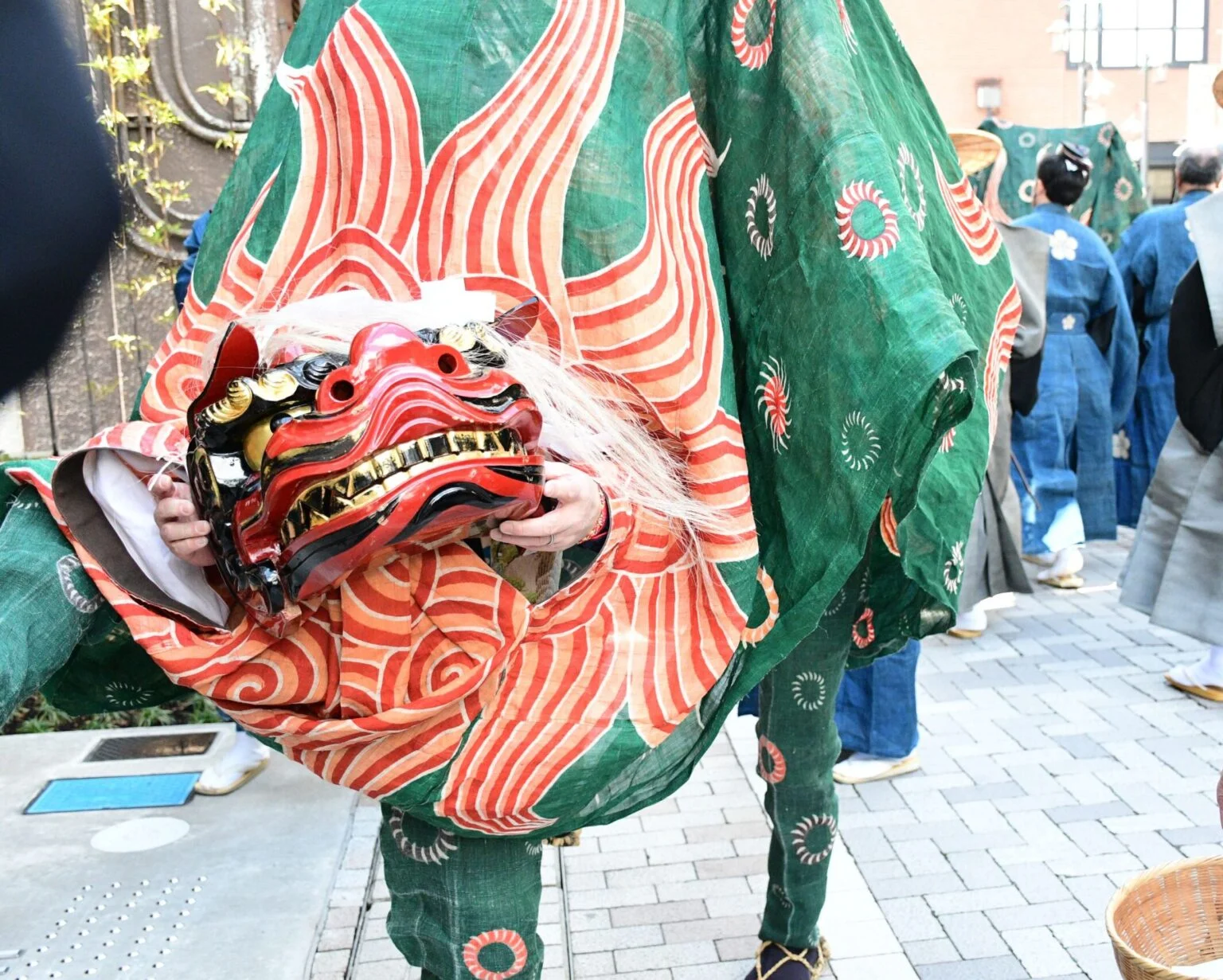
You’ll also see performances featuring traditional music, dance, and theater. Look out for the famous “lion dance” that drives away evil spirits and purifies the festival grounds, as well as local children in colorful costumes beating handheld gongs as they march with the procession.
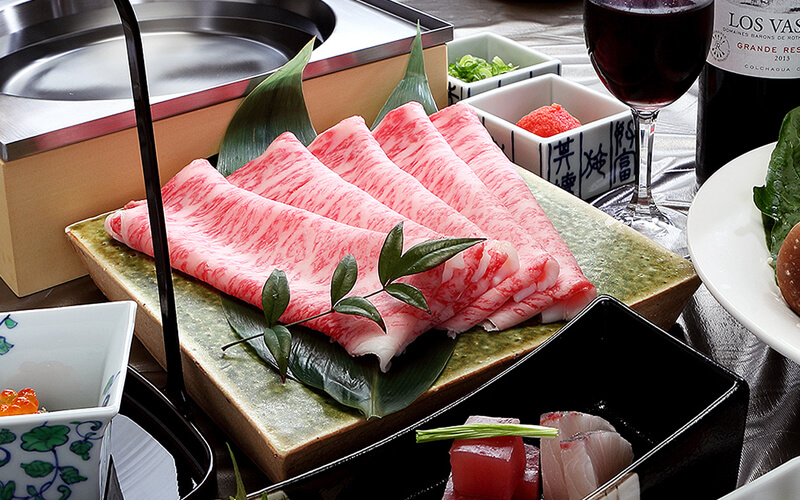
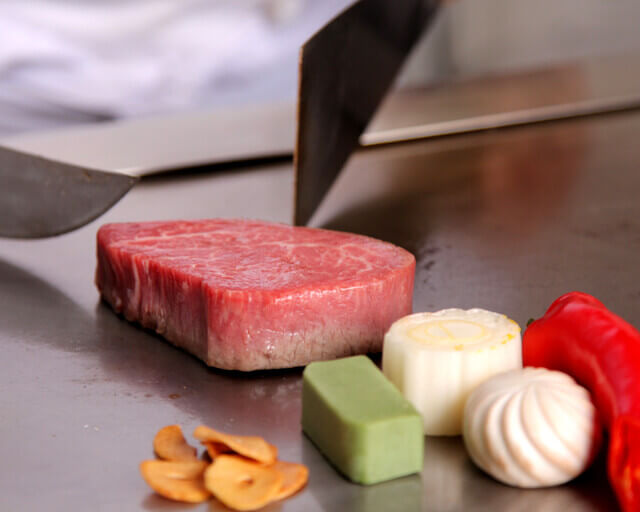
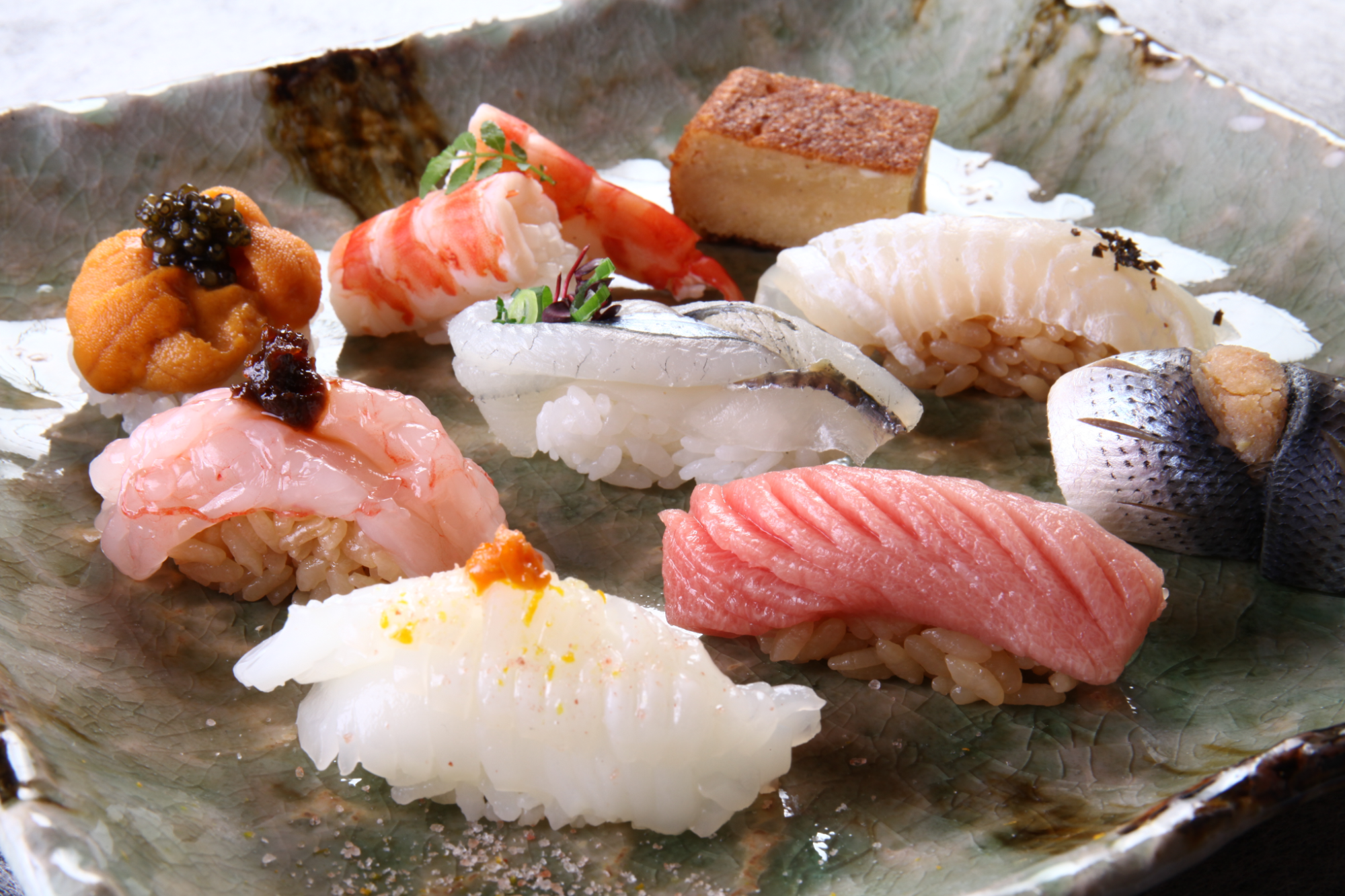
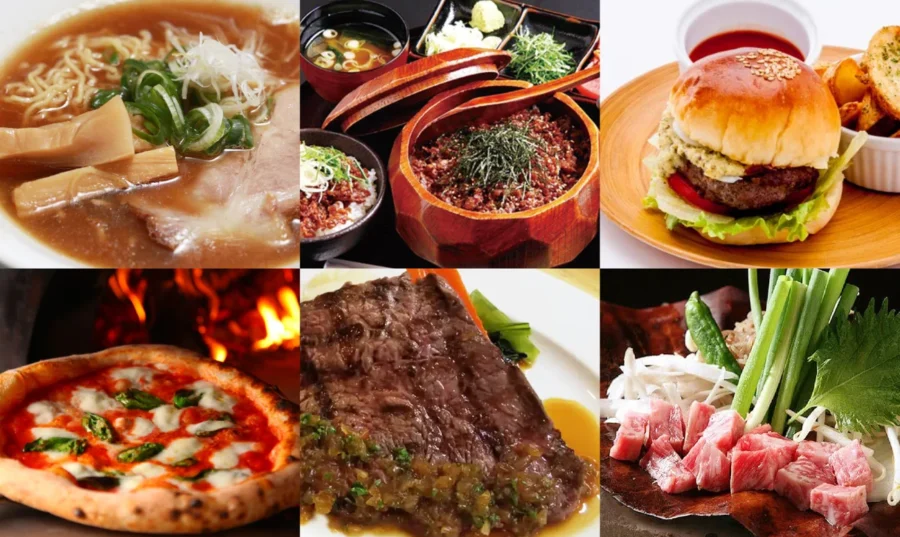
Getting a taste of Takayama street food is at the top of our list of things to do at Takayama Festival. Takayama is famous for its Hida beef, which you can try as “Hida beef sushi” or yakiniku (Japanese BBQ). You can also enjoy popular Japanese festival foods like takoyaki (fried octopus dumplings) and soft serve ice cream, as well as Takayama-style mitarashi dango & gohei mochi.
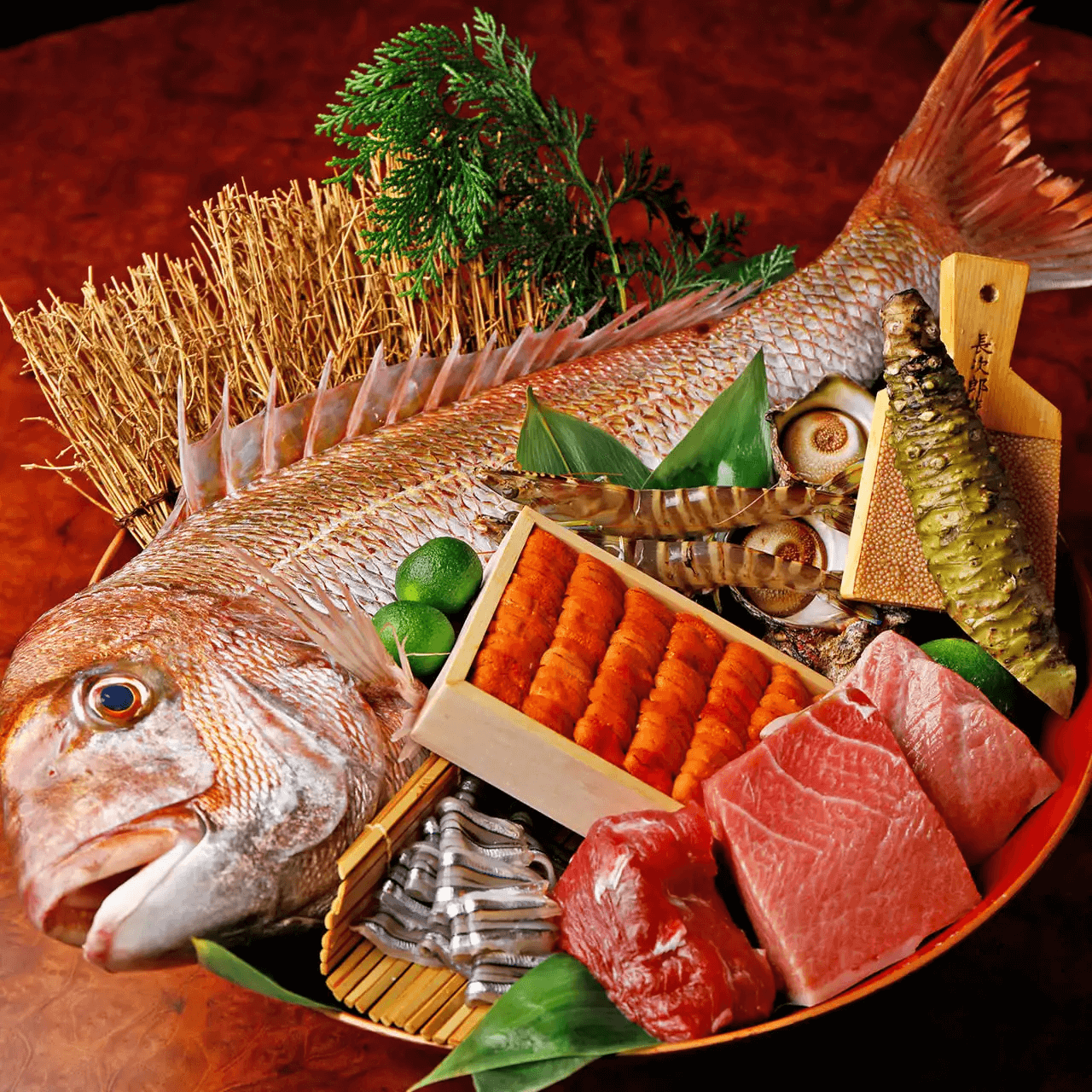
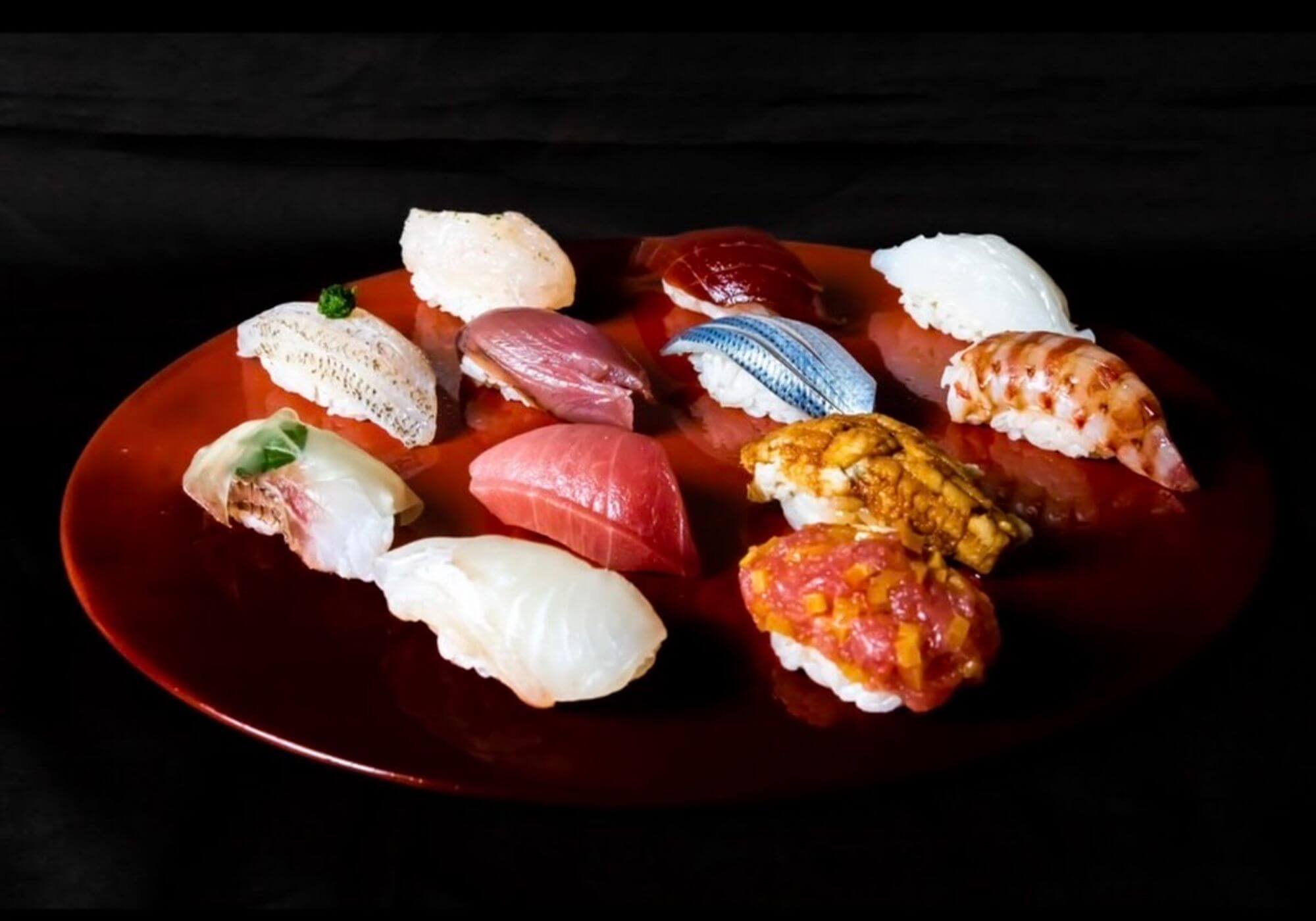
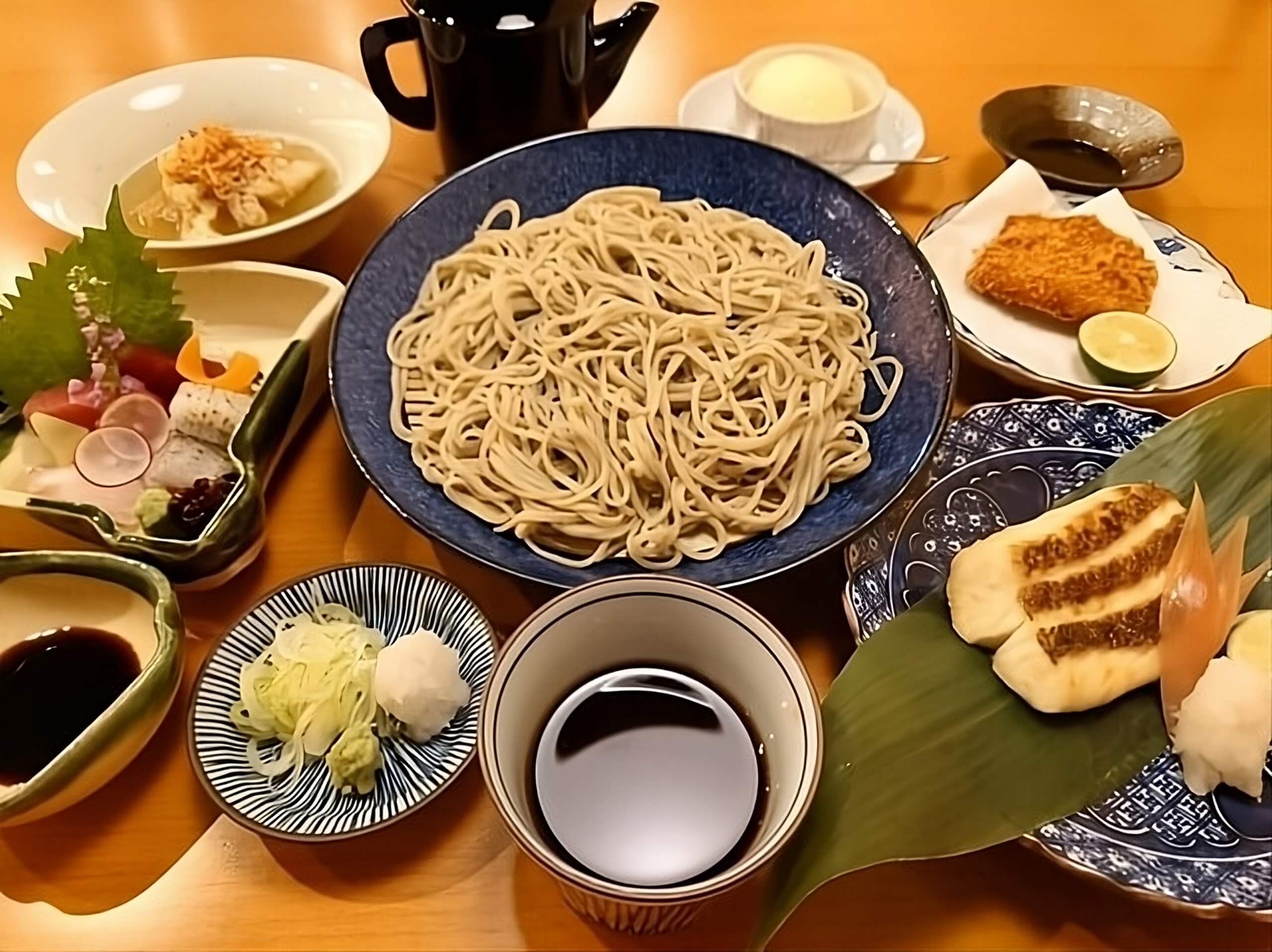
If you’re in Takayama and want to experience a special dinner, make sure to add kaiseki dining to your list. Takayama is famous not only for wagyu beef, but also for Takayama vegetables, Takayama sake, and regional dishes.
Book a kaiseki dinner via MACHIYA LOCALS to experience a locally-recommended kaiseki dinner in Takayama.