

February is a transitional month in Kyoto, still winter during the earlier days, but as the month progresses, the first hints of spring begin to show. The city is quiet, plum blossoms (ume) start to open, and the bean-throwing festival of Setsubun, brings a burst of energy to temples and shrines across town. If you’re thinking of visiting Japan this February, read on to find out what to look forward to as well as a few dates to plan around.
Although the weather is milder than January, February is still a cold month in Kyoto. It does tend to get warmer during the daytime, but temperatures can dip close to or below freezing during the night. We recommend packing and wearing layers, so you can adjust accordingly.
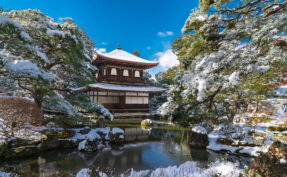
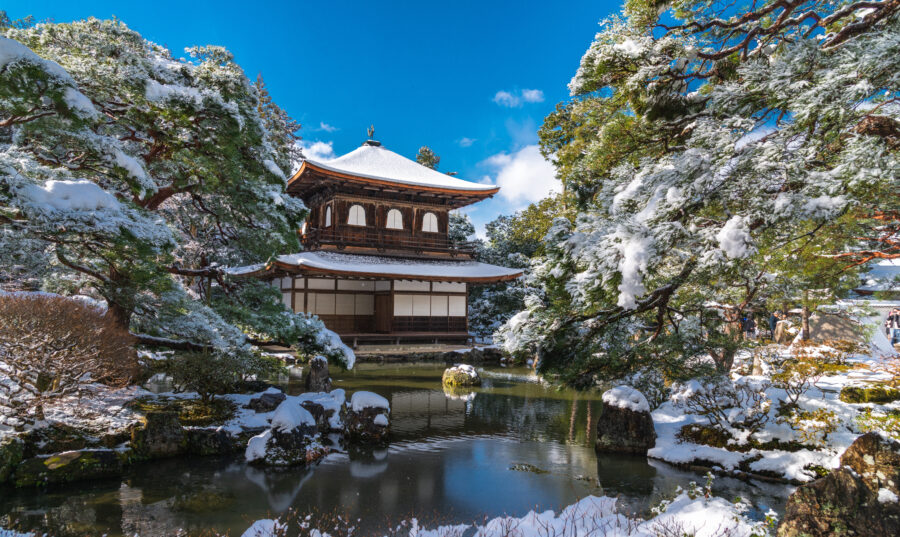
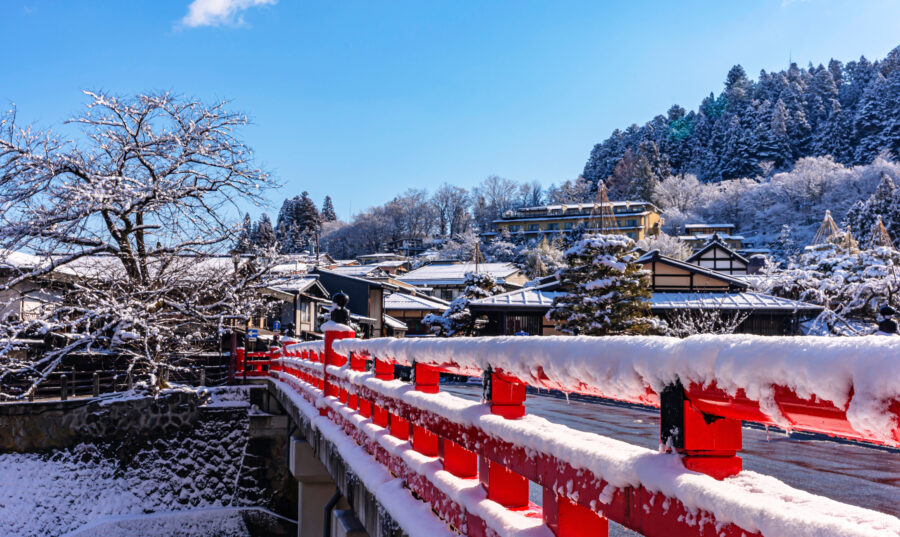
Like January, there is still the occasional chance for light snowfall during the early days of February in Kyoto. If you’re lucky, you may be able to catch a coveted view of Kinkaku-ji Temple or Kiyomizudera covered in a light dusting of snow during your stay.
Setsubun is the traditional boundary between winter and spring, and is celebrated at temples and shrines throughout Kyoto with bean-throwing ceremonies meant to drive away bad luck and welcome good fortune. Yasaka Shrine holds one of the city’s most distinctive versions, where geiko and maiko from the local hanamachi take part in the bean-throwing, drawing large and enthusiastic crowds. Mibu-dera Temple, Yoshida Shrine, and Fushimi Inari Shrine all also hold popular Setsubun festivities, and you can also find smaller, more local festivities held at local shrines.
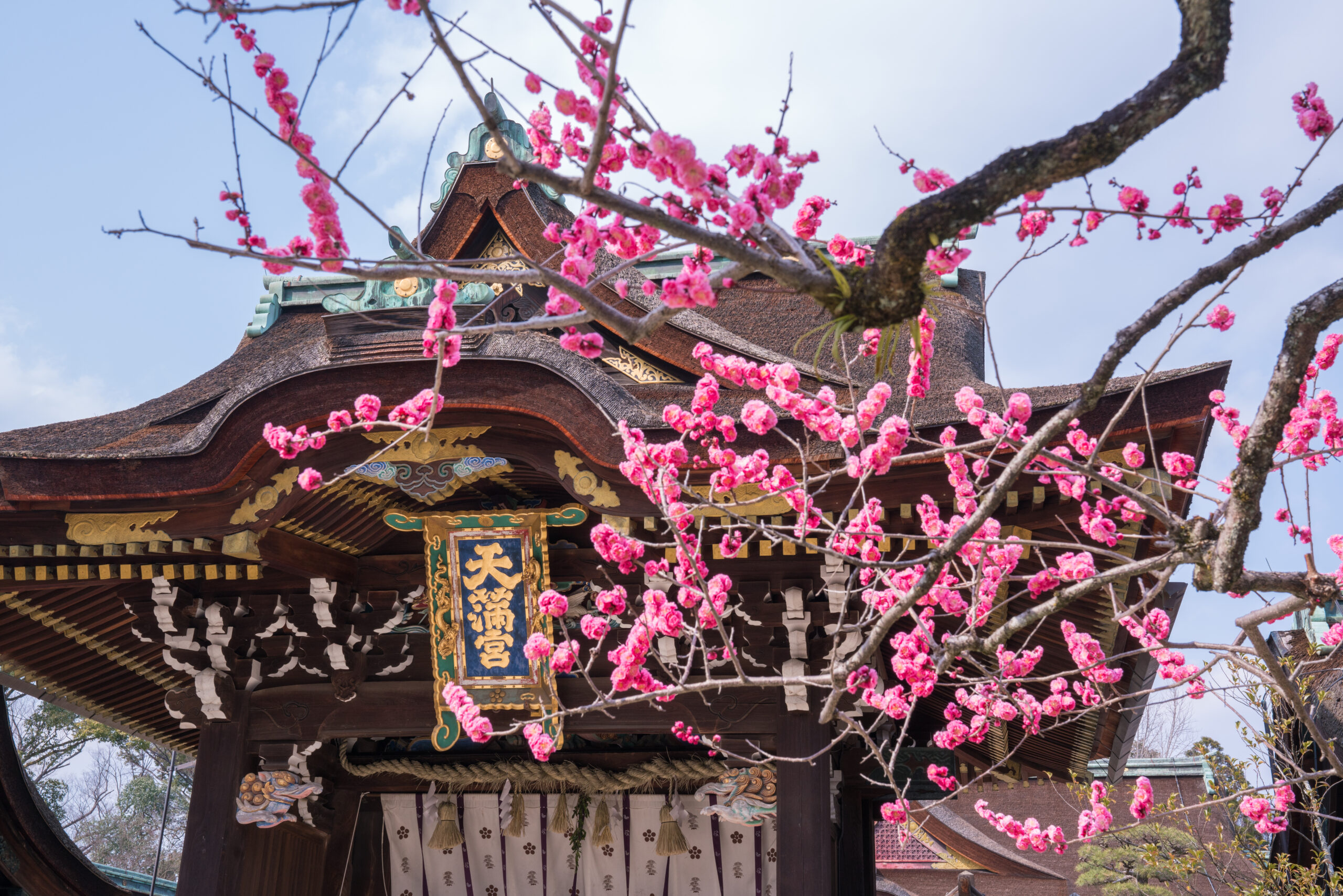
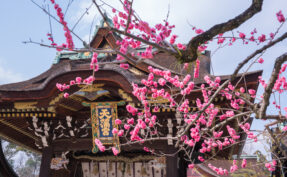
Late February is when Kyoto’s plum blossoms, or ume, take center stage, arriving weeks before the cherry blossoms of spring. Unlike cherry blossom season, which goes by quite quickly, plum blossoms tend to bloom gradually over several weeks, giving visitors a wider window to catch them at their best.
On February 25th each year, Kitano Tenmangu Shrine holds Baika-sai, a festival commemorating the death of Sugawara no Michizane, the deified scholar enshrined there. The highlight is an outdoor tea ceremony held among the blooming plum trees, where maiko and geiko from the nearby Kamishichiken hanamachi serve tea to visitors. It is a rare chance to see maiko and geiko outside of teahouses, which require introductions.
If you’re planning to visit in February, Setsubun is the date to build your itinerary around.
Unlike New Year or Silver Week, Setsubun is not a public holiday. This means that it won’t bring the same strain on transportation that other holidays may bring. You will, however, see larger crowds at popular shrines holding Setsubon festivities. We recommend arriving early to ensure you have a good view.
Outside of Setsubun, February is generally considered a quieter and calmer month to visit Kyoto city, as the New Year holidays have finished in January and the cherry blossoms do not bloom until April. For more on our recommendations on the best times to visit Japan, read our article here.
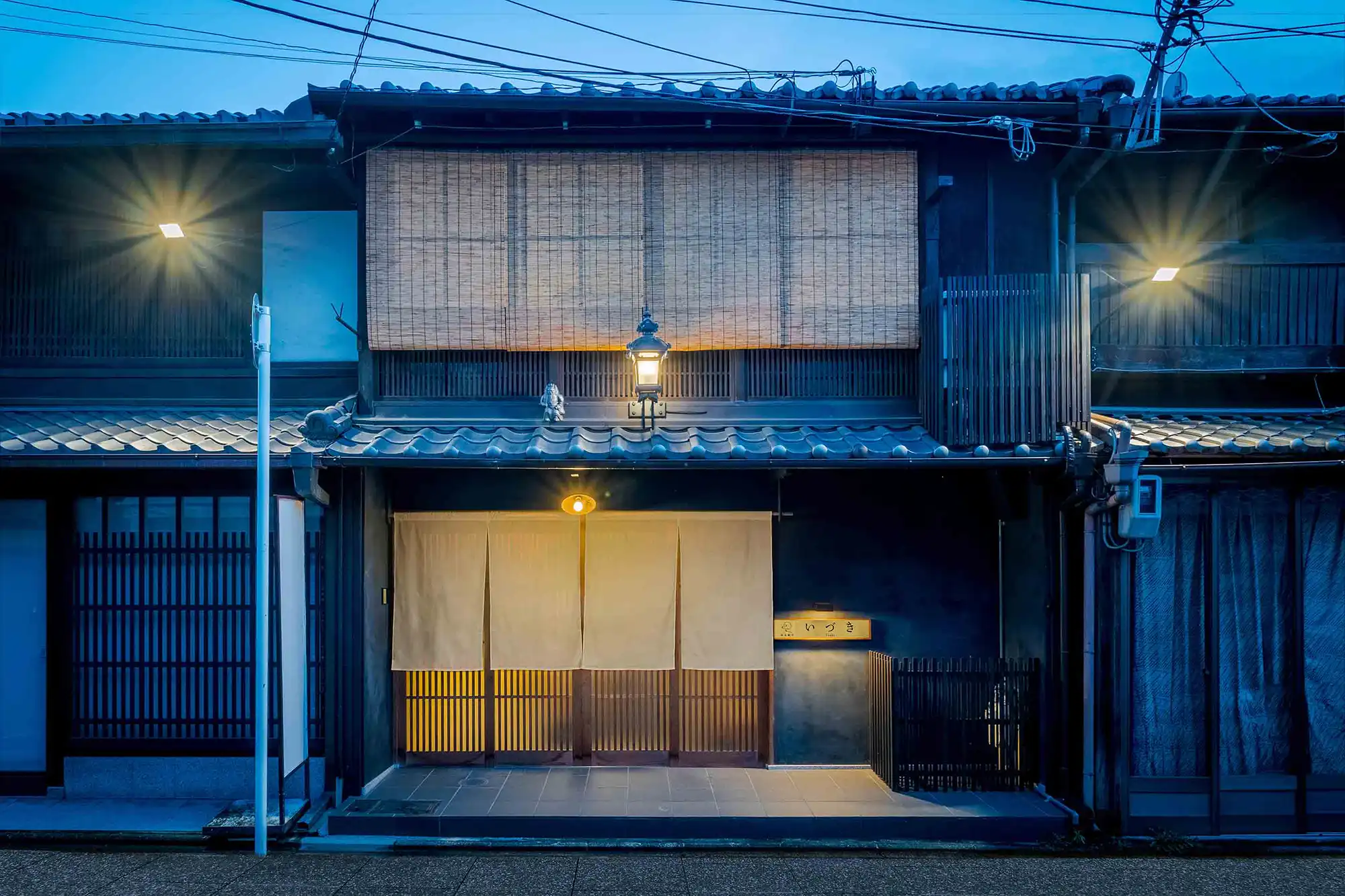
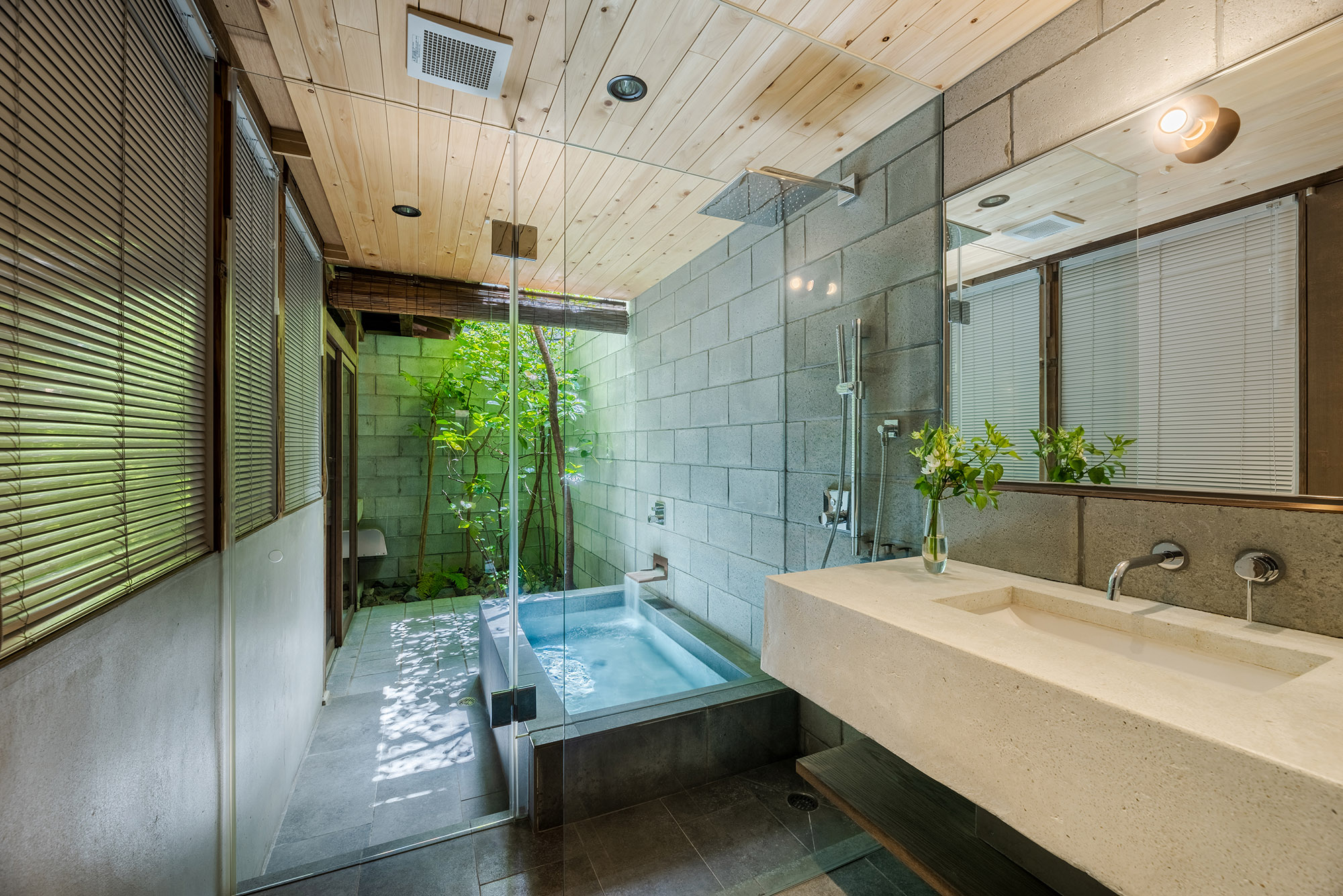
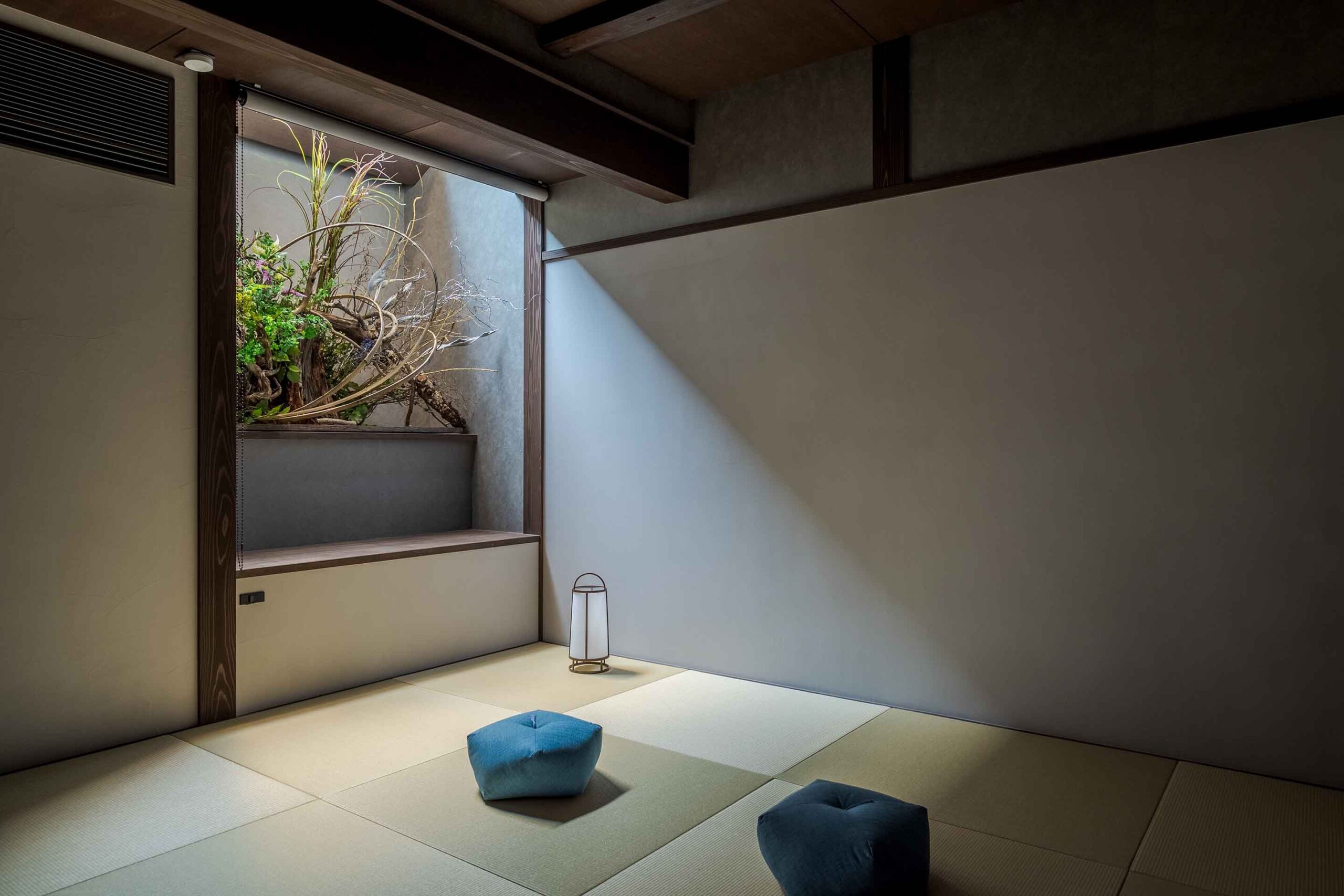
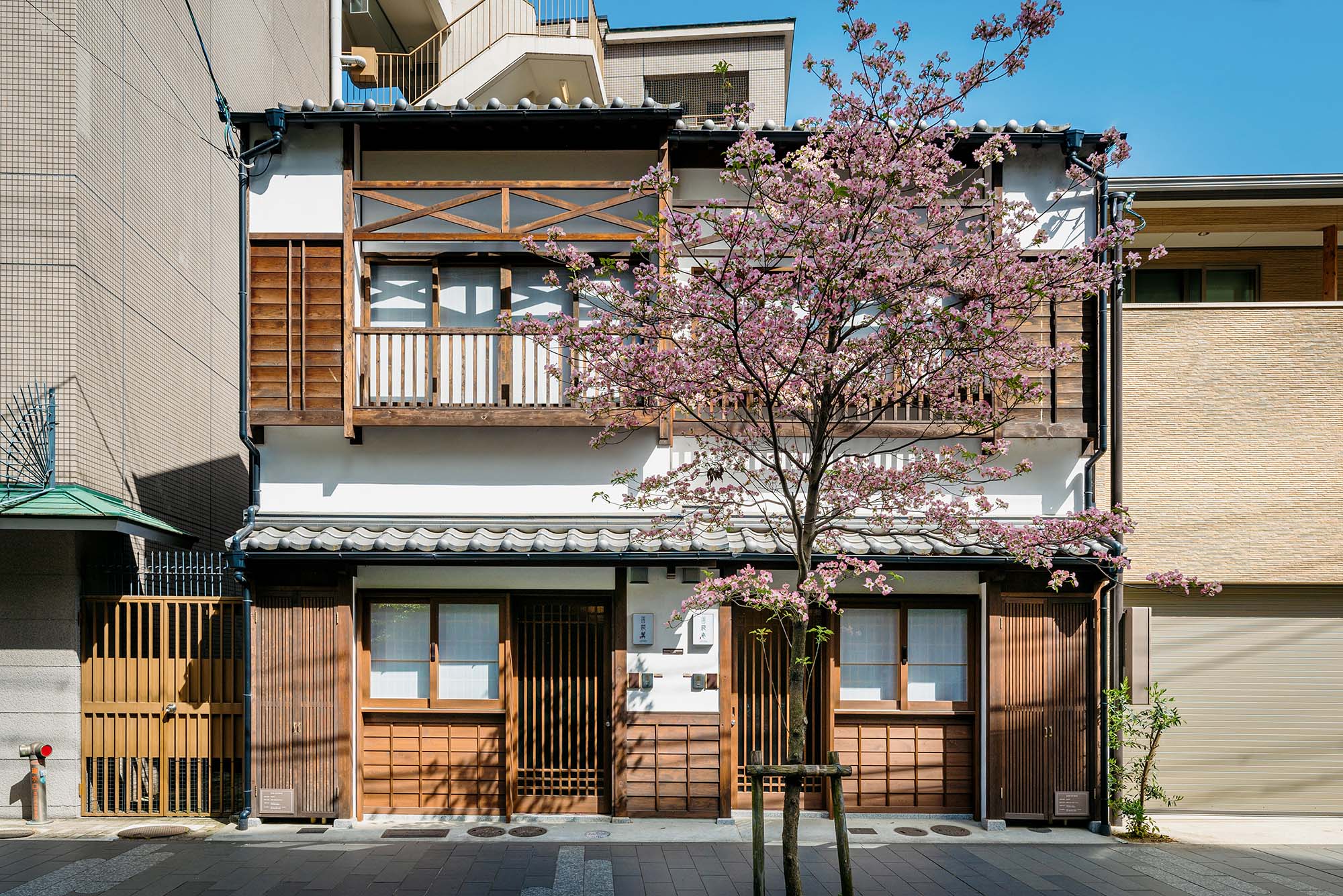
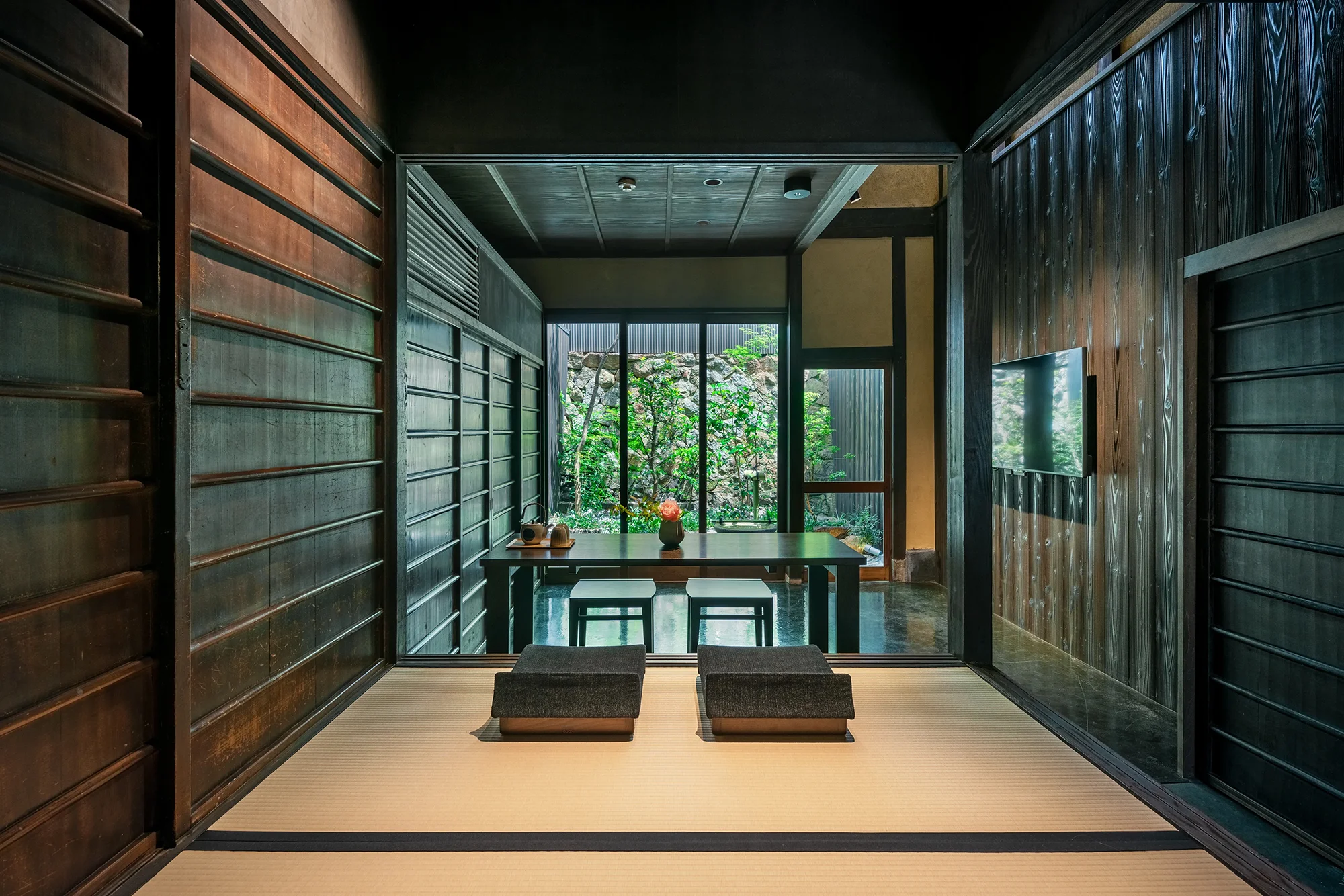
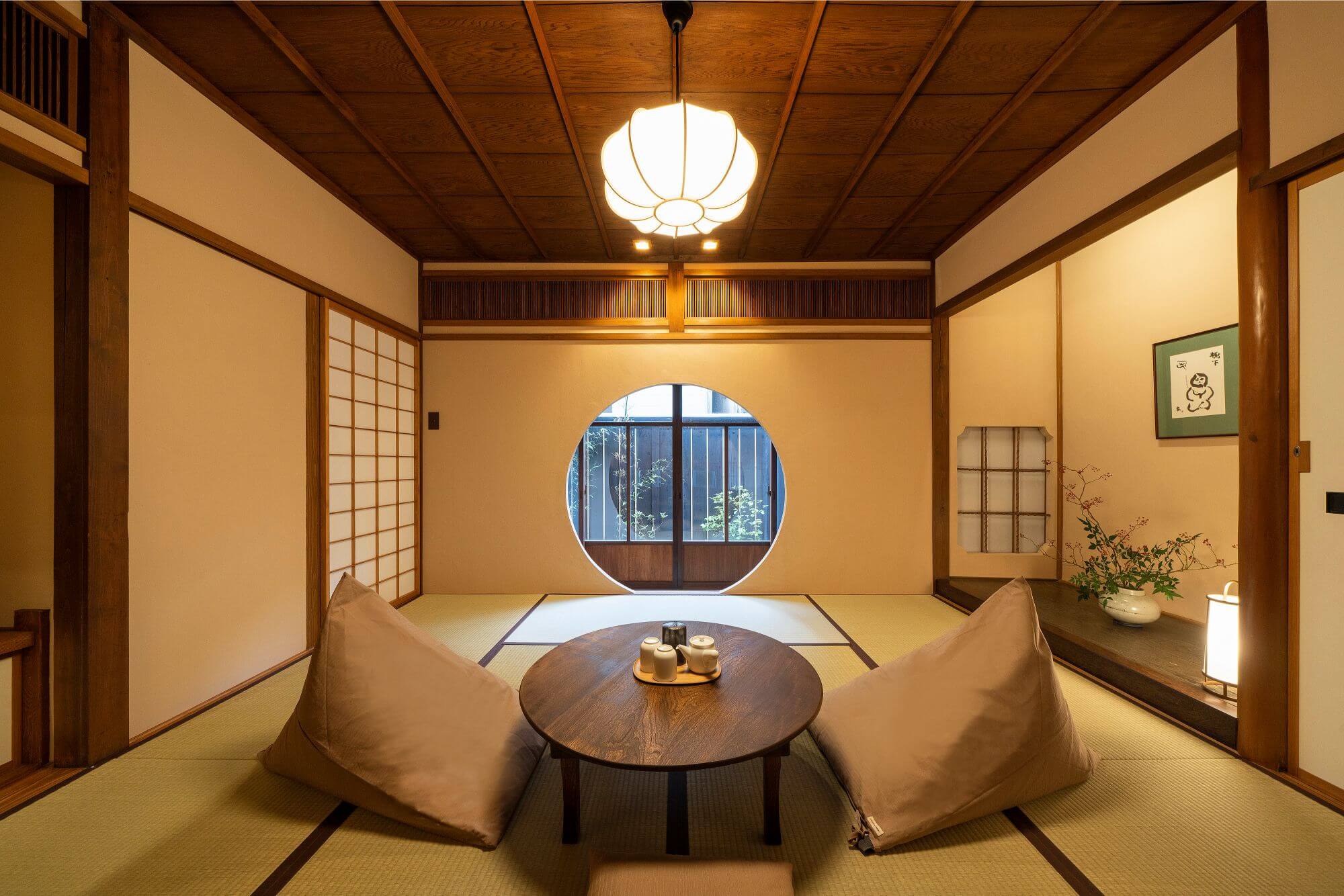
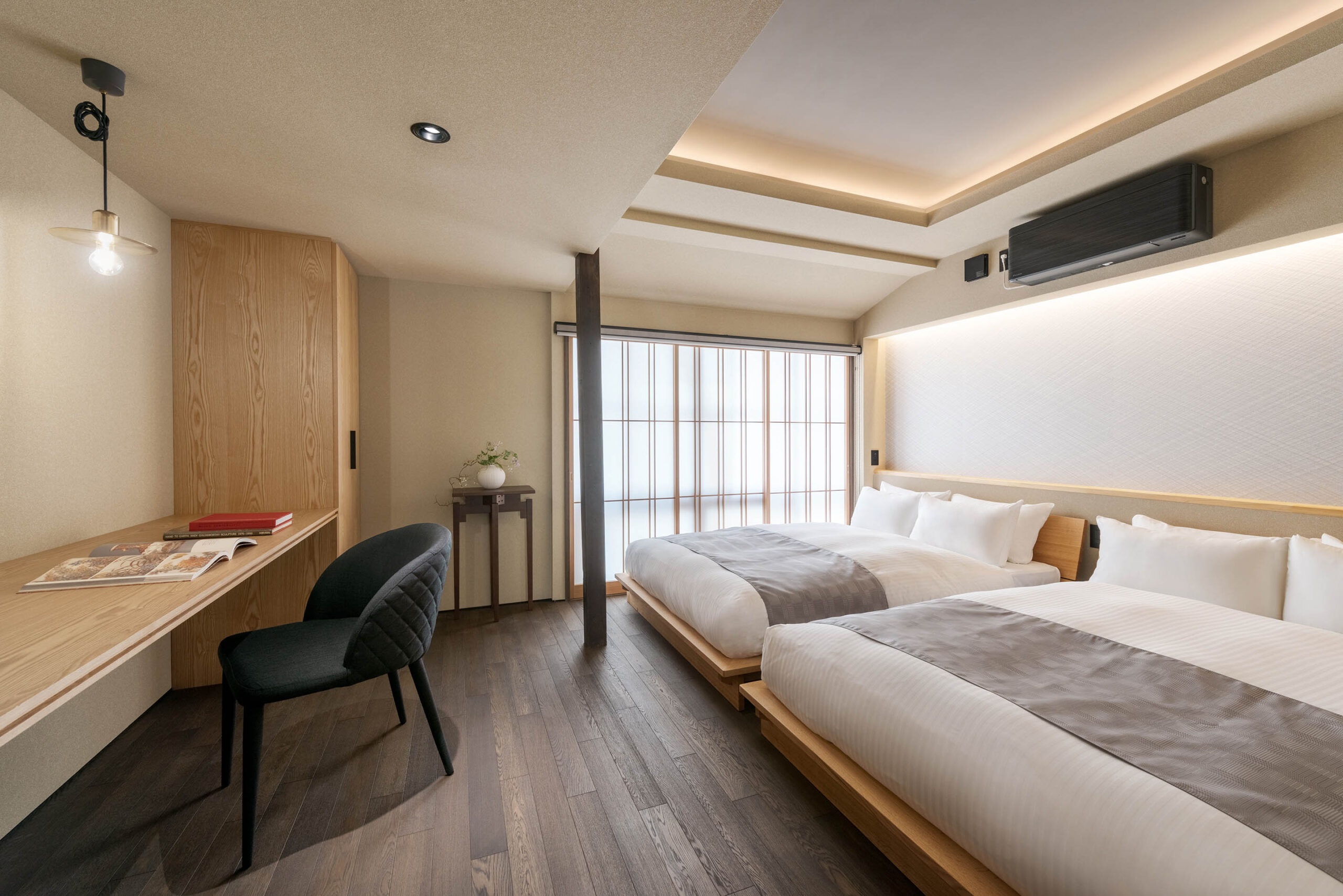
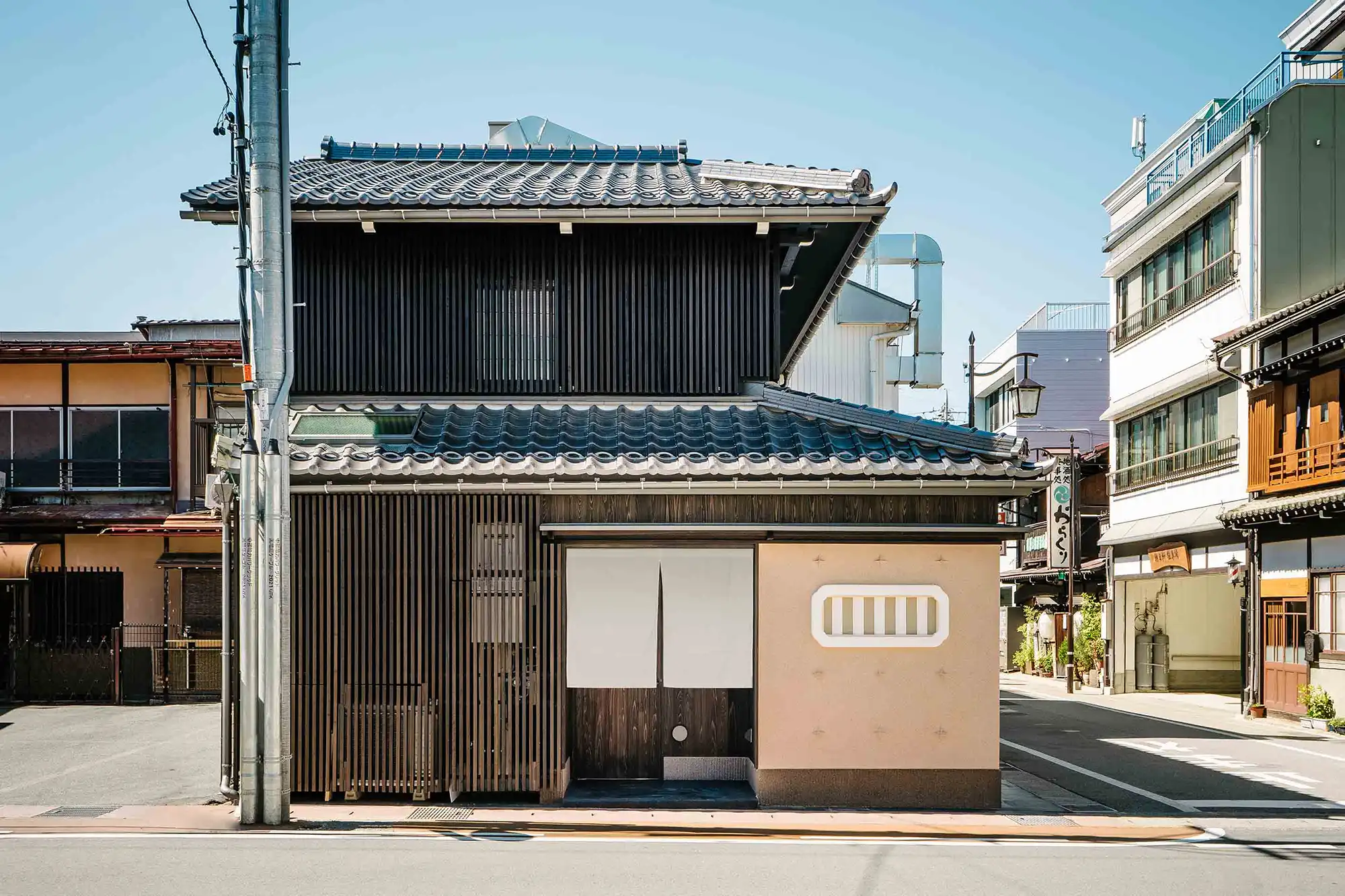
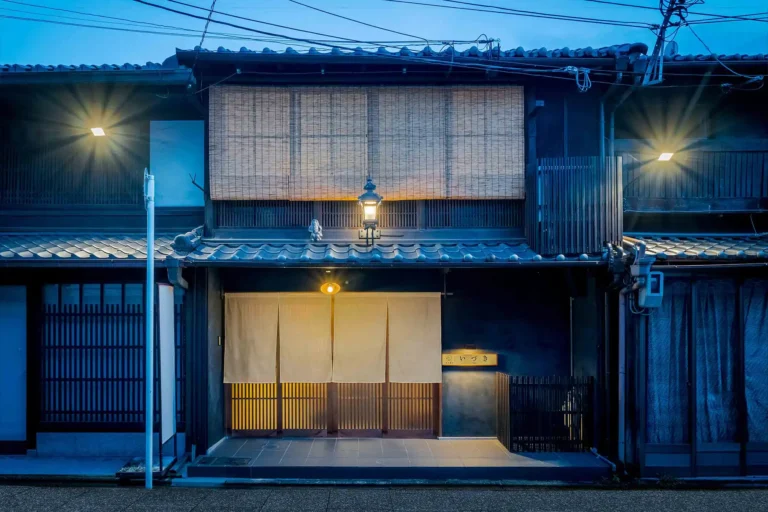

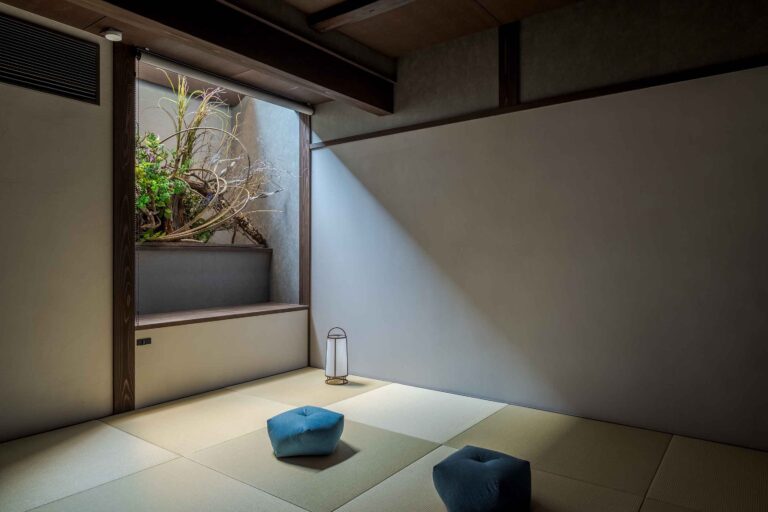
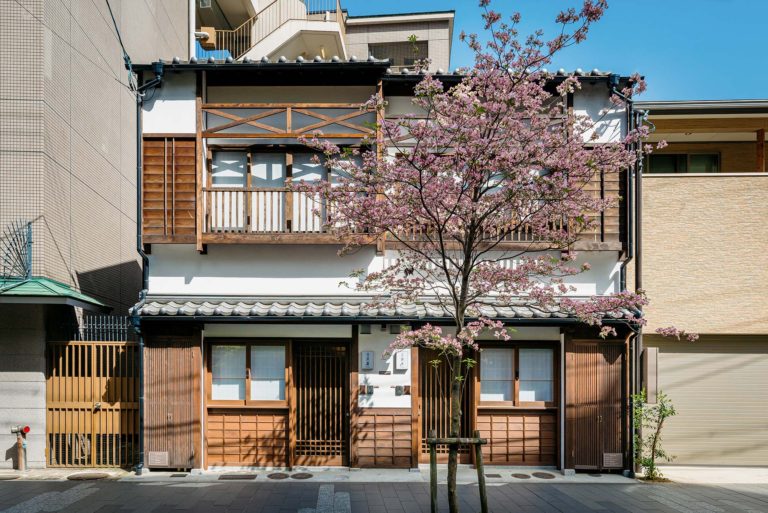
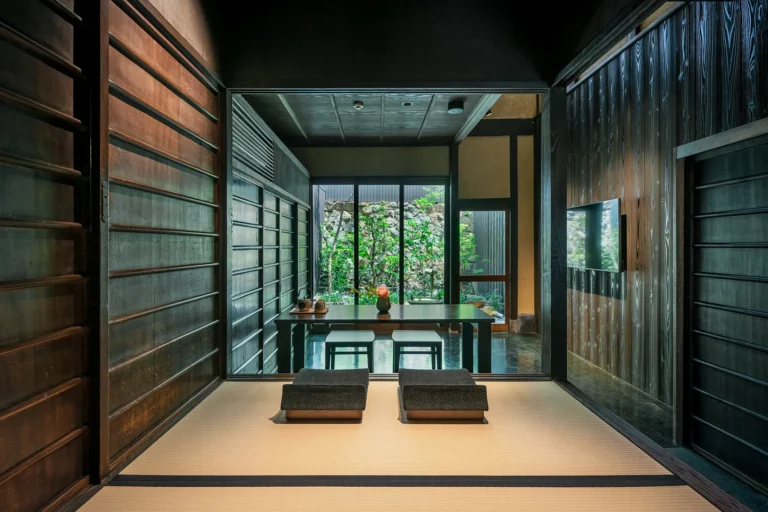
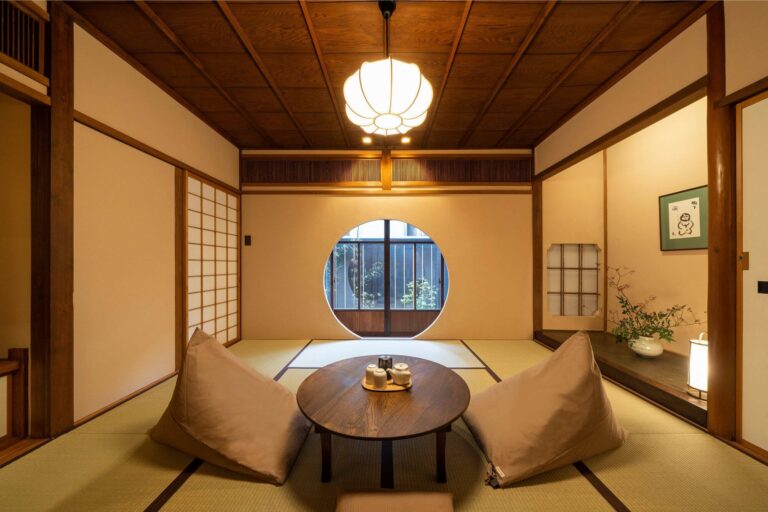
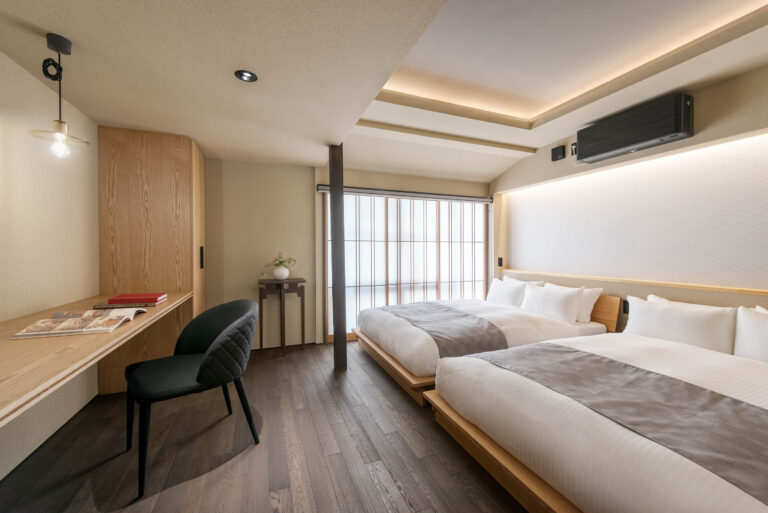
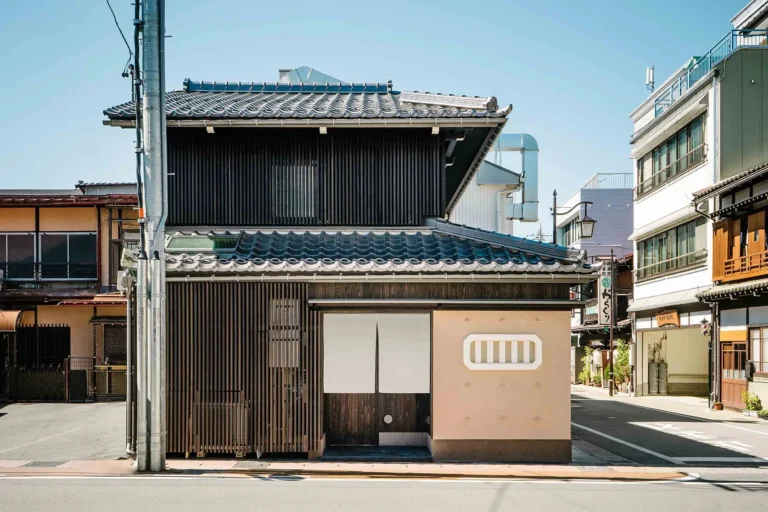
There’s no better place to stay in Kyoto during the month of February than a traditional machiya house in the heart of the city. Choose from locations close to Yasaka Shrine for Setsubun, with convenient access to Kitano Tenmangu for the plum blossoms and Baika-sai, and more. At MACHIYA INNS & HOTELS, our properties in Kyoto city put the city at your doorstep. Our friendly guest services team can always help advise you on how to enjoy the city and the events offered during your stay.


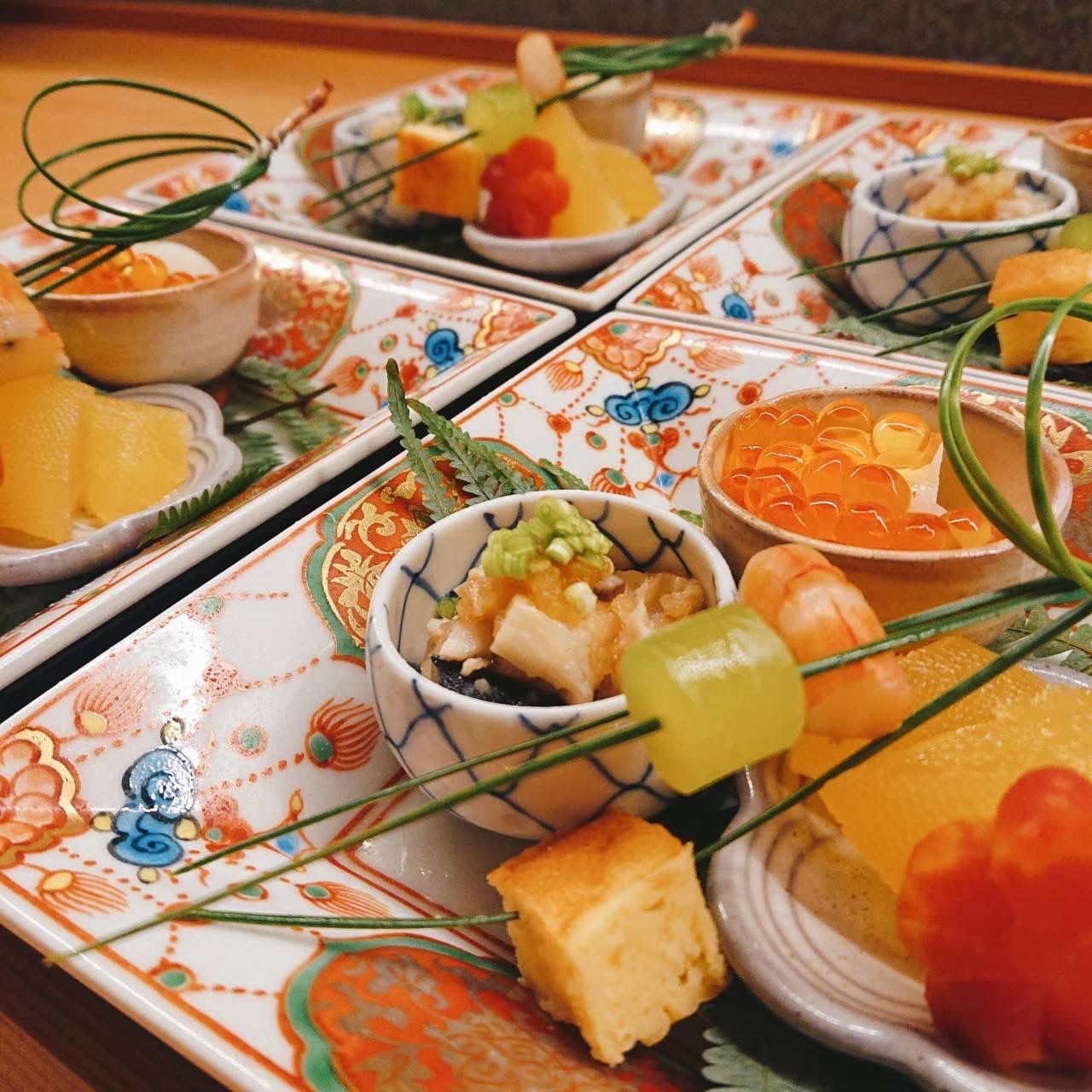
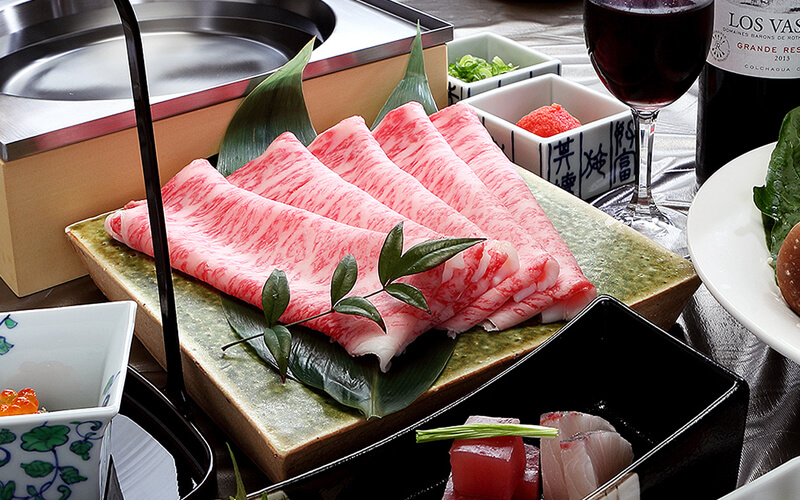
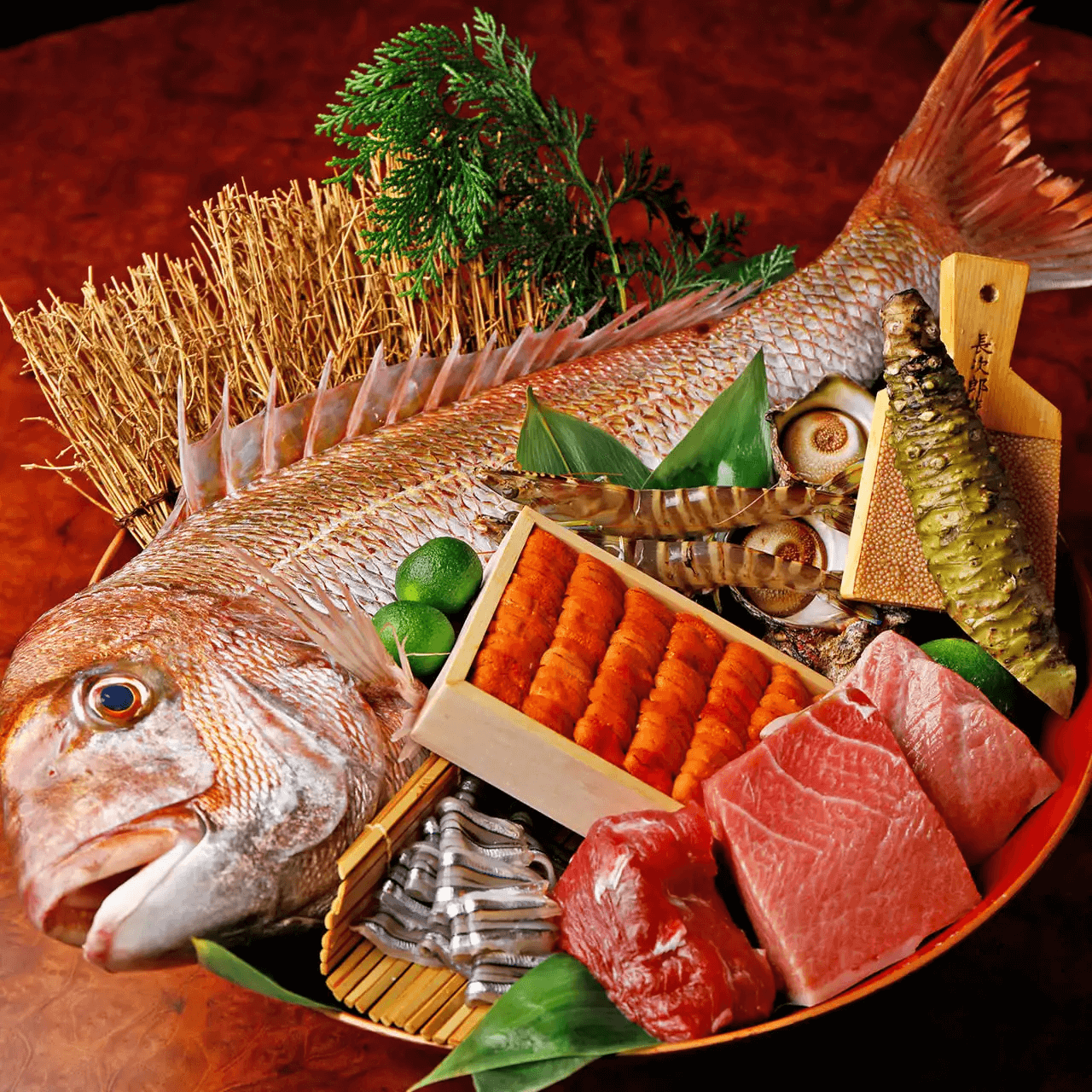
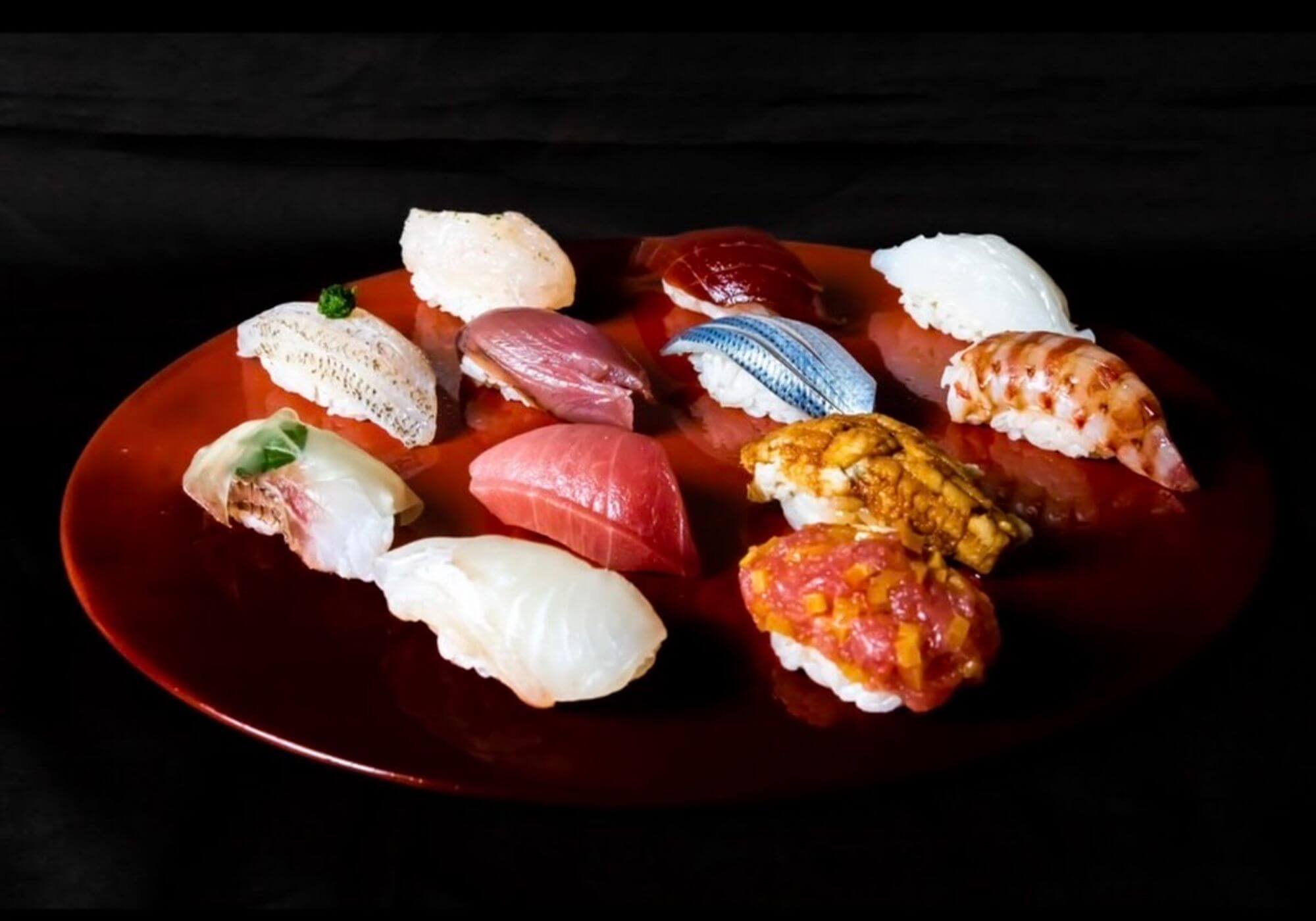
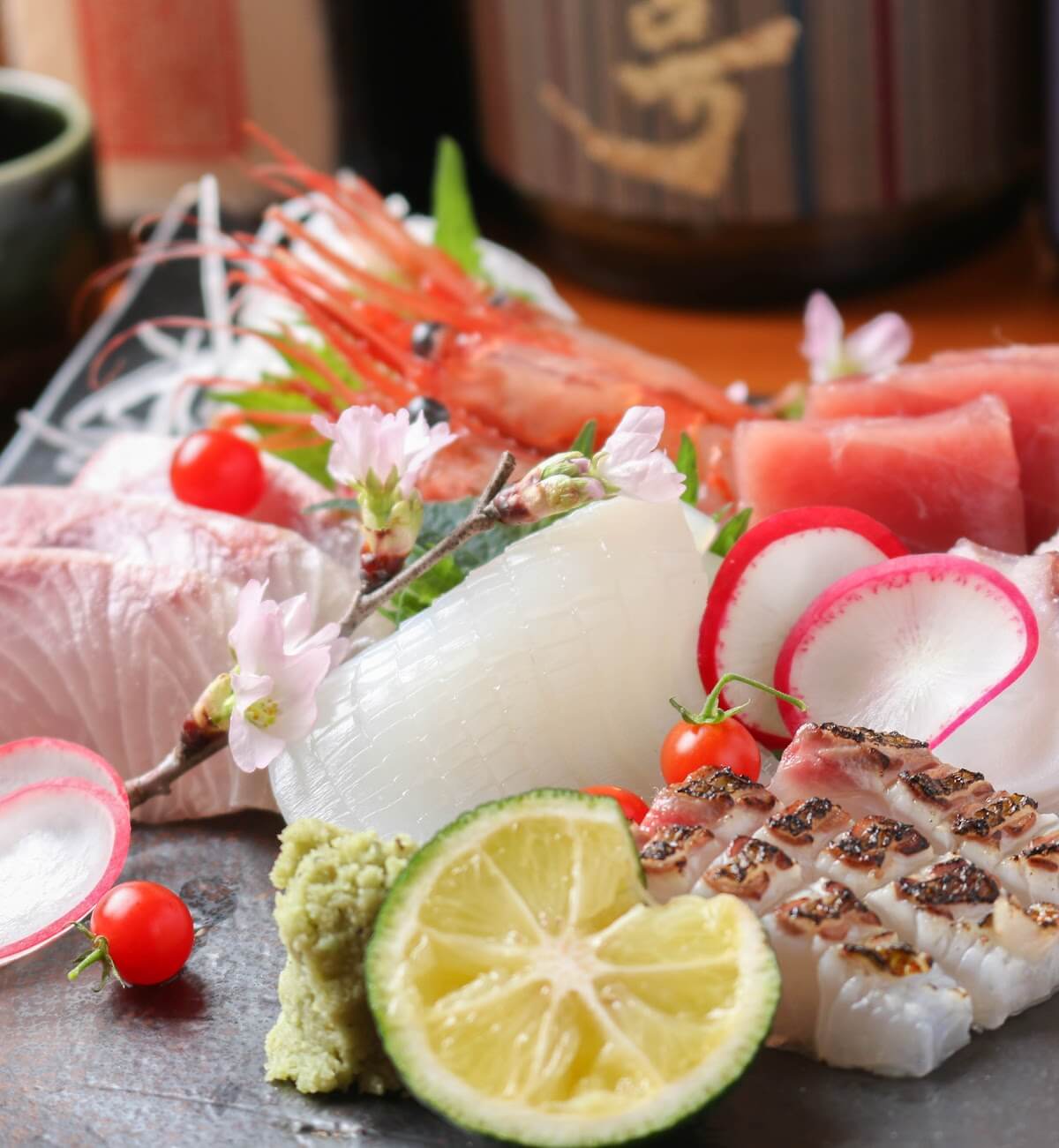
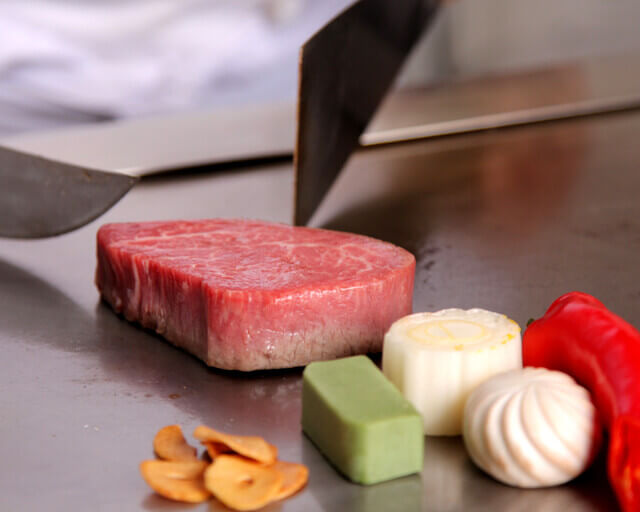
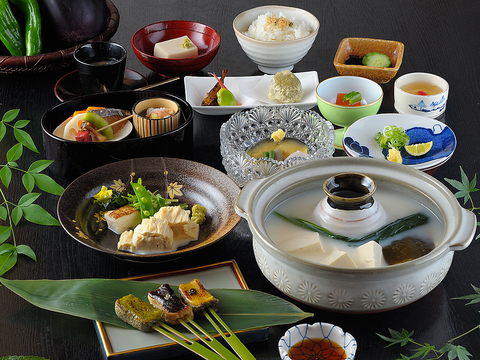
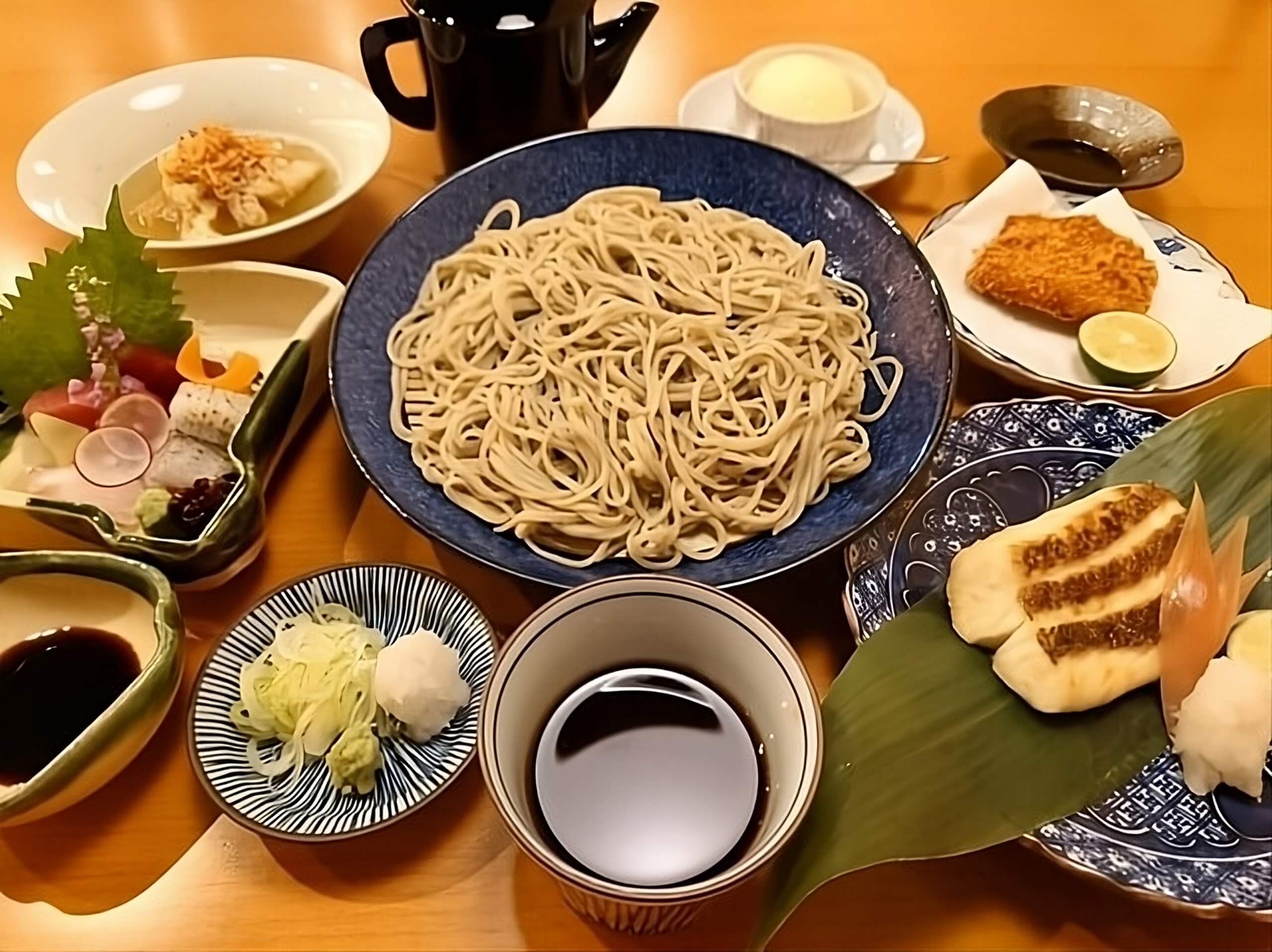
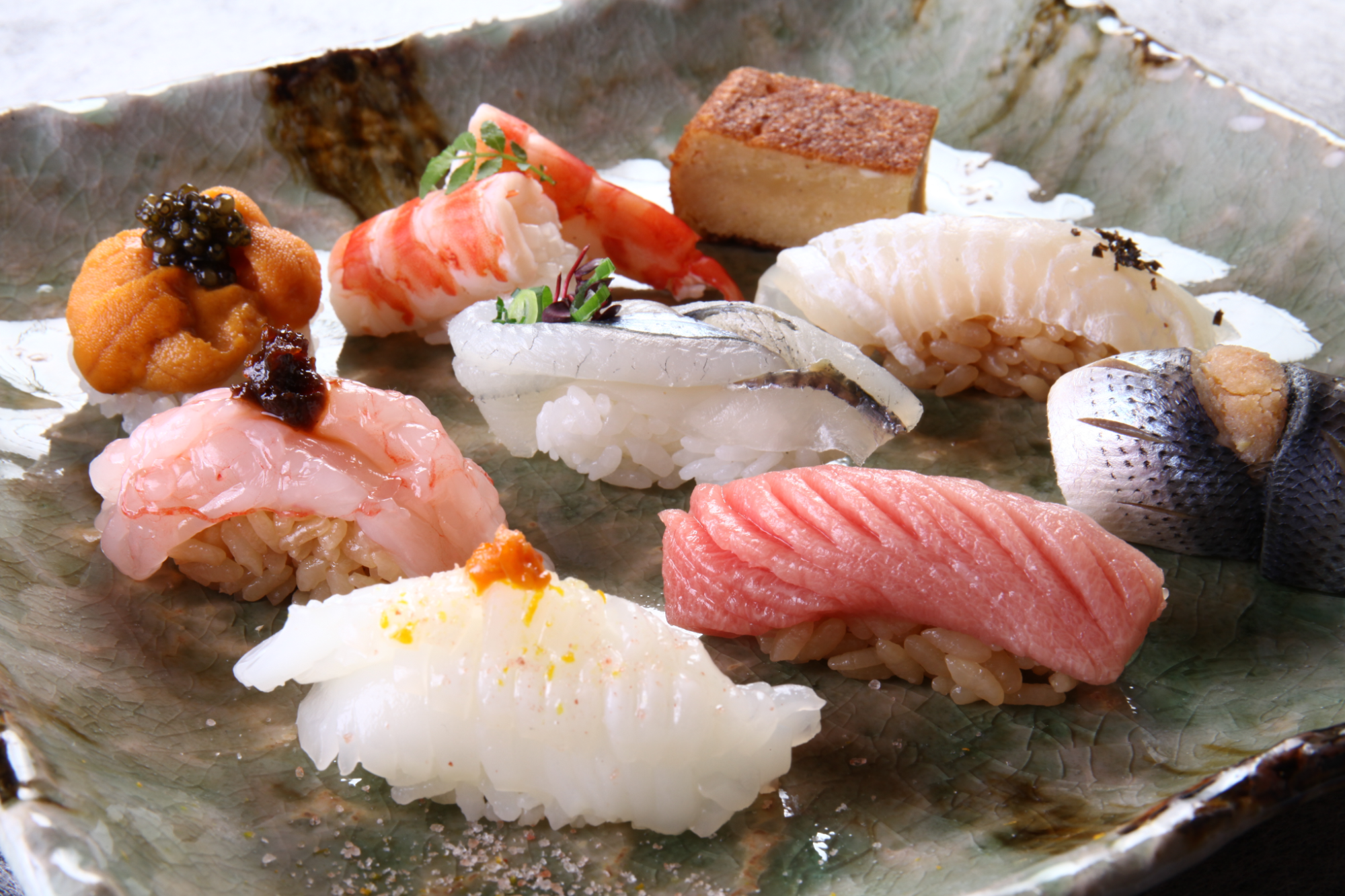
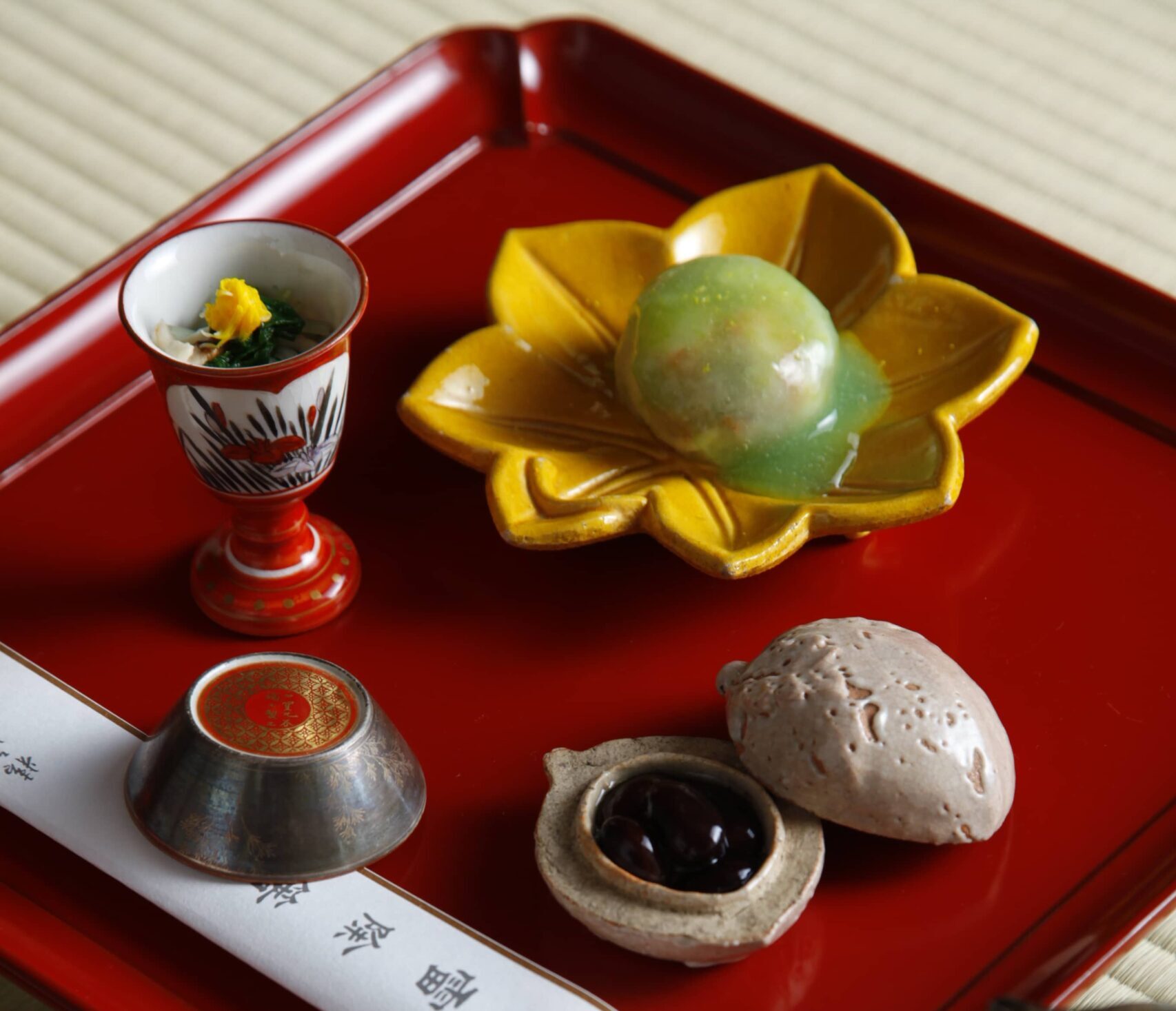
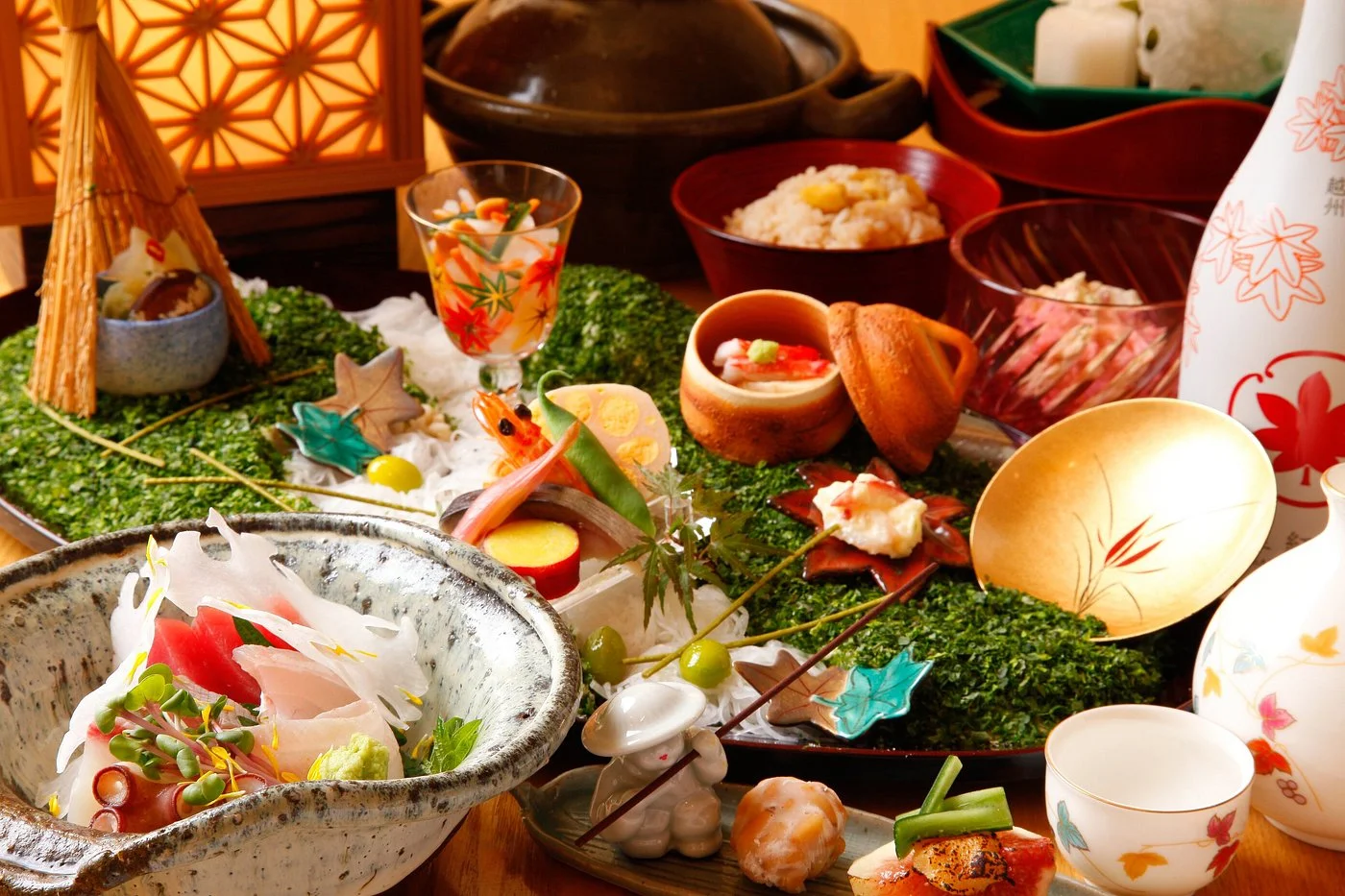
Book a table at locally-loved restaurants to enjoy exquisite kaiseki (course-style) Japanese dinners.

 ×
×



Recent Comments