When planning your Kyoto travels, you’ll come across the word “hanamachi”. Hanamachi, which translates to “flower towns”, are specific areas within Kyoto city where geiko and maiko live, train, and work. These areas are not museums or reconstructions, but active neighborhoods with a deep connection to traditional performing arts that stretch back centuries. By understanding what they are, where they are, and how you can experience them when visiting Kyoto, you’ll get a head start on planning out your Japan itinerary.
Through this guide, we’ll cover all five of Kyoto’s active hanamachi, as well as Shimabara, a former flower town that remains a hidden gem within Kyoto city.
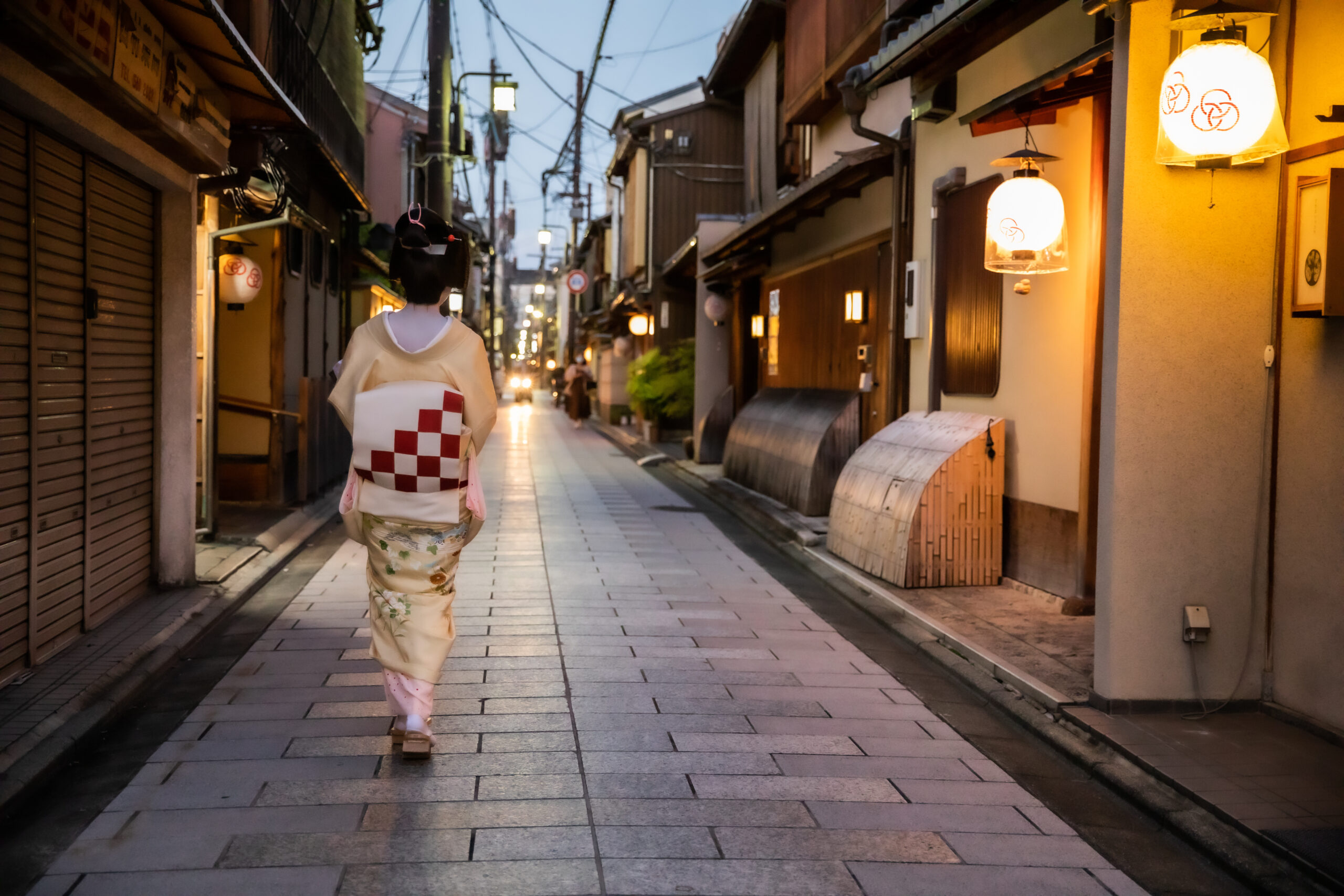
Hanamachi (花街), when literally translated,means “flower town”. It refers to specific districts where the geisha culture is centered in Japan. In Kyoto city specifically, the same Japanese characters are pronounced kagai in the local dialect, but the term hanamachi is also used at times.
In Kyoto city, fully trained geisha are referred to as geiko. It translates to “woman of the arts”, a reflection on how geiko are professional performing artists trained in Japanese classical dance, shamisen, singing, tea ceremony, and conversation. Maiko are apprentice geiko in their mid-to-late teens. Compared to geiko, they can be recognized by their more brightly patterned kimono, long obi, and elaborate kanzashi hairpins.
Hanamachi are built around three institutions in the neighborhood. These institutions have largely remained unchanged over the centuries, and continue to function in modern society.
Ochaya (teahouse): where banquets and dinners inviting geiko and maiko are held. Are operated on the principle of refusing first-time customers, unless they have an introduction from an already established regular patron. This principle is known as ichigensan okotowari.
Okiya (geisha house): where geiko and maiko live. All geiko and maiko must be registered with an okiya in order to work.
Kenban (guild office): registers geisha, coordinates reservations, and maintains the standards of the district as a whole.
Each hanamachi in Kyoto holds an annual dance performance, which can be attended by anyone who purchases a ticket.
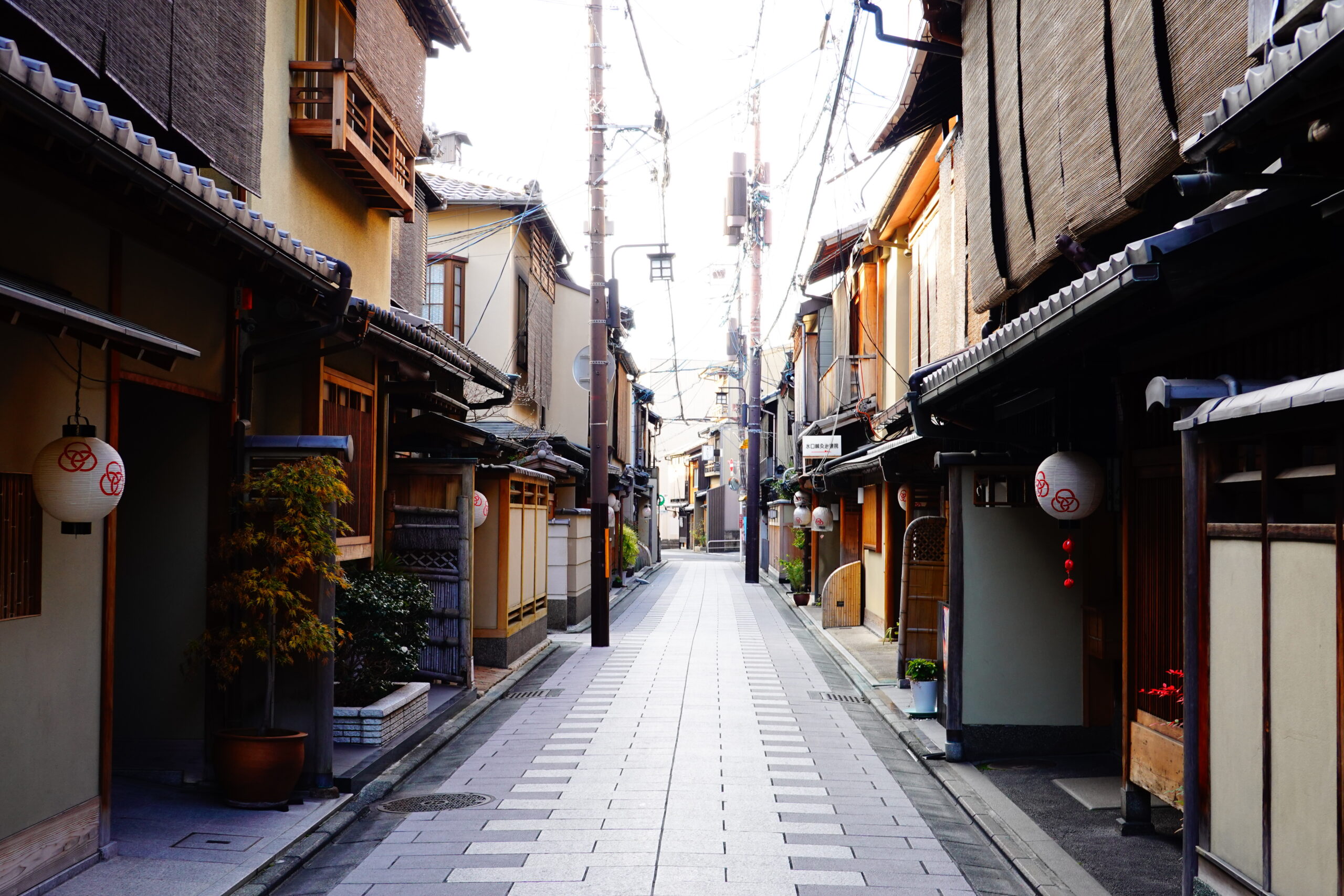
Kyoto currently has five active hanamachi. Together, they are known collectively as the Gokagai (五花街), or the “Five Flower Towns”. Each has its own distinct history, dance tradition, district crest, and characteristics which makes it unique.
Gion Kobu is the largest and most internationally recognizable of the five flower districts of Kyoto. Located beside Yasaka Shrine and stretching south along Hanamikoji Street, it is home to the highest number of geiko and maiko in Kyoto. This hanamachi is known for its annual spring performance in April, called Miyako Odori (Cherry Blossom Dances).
For a full guide to the Gion neighborhood, including sightseeing, dining, and how to access the area, see our Visiting Gion, Kyoto: Everything You Need to Know guide.
Tucked between Yasaka Shrine and the eastern edge of Gion Kobu, Gion Higashi is the smallest of the five hanamachi. Although they share the same streets as Gion Kobu, Gion Higashi has a noticeably different atmosphere, more intimate and neighborhood-like.
Gion Higashi holds its annual dance performance during the autumn. The Gion Odori takes place during Kyoto’s autumnal season, making it a favorite to pair with viewing the changing fall leaves.
For more on the broader Gion neighborhood, see our guide: Visiting Gion, Kyoto: Everything You Need to Know.
Pontocho is a single narrow alley, approximately 500 meters long, — about 500 meters long — running between Shijo-dori and Sanjo-dori, parallel to the Kamogawa River. Going back to the 17th century, Pontocho has a distinct traditional atmosphere, from a combination of the wooden architecture, lanterns, and intimate feel of the neighborhood. You can find a high concentration of restaurants and bars alongside the traditional ochaya teahouses which continue to operate today. The geiko and maiko of Pontocho perform at the Kamogawa Odori dance performance each May.
For our full neighborhood guide, see Things To Do in Kyoto: Pontocho.
The Miyagawacho Hanamachi was established during the Edo period, with deep connections to kabuki, which is said to have flourished in the neighborhood. Compared to the other hanamachi, Miyagawa-cho has a more local, residential atmosphere. The annual Kyo Odori is performed in spring at the Miyagawa Kaburenjo Theater. The finale of the performance, bringing together all of the geiko and maiko of Miyagawa-cho on stage in their spring kimono, is a popular sight.
For a neighborhood guide to Miyagawacho, see our Miyagawacho Neighborhood Recommendations article.
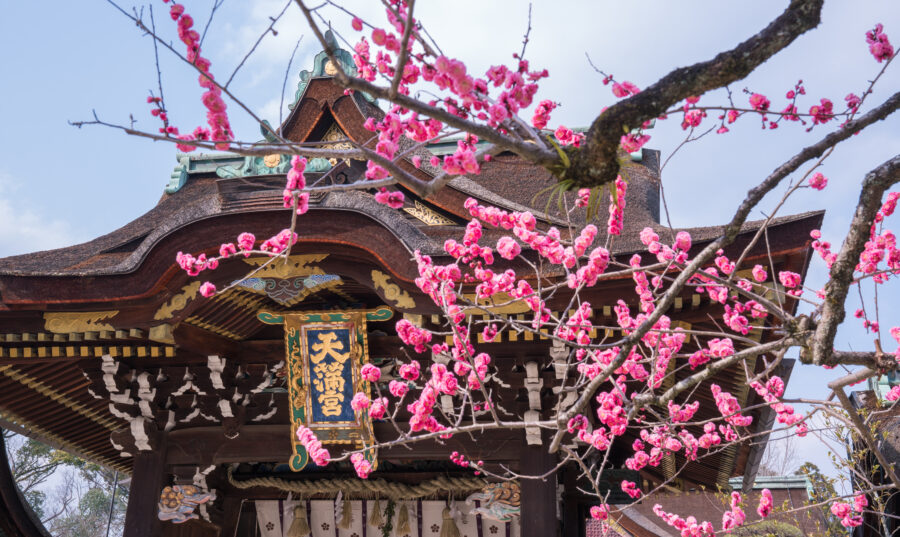
While the other four hanamachi of Kyoto city are located close together in central Kyoto city, Kamishichiken is located in the northwest area of Kyoto, near the Kitano Tenmangu Shrine. Partly due to its location, it maintains a calm and refined atmosphere. Kamishichiken is the oldest of the Gokagai, with more then 600 centuries of history.
For visitors, there are two public events to enjoy. One is the Kitano Odori dance performance in late spring , held during cherry blossom season. The second is during the summer, at the Kamishichiken Beer Garden held at the Kamishichiken Kaburenjo Theater. It offers a rare and more relaxed setting to enjoy drinks and food while getting the chance to interact with the geiko and maiko of the district.
For a guide to the Kamishichiken neighborhood, see our Kamishichiken Neighborhood Recommendations article.
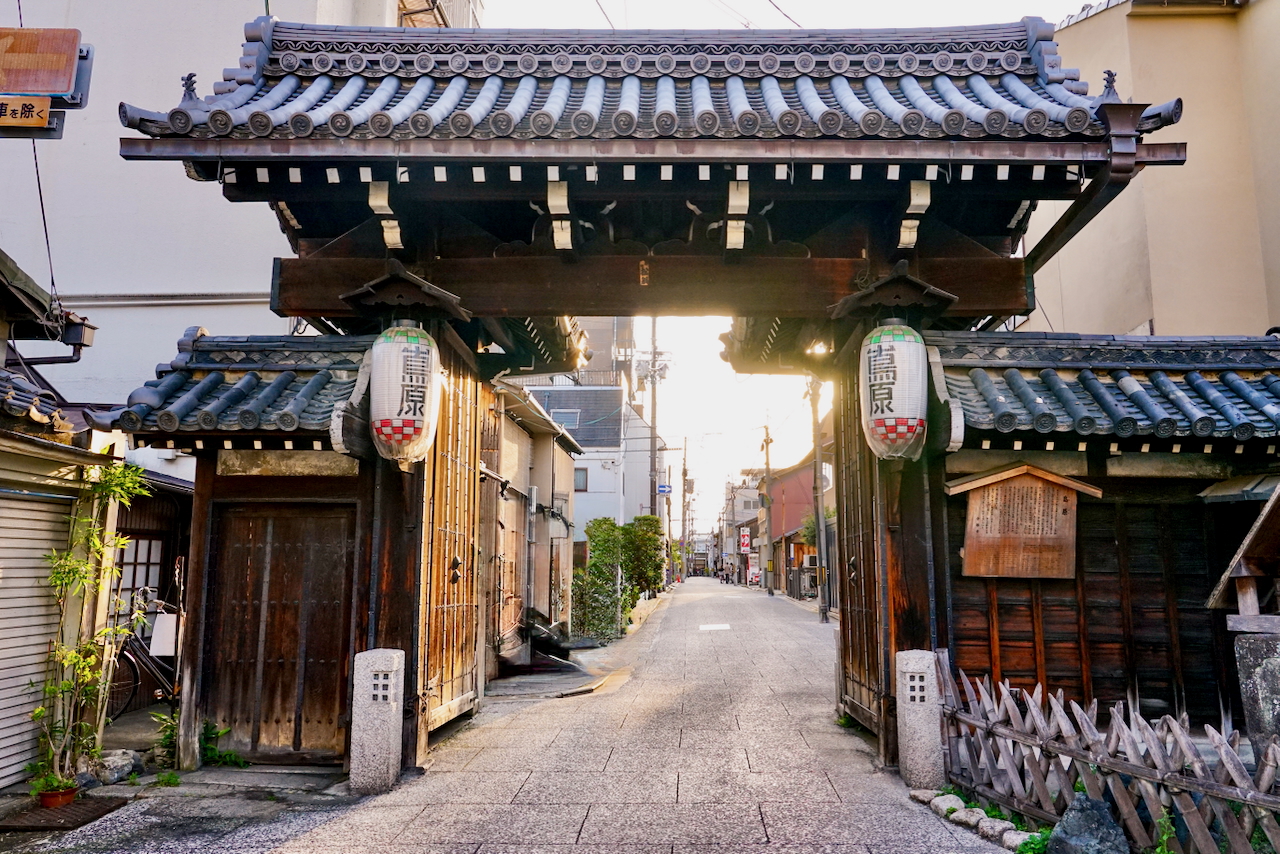
Although no longer an active hanamachi, Shimabara remains an important part of Kyoto’s history and traditions. Established in 1640, Shimabara remained an active hanamachi until the 1970s. While it is now a residential area, marks of its history as part of the geiko and maiko culture of Kyoto city remain visible. One is the Shimabara Omon Gate, a large wooden gate which once used to symbolize the entrance to the district. Another is the Sumiya Cultural Art Museum, a former teahouse which continues to operate as a museum today. It’s also one of the few Edo-period buildings left in Kyoto city that is not a temple, shrine, or palace.
For travelers interested in the deeper history of Kyoto’s hanamachi culture while also experiencing a quiet traditional neighborhood in Kyoto city, Shimabara is an essential stop.
For our full neighborhood guide, including the Omon gate, Sumiya, and the surrounding district, see Shimabara District in Kyoto, Japan: Neighborhood Recommendations.
Although many aspects of hanamachi culture are accessible only by invitation, there are events and experiences that can be accessed by the public.
One such aspect are the public dance performances put on by each of Kyoto’s hanamachi. Tickets are available for purchase by the general public. For more information and specific dates, be sure to check the official websites.
There is also a combined performance, held in late June, featuring all five hanamachi together. This is called the Gokagai Godo Koen, and while the ticket prices are more expensive than the dance performances put on by individual hanamachi, it is a unique opportunity to see all five hanamachi geiko and maiko come together,
Another way to experience geiko and maiko culture while in Japan are events like the Kamishichiken Beer Garden during the summer. Gion Corner also offers a Traditional Arts Performance, which includes a dance performance by maiko from Gion Kobu.
If you’re lucky, you may spot geiko and maiko on the streets of Kyoto city, traveling between engagements. As they are working professionals, not there for sightseeing, please be respectful to them as well as locals living and working in the area. Some alleys in Gion have fines for those who display intrusive and disruptive behavior towards geiko and maiko, but it is okay to observe them from a respectful distance if you chance upon them outside.
Kyoto’s flower towns are best experienced slowly, through an evening walk through Pontocho or Miyagawacho, a seat at the Kamogawa Odori or other dance performance, a reservation at the Kamishichiken Beer Garden. The hanamachi have shaped the character of the streets of Kyoto for centuries, and that character is still very much present, for those who know where to look.
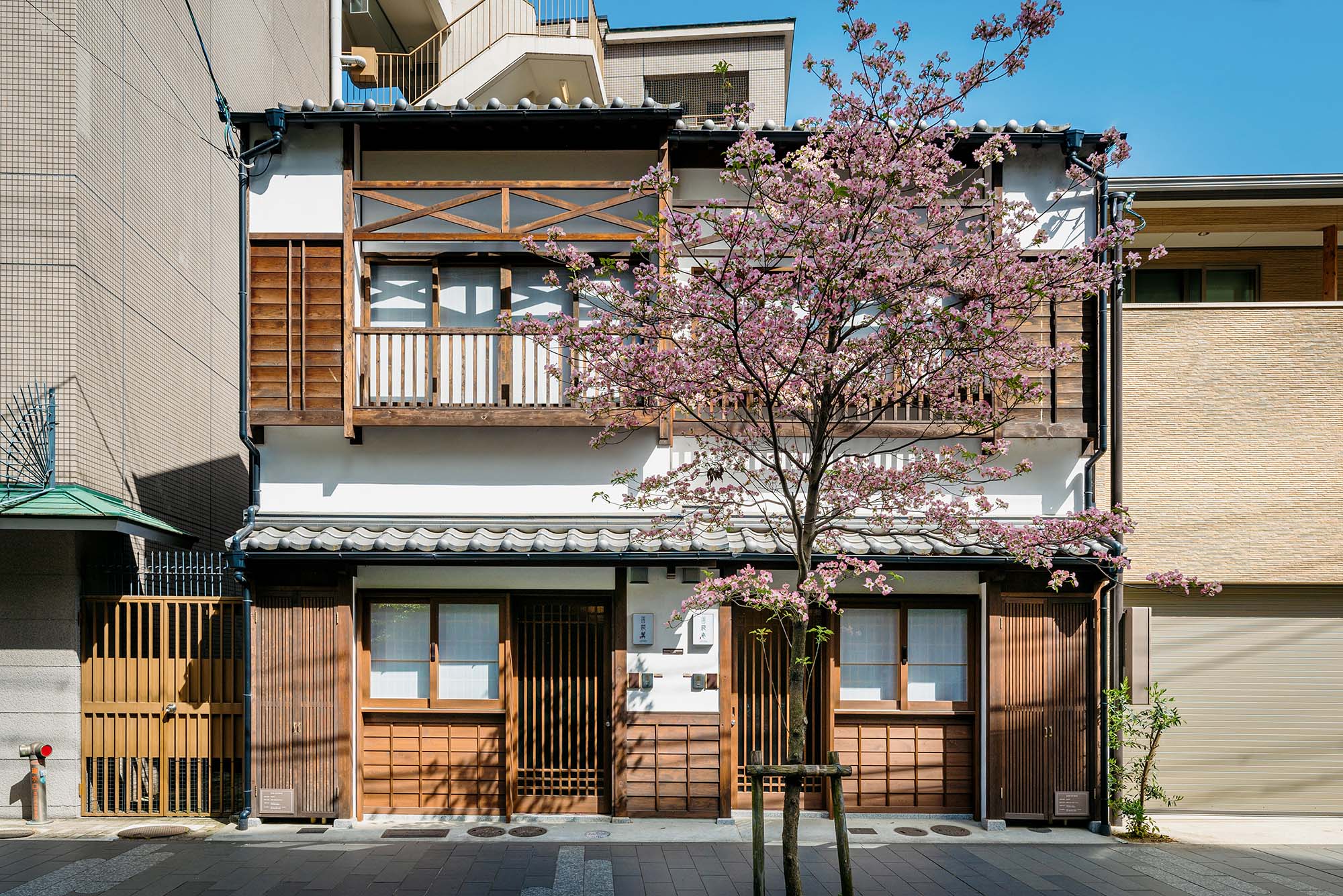
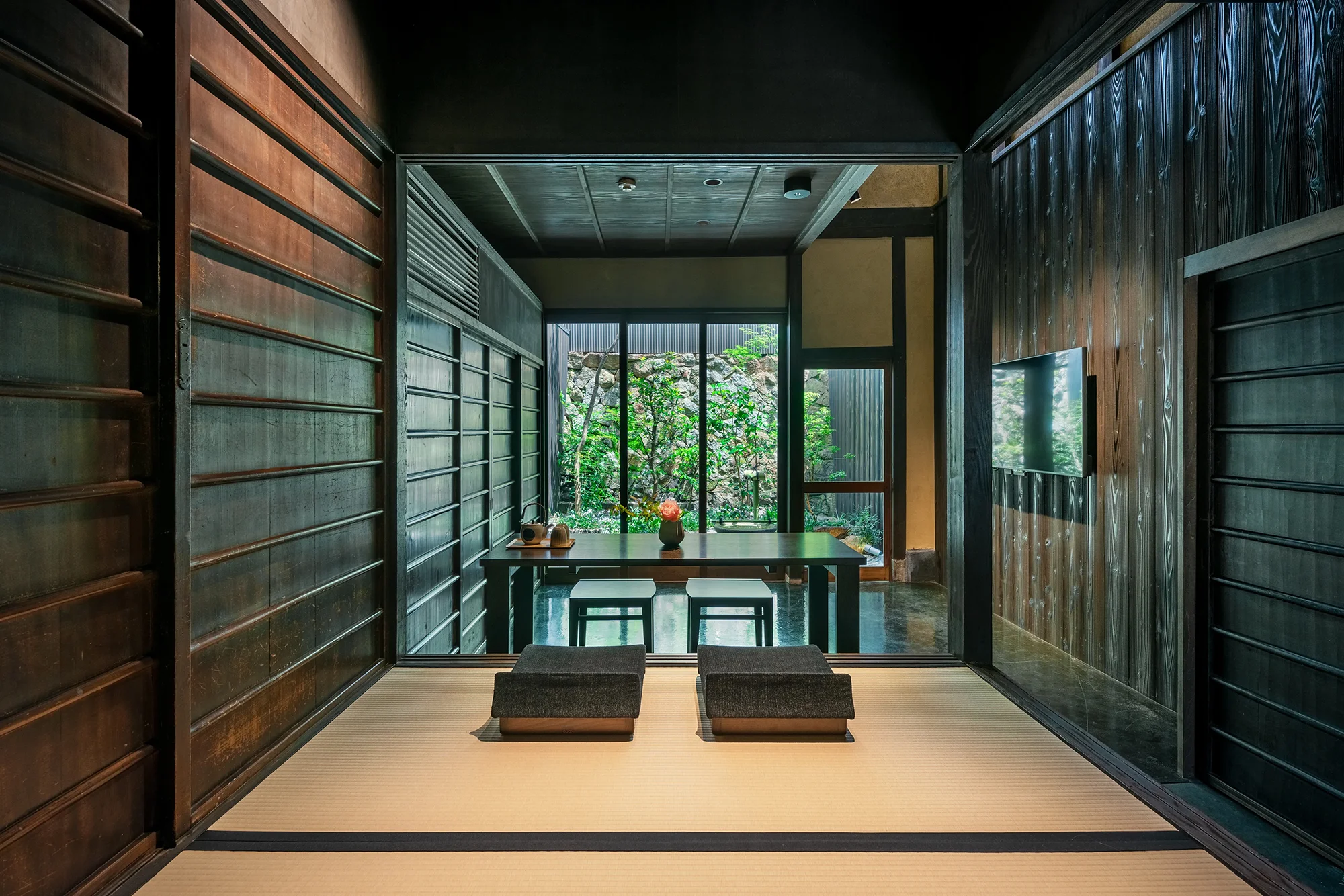
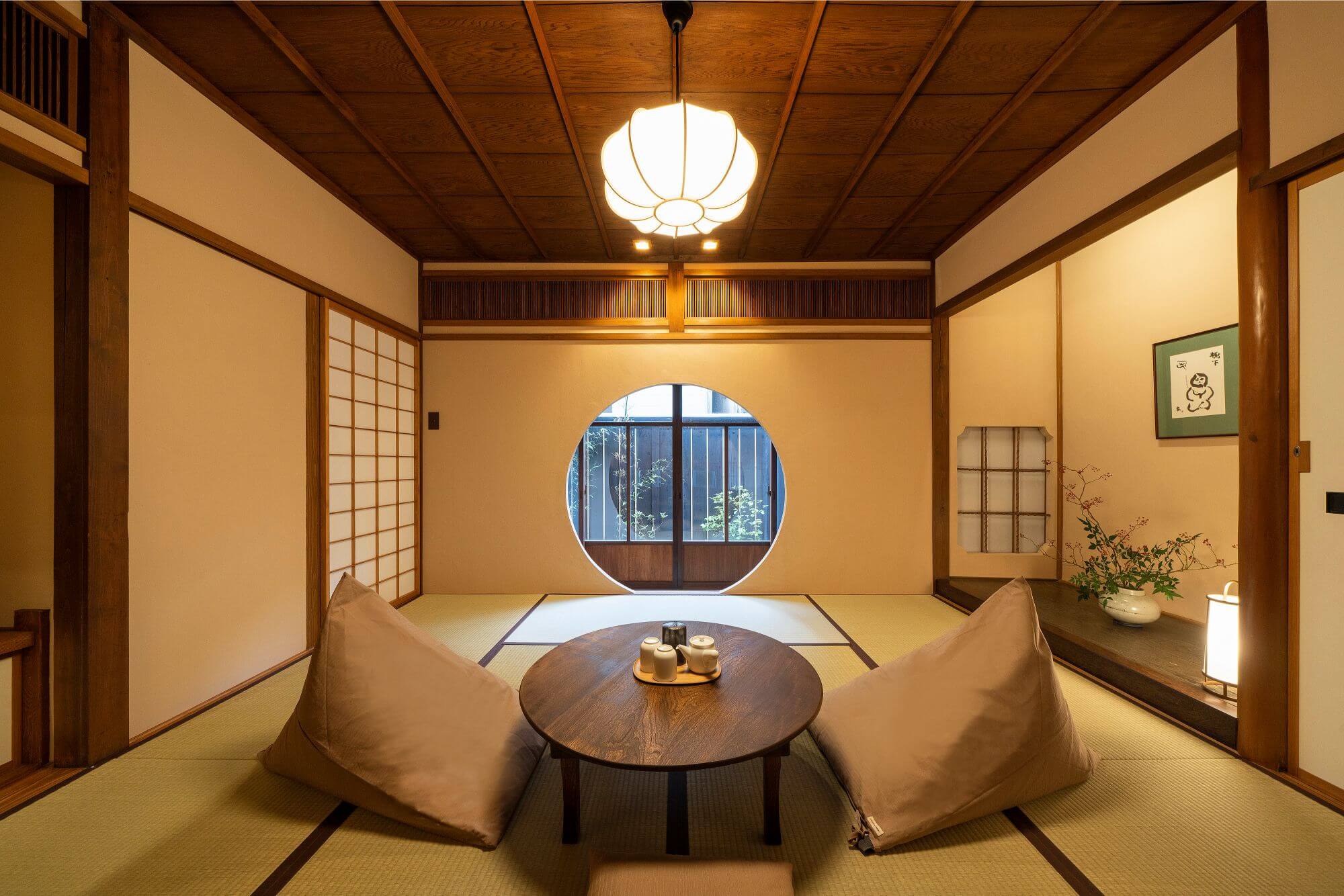
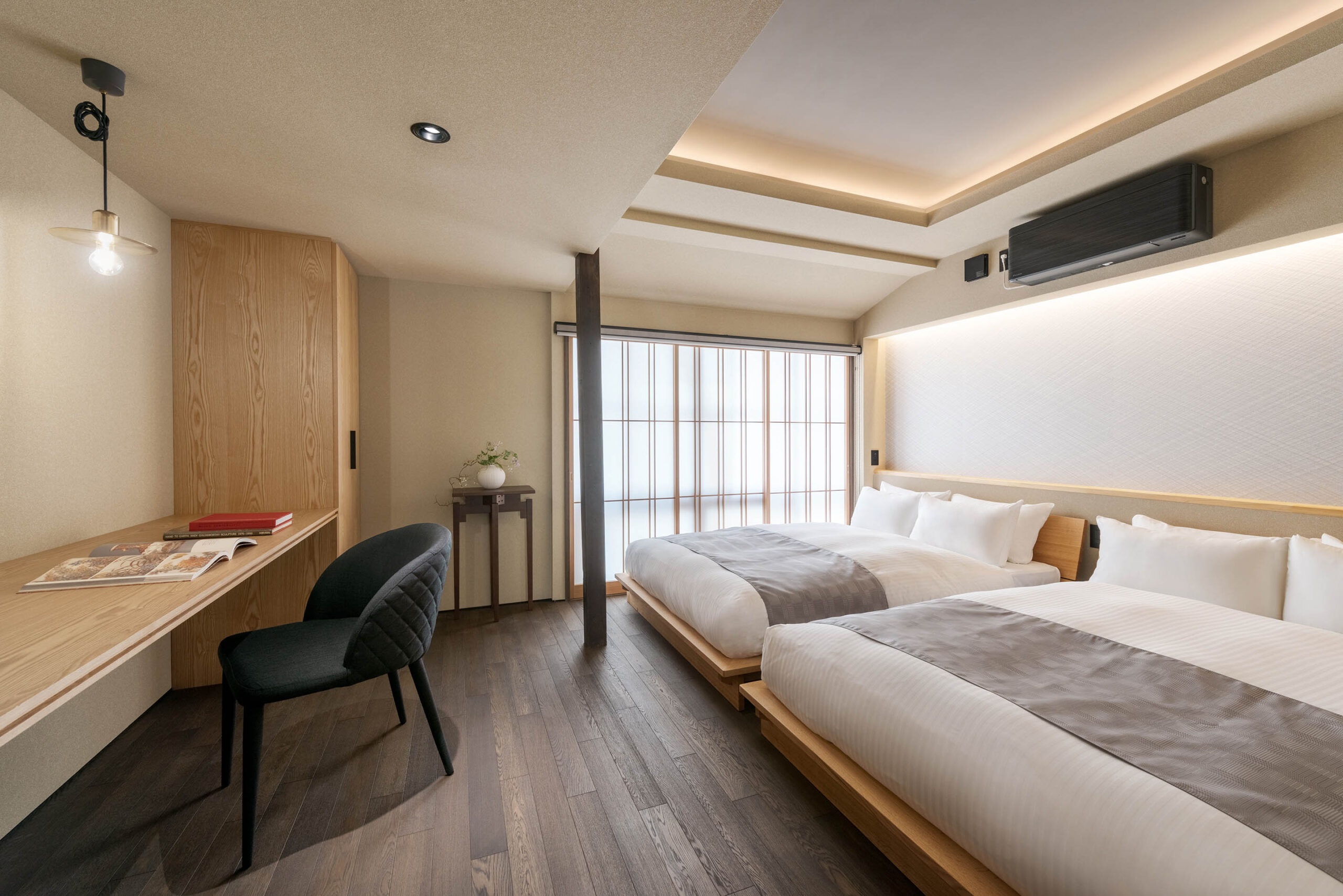
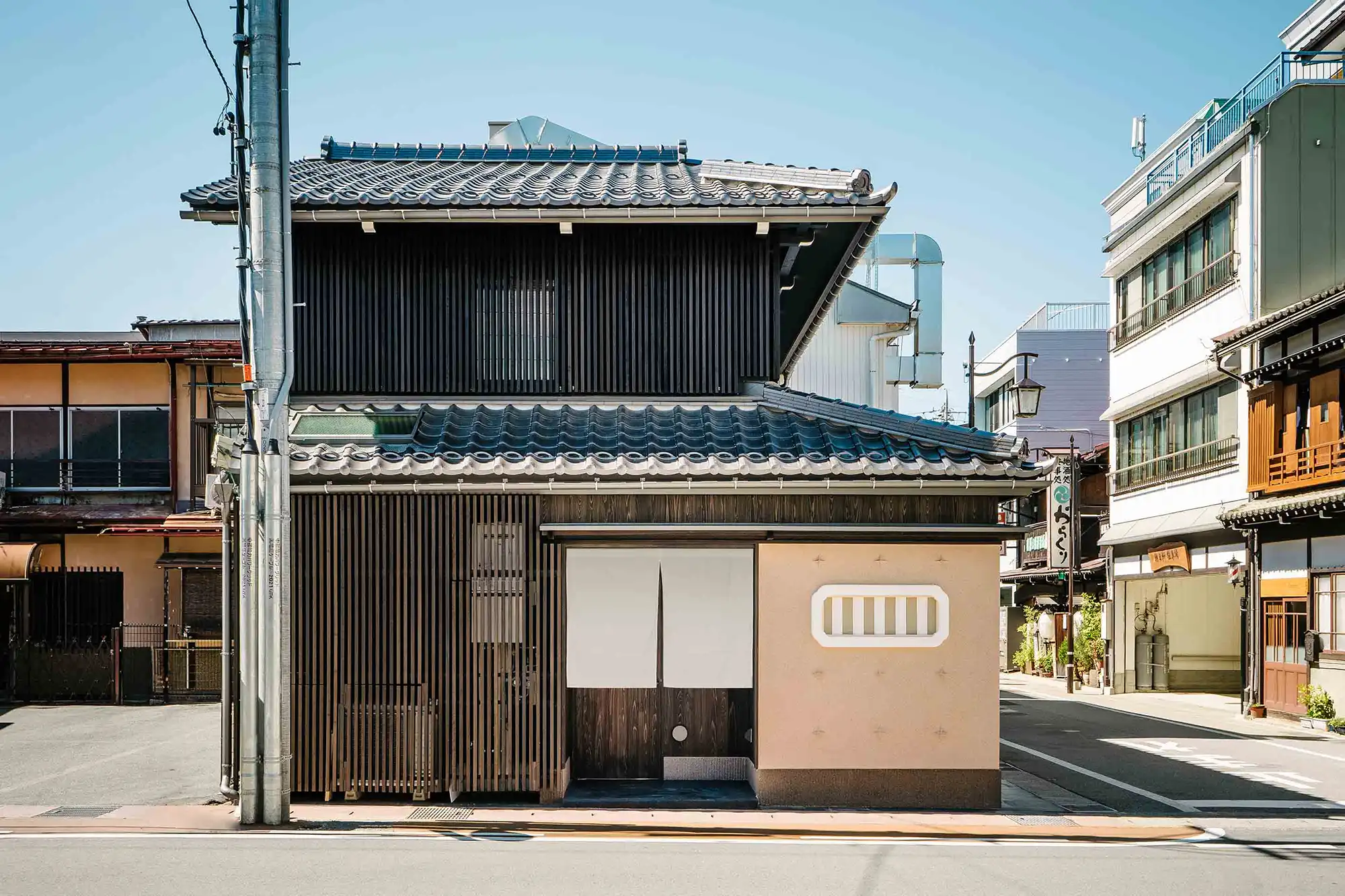
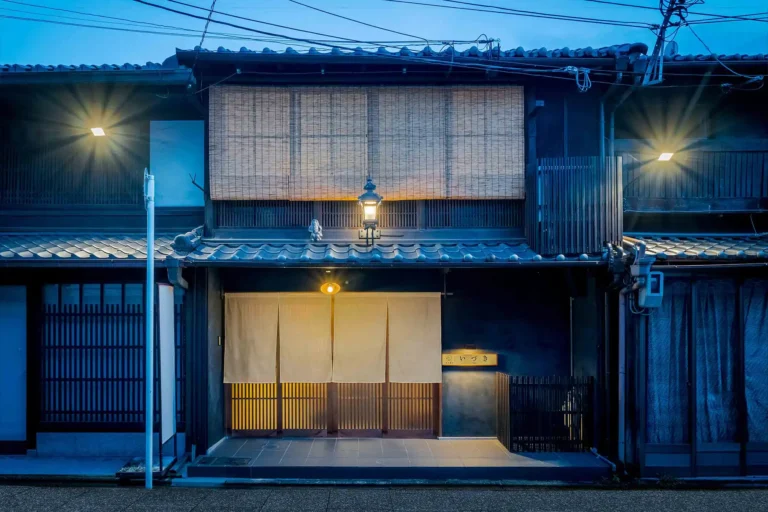
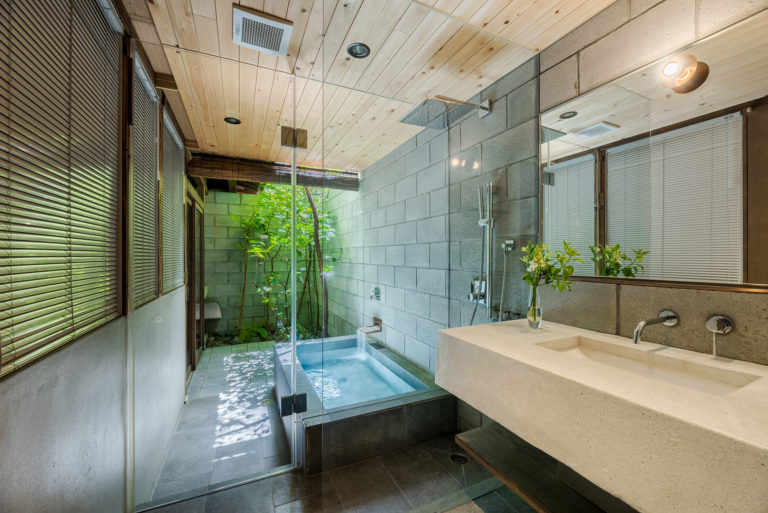
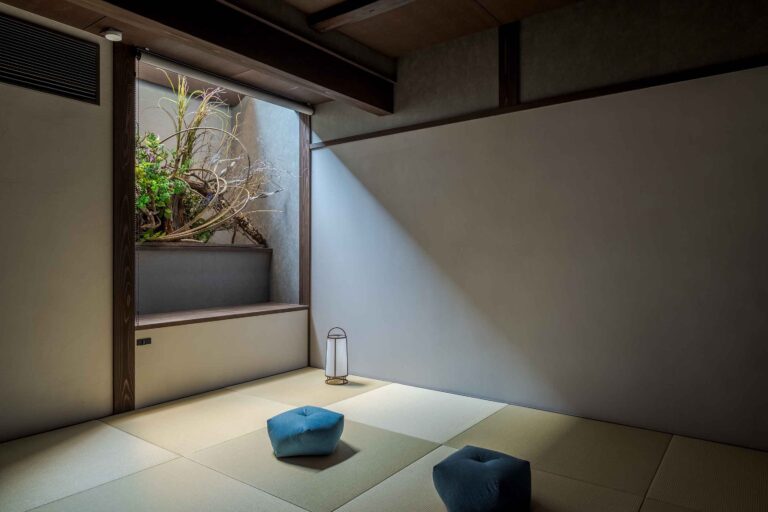
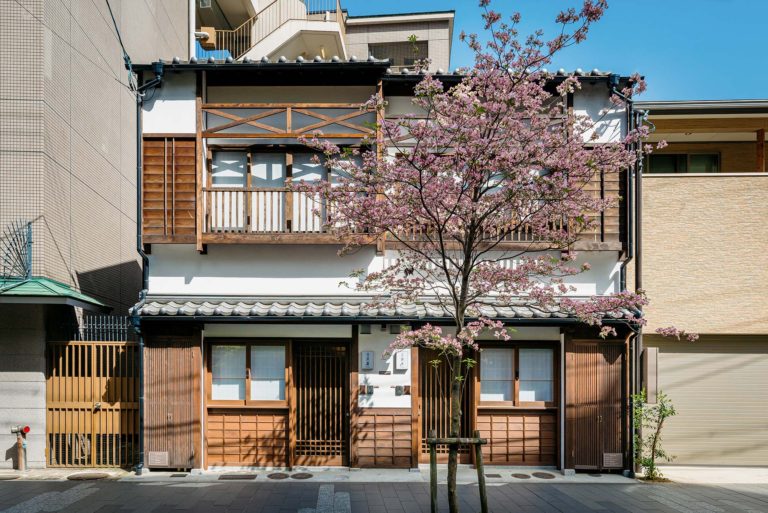
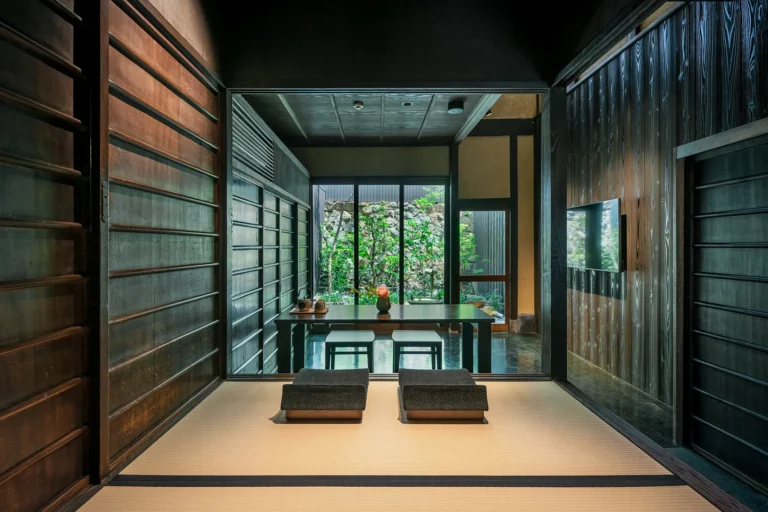
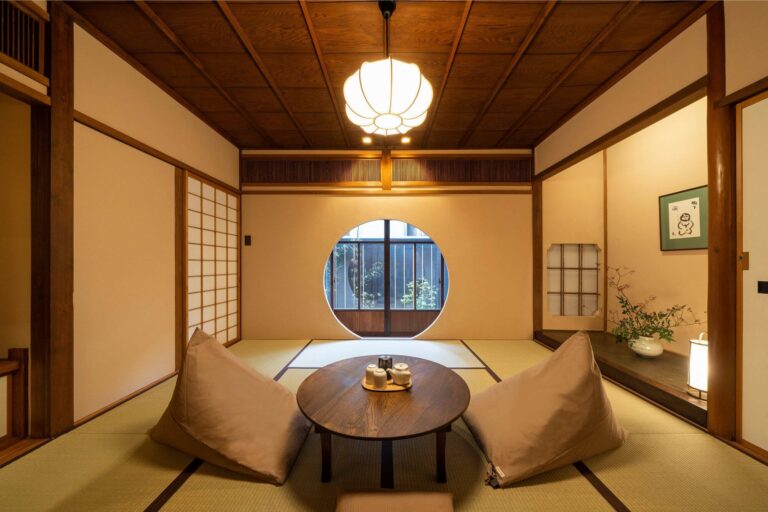
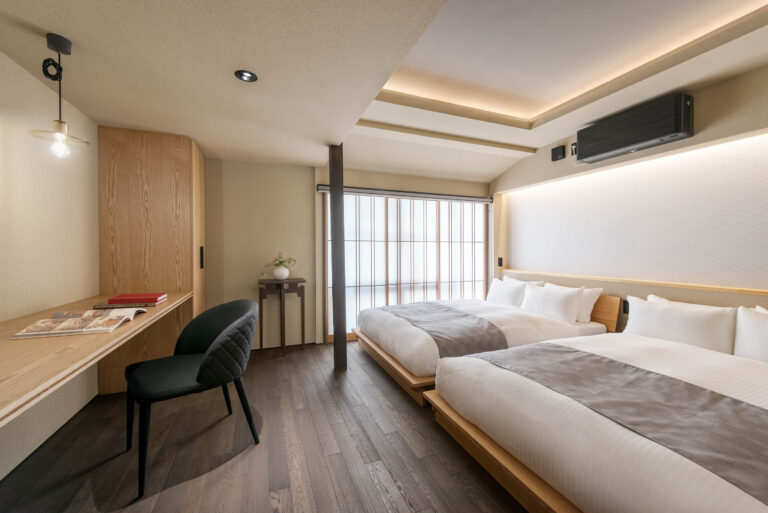
If you’re ready to plan your visit, MACHIYA INNS & HOTELS can help you find the right private Japanese holiday house to base your Kyoto travels. Many of our Kyoto machiya are within easy walking distance of Gion, Pontocho, Miyagawacho, even Shimabara area, putting the hanamachi culture right outside your door.
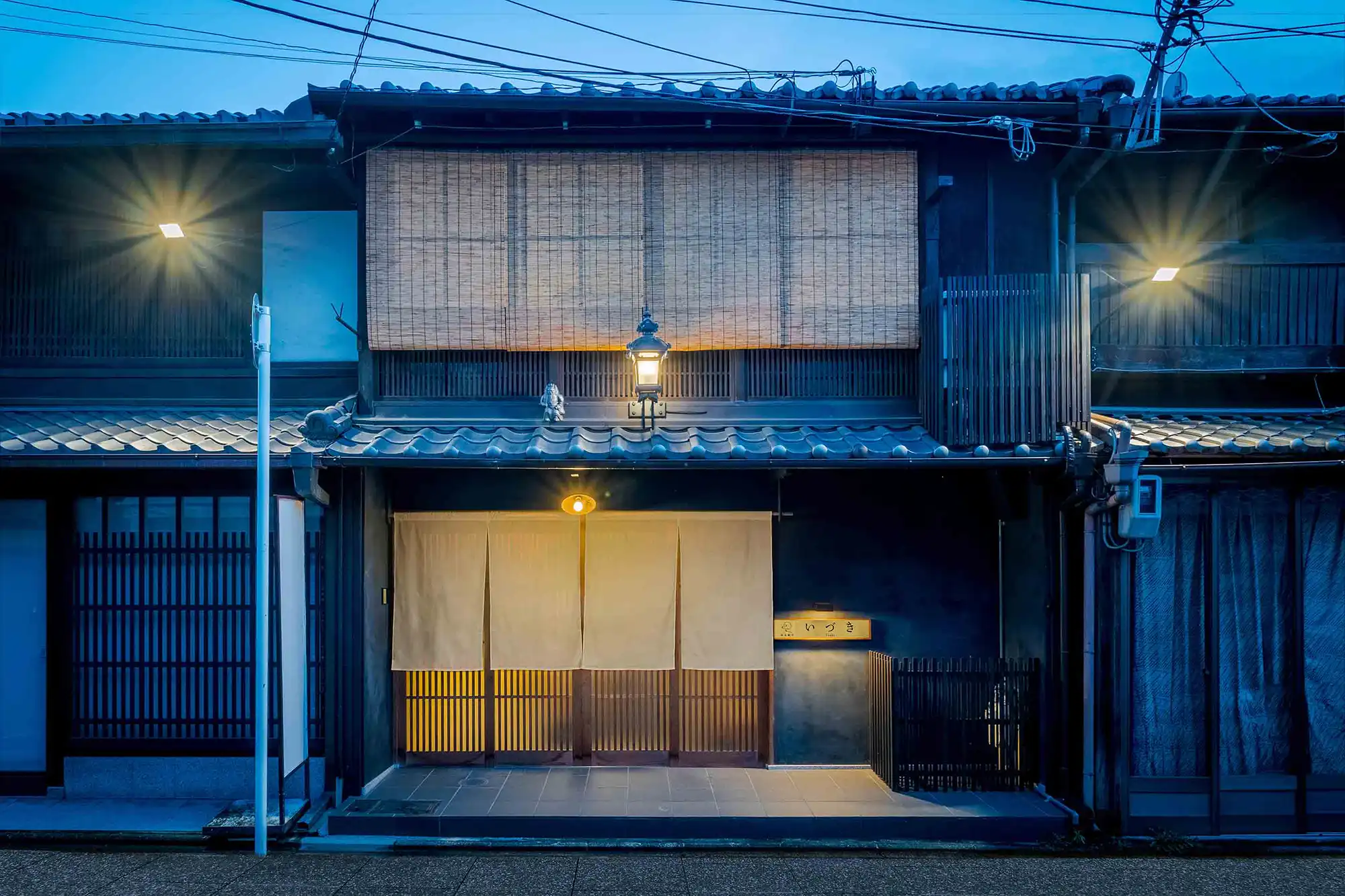
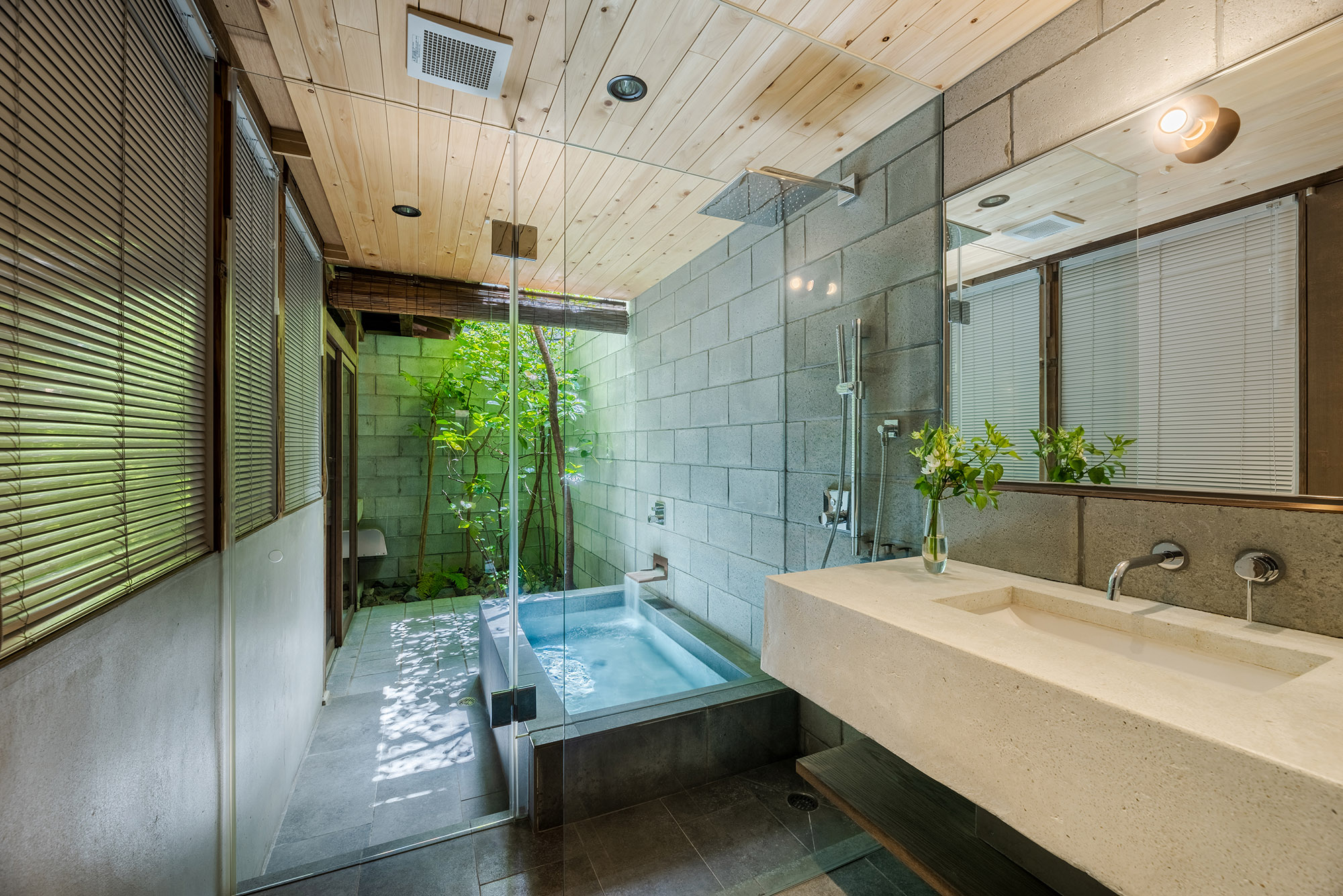
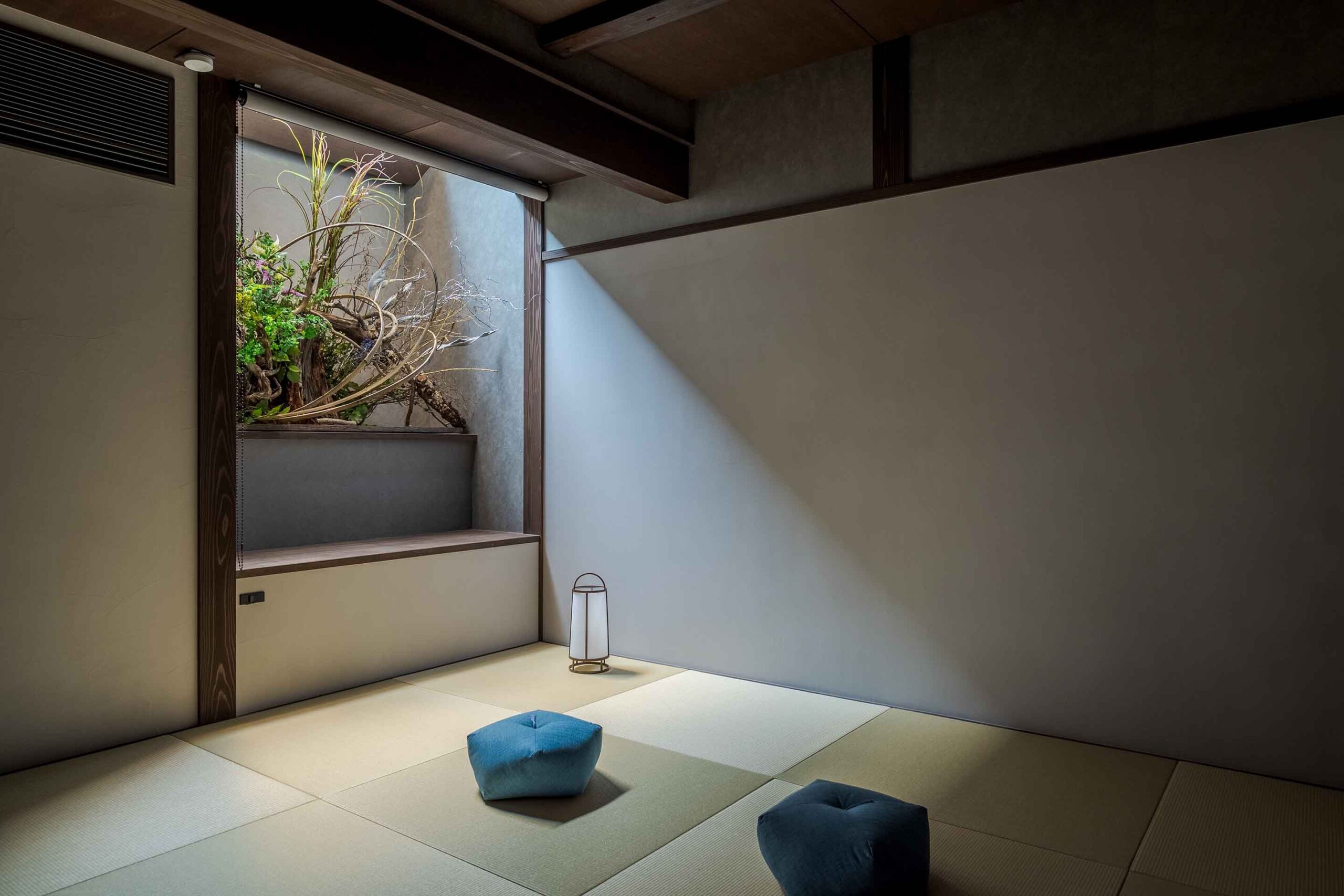
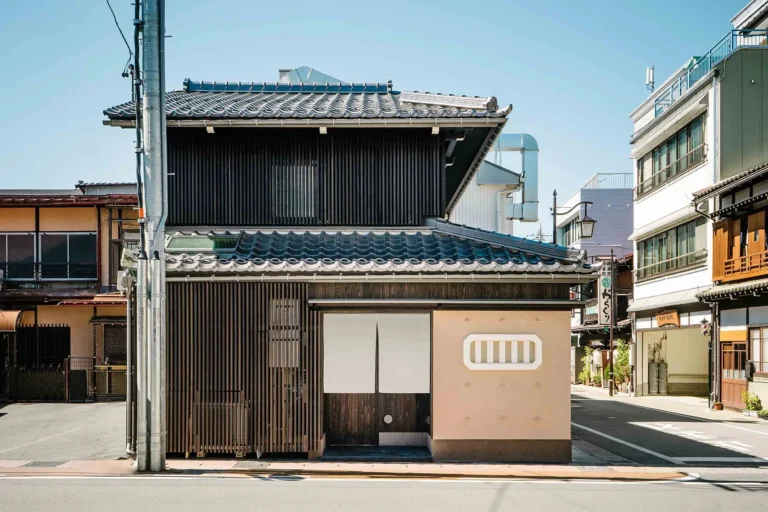


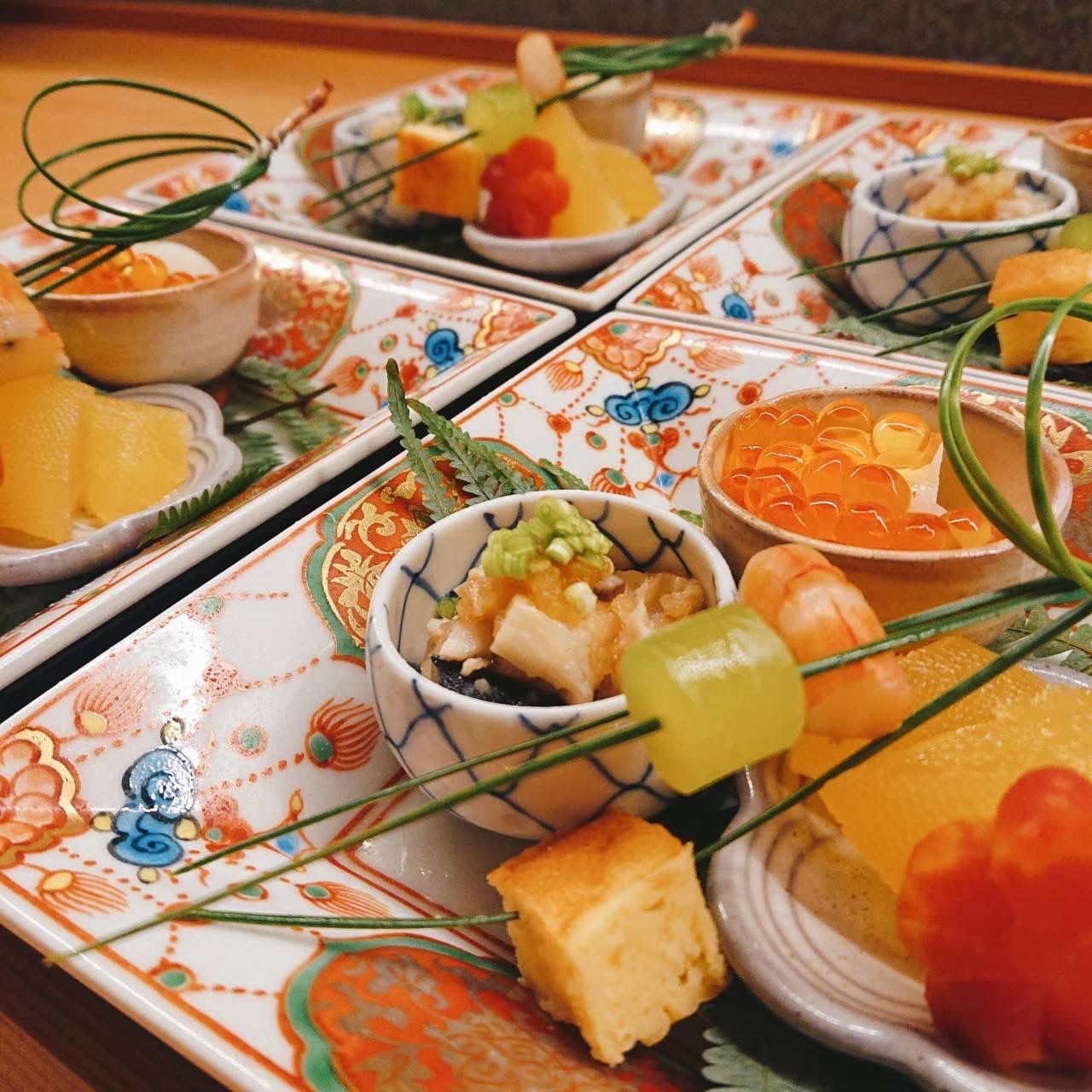
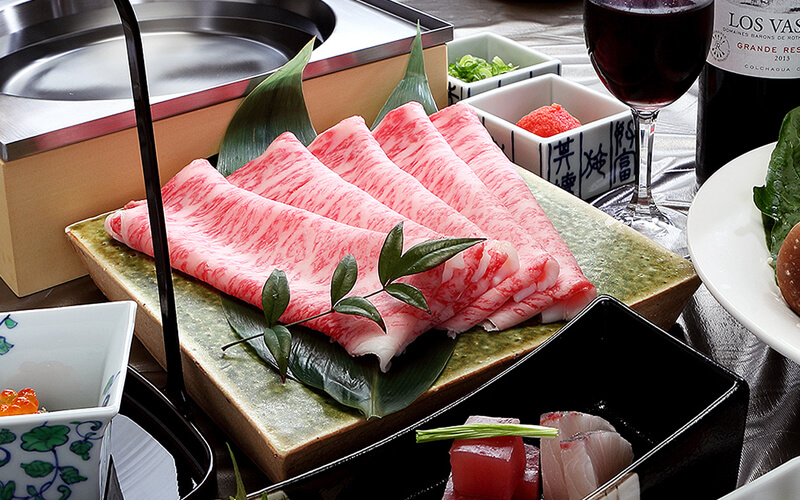
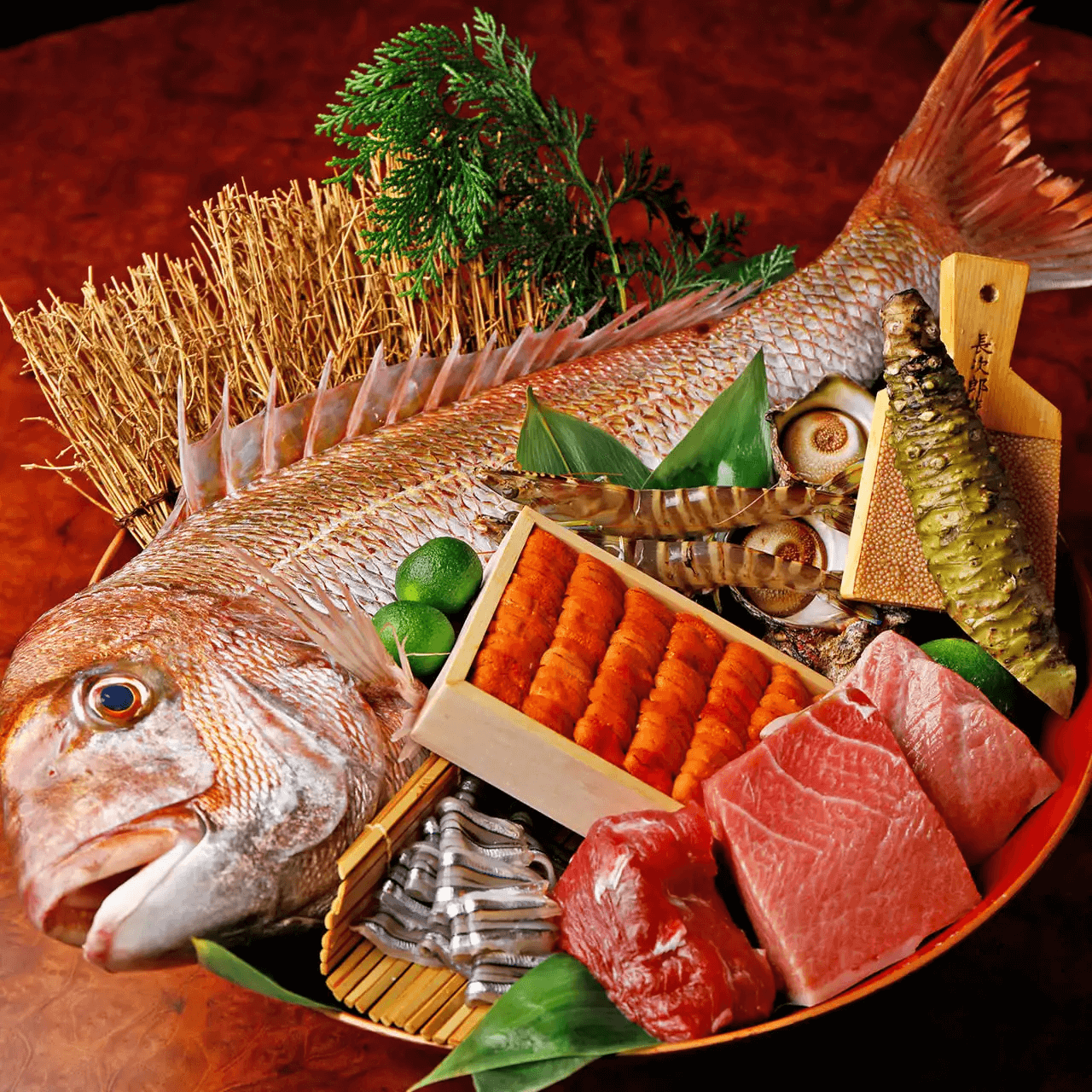
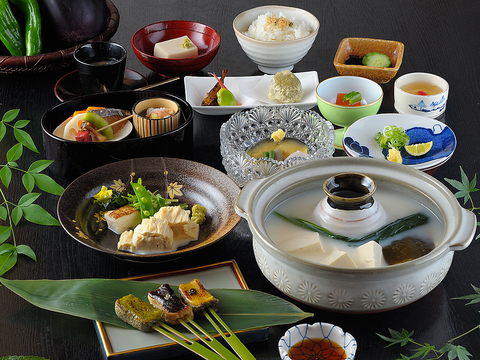
Book a table at locally-loved restaurants to enjoy exquisite kaiseki (course-style) Japanese dinners.
 ×
×