Last updated: 2026/06/05
Are you planning to fly to Japan in 2026?
Organizing travel to Japan, especially if it’s your first visit, can be complicated. There is so much to arrange before you fly, and it can be easy to lose track.
To help you prepare for your trip, we’ve made a list of the most important steps to take or keep in mind before and after flying to Japan.

Before even traveling to Japan, there are multiple things to keep in mind before boarding your flight. Go over this list well ahead of your travels so you’re not scrambling at the last minute.
Visit Japan Web is an online resource packed with helpful information for anyone traveling to Japan in 2026. But even more importantly, you can use the Visit Japan Web service to register your immigration and customs details before you fly. The website generates QR codes to streamline the arrival process and help you enter Japan more efficiently.
Major Japanese travel hubs (e.g., Haneda, Kansai, and Narita) offer joint self-service kiosks for arrivals. You can use the kiosks to complete immigration and customs processes on a single machine instead of switching between two or more.
By the end of Japan’s fiscal year 2028 (April 2028 – March 2029), Japan will launch a new travel authorization system: Japan Electronic System for Travel Authorization (JESTA).
Gaining authorization is mandatory: visitors from over 70 visa-exempt countries will need to apply for JESTA approval before flying to Japan. The visa-exempt countries include the UK, the US, Australia, and most of Europe.
After flying to Japan, you may use a standard physical SIM card to connect to local services. Airport vending machines often sell SIM cards for you to use when traveling to Japan in 2026. But if you buy one before you travel, you may get a more competitive price and avoid waiting in line at an airport.
Alternatively, you may prefer an eSIM. You can buy an eSIM plan before you travel and connect to a Japanese network when you arrive.
If you’re traveling as a large group or family, a pocket Wi-Fi could be the best and most affordable option: a portable router that establishes a private hotspot anywhere. With your own Wi-Fi signal, you can hop online using a phone, tablet, or laptop.
For more guidance on going online, read our Japan Travel Tips: Internet Access While Traveling in Japan guide.
Another important tip to know before traveling to Japan is the importance of rechargeable IC (Integrated Circuit) cards. An IC card is one of the most popular ways to pay for subway, bus, and train tickets. But you can also pay for goods at countless vending machines and convenience stores across Japan, simply with the tap of an IC card. Some coin lockers can also be paid for using IC Cards.
You can choose from a physical IC Card or a digital IC Card for your Japan travels.
Mobile IC Cards: Often the easiest option, you can simply add a digital IC Card to your mobile device. Available via the Welcome Suica Mobile app, travelers with iPhones can download and set up the mobile app before traveling to Japan. Adding balance to the card is also a breeze via Apple Pay.
Physical IC Card: You can also purchase a physical IC Card after entering Japan. There are a number of different cards to choose from, as many areas of Japan have their own IC Cards, but the TOURIST PASMO and Welcome Suica are the most readily available to international travelers. Both are valid for a total of 28 days beginning on the date of purchase. Unlike the mobile app, it must be purchased after entering Japan, so for travelers trying to keep their checklist of things to do after arriving in Japan short, the digital IC Card may be the better option.
As of April 24, 2026, using portable power banks is banned on all flights. This is in response to a surge of incidents involving lithium-ion batteries on aircrafts. The rule applies to all flights to, from, and within Japan, even transit passengers passing through Japanese airports.
The ban regards the use of portable power banks, but passengers are still able to carry power banks in their carry-on luggage as long as they do not use them. Passengers are limited to 2 units per person, and each portable power bank must be within the capacity limit of 160 Wh. (This capacity limit could potentially be reduced further in 2027 to 100 Wh.) The ban also states that using in-seat power outlets or USB ports to charge power banks is also prohibited.
The restriction specifically targets mobile batteries, which are defined as power banks used to charge other devices. There are currently no restrictions on carrying spare batteries under 100Wh for devices such as cameras or drones.
Be aware that power banks cannot be placed within checked luggage. They must be carried on carry-on baggage, and also must stay within easy reach. This means they cannot be placed in any luggage stored in overhead compartments.
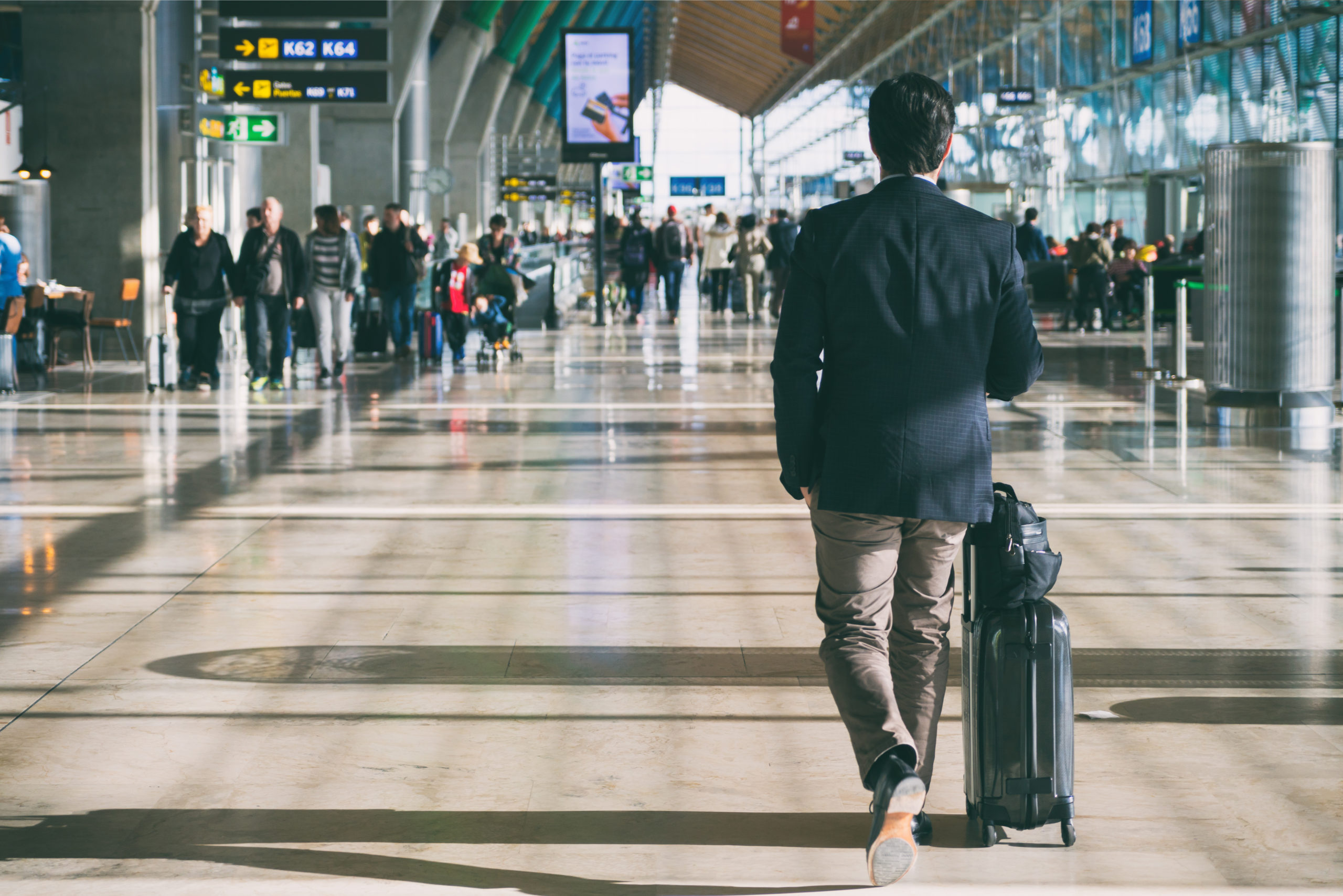
After arriving in Japan, there are a number of tasks to take care of before leaving the airport. Keep this list handy so you don’t forget!
Can’t exchange cash for yen before traveling to Japan in 2026? Do it at the airport after you land. You can pay for many goods and services with a card or digitally, but some businesses may insist on cash (especially in remote areas and smaller local shops and restaurants).
Many times, the exchange rate may even be better in Japan than in your home country. For the best deal on exchanging money for Japanese Yen, check exchange rates before flying to Japan.
Forwarding your luggage to your accommodation is a simple way to make your journey faster and easier. You can arrange luggage transportation at a dedicated counter at your chosen airport. Before arranging luggage delivery, however, check with your accommodation and be sure they will be able to accept your luggage!
Arranging your eSIM, physical SIM, or pocket Wi-Fi before you travel to Japan is simple. But if you forget to do it or you don’t have time, don’t worry — you can claim them at special airport counters.
However, be aware that buying any form of SIM or pocket Wi-Fi device at airports can be more expensive than ordering in advance.
If you don’t have an IC card on your phone or other device, make sure you collect one at an airport before you explore Japan. You can start using your IC card as soon as you load money onto it.
Your Japan trip isn’t over until you’ve cleared a few important steps at the airport. From claiming your tax refund to paying the new departure tax, here’s what to take care of before you board your flight home.

A new tax refund system will be introduced on November 1, 2026. Instead of receiving a tax exemption directly at the register or service desk, you’ll pay the full tax-inclusive price at the time of purchase and claim your refund at the airport before you depart.
There’s good news for shoppers too: the new system scraps several previous restrictions, including the ¥500,000 daily spending cap on consumables and the requirement to keep items like cosmetics and food sealed in special packaging until you leave Japan.
To claim your refund, keep all receipts from tax-eligible purchases. Allow an extra 20–30 minutes at the airport for the refund process before you fly home. If you’ll be in Japan on November 1, check with individual businesses on how they plan to handle the transition between systems.
From July 1, 2026, Japan’s departure tax — officially known as the International Tourist Tax — tripled from ¥1,000 to ¥3,000 per person. The tax applies to all travelers aged two and older departing Japan by air or sea, regardless of nationality.
There are two exemptions worth knowing about: children under the age of two, and transit passengers who depart Japan within 24 hours of arrival.
The tax is automatically included in your airline or ferry ticket price, so there’s nothing to arrange separately at the airport.
Have questions about traveling to Japan in 2026?These are the most asked questions about the latest rules on power banks, taxes, and entry requirements.
Do I need JESTA to travel to Japan in 2026?
No, as JESTA is not yet in effect. The system is scheduled to launch by the end of Japan’s fiscal year 2028 (March 2029 at the latest).
How much is Japan’s departure tax in 2026? ¥3,000 per person. It applies to all travelers aged two and older departing by air or sea, including Japanese nationals. The tax is automatically included in your airline or ferry ticket price.
Can I bring a power bank on a flight to Japan in 2026? Yes, you can carry power banks in your hand luggage, but you cannot use them during the flight.
Is tax-free shopping still available in Japan in 2026? Yes, but the process is changing from November 1, 2026. Before, the tax is deducted instantly at the register. From November 1, you’ll pay the full price including tax and claim a refund at the airport before departure. The minimum spend of ¥5,000 per store per day still applies.
Do I need to register on Visit Japan Web before I fly? Not mandatory, but highly recommended. Registering makes the arrival process in Japan faster and smoother.
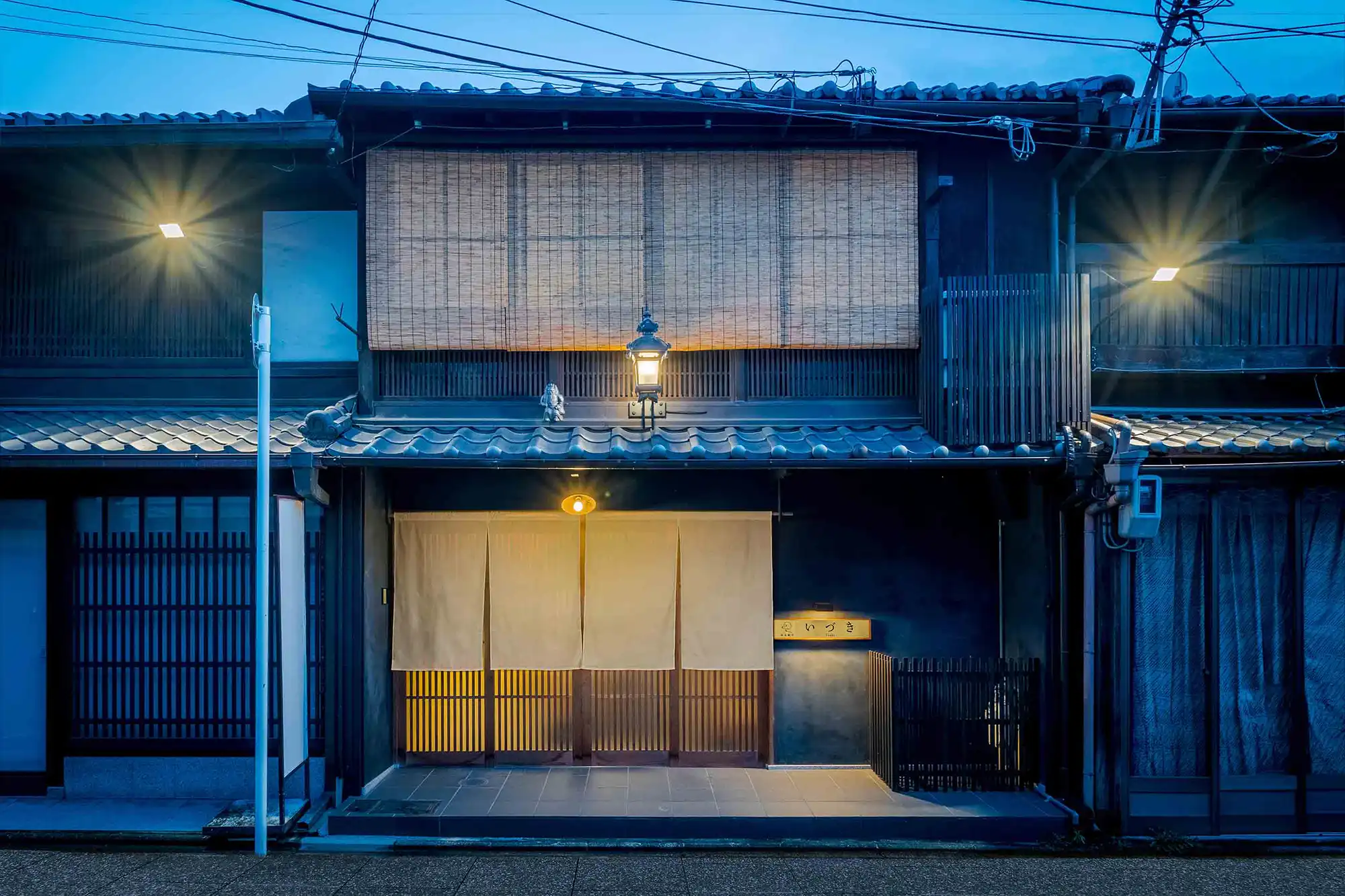














MACHIYA INNS & HOTELS, specializes in traditional Japanese-style accommodations, including restored, private machiya holiday homes and boutique machiya hotels that blend authentic Japanese architecture with modern facilities.
To find out more, take a look at the official MACHIYA INNS & HOTELS website to find the perfect machiya accommodation for your next visit to Japan!


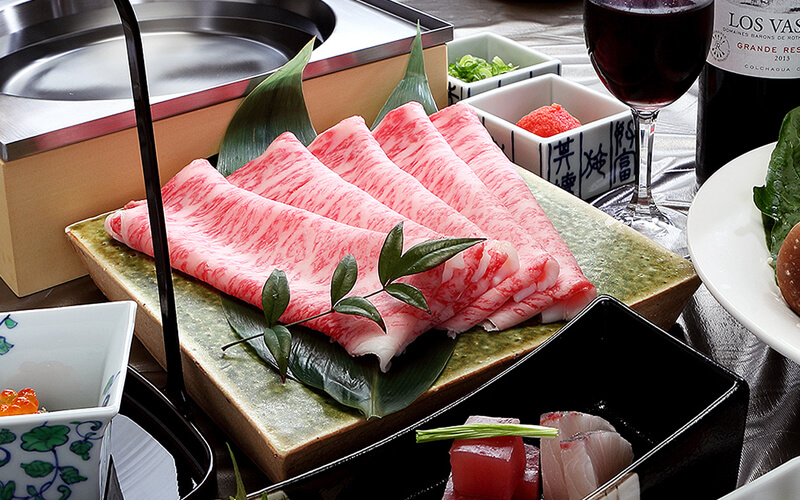
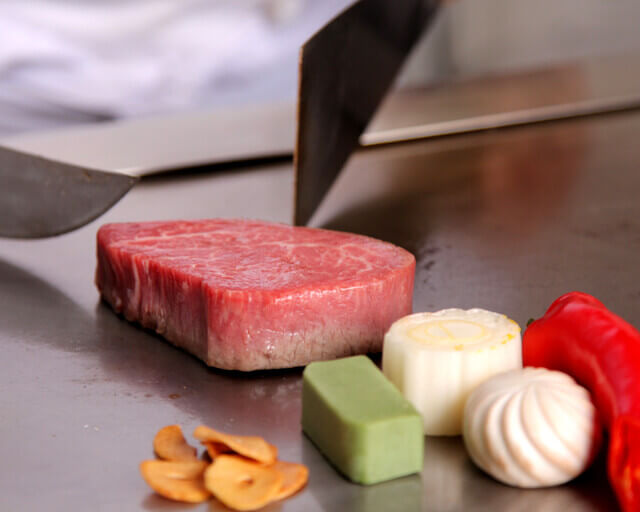
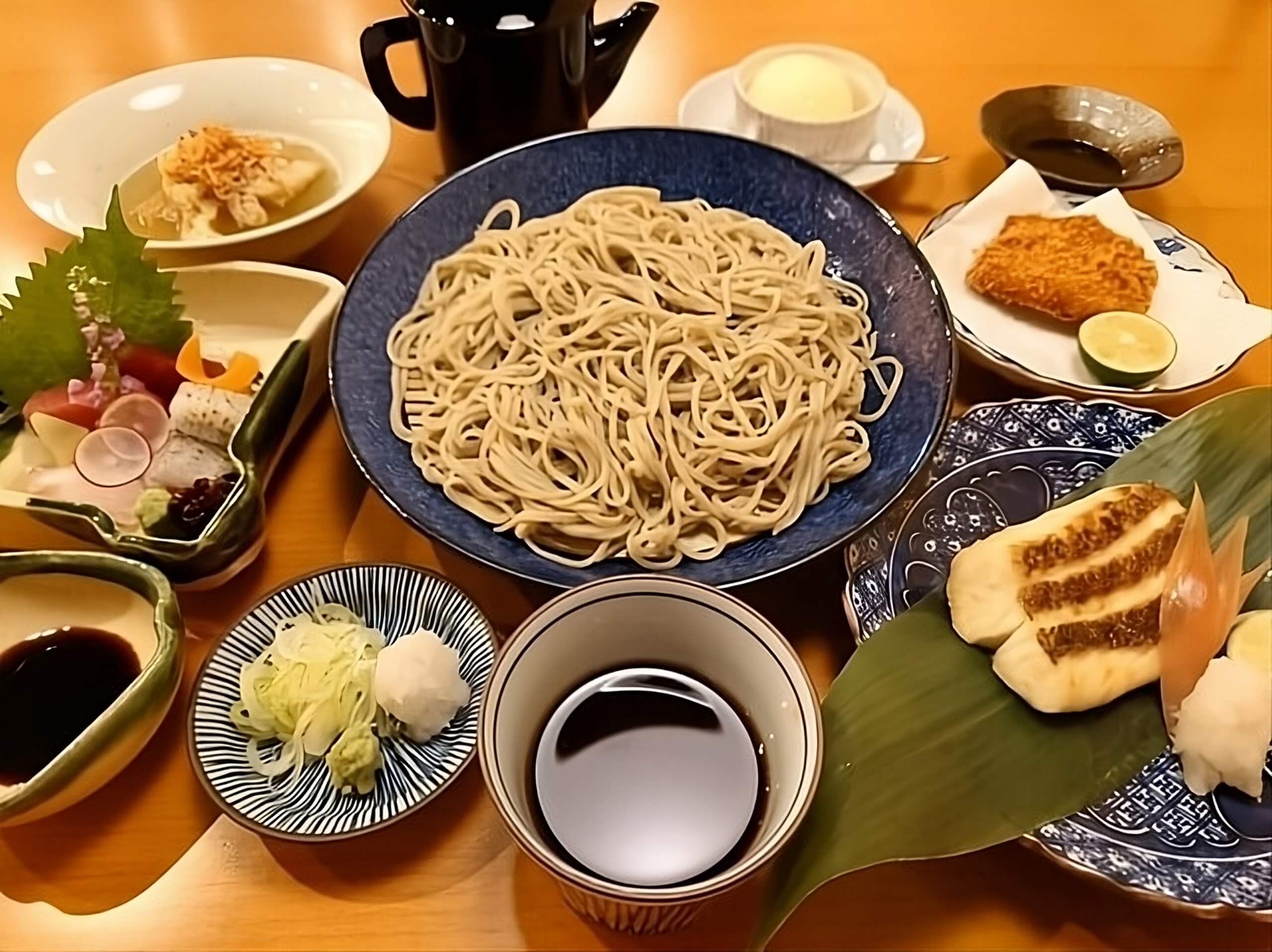
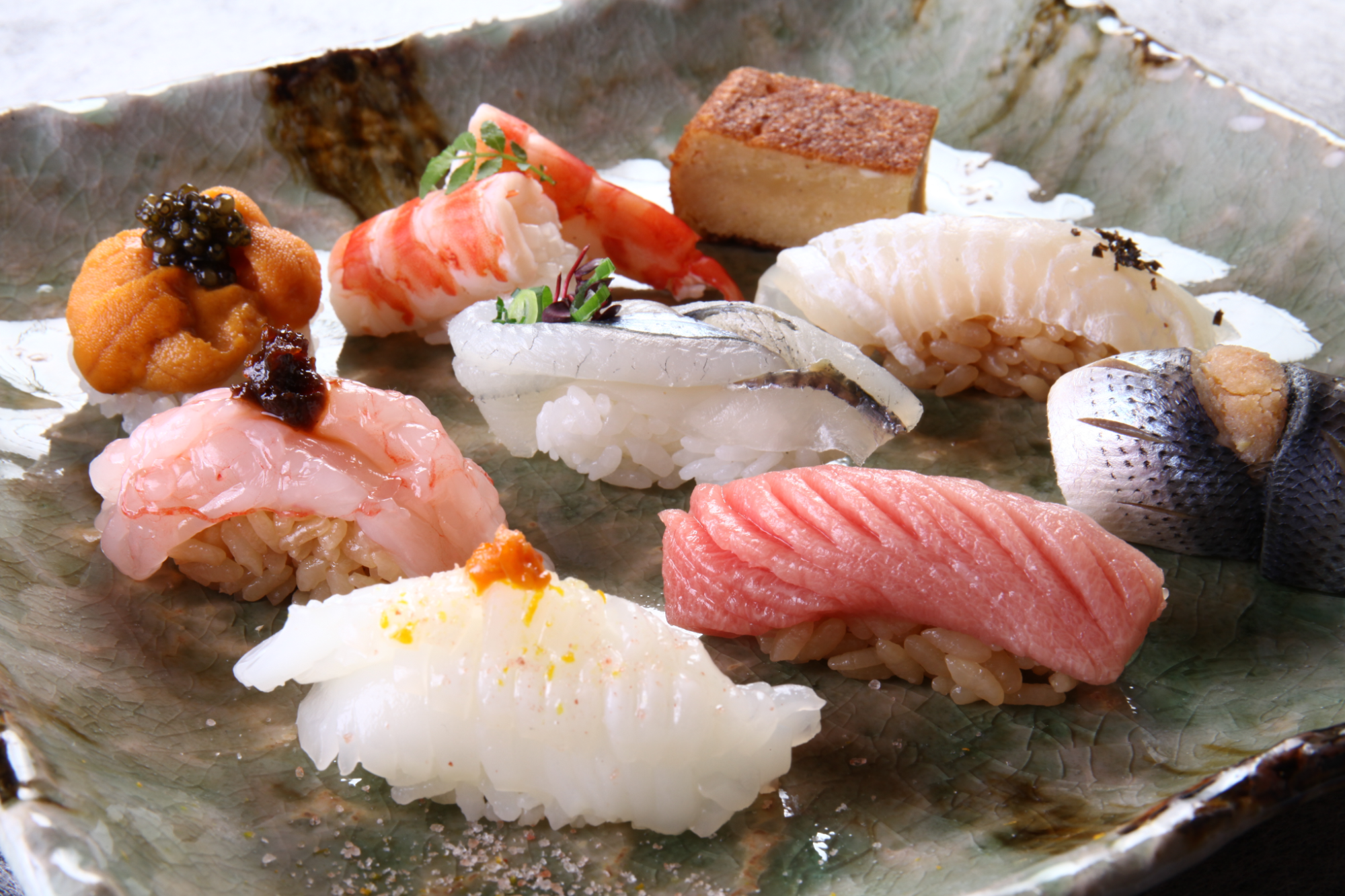
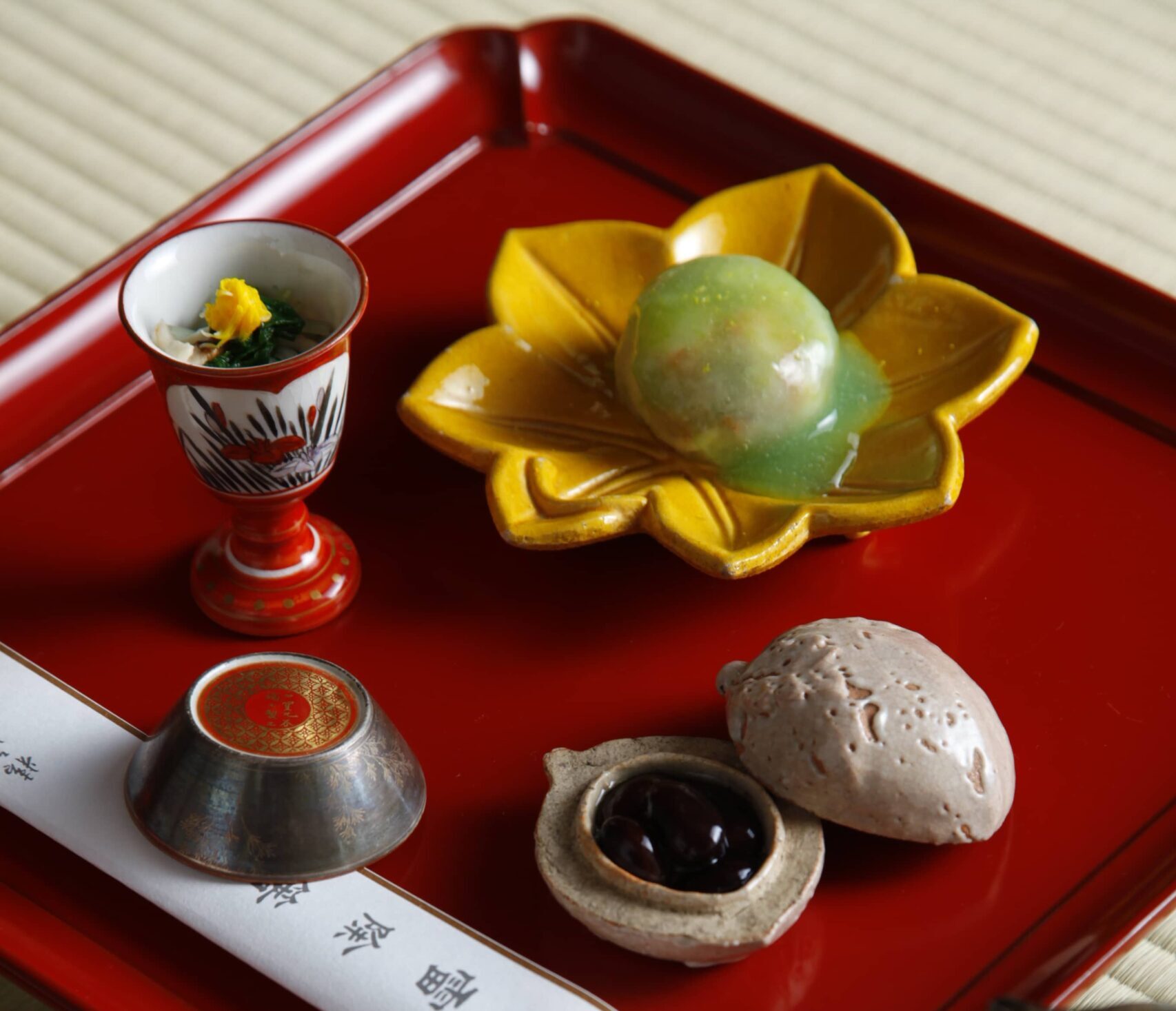
Book a table at locally-loved restaurants to enjoy exquisite kaiseki (course-style) Japanese dinners.






 ×
×