If you’re planning a trip to Japan in 2026, there’s one small but important detail to be aware of: the Japan accommodation tax (also known as city tax or hotel tax).
Whether you’re traveling to Kyoto for the cherry blossom season or you want to sample the finest cuisine Tokyo has to offer, this tax is a required expense for all travelers, both domestic and international, staying in many cities in Japan. Currently applied in select cities across Japan, the accommodation tax is set to expand to additional locations in the coming years.
But what exactly is the Japan accommodation tax, and why do you need to pay it? Although it can be confusing for first-time visitors to Japan, you’ll know all you need once you finish our guide on what it is, where you’ll pay, and how much you should budget.
The Japan Accommodation Tax is a local tax charged when staying at hotels, ryokans, machiya, and other registered accommodations in specific cities throughout Japan.
Not every city in Japan currently requires guests to pay this tax, but it is becoming more common across the country. Additional cities are expected to implement the accommodation tax in 2026. But just why was it created in the first place? The tax was created to support local tourism infrastructure and communities throughout Japan. All travelers (both domestic and international visitors) contribute to vital maintenance work that continues to keep Japan a special destination for everyone. Tax revenue funds maintenance on historic areas, public transportation improvements, and enhanced visitor facilities and services.
There is no nationwide flat fee for the accommodation tax. The tax amount varies by city and depends on the room rate per person per night. Keep reading below for more information:
As of February 2026, accommodation taxes are required in the following cities and prefectures:
HOKKAIDO Area
TOHOKU Area
KANTO Area
TOKAI Area
HOKURIKU Area
KINKI Area
SHIKOKU Area
KYUSHU Area
Starting in 2026 and beyond, more destinations are preparing to introduce the accommodation tax. The following cities and prefectures have confirmed plans to introduce the accommodation tax in 2026:
April 2026:
June 2026:
July 2026:
October 2026:
Additional cities may announce accommodation tax plans in the future. Check with your reserved accommodation to confirm current tax requirements.
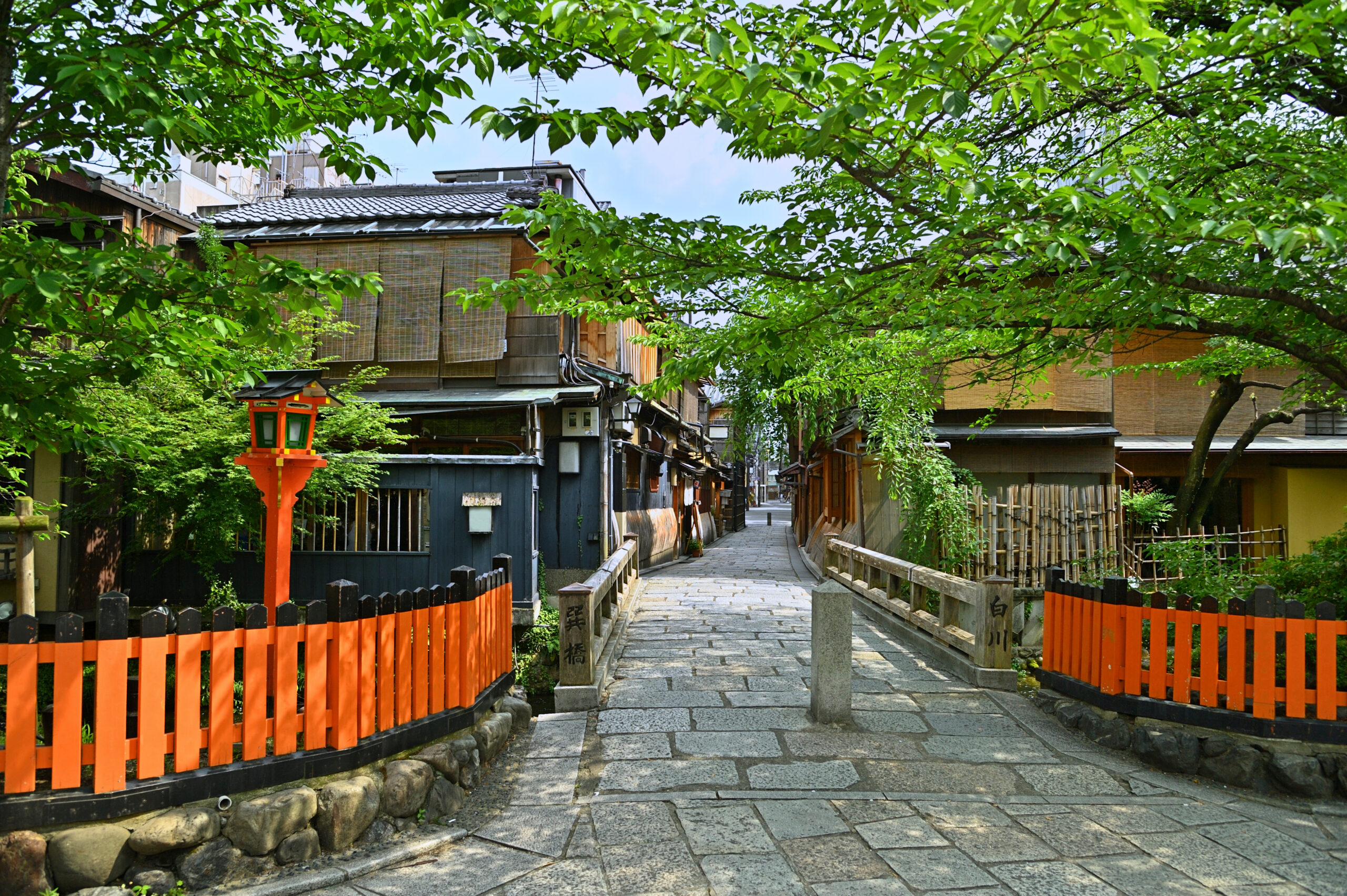
Kyoto City first introduced an accommodation tax system for all overnight stays in October 2018. As one of Japan’s most visited cities, Kyoto implemented a rate adjustment on March 1, 2026, to better support tourism infrastructure and services.
For most travelers staying in budget and mid-range accommodations, the cost remains modest at ¥200 to ¥1,000 per night. Guests staying in luxury accommodations will pay a higher tax rate based on their room price.
| Accommodation Price per Night per Person |
Current Tax | From March 2026 |
| Under ¥6,000 | ¥200 | ¥200 |
| ¥6,000 ~ ¥19,999 | ¥200 | ¥400 |
| ¥20,000 ~ ¥49,999 | ¥500 | ¥1000 |
| ¥50,000 ~ ¥99,999 | ¥1000 | ¥4000 |
| ¥100,000 and above | ¥1000 | ¥10,000 |
This accommodation tax directly benefits all visitors to Kyoto by funding improvements to tourist services, maintaining historic sites, transportation system, and enhancing each visitor’s overall travel experience. The tax ensures Kyoto can continue welcoming travelers while preserving what makes the city special.
For detailed information about tax rates and exemptions, read our complete guide to the Kyoto City accommodation tax.
Tokyo was the first city in Japan to introduce the accommodation tax. While there are no plans to change the tax system in 2026, preparations are underway to update the system in 2027. Current rates for visitors are:
Tokyo plans to adopt a more streamlined model in 2027. Payments will switch from the current flat fee structure to a percentage based system at 3% of the room rate. This change will create greater clarity and reduce confusion for both visitors and accommodation providers.
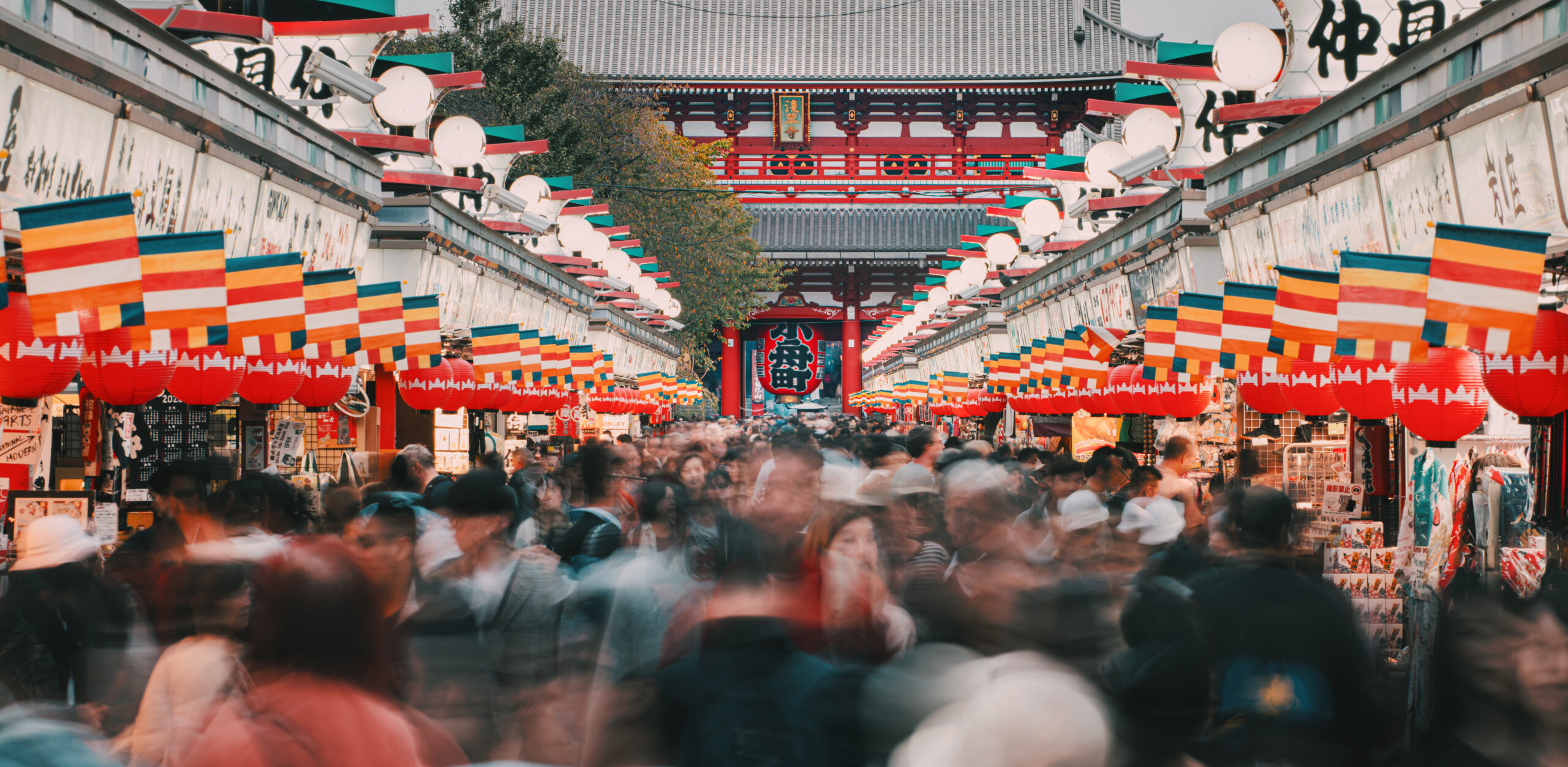
The accommodation tax will also expand to include vacation rentals and minshuku (which were previously exempt), ensuring tax consistency across all accommodation types in Tokyo.
These changes are designed to provide several benefits for visitors:
This tax update is still in the proposal stage with a public comment period for feedback from locals, so details could change before implementation.
Whether visiting Tokyo, Kyoto, Osaka, or any other city with accommodation tax, proper preparation will help ensure a smooth check-in experience. Follow these tips when planning your visit:
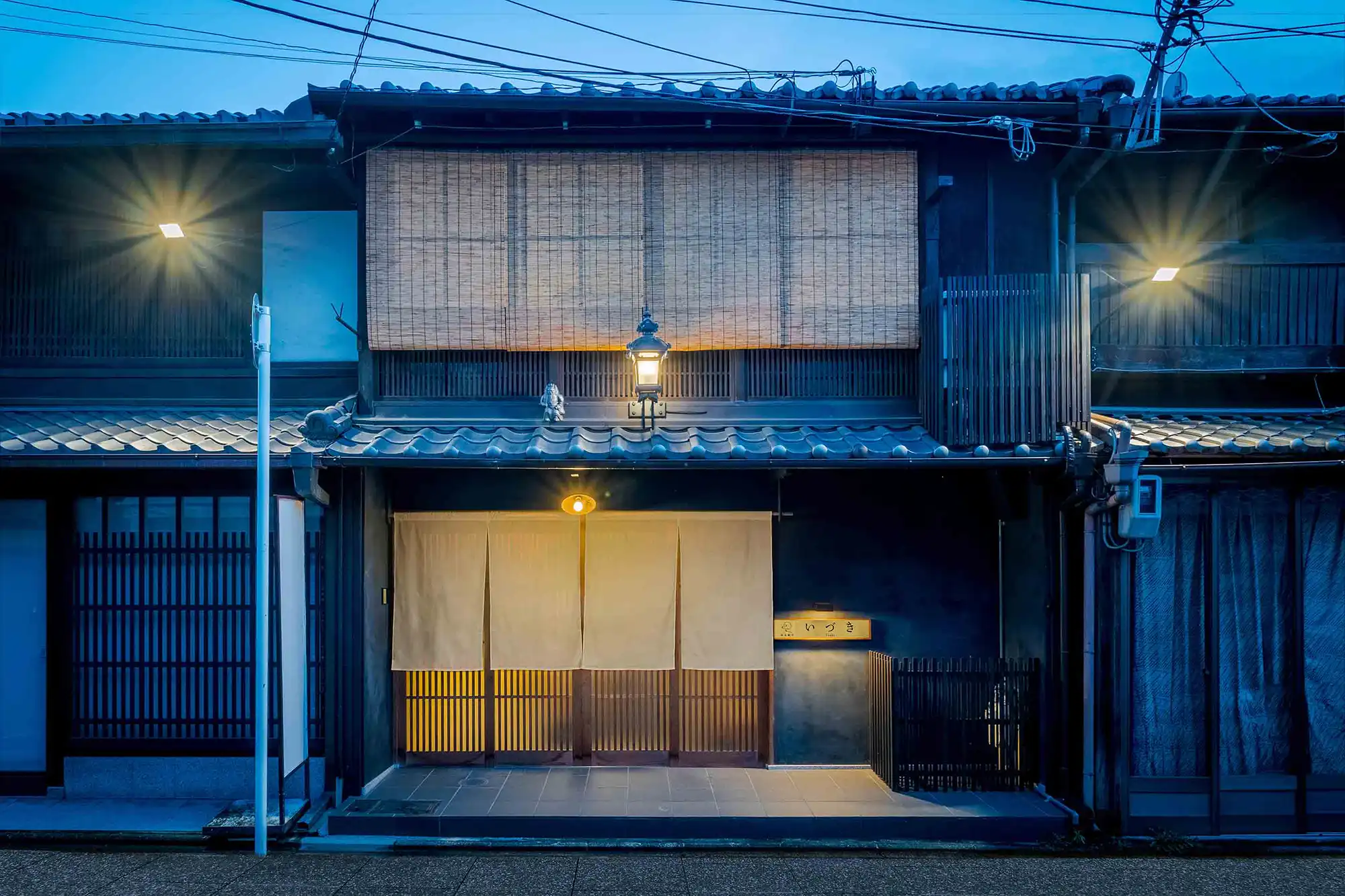
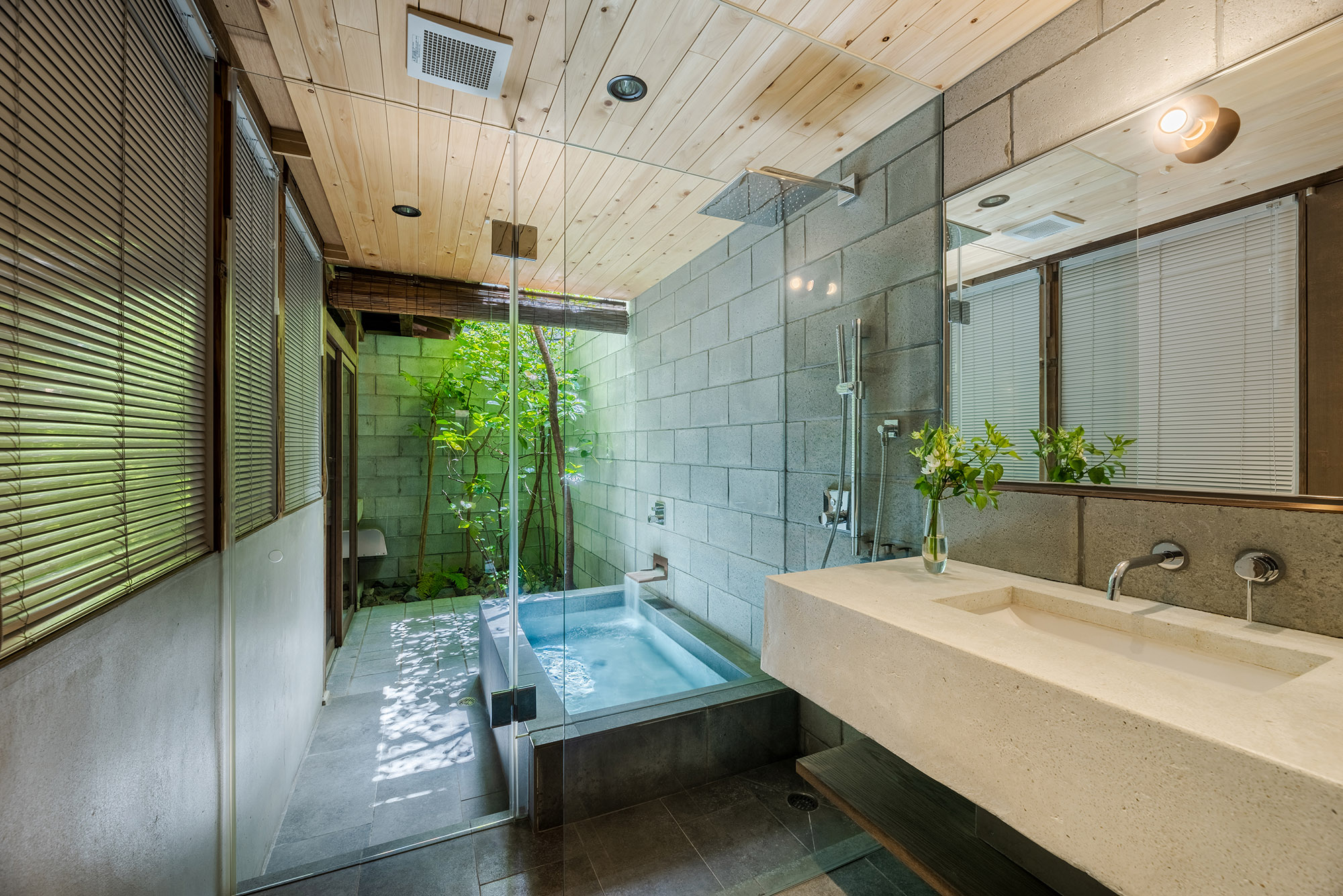
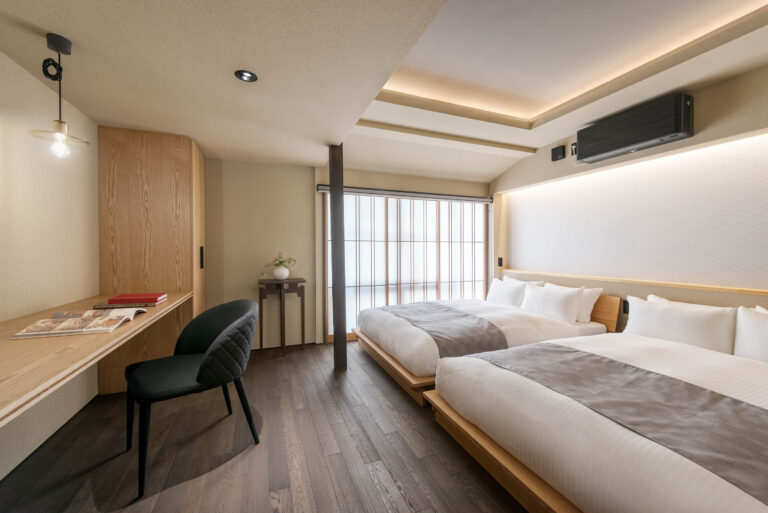
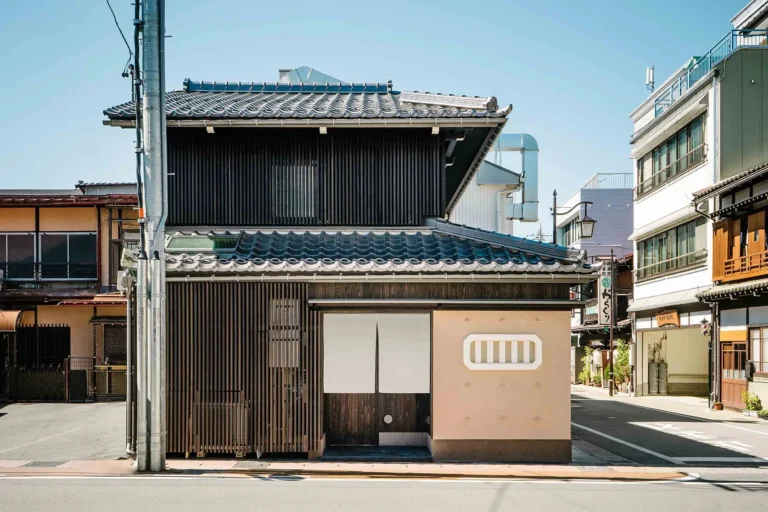
Understanding the accommodation tax rules and updates will help you plan your 2026 visit to Japan. You can factor this daily rate into your budget and make sure you still have enough spending money for your Japanese adventure.
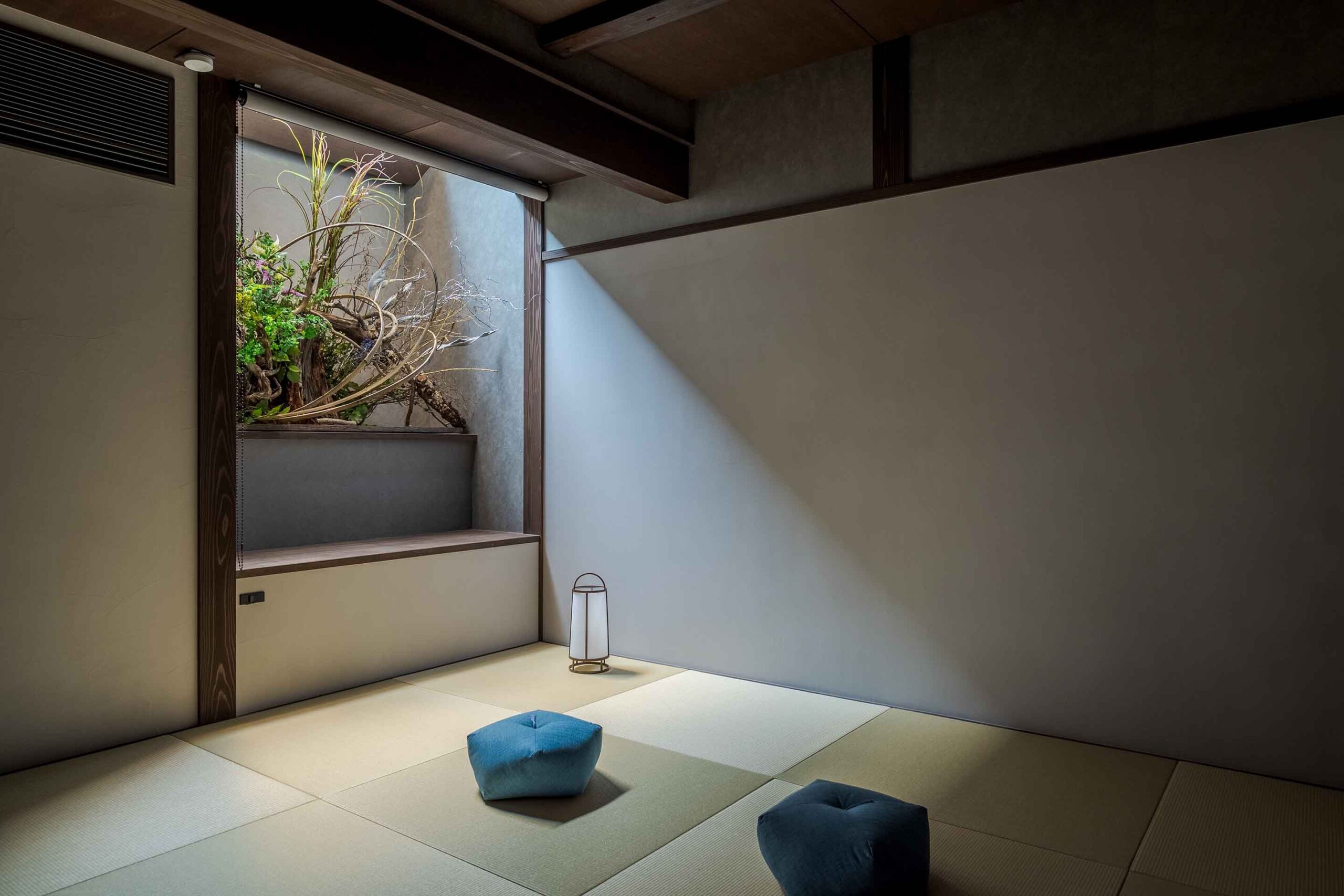
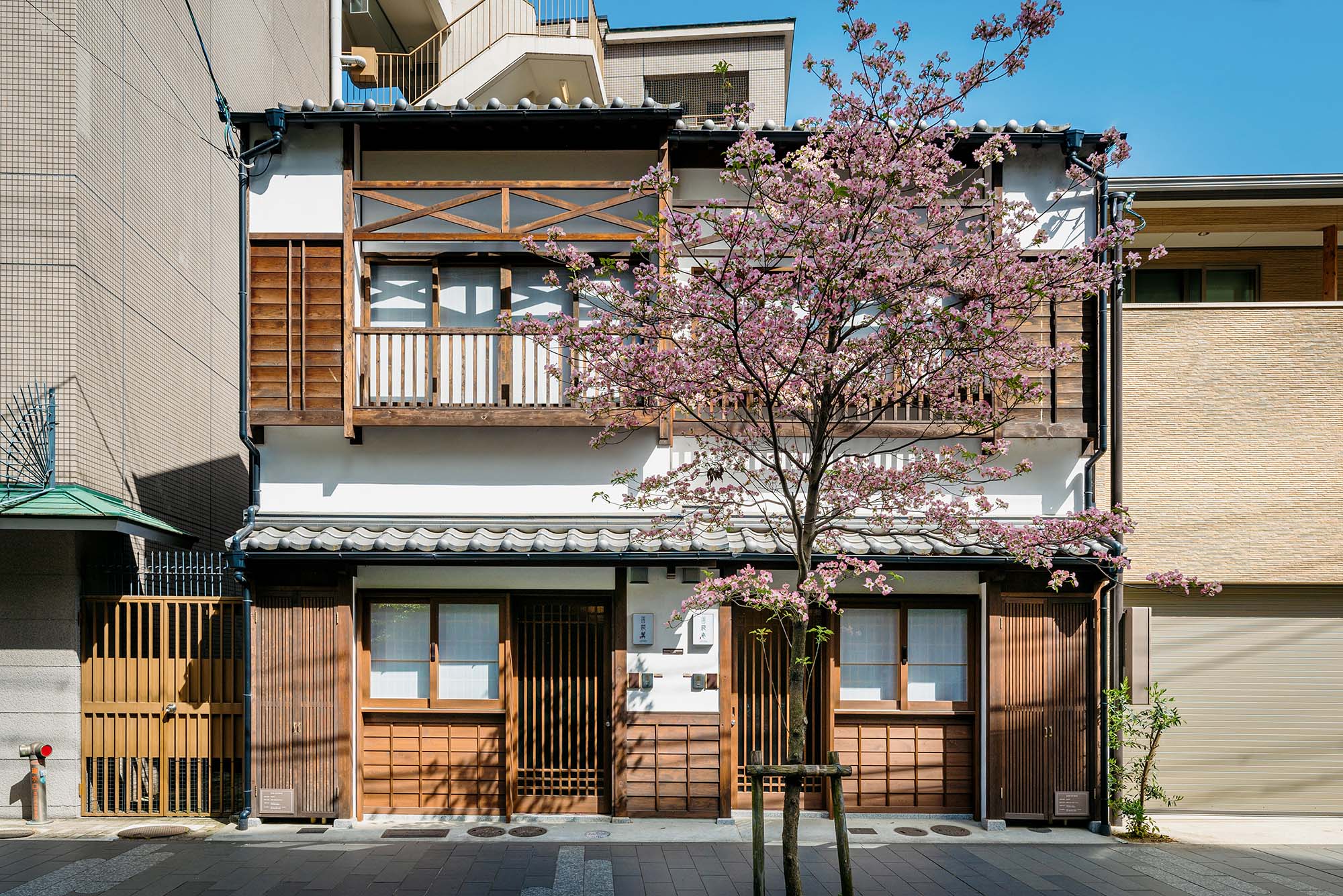
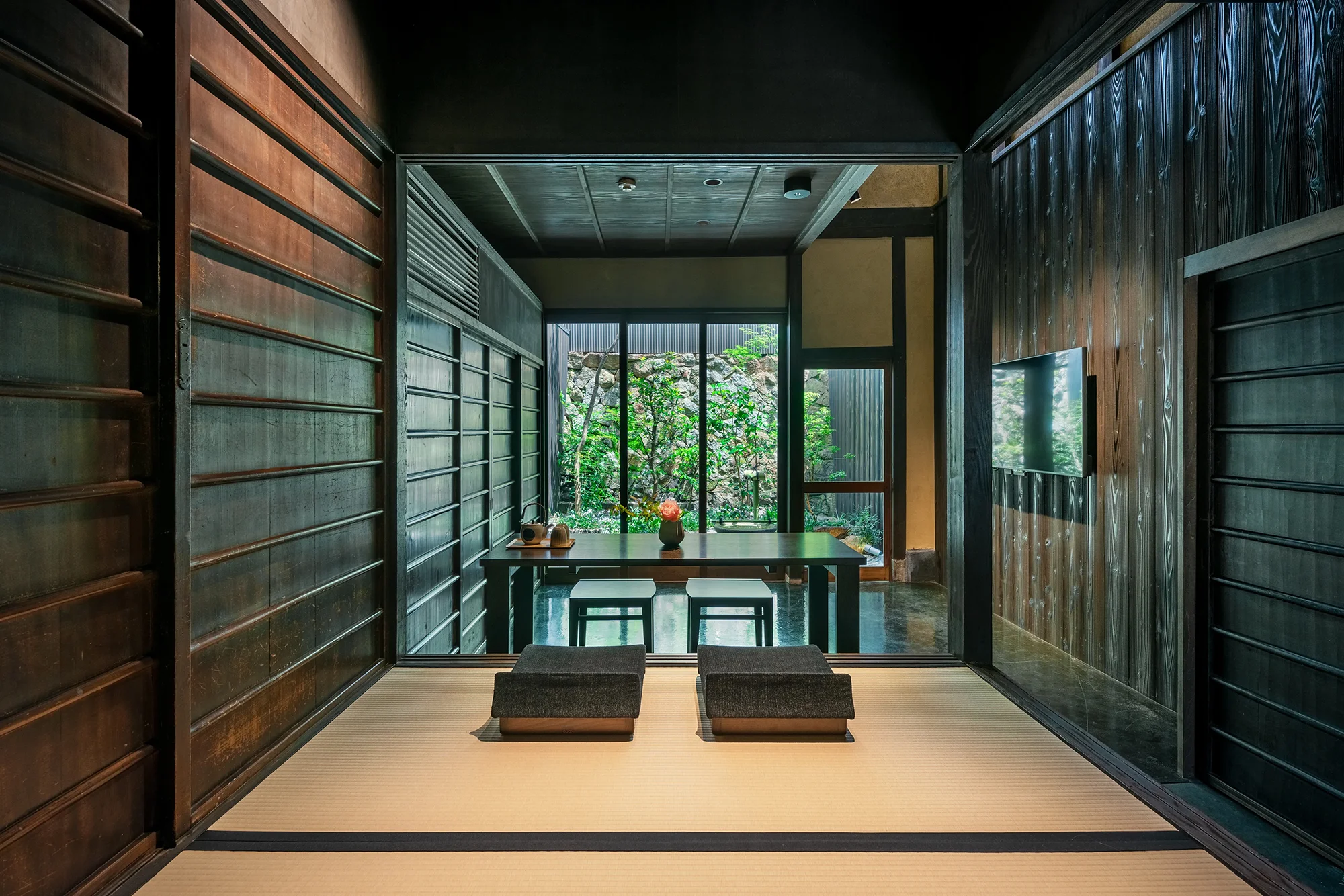
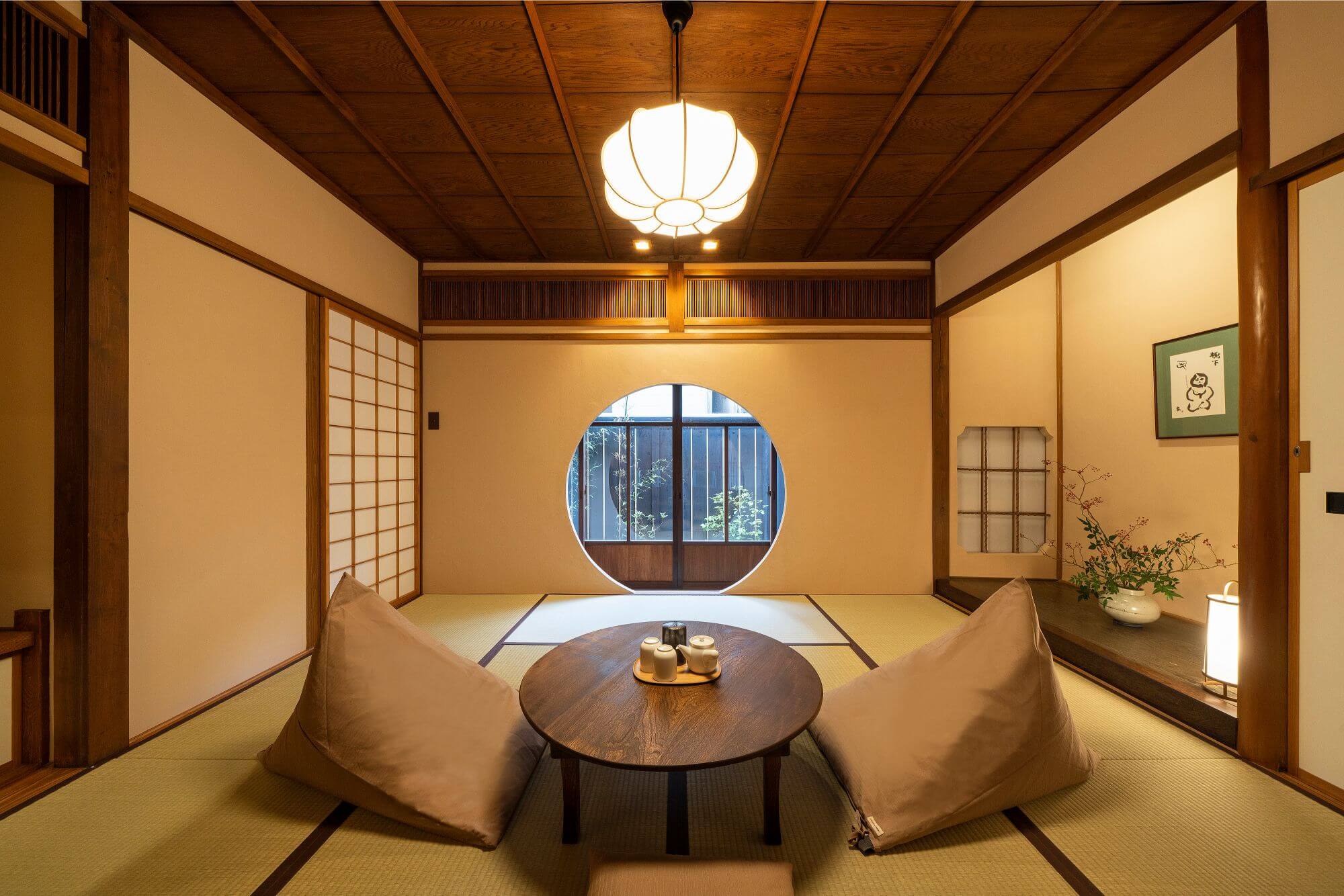
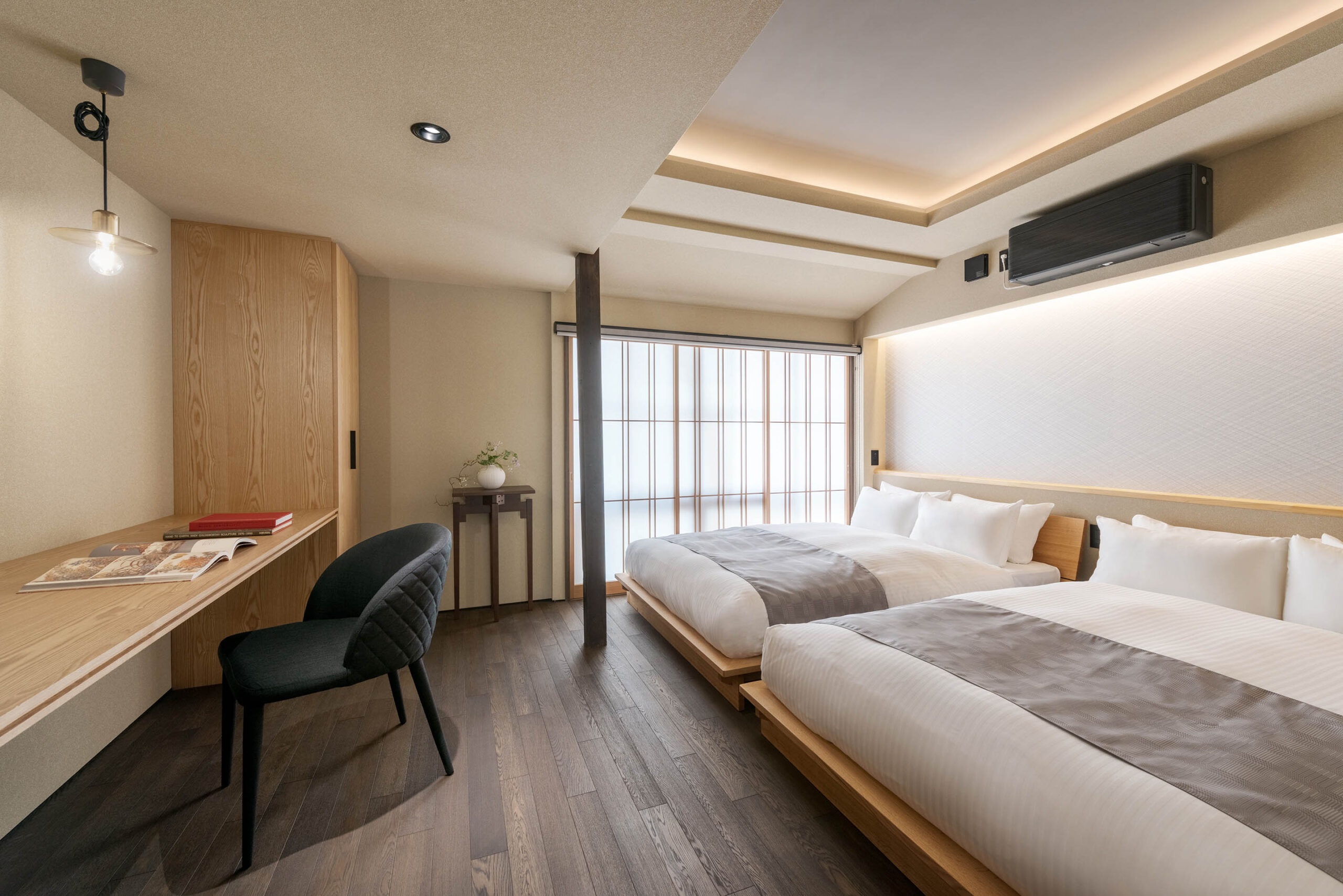
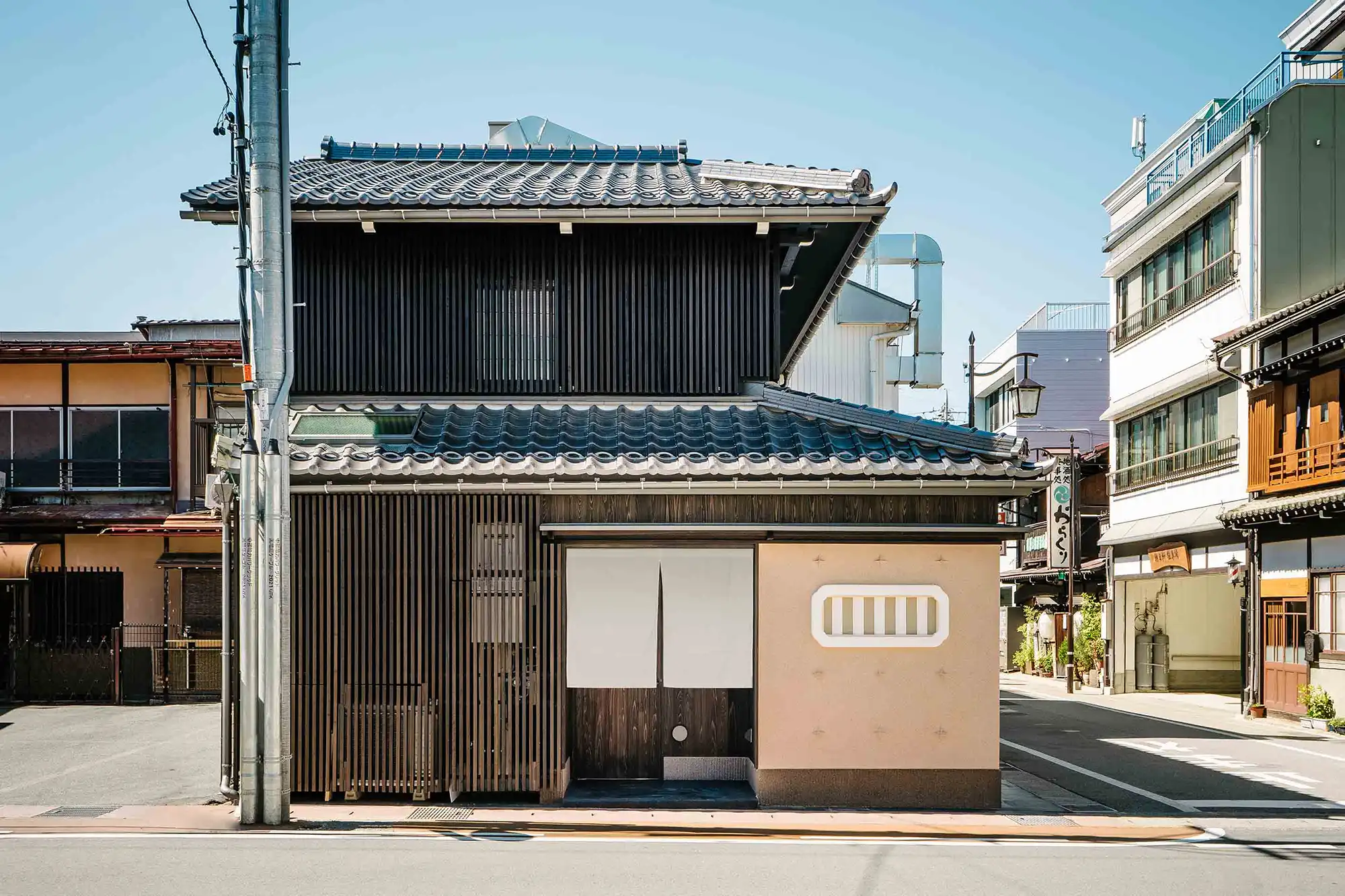
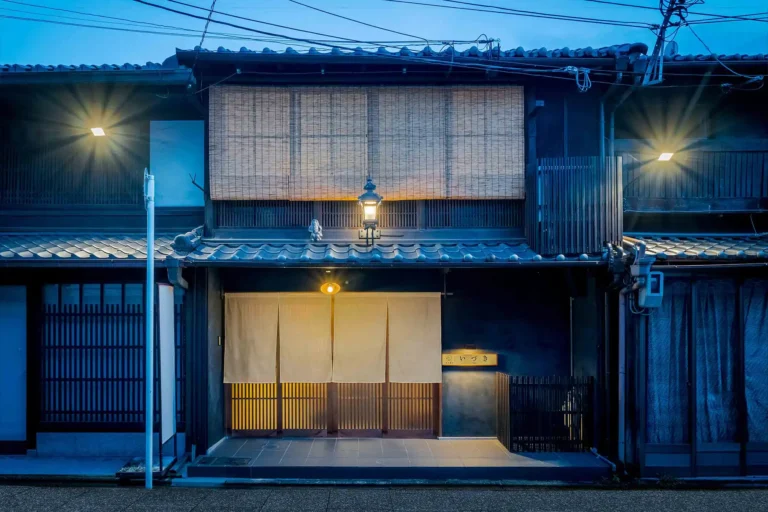
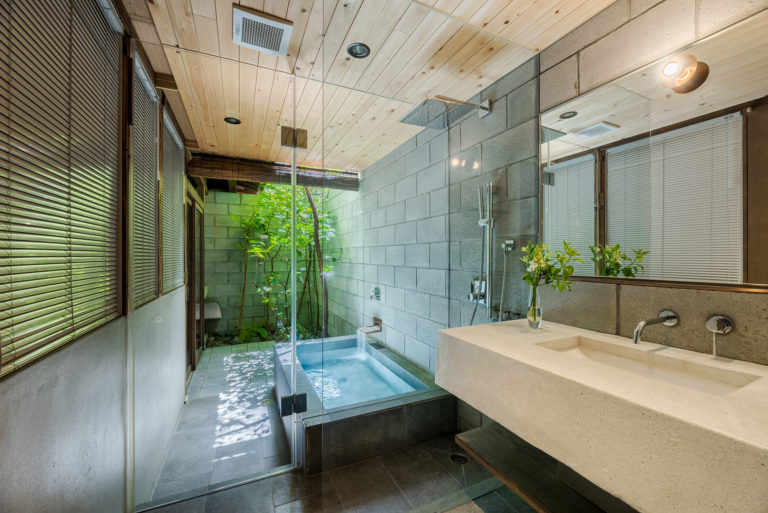
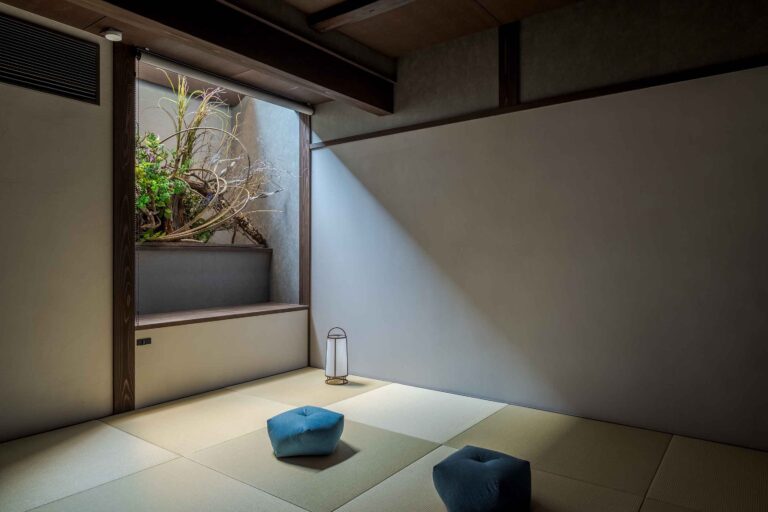
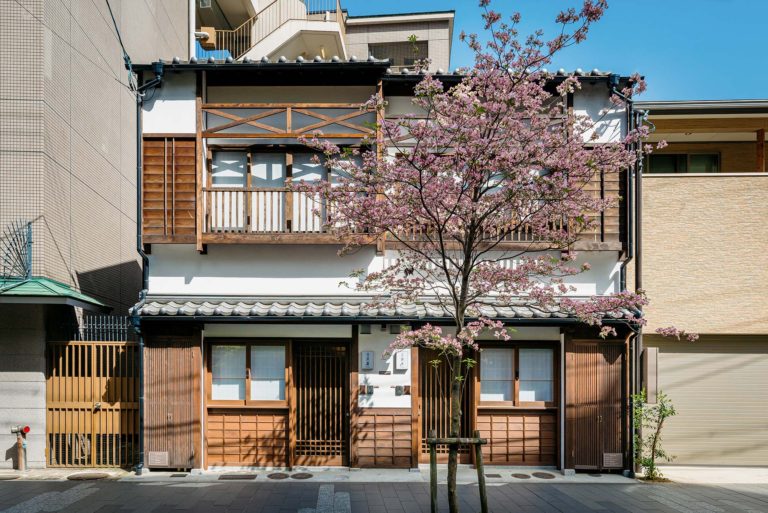
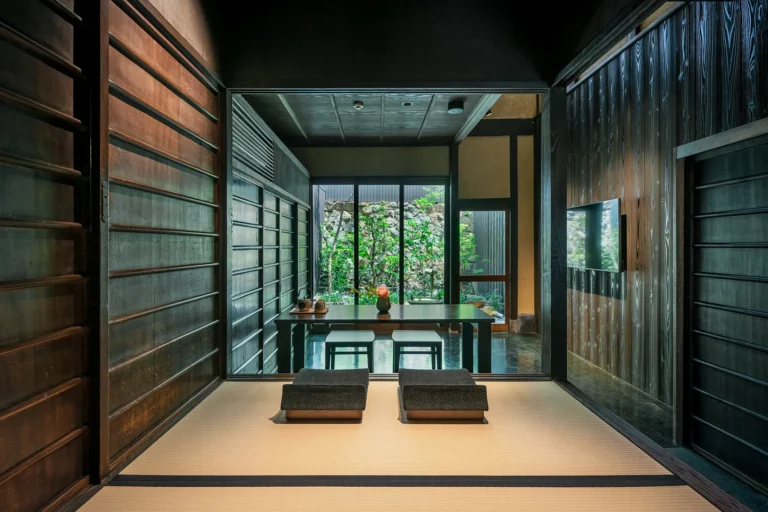
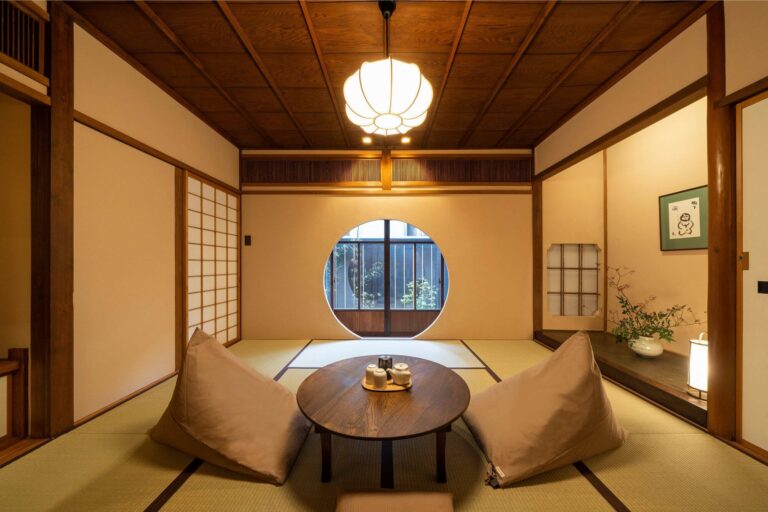
MACHIYA INNS & HOTELS, specializes in traditional Japanese-style accommodations, including restored, private machiya holiday homes and boutique machiya hotels that blend authentic Japanese architecture with modern facilities.
To find out more, take a look at the official MACHIYA INNS & HOTELS website to find the perfect machiya accommodation for your next visit to Japan!

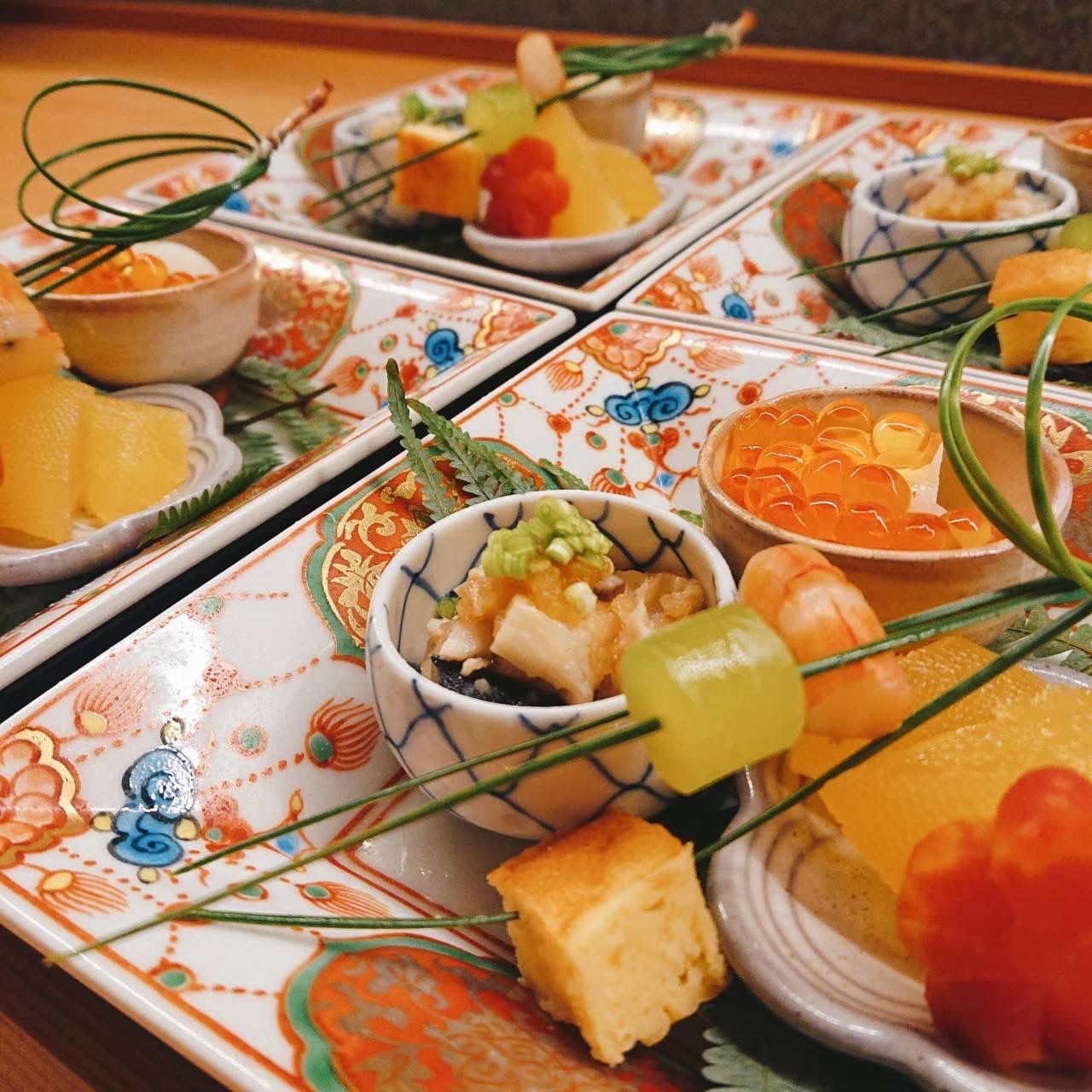
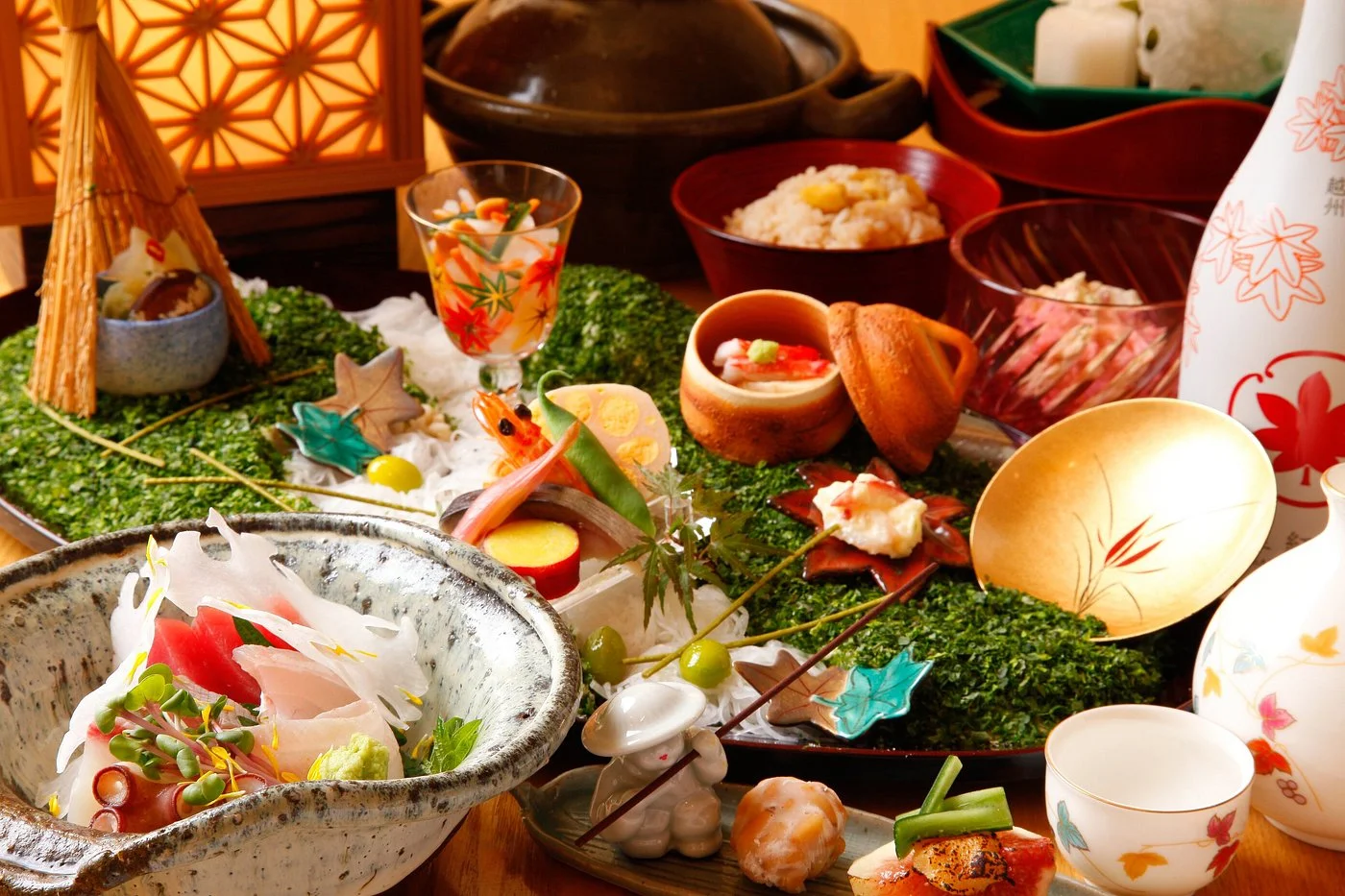
Book a table at locally-loved restaurants to enjoy exquisite kaiseki (course-style) Japanese dinners.

 ×
×