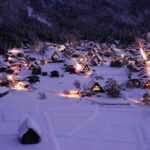
Nishijin District is one of Kyoto’s most relaxed neighborhoods and a great place to explore the city like a local. Known as the home of Nishijin-ori, Kyoto’s luxury textile, the area has a history that stretches back to the Heian period while blending old and new seamlessly.
Alongside working textile workshops, you’ll find renovated machiya transformed into kaiseki restaurants, art galleries, cafes and more. As you walk through the neighborhood dotted with traditional machiya homes, you might be lucky enough to catch the sound of nishijin-ori looms where artisans still live and work.
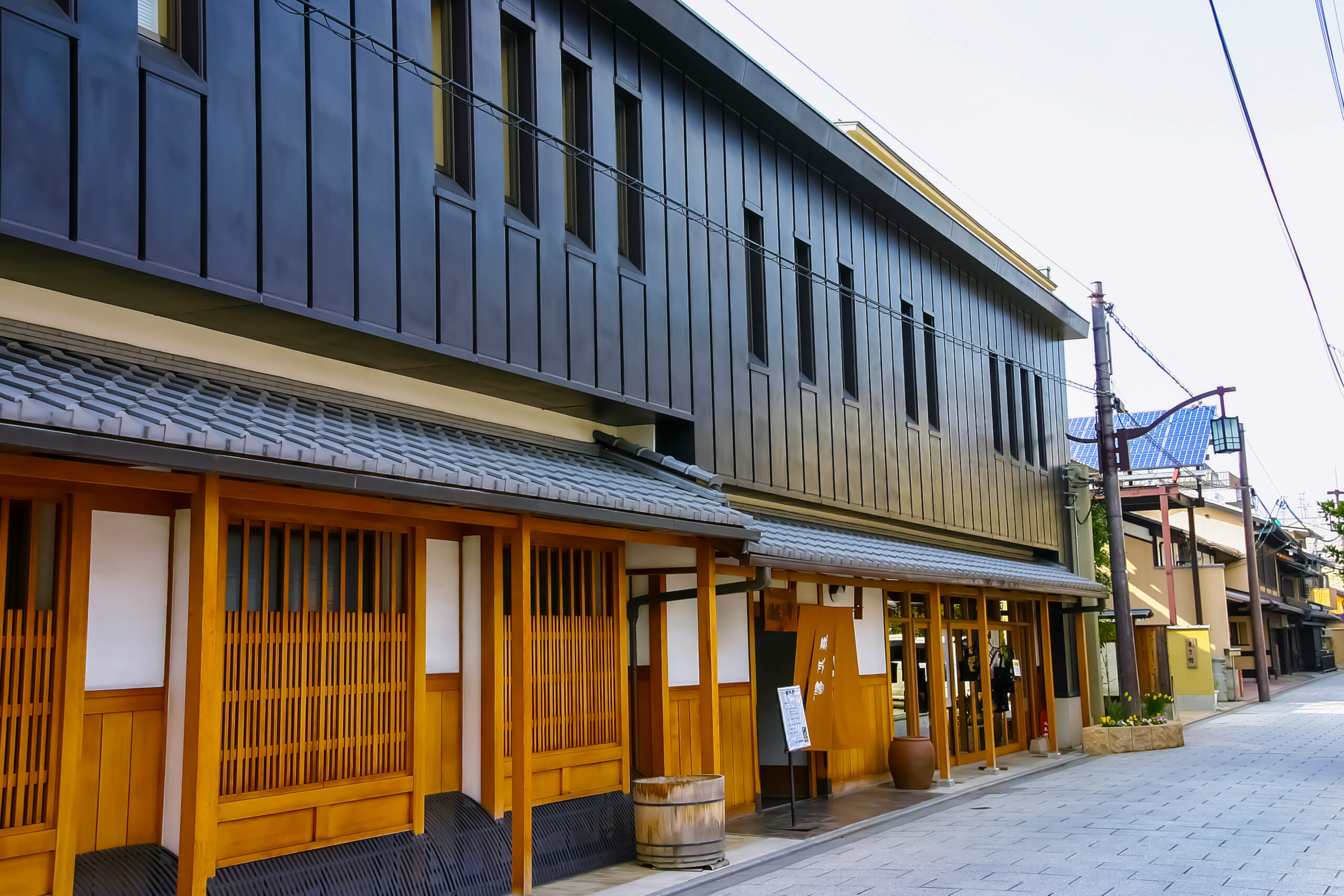
Nishijin isn’t marked as an official district on maps. Nishijin is the name given to the general area where textile artists in Kyoto have lived and worked for hundreds of years.
Silk weavers, who immigrated to Japan in the 5th and 6th centuries during the Heian period, introduced techniques for dying silk threads before weaving them into cloth. The imperial court even established an official textiles office to boost and support production of high-quality fabrics like twill and brocade.
Following the Onin Wars (1467-1477), silk weavers and textile artisans who had fled Kyoto returned to their area. As the area had served as a base for the Western Army, residents began calling it “Nishijin”. The name soon became synonymous with the textiles of Kyoto. The textile produced in the area is known as Nishijin-ori, which refers specifically to patterned fabrics made with pre-dyed thread and produced in Nishijin, Kyoto. “Nishijin” refers to the area, while “ori” means fabric.
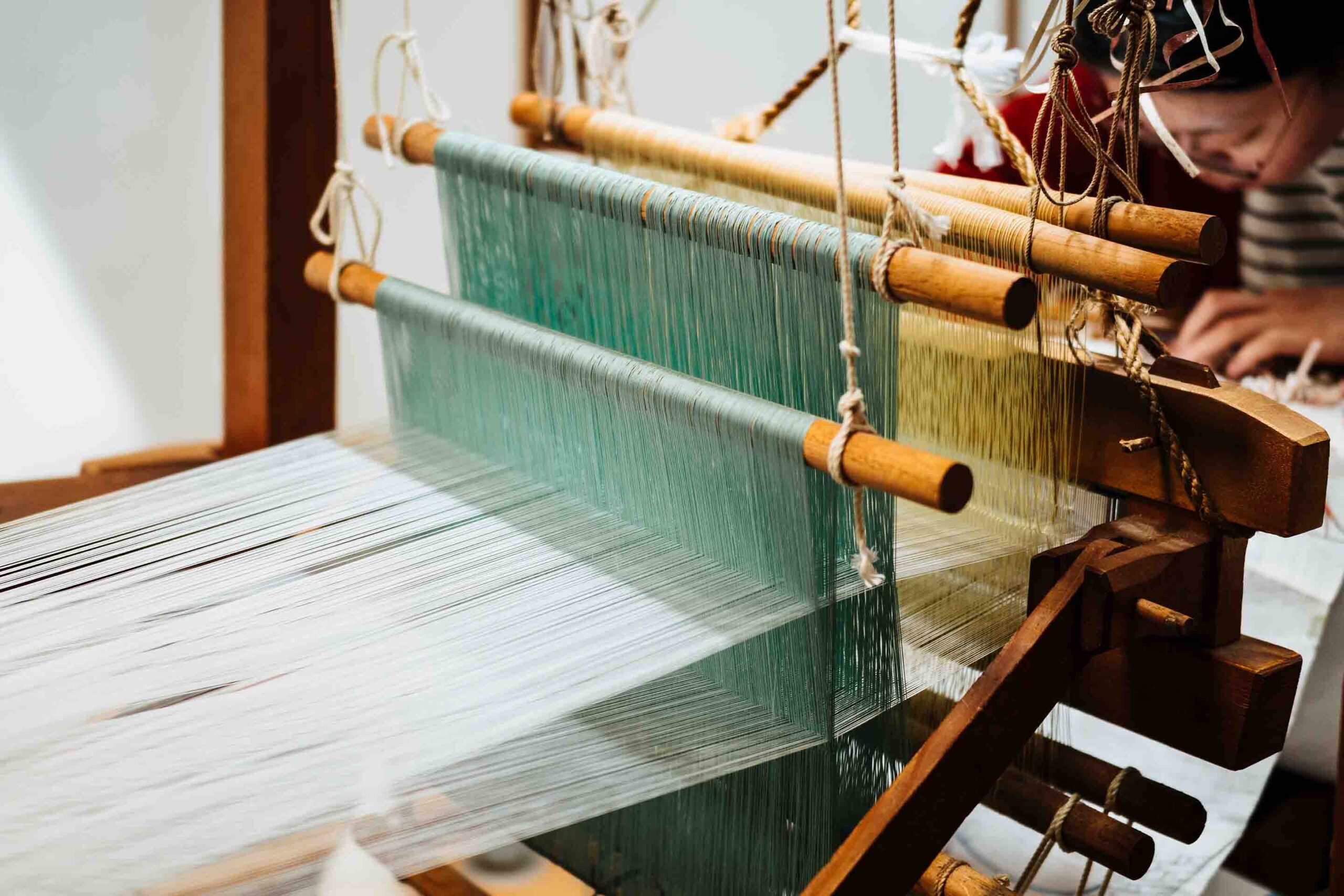
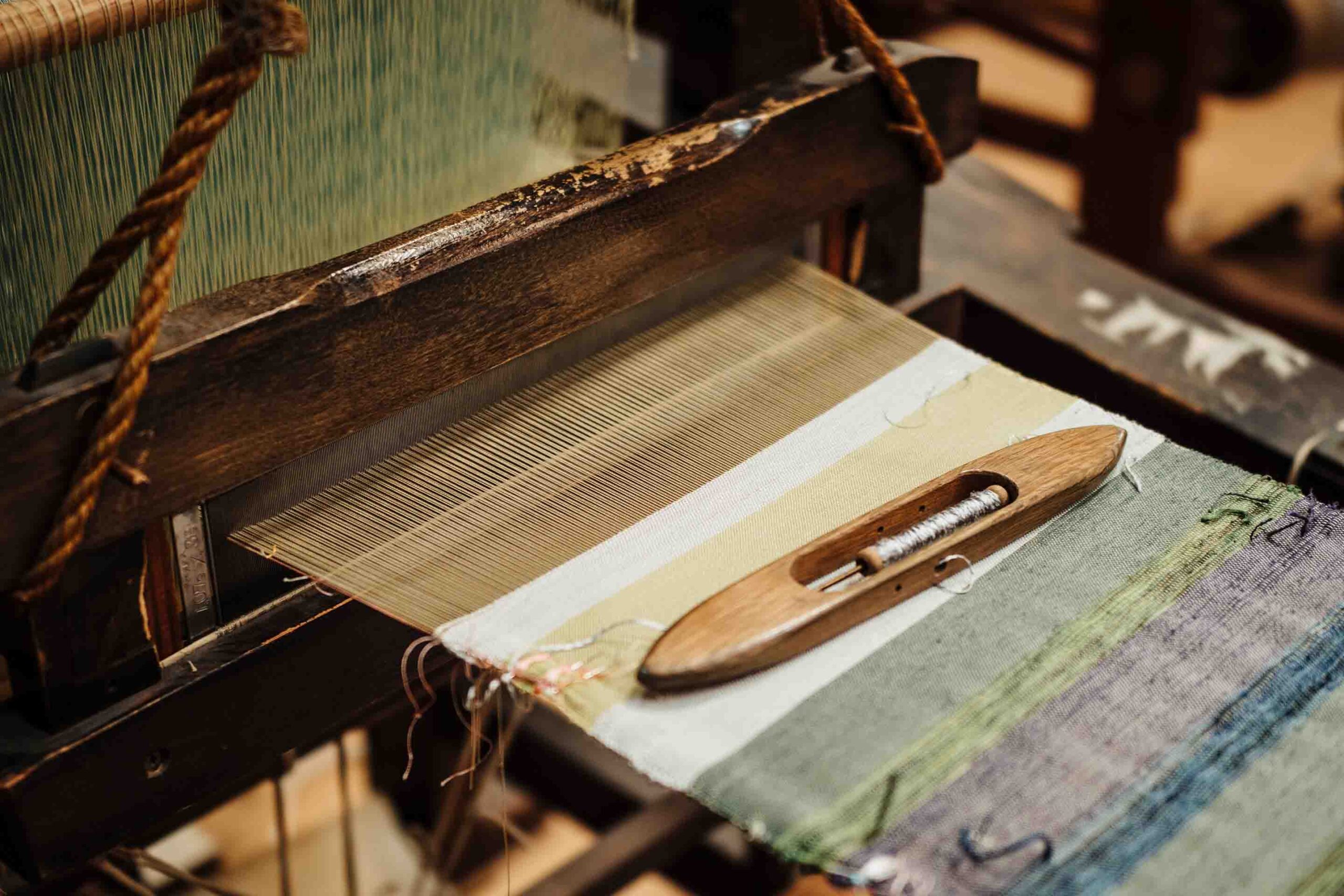
12 types of Nishijin-ori exist, each characterized by their different weaving techniques. These methods vary in the number of warp and weft threads, design patterns, and thread thickness. These techniques alter the appearance, thickness, or drape of the fabric itself.
For example, “fuutsuu-ori” (wind technique) is a double- or triple-weave fabric that shows opposite-colored patterns on each side. It can be used for kimono, obi, or accessories like handbags.
Here are a few local places we recommend you add to your ‘to-see’ list when planning your trip to Nishijin, Kyoto:
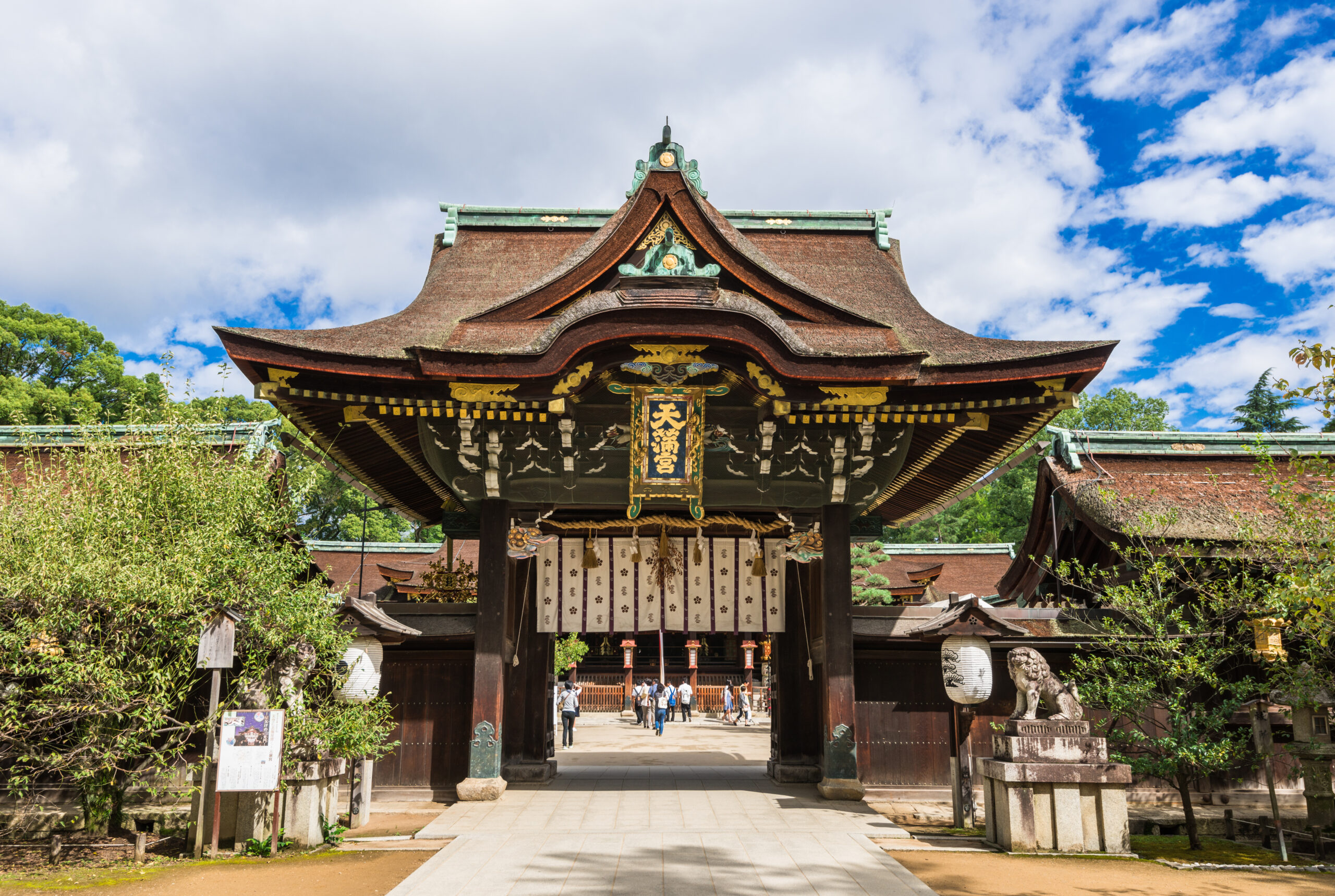
Kitano Tenmangu Shrine is the head shrine for over 12,000 shrines across Japan! It is said that it was founded in 947 after Emperor Murakami received a divine message.
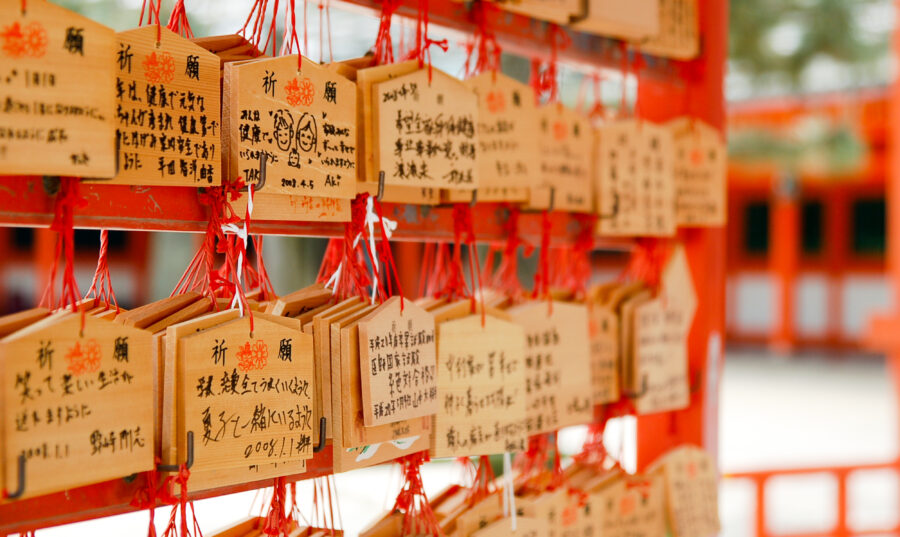
So, who is the god in the Kitano Tenmangu shrine? Kitano Tenmangu Shrine and its affiliates honors Sugawara no Michizane, known as the “god of academics.” You’ll often see students and their families visiting this shrine year round, but particularly in January, right before exam season in Japan. Students often come to pray for success on school exams or academic pursuits.
The shrine grounds feature beautifully constructed buildings with dark wood and gold accents. The shrine is known for both its vibrant plum blossoms and colorful autumn foliage. About 1,500 plum trees in 50 varieties bloom throughout the grounds from late December through late March. We recommend stopping by on February 25th for the annual Plum Blossom Festival, where geiko and maiko serve matcha and sweets in a traditional tea ceremony.
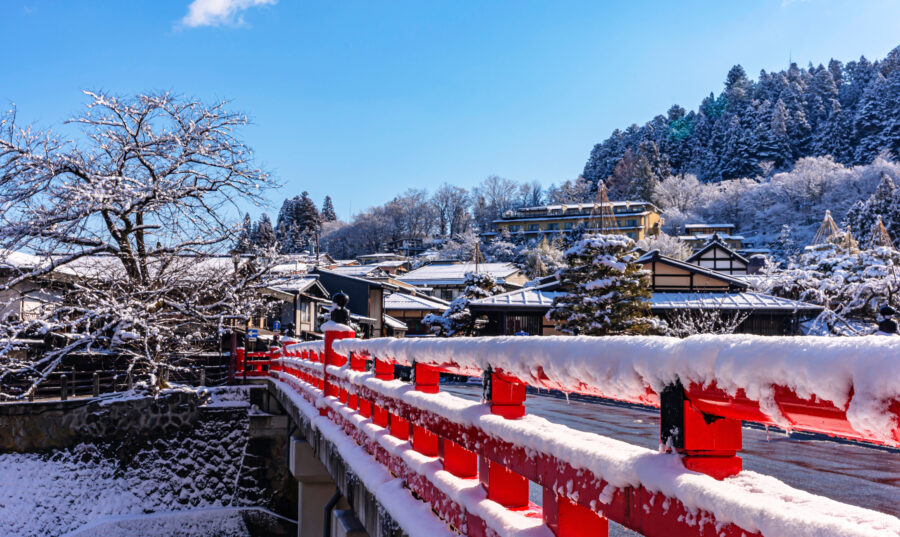
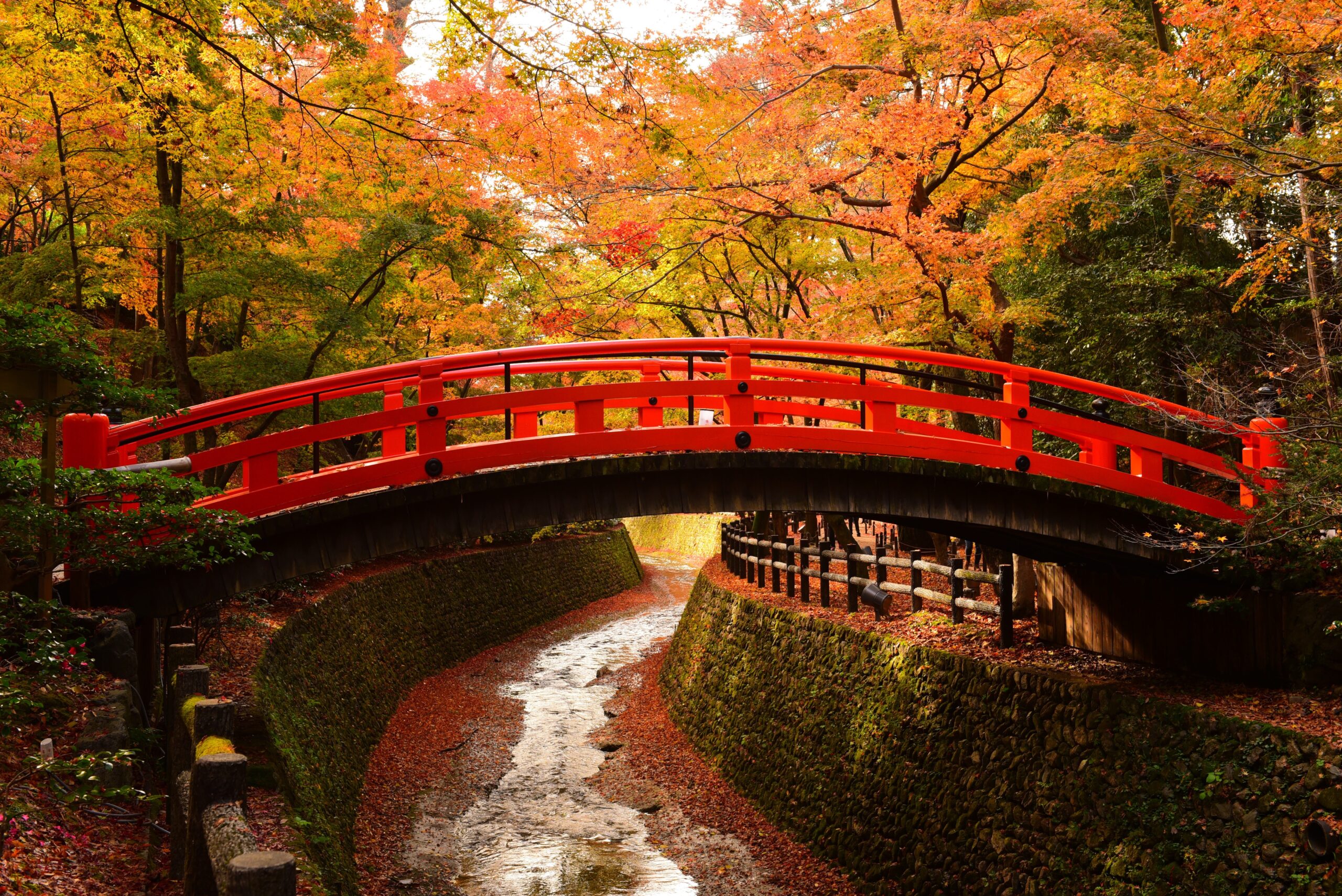
In autumn, the Maple Garden (Momiji-en) displays vibrant foliage from 350 Japanese maple trees. Highlights include the red bridge “Uguisu-bashi” which stretches over the Kamiya River and showcases views of the Baikō-ken tea house stage.
Hours:
– Shrine: 7:00 AM – 5:00 PM
– Check the website for holiday schedule changes, especially during New Year’s
Closed: Open daily
Admission Fee: Free
Address: Kitano Tenmangu Shrine, Bakurocho, Kamigyo Ward, Kyoto Prefecture
How to Get There:
– Take Kyoto City Bus No. 50 from Kyoto Station (about 35 minutes) to Kitano Tenmangu-mae Stop. Refer to the shrine’s travel guide for additional routes.

A great place to find unique and affordable souvenirs is the monthly antique flea market at Kitano Tenmangu Shrine. Affectionately called “Tenjin-san” by locals, takes place on the 25th of each month.
With over 1,000 stalls and food vendors, there’s literally something for everyone! You’ll find everything from curated displays of verified collectibles to treasure troves of retro, vintage, and antique kimono, dishes, coins, kokeshi dolls, jewelry, teapots, or traditional Japanese art. Kimono lovers in particular should visit Tenjin Market for antique kimono, obi, and other accessories.
When you need a break, try classic Japanese street food like takoyaki (octopus dumplings), yakisoba (stir-fried noodles), and karaage (Japanese fried chicken).
Hours: 7:00 AM – 4:00 PM
Admission Fee: Free
Flea Market Tips:
– Arrive early. Try to arrive 15-20 minutes before the market “opens” and see what’s available, taking note of which stalls you want to shop at first.
– Bring cash! It probably goes without saying, but most (or all) vendors won’t be able to accept digital forms of payment.
– Prices are generally fixed—haggling isn’t common in Japan, though some vendors may offer small discounts
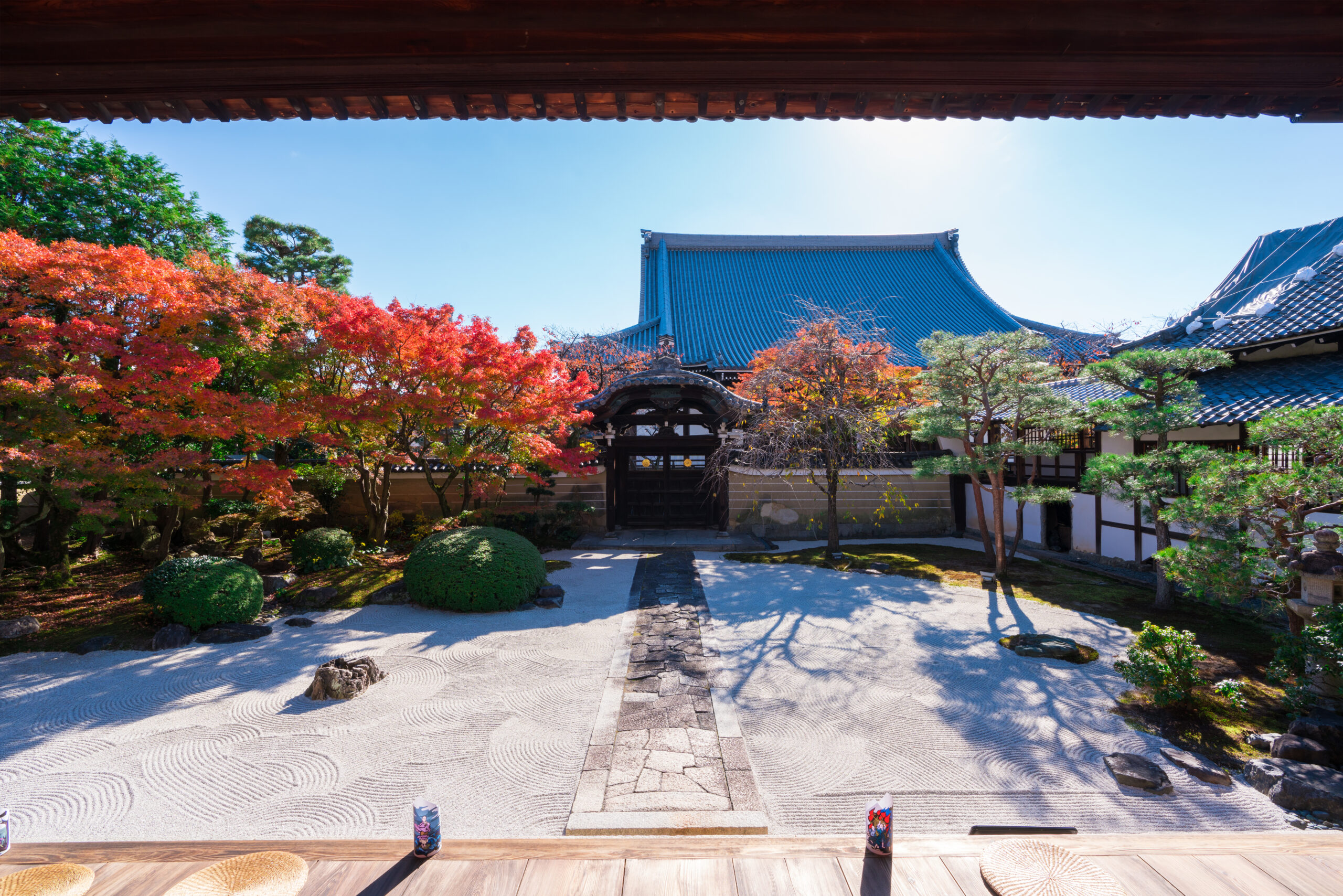
Founded in 1321 by a Buddhist monk, Myoken-ji Temple is one of the best places to see cherry blossoms in spring. The temple has 4 gardens, each with distinct features, plants, and seasonal changes. Cherry trees are planted throughout the grounds, offering multiple viewing spots during spring.
Visitors are welcome to join the morning prayer service at 6:30am in the main hall, where you’ll chant sutras and pray before the Buddha. No reservations are needed. However, remember to remove your shoes before entering and sit on the red carpet on the right side of the hall. After chanting sutras and praying, monks will guide you through an incense offering. You don’t need to bring anything, just yourself!
Hours: 10:00 AM – 4:30 PM
Closed: Open daily (check website announcements for updated information)
Admission Fee:
– Temple Grounds: Free
– Temple Garden: 500 yen (regular), 800 yen (special events)
Address: 514 Myokenji-maecho, Kamigyo-ku, Kyoto City, Kyoto Prefecture
Access:
– By Bus: Take Kyoto City Bus No. 9 from Kyoto Station (about 35 minutes) to Horikawa Teranouchi Stop, then walk 5 minutes
– By Train:Take the Karasuma Subway Line to Kuramaguchi Station (10-minute walk) or Imadegawa Station (15-minute walk)
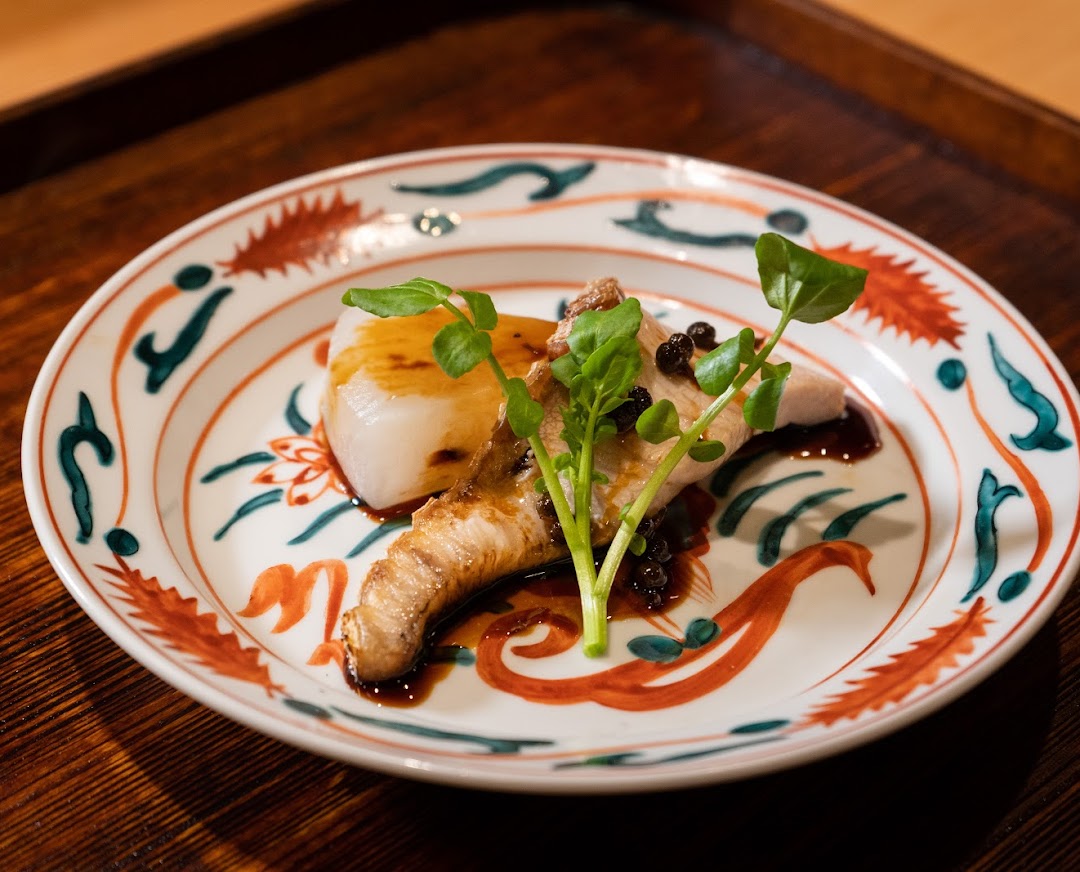
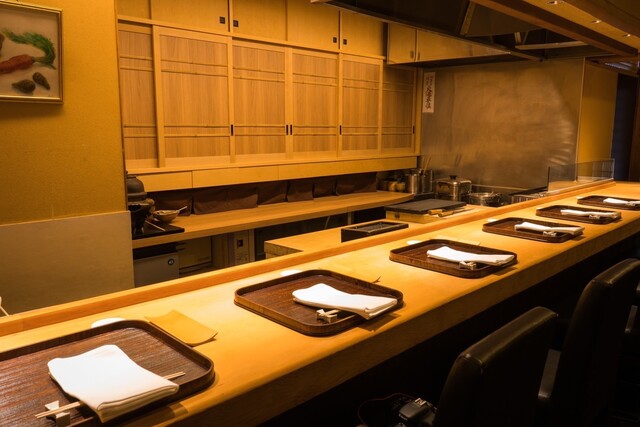
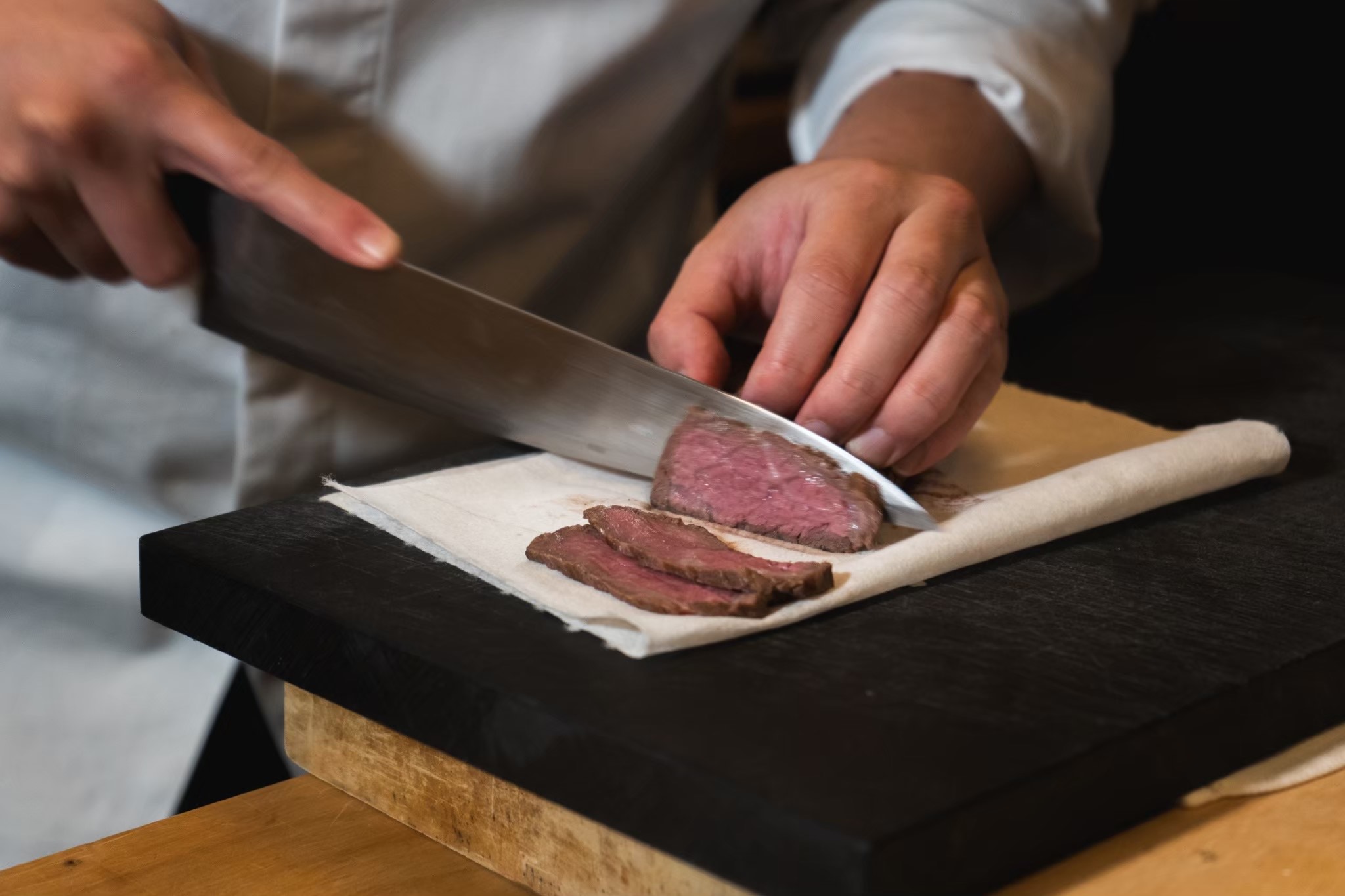
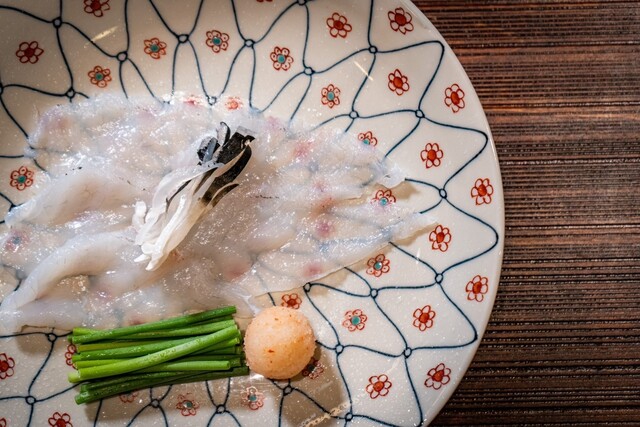
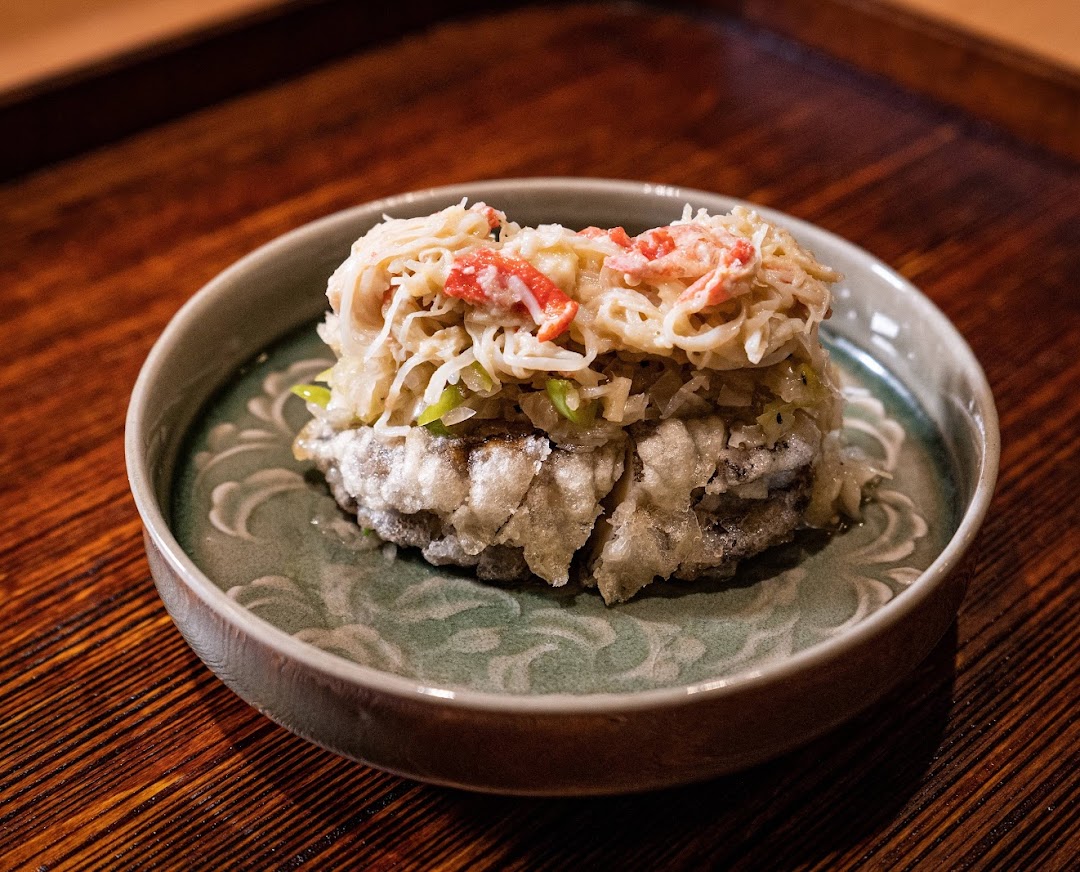
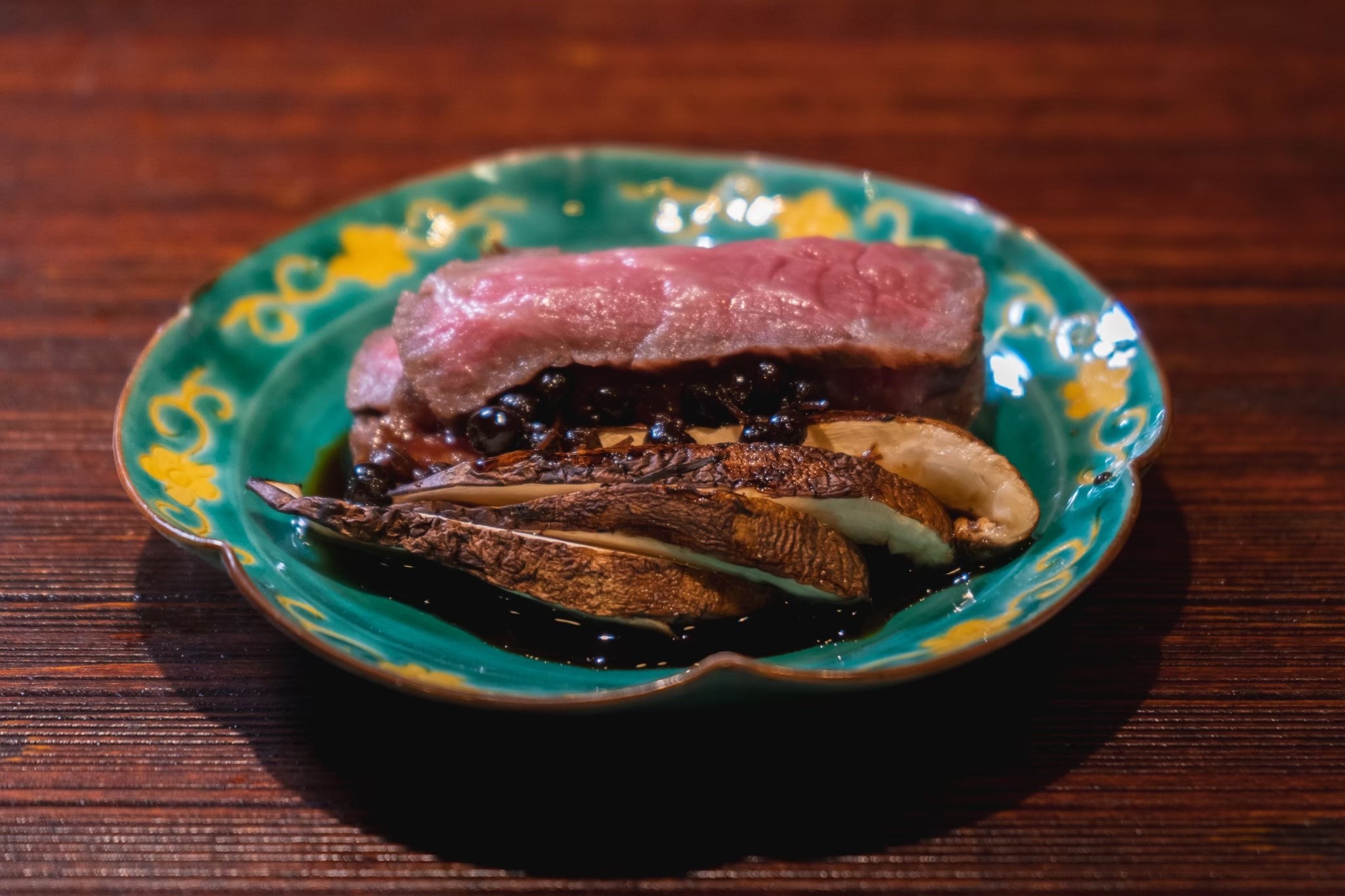
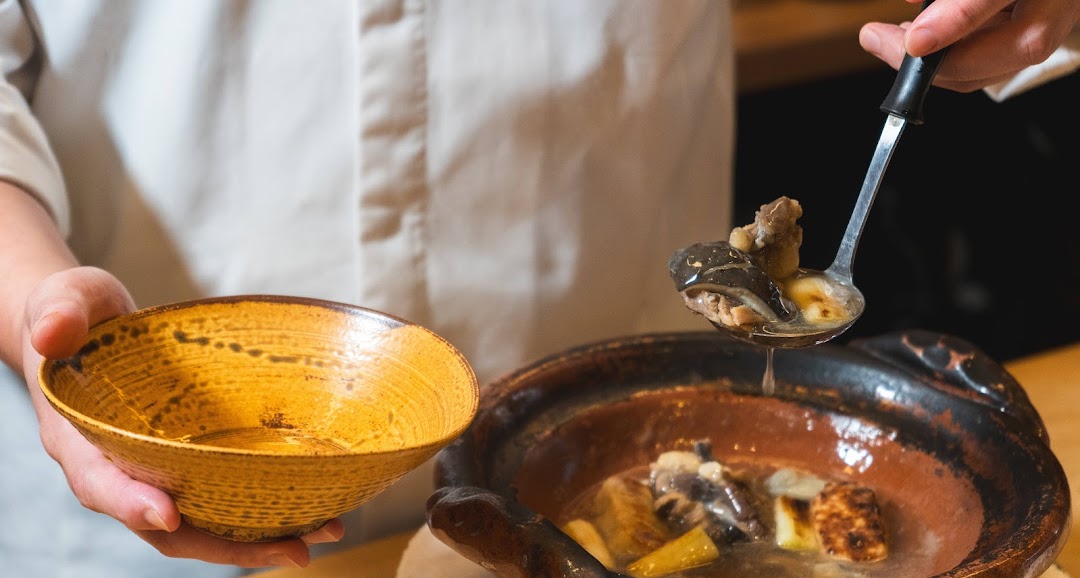
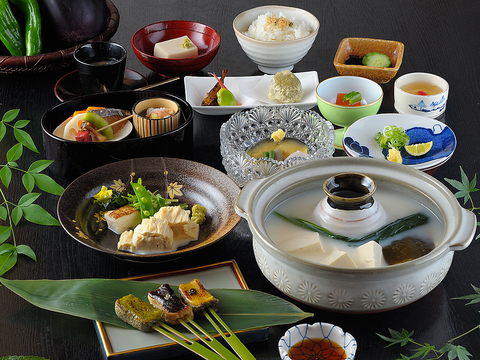
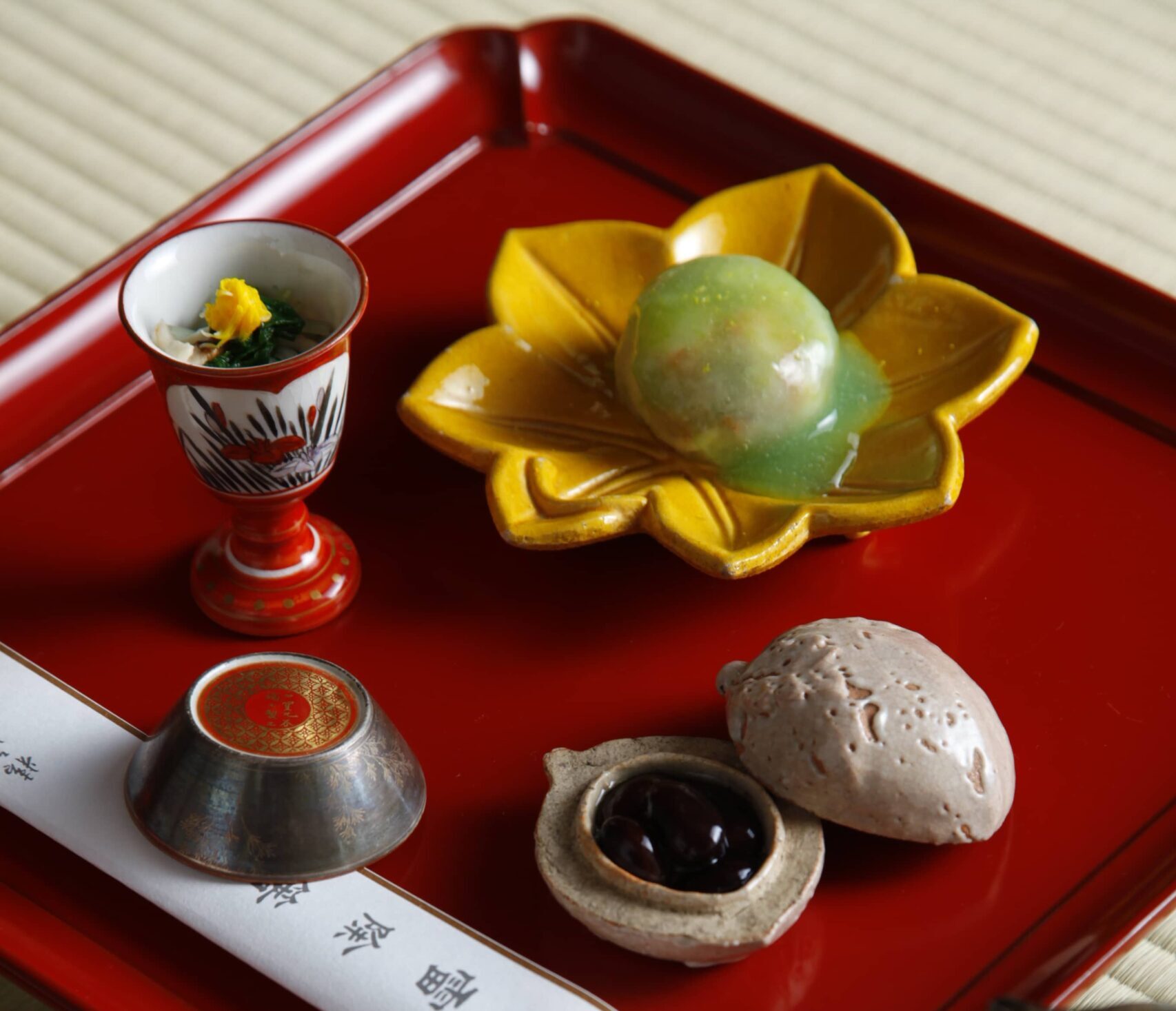
Nishijin Hashimoto is a kappo-style kaiseki restaurant tucked into a quiet corner of the Nishijin district, with only 9 counter seats that create an intimate atmosphere. What draws locals here is the chef’s commitment to sourcing ingredients personally each morning, including premium specialties like Taiza crab and high-grade kue fish.
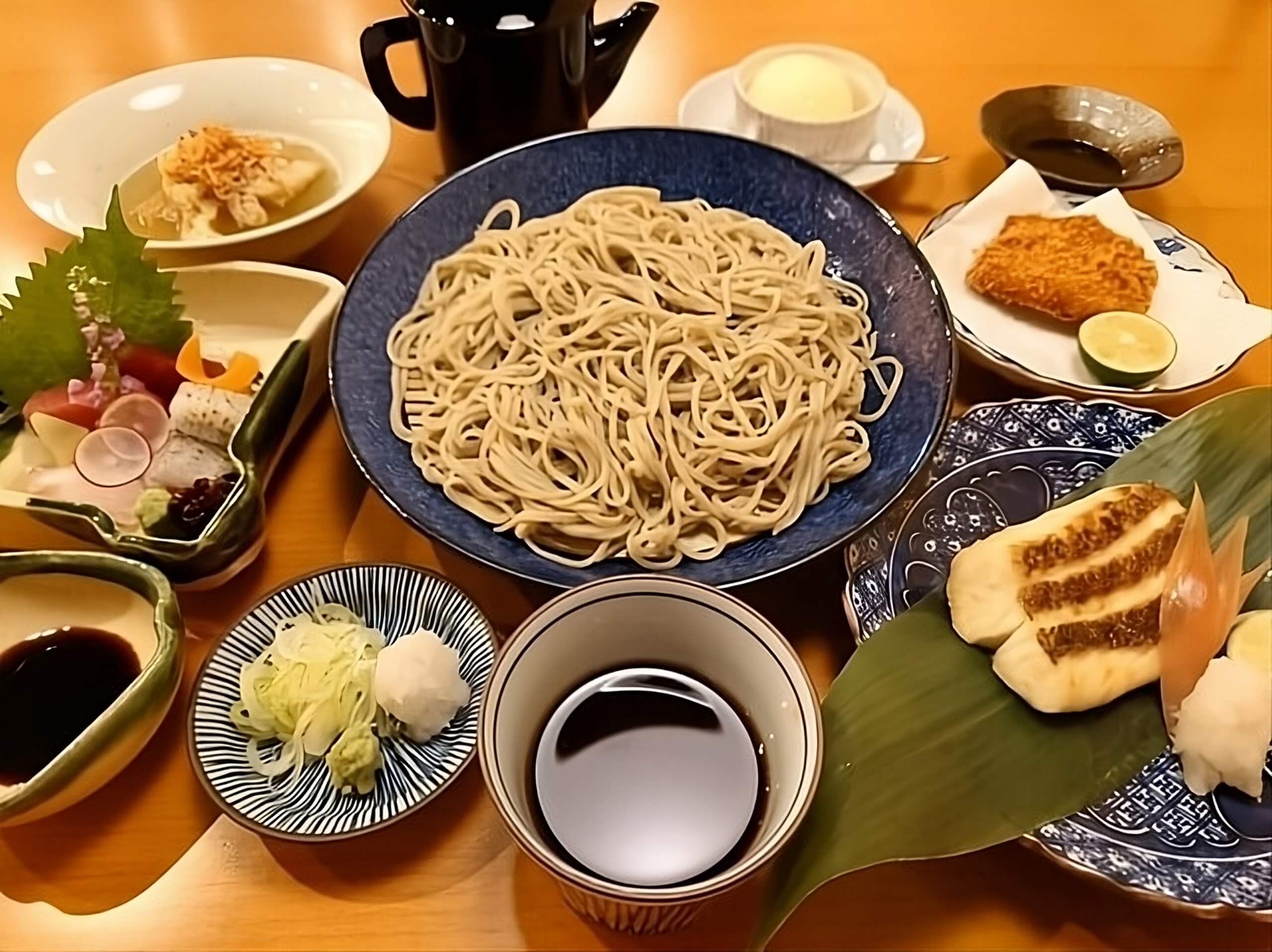
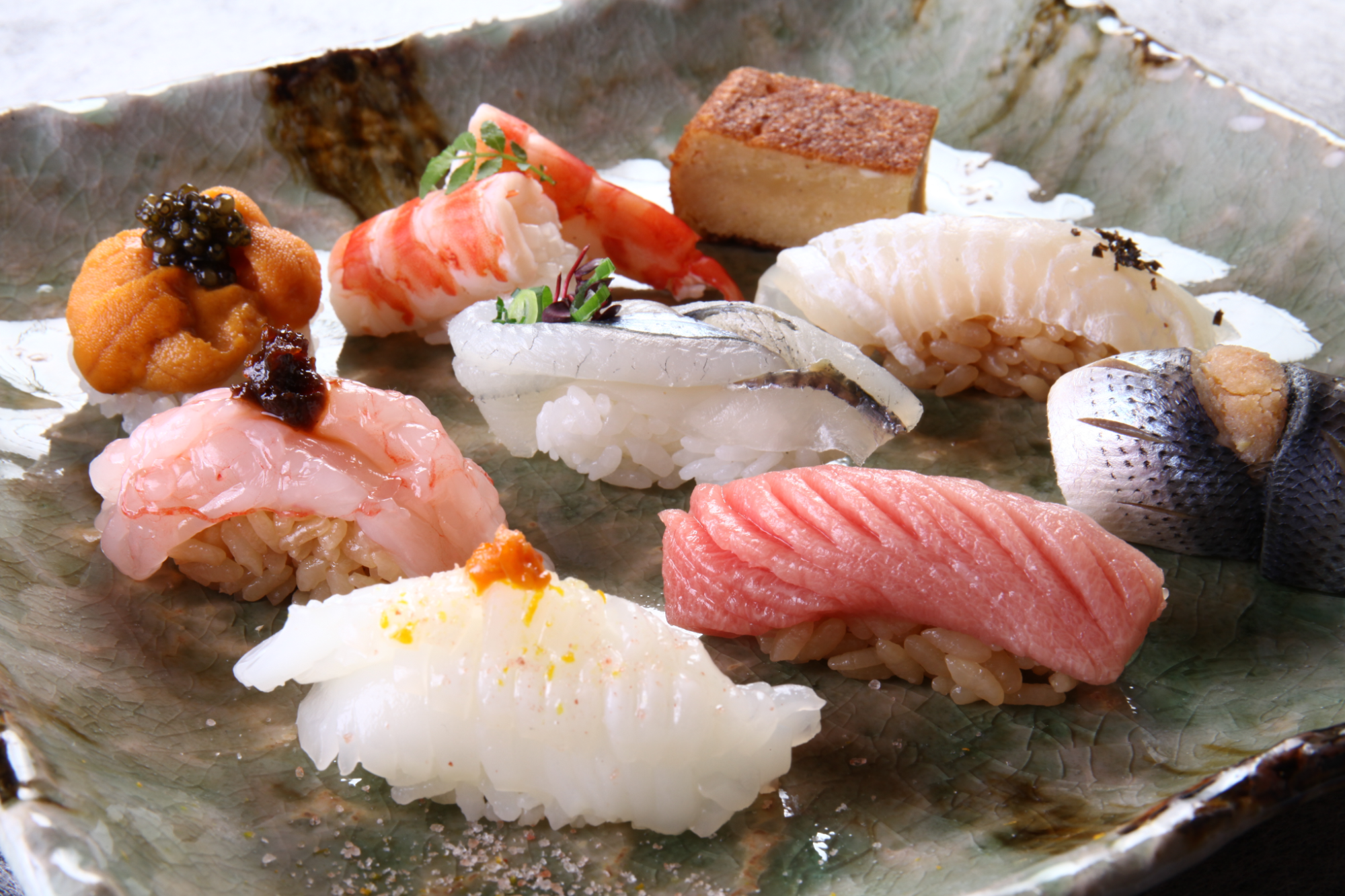
From the counter, guests can watch the precise techniques up close while enjoying conversation with the chef. The menu showcases refined Kyoto kappo cuisine with seasonal dishes like silky sesame tofu paired with vegetable purées, along with handmade sushi and soba. The warm wooden interior, soft lighting, and traditional noren curtain at the entrance add to the authentic Kyoto experience.
How to Make a Reservation:
This kaiseki experience requires advance reservations. MACHIYA LOCALS makes it easy to secure a table at this local favorite—simply note any dietary needs when you book, and with advance payment handled, you can focus on enjoying your meal without worrying about the bill or language.
Make your reservation through MACHIYA LOCALS.
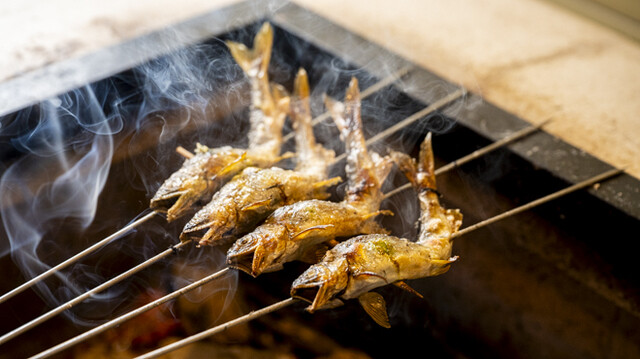
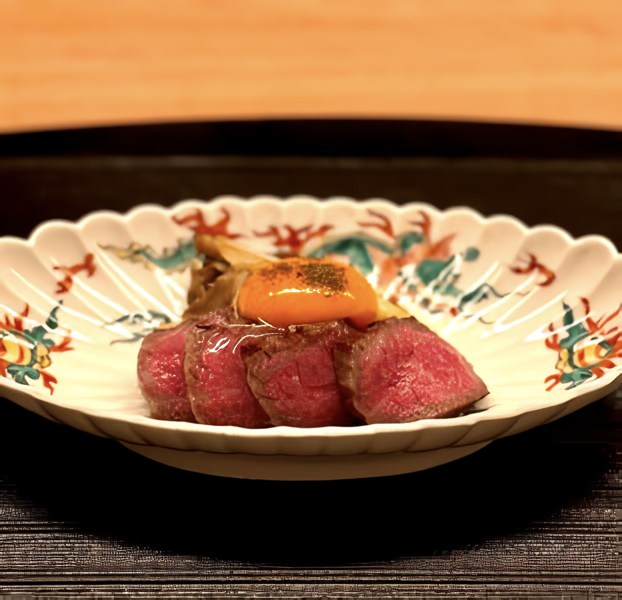
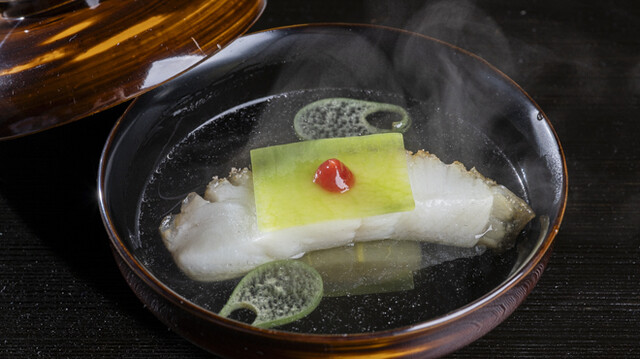
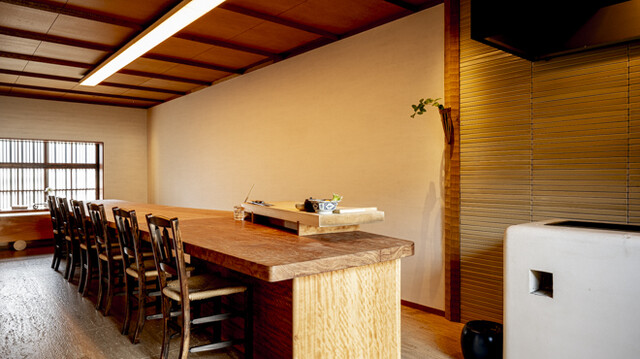
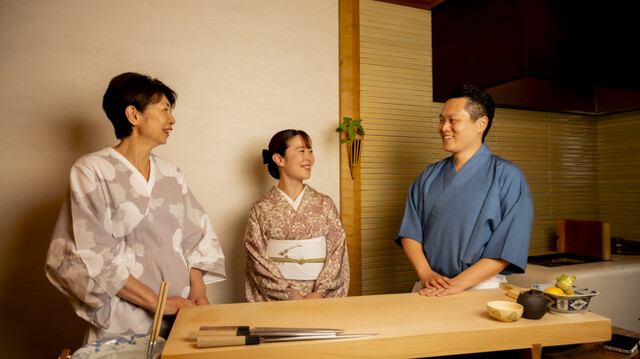
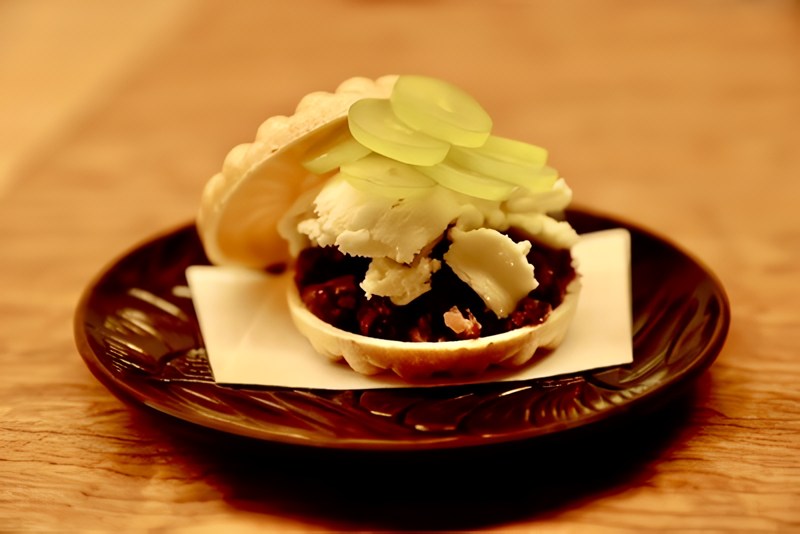
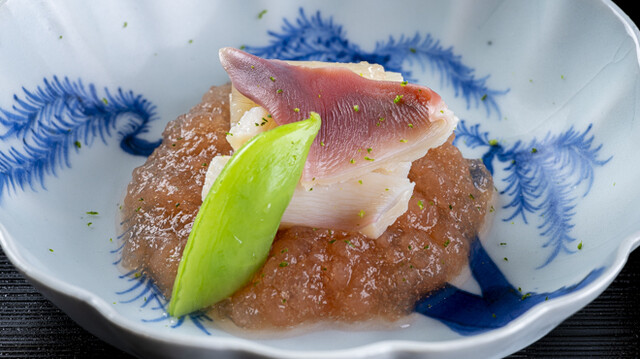
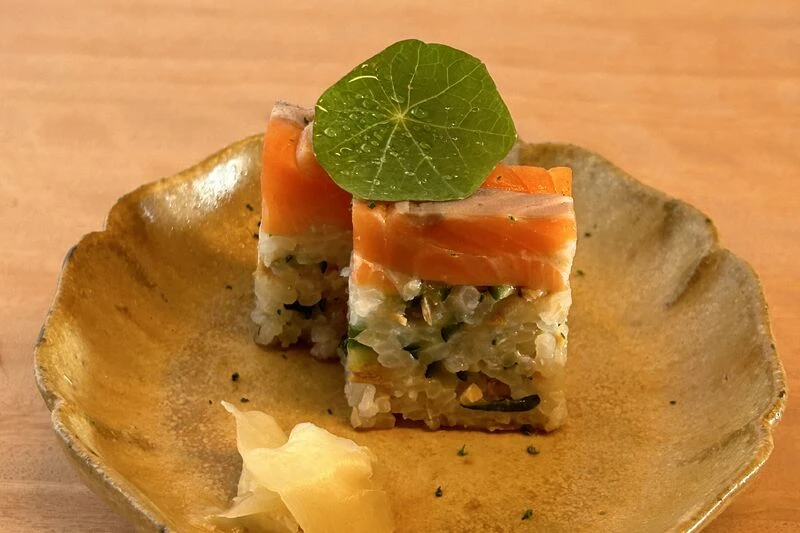
The chef at Masumasu Masuda and his wife are both originally from Tochigi Prefecture. After refining his culinary skills and his wife training as a maiko in Kyoto’s Gion Kobu district, they opened this family-run kaiseki restaurant in Nishijin to share the flavors of their hometown. The chef’s mother, a former ryokan proprietress, completes the three-person team.
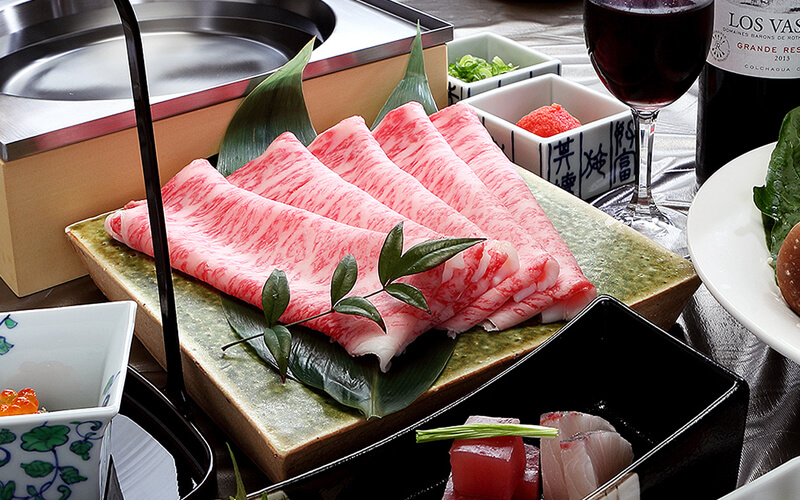
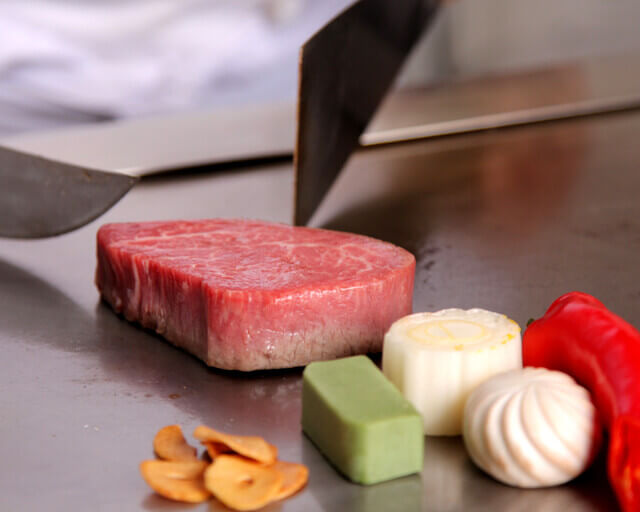
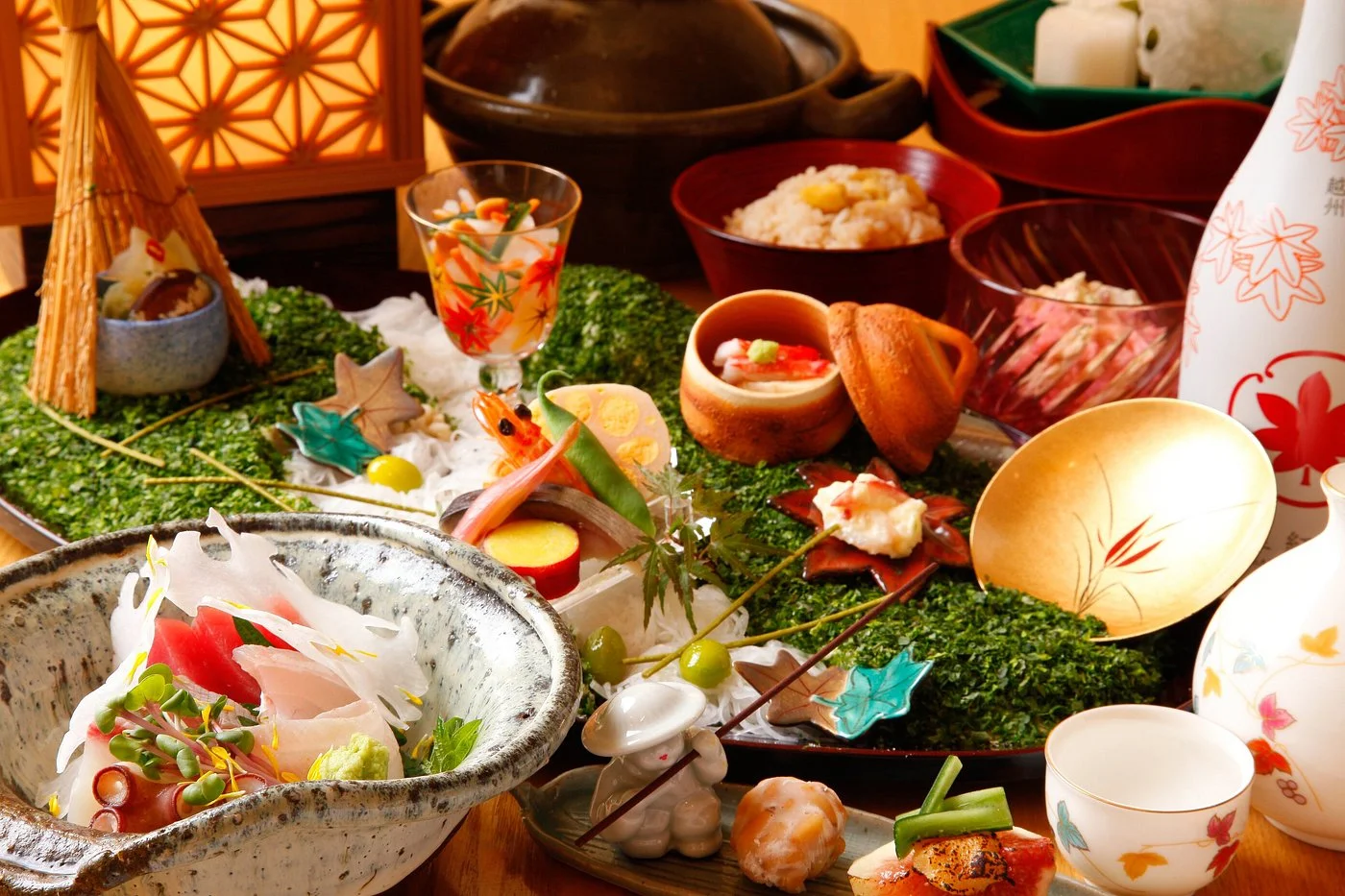
Located in a renovated machiya in a quiet residential area, Masumasu Masuda offers an intimate kaiseki experience with counter seating where you can watch the chef prepare each dish. What makes this restaurant special to locals is its distinctive “Kyoto × Tochigi” approach—combining Kyoto’s seasonal vegetables with specialty ingredients from Tochigi, including the chef’s signature trout sushi made with fish raised by a childhood friend. The menu features seasonal kaiseki courses with Tochigi Wagyu beef, fresh sashimi, and vegetables that showcase the chef’s philosophy of creating comforting Japanese cuisine that’s easy on the body.
How to Make a Reservation:
Reservations are required for this kaiseki experience. Book through MACHIYA LOCALS for guaranteed access to restaurants genuinely loved by locals, with the convenience of noting dietary restrictions during your inquiry and advance payment that eliminates language barriers.
Make your reservation through MACHIYA LOCALS.

Experience authentic Japanese cuisine at the best restaurants in Japan as recommended by locals.
Book a table at top-rated restaurants to enjoy exquisite kaiseki (course-style) Japanese dinners.
 ×
×