
What is the difference between a yukata and a kimono? Both are traditional Japanese clothing, but they serve different purposes and are worn for specific seasons and occasions. Yukata are lighter, more casual garments associated with summer festivals, hot springs, and ryokan stays. Kimono include a much broader range of garments, with season, material, design, and accessories determining when and how they are worn.
In this guide, we explore the differences between yukata and kimono, including their seasonal uses, levels of formality, and cultural significance. By understanding when and why each garment is worn, you can appreciate the experience even more during your trip to Japan.
Seasonal Wear: When Are Yukata and Kimono Worn?
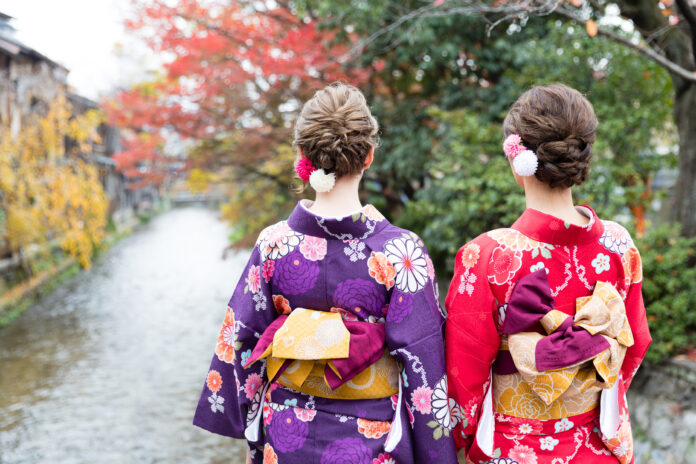
Let’s start with the basics! Yukata are a lightweight, informal type of kimono, and are generally worn in casual settings. People associate them with Japan’s summer, because their simpler construction makes them easier to wear during the hotter months. Yukata worn for festivals and public outings are also usually styled differently from the simpler versions provided at hotels and ryokan for guests to wear during their stay.
When do people wear yukata?
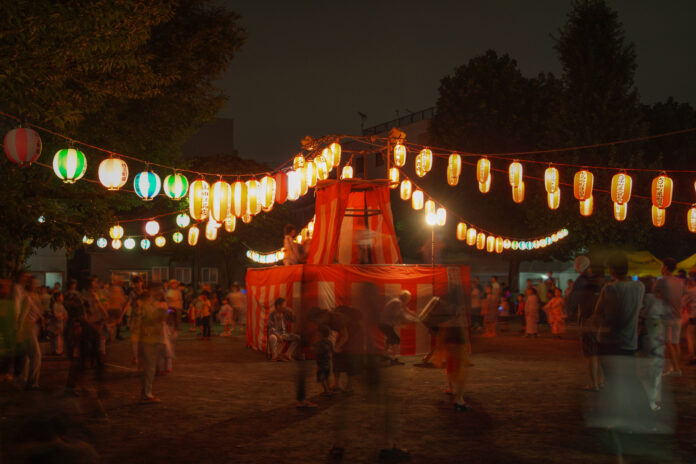
Yukata are commonly worn for:
- Summer festivals, known as matsuri
- Fireworks displays, or hanabi taikai
- Bon odori dances and other summer events
- Relaxing at a ryokan or hot-spring resort
- Walking around an onsen town
- Casual summer outings
When do people wear kimono?
People wear kimono throughout the year. Kimono are worn with more layers than yukata, and range in formality from everyday clothes to the equivalent of black tie. Depending on the type, kimono may be worn for:
- Coming-of-Age Day
- New Year celebrations
- Weddings and other formal ceremonies
- Tea ceremonies
- University graduation ceremonies
- Cultural performances and traditional arts
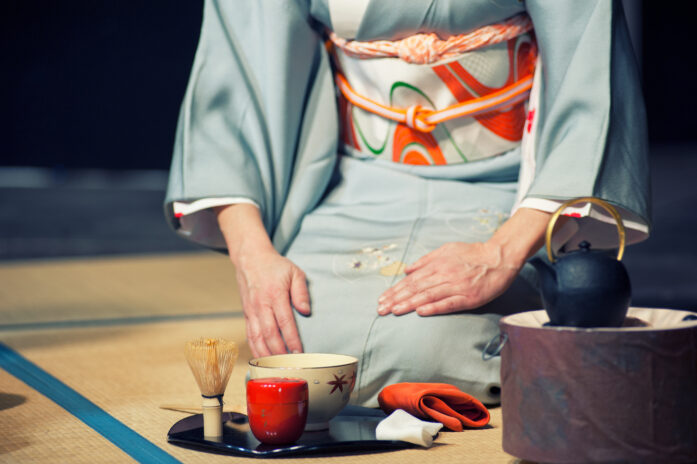
What is a Kimono?
The Japanese word kimono (着物) literally combines the characters for “wear” and “thing.” Although the word once referred to clothing in general, today it refers more specifically to the traditional Japanese garment recognized around the world. Kimono are central to traditional Japanese dress, but not every form of traditional Japanese clothing is a kimono.
A kimono is a T-shaped garment constructed with straight seams and overlapping front panels. When worn, the left side is wrapped over the right and the garment is secured with an obi, or sash. The width and tying style of the obi vary according to the wearer, garment, and occasion. Kimono are traditionally styled to create a smooth, straight silhouette rather than emphasize the body’s natural curves.
When Was the Kimono Invented?
The kimono we recognize today began to develop during the Heian period (794–1185). It was made using a technique known as “straight-line cutting,” in which long, straight pieces of fabric were sewn together. This construction made the garment easier to fold and store while allowing it to be adjusted to different body shapes and seasons. Over the centuries that followed, the kosode, a predecessor of the modern kimono, continued to evolve in style and use.
During much of the Edo period (1603–1868), Japanese fashion developed under strict controls on overseas travel and foreign relations imposed by the Tokugawa shogunate. This policy is often described as national isolation, or sakoku. However, Japan was not completely closed to the outside world: regulated trade and cultural exchange continued through designated routes, including Nagasaki.
It was during the Meiji Restoration in 1868, when political power was restored to the emperor and opened Japan more fully to international trade. As Western fashion took off in Japan, locals also began differentiating between Japanese-style clothing (wafuku) and Western-style clothing (yōfuku). At the same time, Japanese fashion captured the imaginations of Western countries, and kimono gradually became recognized internationally as a symbol of Japanese dress.
Nowadays, Western-style clothing is dominant in Japan in both casual and formal settings. “Kimono” is now a catch-all term for traditional Japanese clothing.
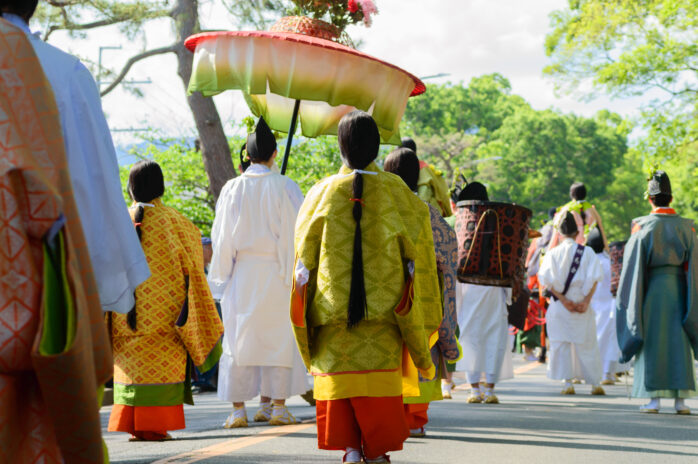
How Formal Is a Kimono?
Think of a kimono like a button-up shirt: depending on the style, it can be formal enough for a wedding or casual enough for sightseeing and meeting friends. The formality of a kimono depends on its fabric, sleeve length, colors, patterns, family crests, obi, accessories, wearer, and occasion. Although the classifications can vary, kimono can be broadly introduced through four levels of formality:
Formal Kimono
This style is reserved for important ceremonies and celebrations. One of the best-known examples is the furisode, which has long sleeves and often features colorful designs. It is traditionally worn by unmarried women for Coming-of-Age Day, weddings, and other formal occasions.
Another example is the kurotomesode, an all-black kimono with family crests and an elegant design around the hem. It is traditionally worn by married women, particularly close family members at weddings.
Semi-Formal (junreisou, 準礼装)
Semi-formal kimono may be worn by guests attending weddings, entrance or graduation ceremonies, formal meals, tea gatherings, and theater performances. One well-known example is the hōmongi, or “visiting kimono.” It often features a pictorial design that flows across the shoulders, sleeves, and seams of the garment. Depending on how it is coordinated, a hōmongi can suit a range of formal and semi-formal occasions.
Casual Outing Wear (gaishutsugi, 外出着)
When you want to wear a kimono for shopping, dining with friends, sightseeing, or going for a walk, casual kimono are an appropriate choice. A common example is the komon, which usually features a repeating pattern throughout the garment. Its exact level of formality can vary depending on the fabric, pattern, obi, and accessories with which it is worn.
Informal, Comfortable Wear (fudangi, 普段着)
These are kimono worn for relaxed, informal occasions. Yukata fall into this category and are among the most casual types of kimono. They’re usually made of cotton or linen, making them the easiest to care for and excellent for summer activities like festivals, fireworks displays, or spending time at home.
Kimono formality can be nuanced, so if you are choosing one for a particular ceremony or event, ask a professional kimono dresser or rental shop for guidance.
What Is a Yukata?
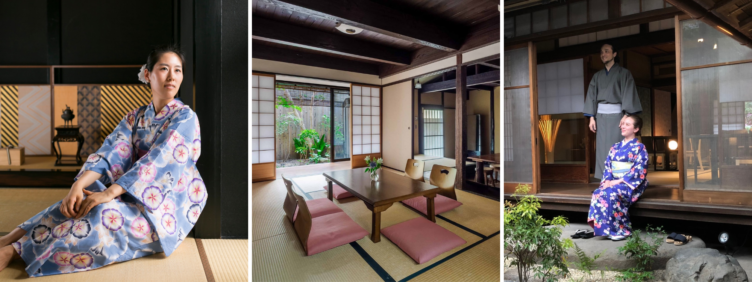
Yukata are a type of kimono. They’re one of the most casual kinds and are usually made from cotton, linen, or other lightweight materials. Yukata are light, breathable, and comfortable to wear during summer or while relaxing at a machiya or onsen.
Interestingly, the origins of the yukata can be traced to the Heian period (794–1185), when members of the aristocracy wore a hemp garment called a yukatabira when going to and from bathing. It wasn’t until the Edo period (1603–1868) that they became a bathrobe to be worn after bathing, and were further popularized as everyday summer clothing, as well.
People still wear yukata for these same purposes today. They’re especially popular during summer, when you’ll see people wearing them to festivals, fireworks displays, or casual outings with friends.
What’s the difference between a hotel/ryokan yukata and an everyday yukata?
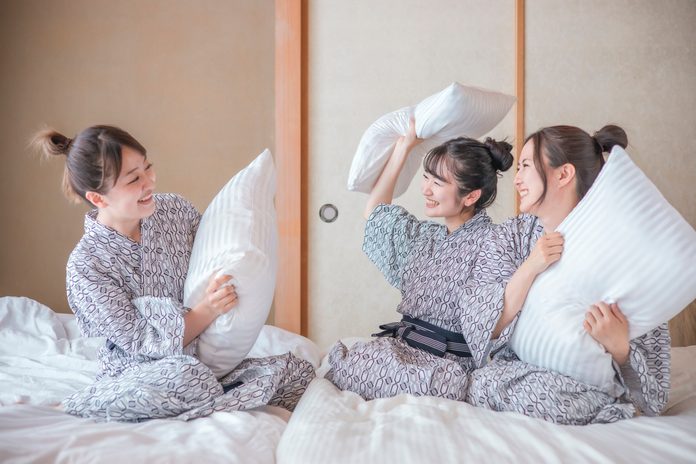
If you stay at a hotel or ryokan in Japan, you may find a yukata provided for guests and wonder what it’s for. TThese simpler garments are generally intended as comfortable loungewear and may also be worn as nemaki sleepwear. Compared to outdoor yukata, they usually have wider necklines, shorter sleeves and hems, and may have a very basic obi (belt) or just fasten at the front with simple ties.
They’re generally meant to be worn in your room, but some hotels and ryokan encourage guests to wear them around the establishment for convenience and comfort; in particular if there’s an attached onsen. You can ask the hotel staff about the rules if you’re unsure, or just wait and see where other guests are wearing theirs.
Can I wear a kimono or yukata while visiting Japan?
Yes, absolutely! Although kimono and yukata are no longer commonly worn as everyday clothing in Japan, people still enjoy wearing them for festivals, celebrations, cultural experiences, and special days out. Visitors are welcome to take part, too, and it can be a memorable way to experience traditional Japanese clothing during your trip.
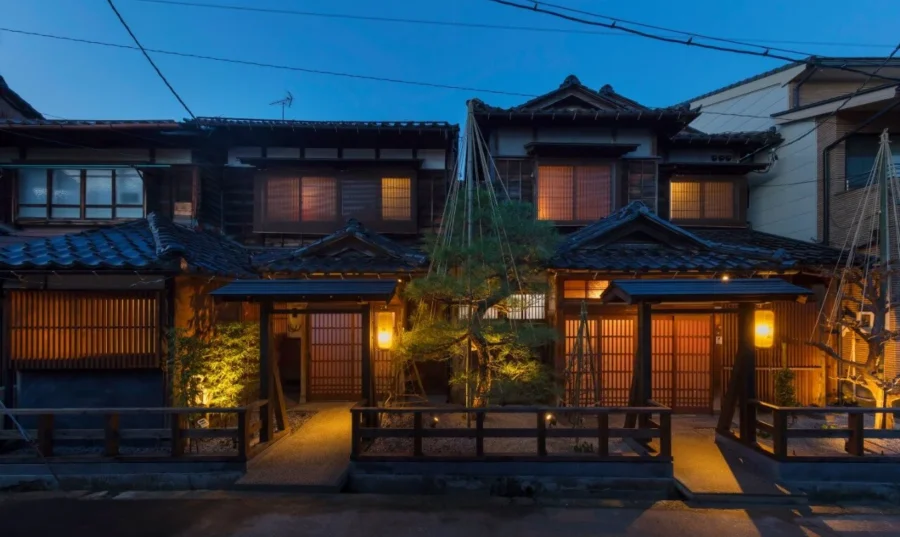
If you would like to combine a kimono experience with a stay in traditional Japanese accommodation, consider staying with MACHIYA RESIDENCE INN in Kyoto. We offer kimono and yukata rental experiences, with a professional kimono dresser visiting your private machiya accommodation to help you get dressed.
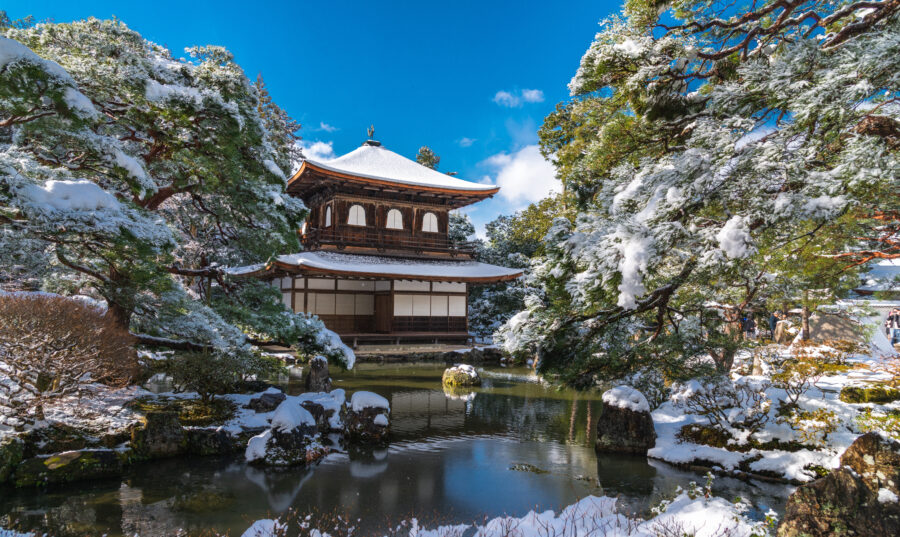
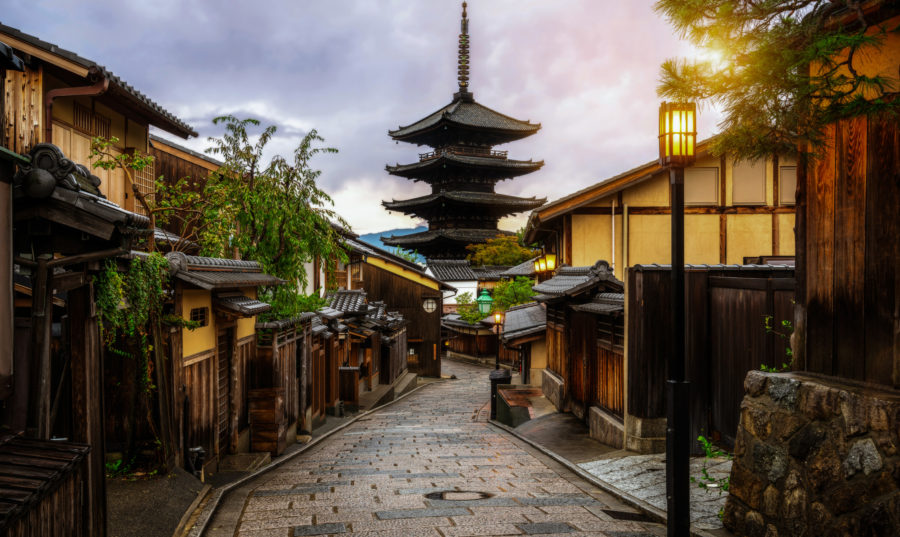
Take photos surrounded by the traditional architecture of your machiya house, then step outside to explore Kyoto in your kimono or yukata to experience this centuries-old tradition for yourself.