Want to observe and participate in a long-standing Japanese tradition during your Japan travels? A Japanese tea ceremony, or Sadō, is one of the most popular experiences for visitors.
Visiting a tea house or tea room offers you a wonderful opportunity to experience a peaceful ritual and take time away from your busy sightseeing itinerary. But what does a traditional tea ceremony involve, and what basic etiquette should you observe?
Like sake and sushi, tea is woven into everyday life in Japan. Sadō (“the way of tea”, also known as chadō or chanoyu) is a tradition that many Japanese study and that visitors can experience.
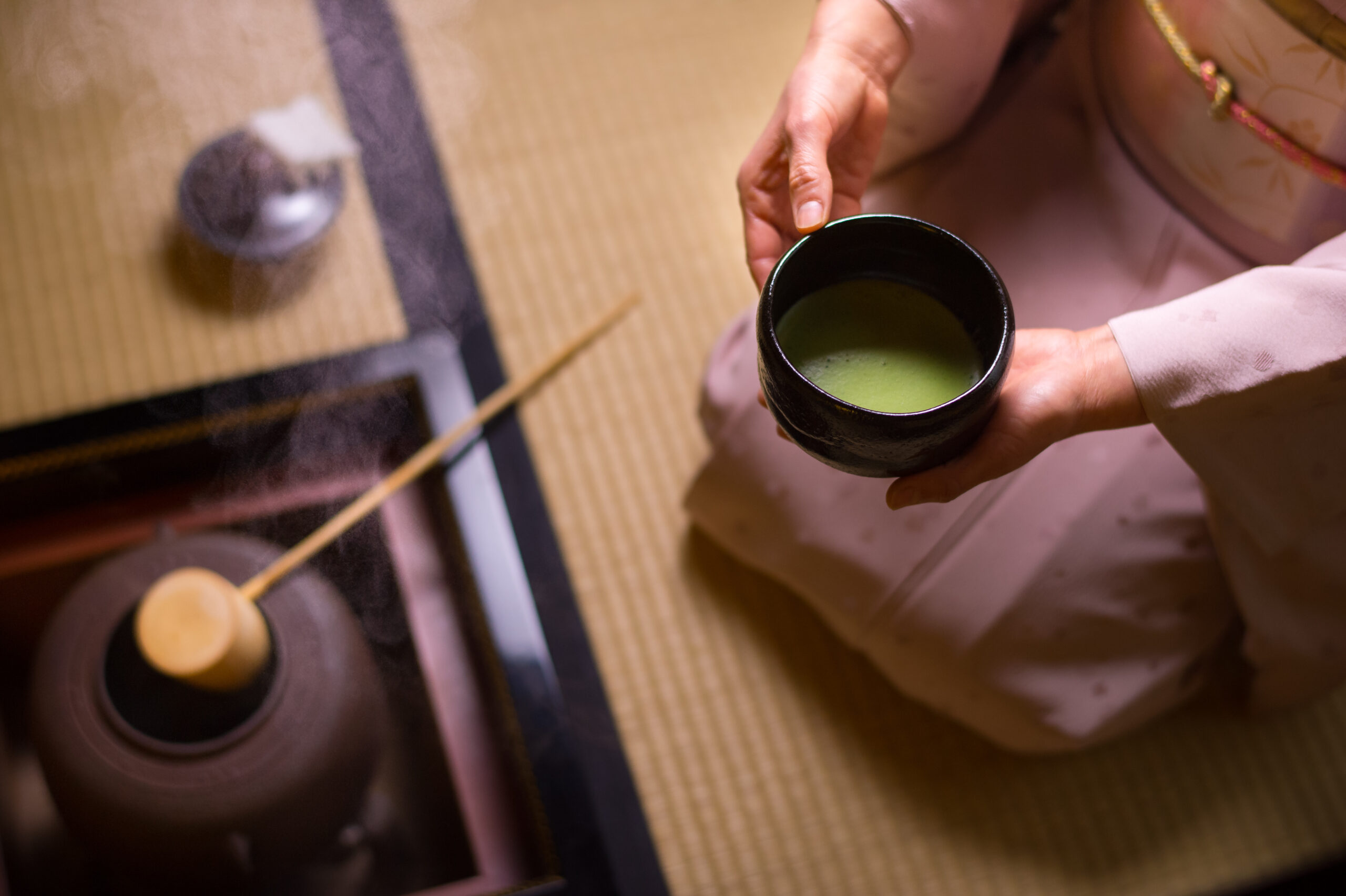
Sometimes referred to as a matcha ceremony, the traditional Sadō ceremony transforms the process of preparing and drinking matcha into an art form. While you may be used to making hot drinks at home, Sadō offers a completely new way to approach an everyday process.
The Sadō ritual involves numerous steps, from preparing the setting to serving the proper sweets to accompany the tea. Understanding the different stages of the ceremony will help you prepare for your first visit to a Japanese tea house.
Behind the ritual lies the idea of “ichigo ichie” (“one time, one meeting”), the belief that every gathering is unique and will never happen in quite the same way again. Sen no Rikyū’s four guiding principles, wa (harmony), kei (respect), sei (purity), and jaku (tranquility), also shape each movement of the ceremony.
Tea was first documented in Japan in the 9th century (around 815), after the Buddhist monk Eichū brought it back from China. Eichū introduced tea to Emperor Saga, who then ordered the creation of tea plantations.
However, tea took several more centuries to become popular with the general public. The samurai class had become enamored with it by the 13th century, after the Zen monk Eisai brought back tea seeds and the powdered-tea method from China in 1191, and drinking tea was a major spiritual practice among warriors.
In the 16th century, famous tea master Sen no Rikyū changed Japanese tea traditions forever. He perfected wabi-cha, a style that embraces simplicity and quiet beauty, and shaped many of the ceremony’s conventions.


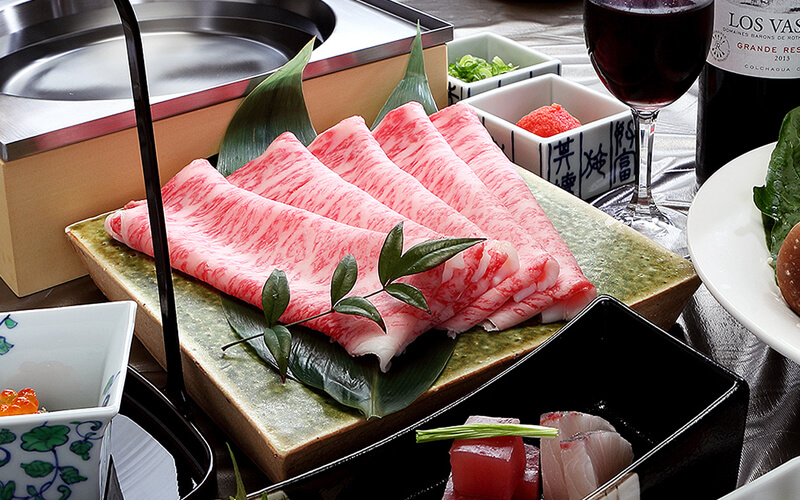
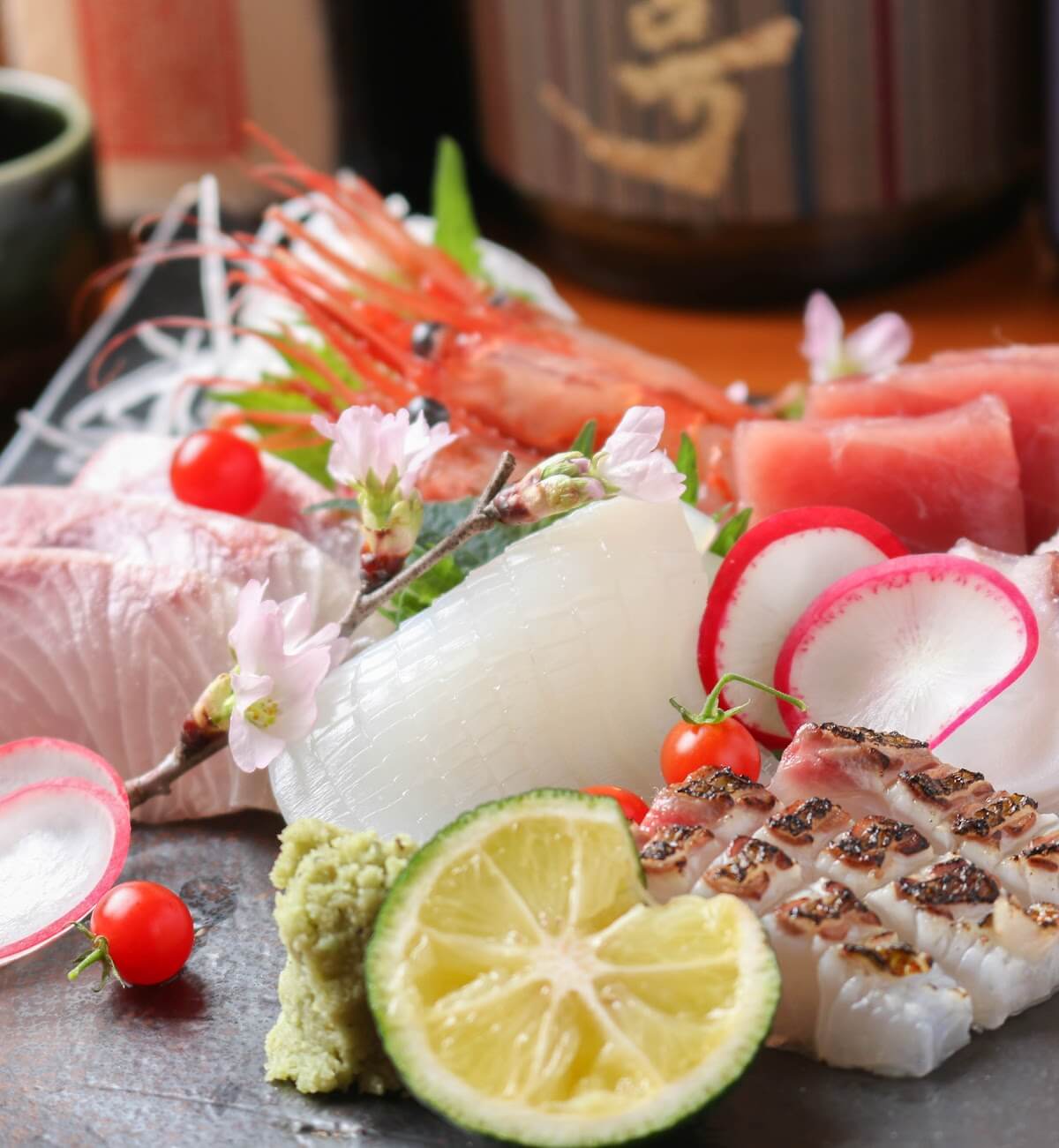
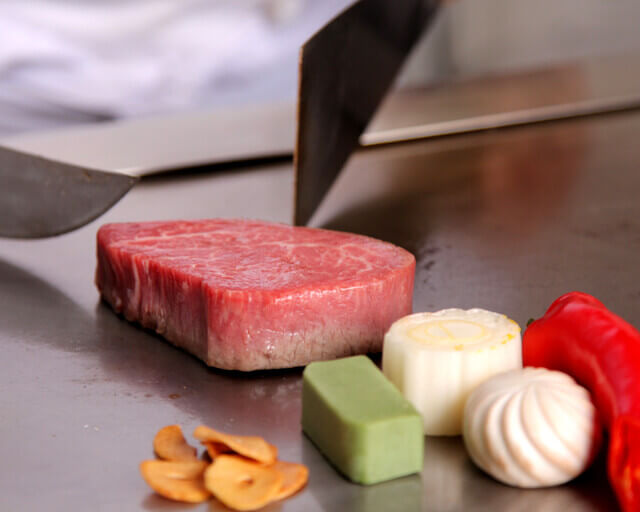
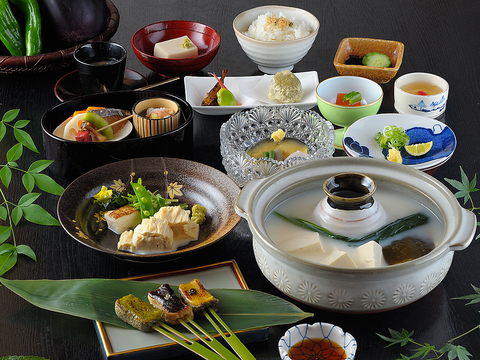
Experience authentic Japanese cuisine at the best restaurants in Japan as recommended by locals.
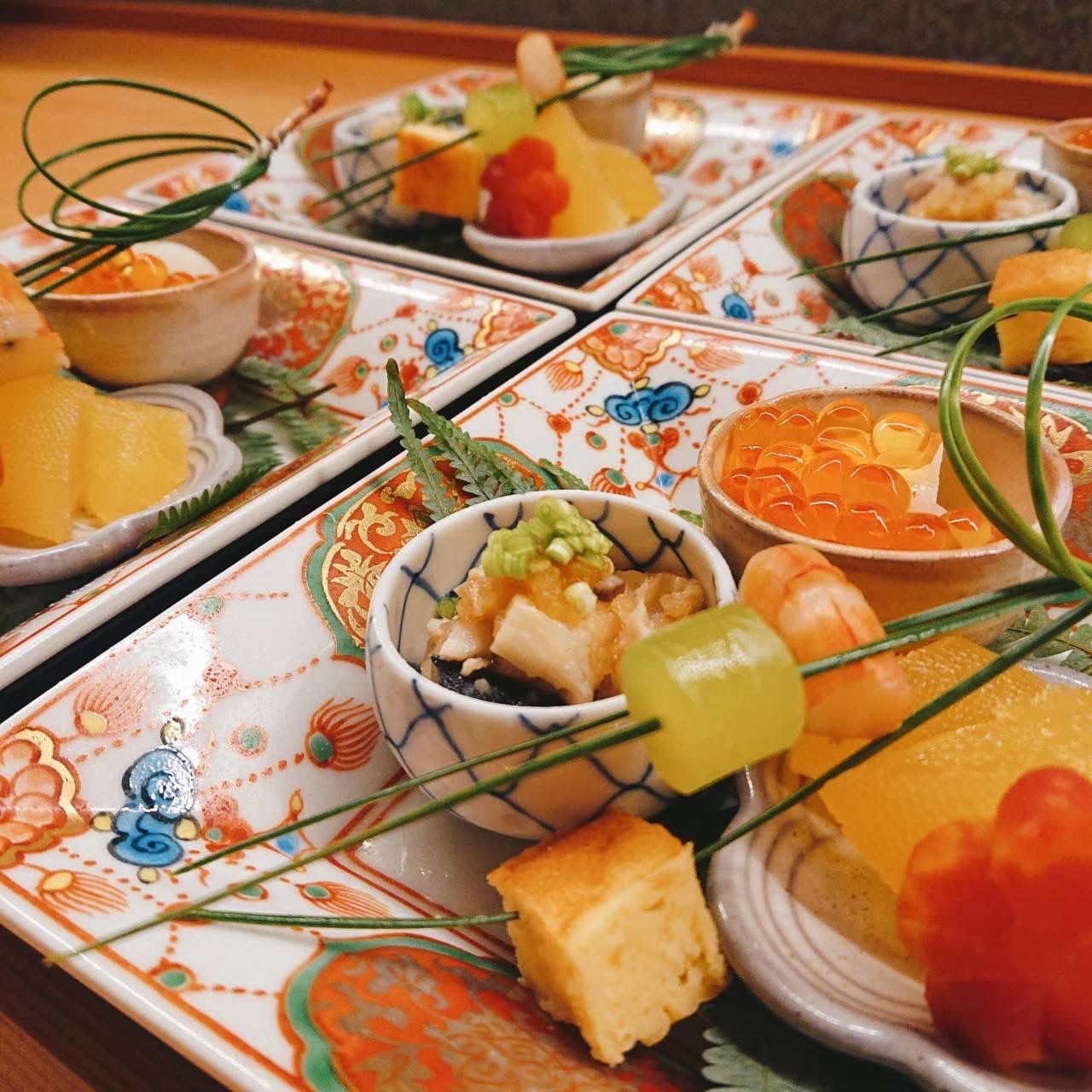
Book a table at top-rated restaurants to enjoy exquisite kaiseki (course-style) Japanese dinners.
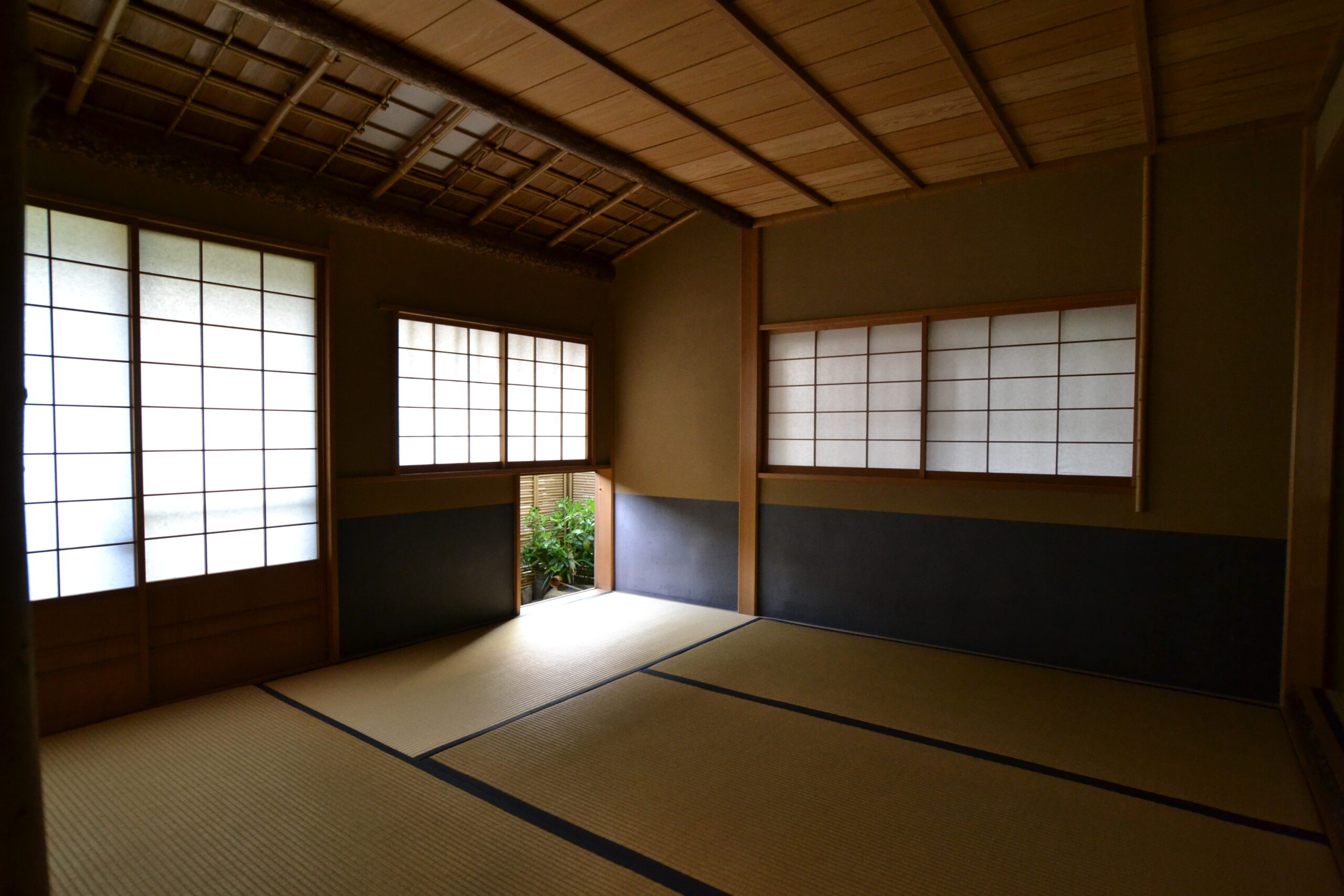
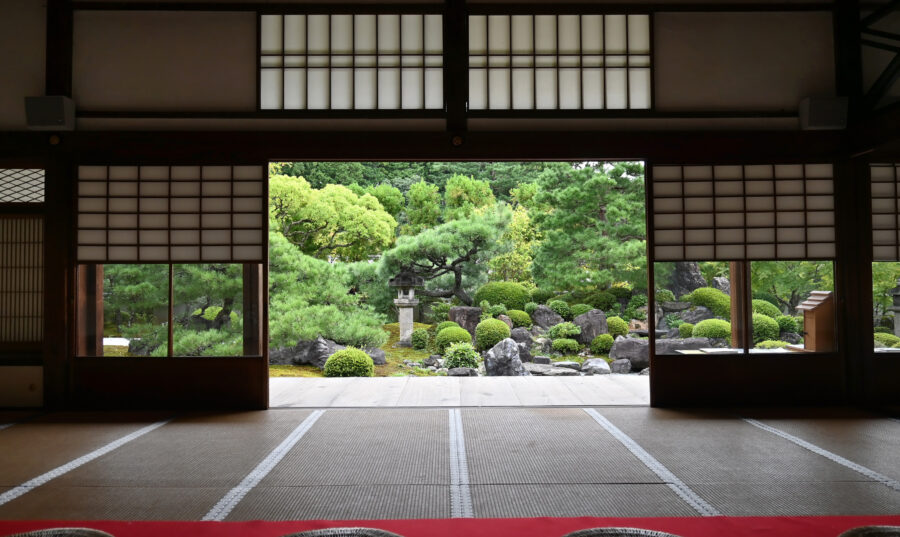
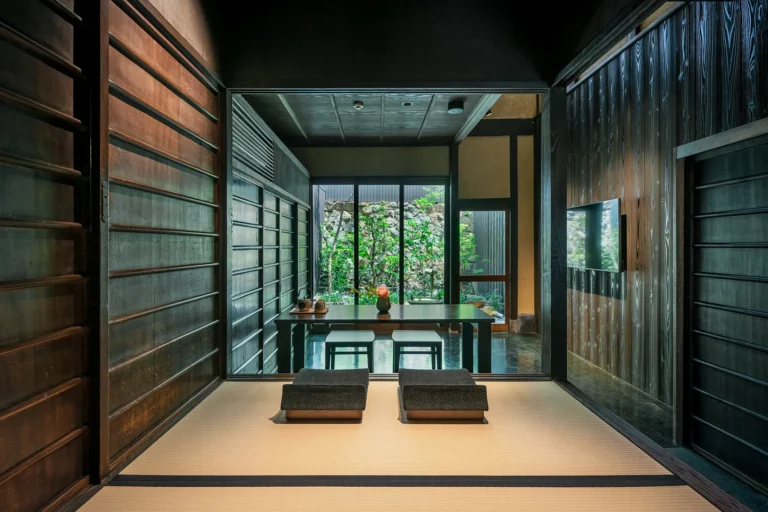
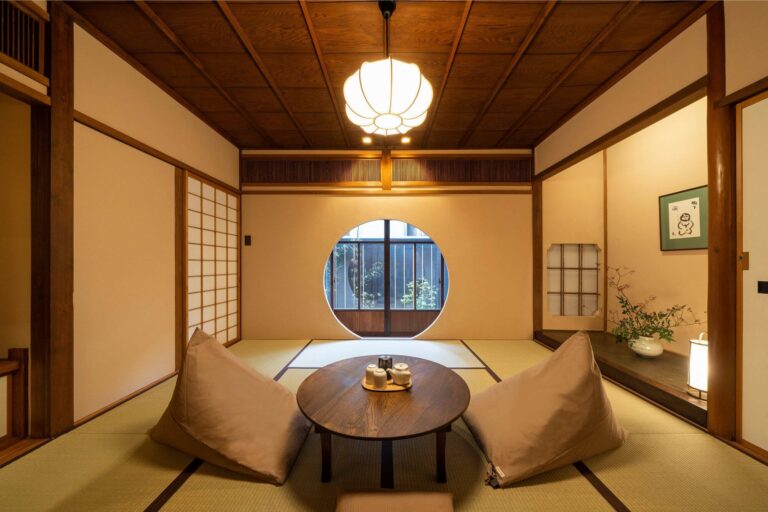
Sadō ceremonies take place inside a tea room or tea house, which is an expression of the ritual’s values. To fully immerse yourself in the experience, be aware of your surroundings.
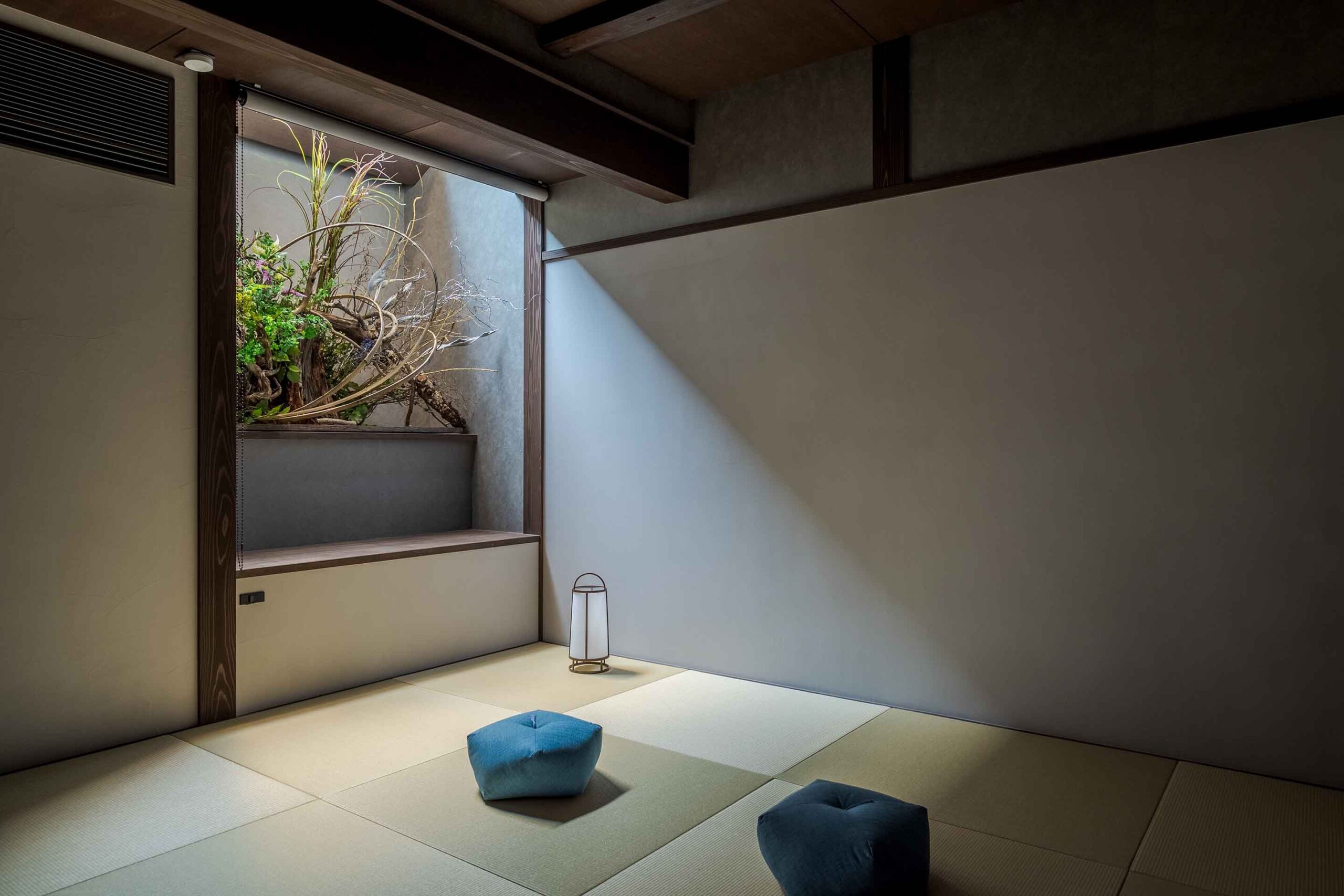
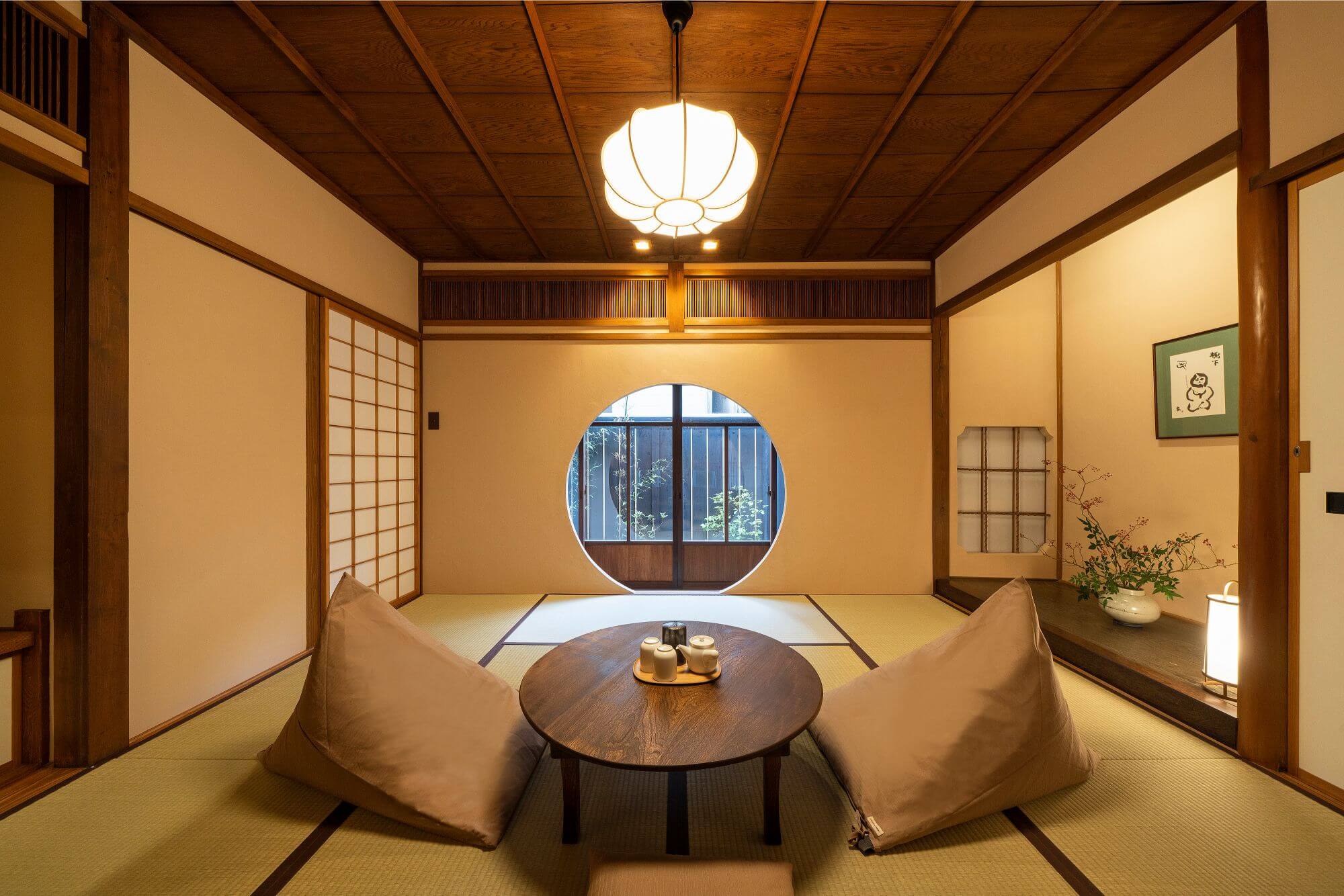
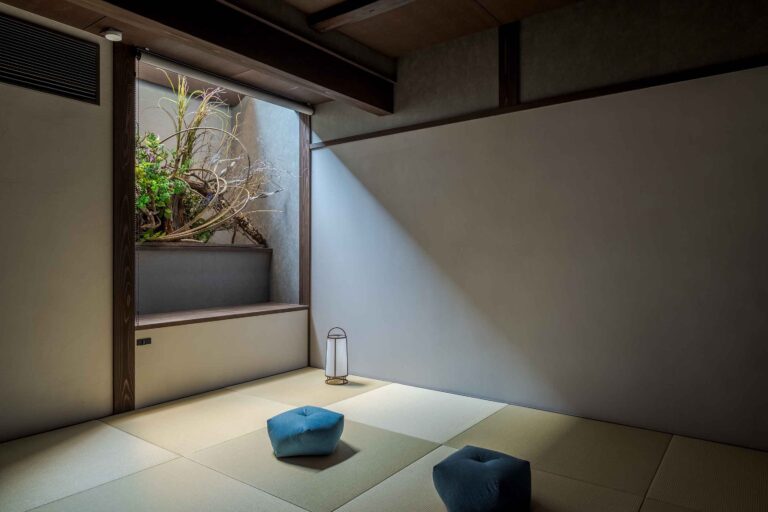
The tea house is usually quiet, calm, and minimalist. Tatami mats are a key feature. Some traditional tea rooms also have a small entrance (“nijiriguchi”) that requires guests to crawl inside. The reason for a low, compact doorway is that all guests must bow to enter the space regardless of their social rank.
Inside the chashitsu, a tokonoma alcove displays a hanging scroll and seasonal flower arrangement. The host chooses both the scroll and flowers to reflect the current season.
During the ceremony, conducting yourself properly is important. Guests should walk, sit, and use utensils according to tradition. Serving seasonal food and setting up the tea room and garden are essential to the tea tradition, too.
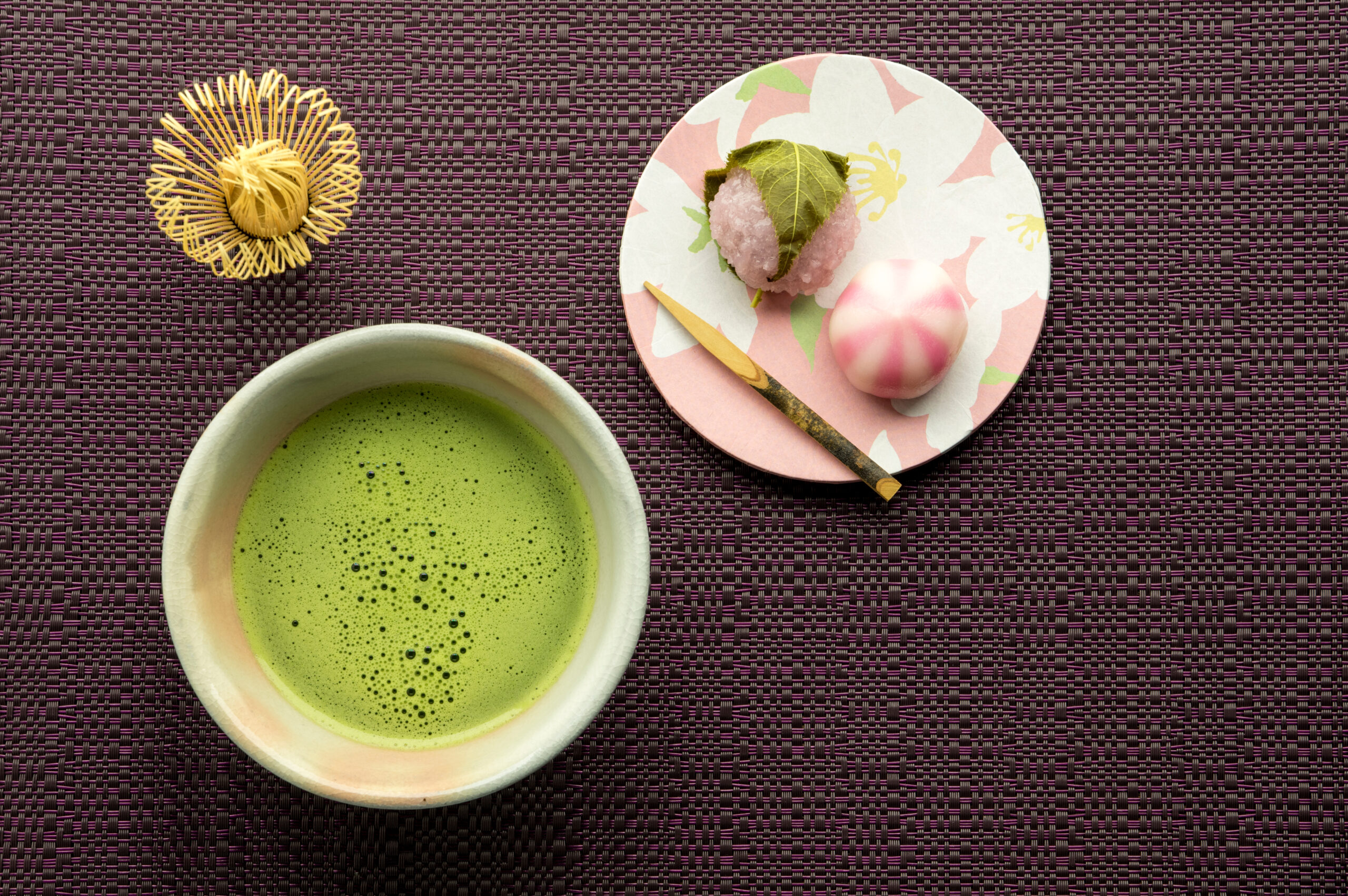
Any traditional tea ceremony in Japan has a formal structure. When you arrive, you’ll receive a warm welcome from the host. They will show you into the tea room, often through a roji (“dewy ground”) garden to ease your transition from the outside world. Before entering, guests usually purify their hands and mouth at a stone basin (“tsukubai”).
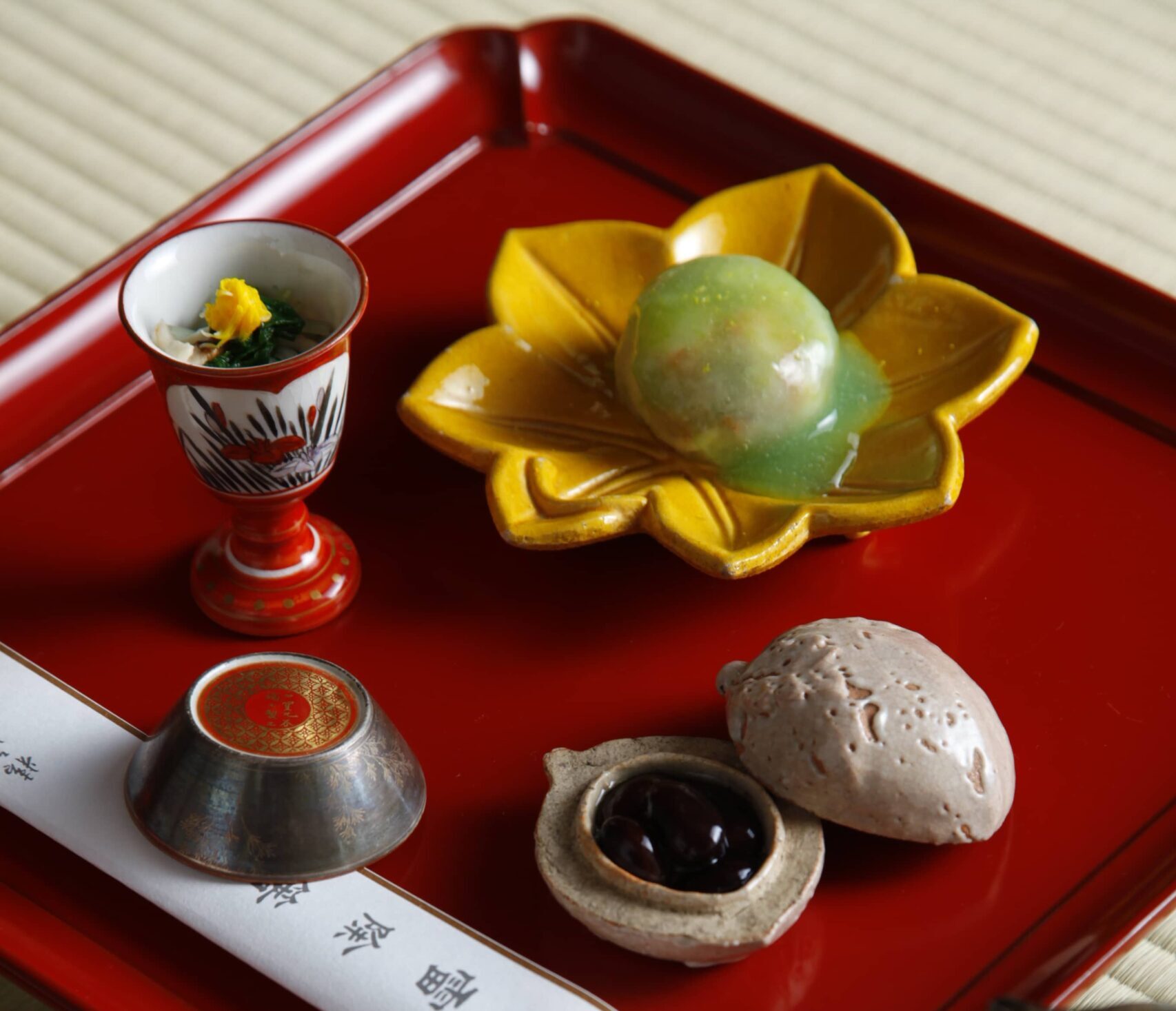
Be sure to remove your shoes before you enter the tea room. Once inside, bow, admire the scroll and flowers in the tokonoma, and sit on the tatami. Seasonal Japanese confections (“wagashi”) will be served to balance the matcha’s slight bitterness. Take a few moments to admire the presentation before you eat the sweets.
Next, the host will perform the preparation (“temae”) process. They will purify the utensils, scoop the matcha, add hot water, and whisk the tea with focus. Observe them in silence and wait for the invitation to drink.
Accept the chawan with both hands and bow to the host (and to the next guest, if there is one). Turn the chawan clockwise by two quarter-turns before you drink the tea to avoid the “front.” Finish the tea in a few sips, wipe the rim, turn it back so the front faces the host, then return it.
At the end of the ritual, it’s customary to admire the bowl and ask about the utensils. The host chooses their items carefully, and they will appreciate you taking an interest in their meaning.
To respect the traditions of Japanese Tea Ceremony, keep the following etiquette rules in mind:
・Wear clean plain socks without holes to remain respectful after removing your shoes.
・Accept all objects given to you with both hands.
・Speak in a quiet voice to maintain a calm environment.
・Put your phone on silent and out of sight before you enter the tea house.
・Never touch tea utensils without permission or invitation.
・Remove watches, rings, and other jewelry that could knock or scratch the bowl.
・Skip strong perfume so guests can appreciate the aroma of the tea.
・Ask permission before taking photos.
・Express your gratitude to the host before you leave the tea house.
Observing these rules will help you enjoy your Sadō tea ceremony and avoid offending your host.
A full formal tea gathering (chaji) can last around four hours, but experiences designed for visitors usually take 30 to 60 minutes. Many tourist-friendly venues serve usucha (thin matcha) with a wagashi sweet, offer English explanations, and provide chairs or cushions if you can’t sit comfortably on the tatami. Booking ahead is recommended, especially during peak seasons.
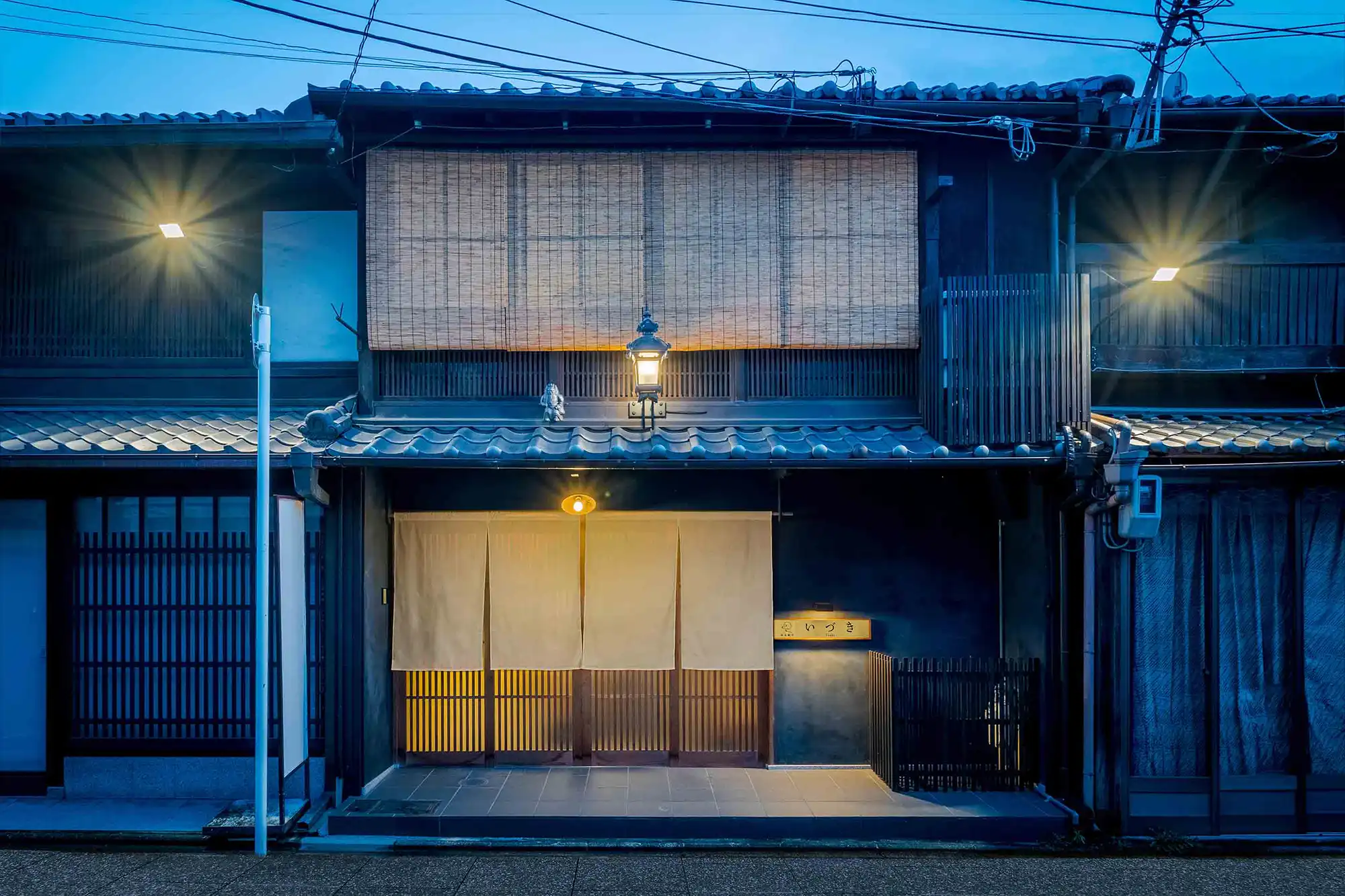
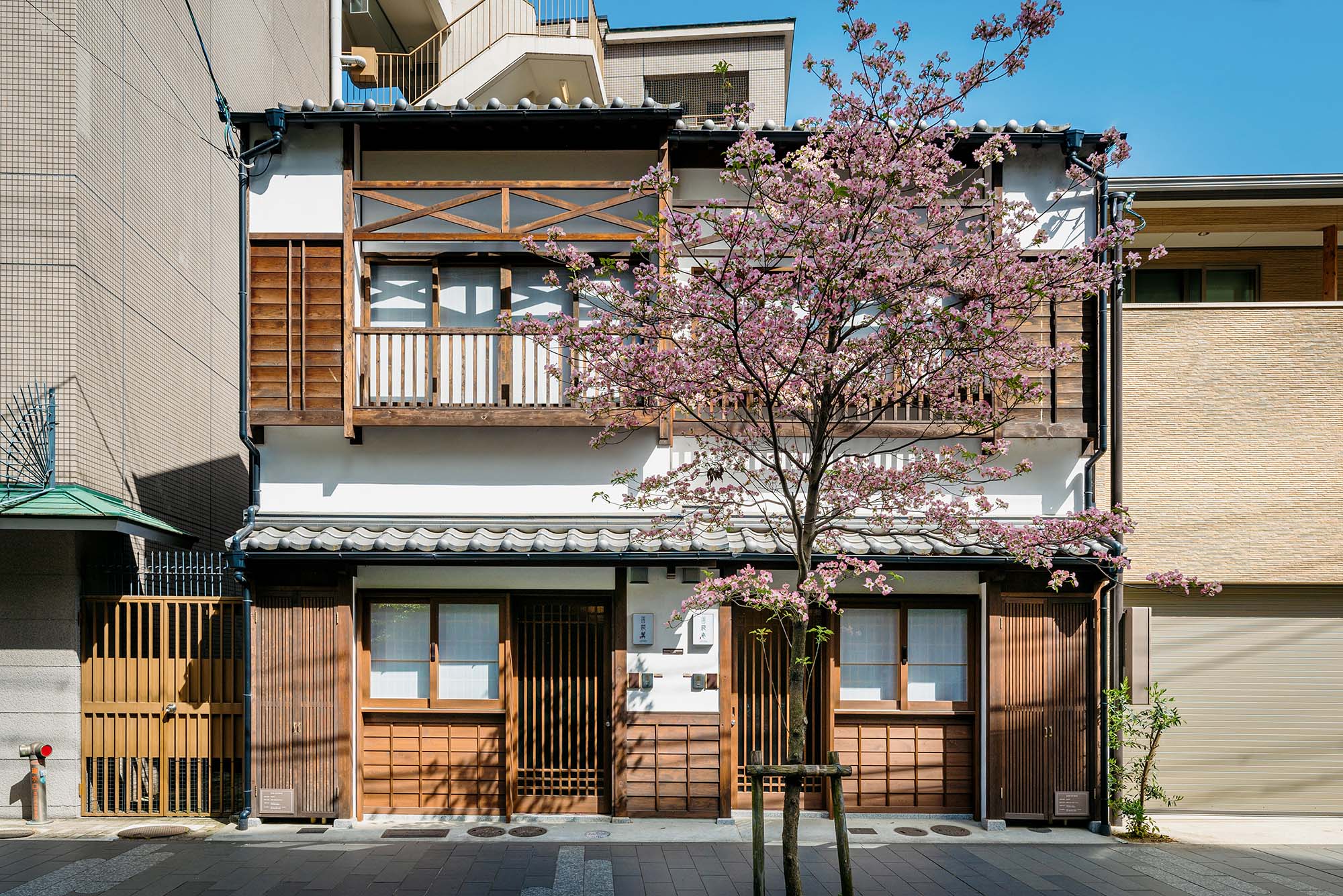
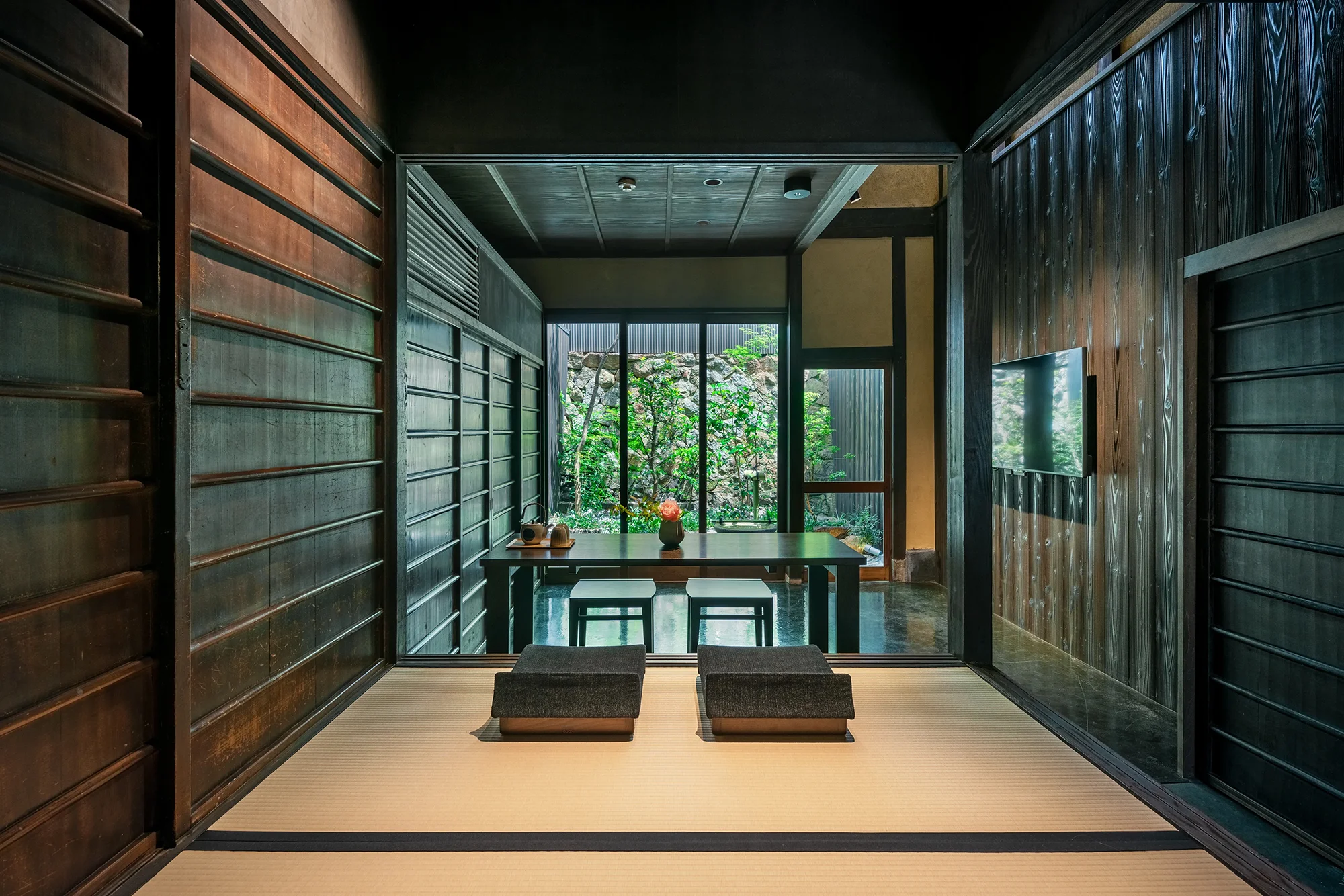
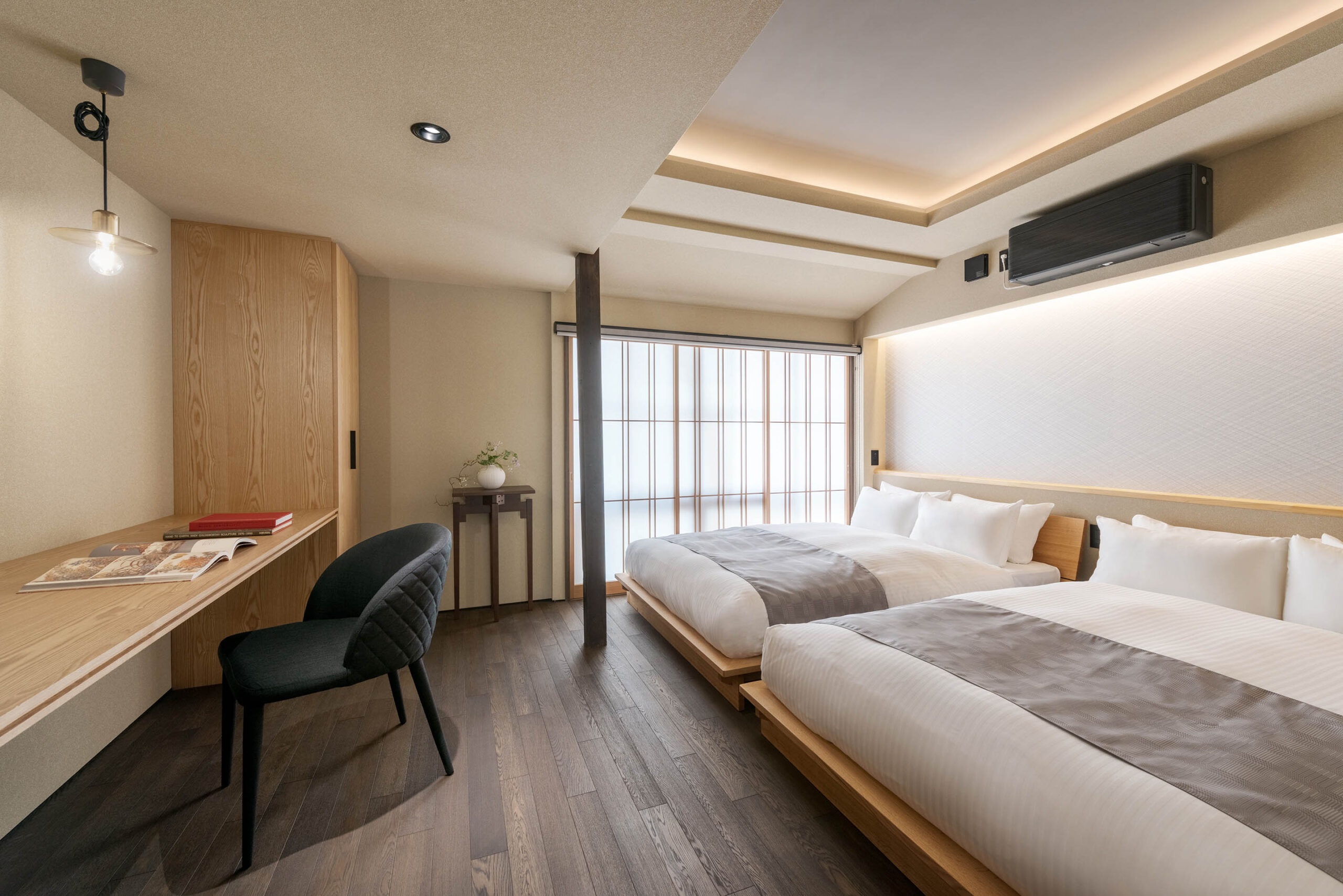
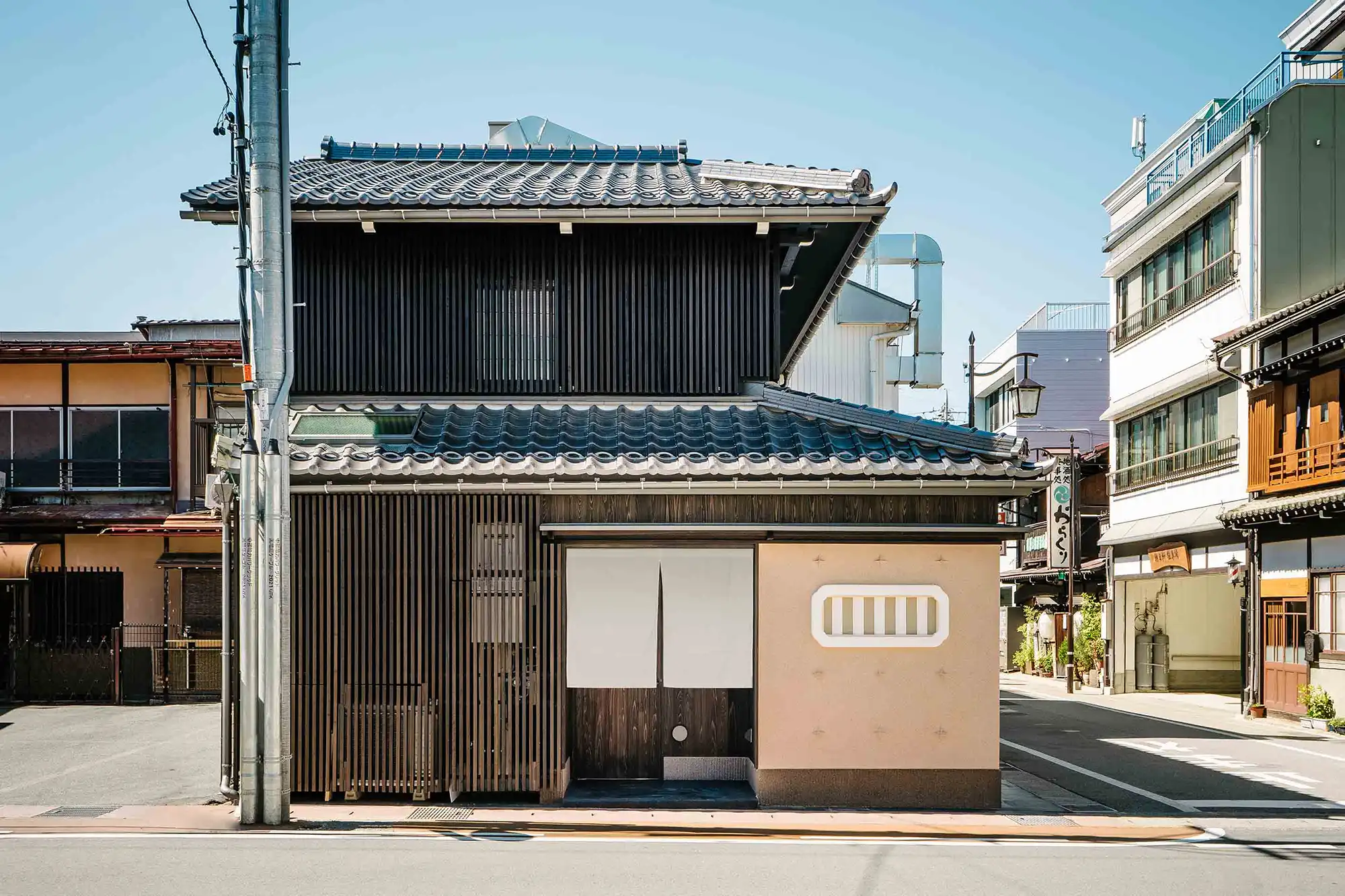
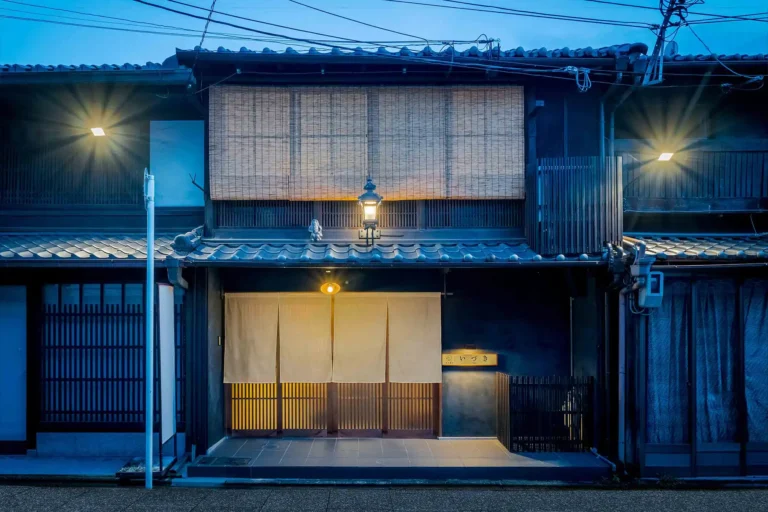
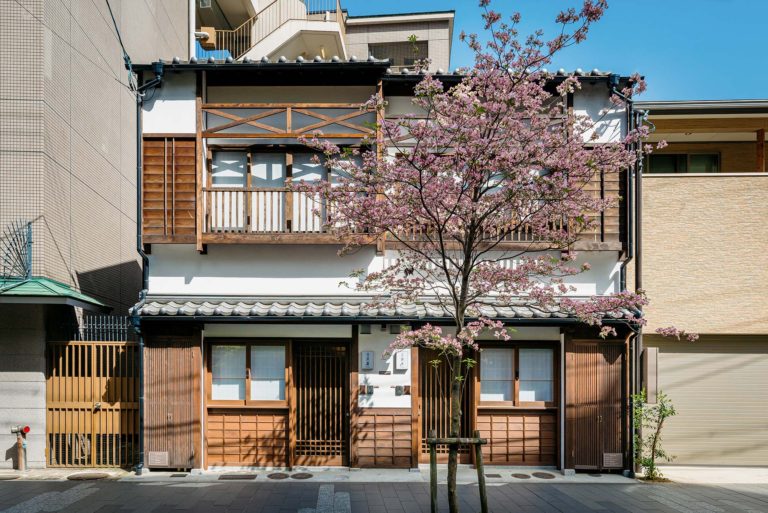
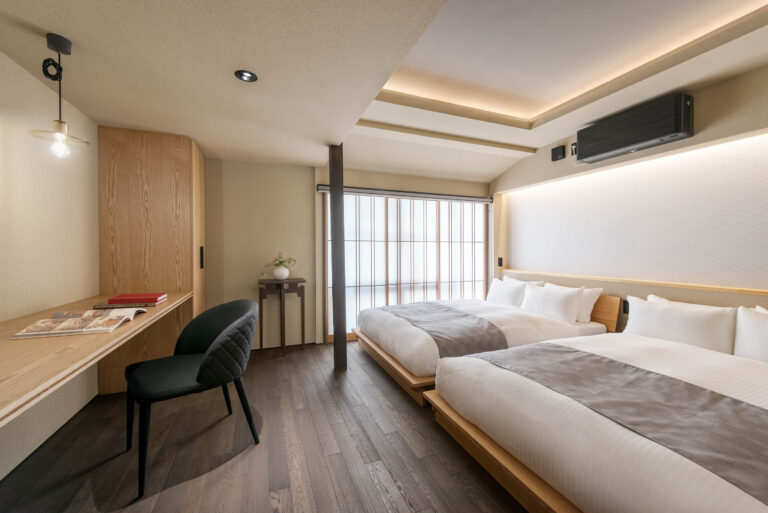
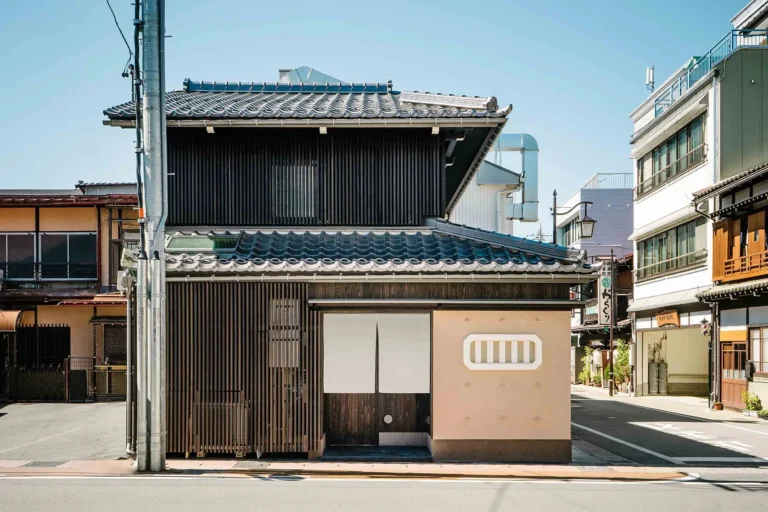
If you’re interested in participating in a traditional tea ceremony during your time in Kanazawa City, we offer an exclusive tea ceremony experience held in your machiya accommodation during your stay. Be sure to check out the offer page here.
What should I wear to a tea ceremony?
Wear comfortable, modest clothing that is easy to sit in. A kimono isn’t required, but clean socks are essential.
How long does a tea ceremony take?
Experiences for visitors usually last 30 to 60 minutes, while formal gatherings can take several hours.
Do I have to kneel?
Guests traditionally sit in the formal kneeling position (seiza), but most venues welcome visitors sitting cross-legged or on a chair. Just let your host know.
Can I take photos?
Always ask first. Some hosts allow photos of the utensils and sweets, but others prefer none during the ceremony.




 ×
×